
Generic medicine

Vitamin B6, B9 and B12: Brands, Price & Uses in Bangladesh

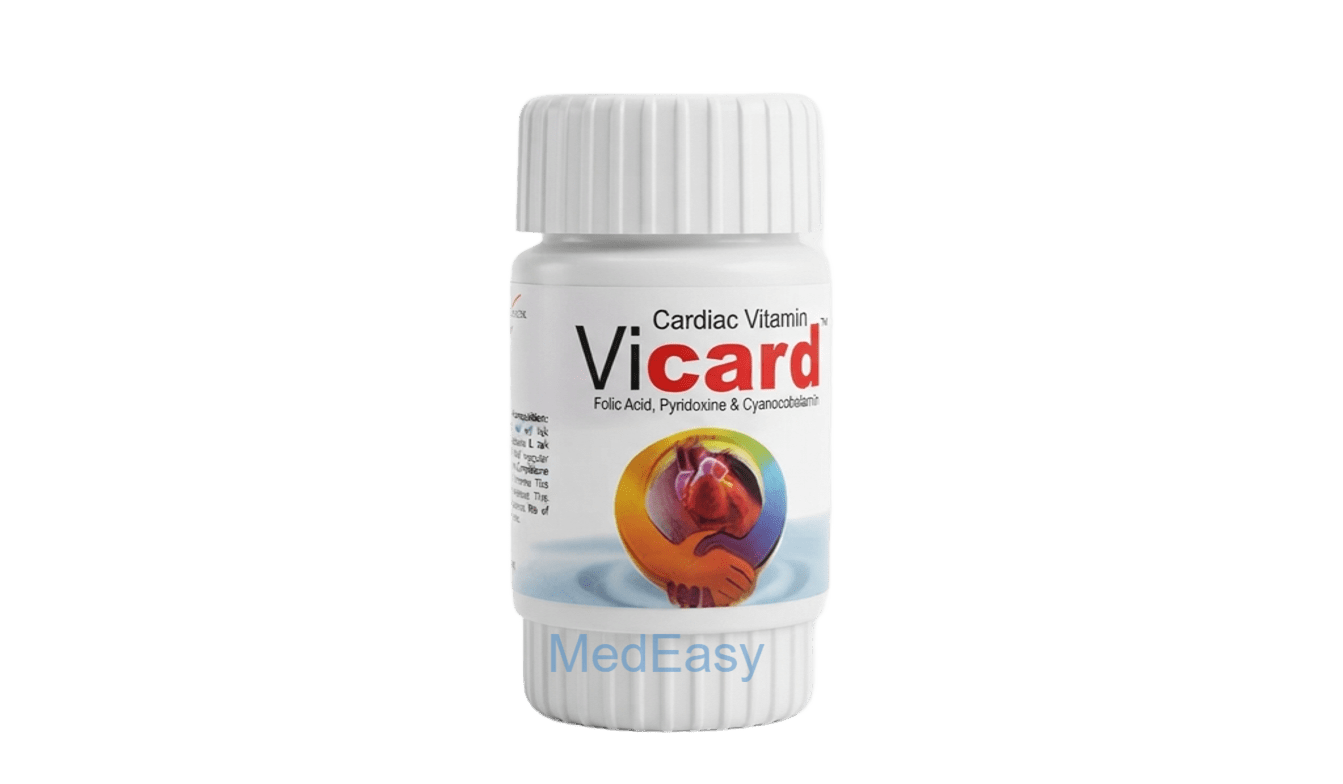
Vitamin B6, B9 and B12 is a combination B-vitamin supplement used for the prevention and treatment of combined deficiency of pyridoxine (vitamin B6), folate/folic acid (vitamin B9) and more.

Forms:Tablet

About Vitamin B6, B9 and B12

Indications of Vitamin B6, B9 and B12

Vitamin B6, B9 and B12 is a combination B-vitamin supplement used for the prevention and treatment of combined deficiency of pyridoxine (vitamin B6), folate/folic acid (vitamin B9), and cobalamin (vitamin B12). Common uses include:

  • Established/guideline-supported use: Correction of documented or suspected combined B6, B9, and B12 deficiency due to inadequate dietary intake, malabsorption syndromes, or increased physiological requirement.
  • Adjunct use: As an adjunct in individuals with elevated homocysteine levels (hyperhomocysteinemia), often in the context of atherosclerotic vascular disease or peripheral neuropathy; note that evidence for reduction in hard cardiovascular outcomes (heart attack, stroke) from homocysteine-lowering with these vitamins is limited and inconsistent, so this is a supportive rather than a primary therapy.
  • Adjunct use: Supportive therapy in nutritional neuropathy and certain megaloblastic anemia presentations where a mixed vitamin deficiency is confirmed, alongside management of the underlying cause.
  • General supplementation: For individuals at higher risk of deficiency, such as older adults, people with restrictive diets (e.g., strict vegetarians/vegans for B12), or those with chronic gastrointestinal disease.

Vitamin B6, B9 and B12 is not a substitute for identifying and treating the underlying cause of a deficiency (e.g., pernicious anemia, malabsorption, or dietary insufficiency), which requires proper medical evaluation.

Dosage & Administration of Vitamin B6, B9 and B12

Dosing of Vitamin B6, B9 and B12 varies by brand and strength; the following is general guidance and the product label/physician's instructions should be followed.

IndicationTypical Adult Dose
General deficiency prevention/treatmentOne tablet/capsule once daily, or as directed by a physician
Hyperhomocysteinemia (adjunct)One to two tablets/capsules daily, or as directed by a physician

Pediatric dose: Not established for combination products; pediatric use should be guided by a physician based on age, weight, and clinical need, generally using age-appropriate single-vitamin or pediatric multivitamin formulations instead.

Renal/hepatic impairment: No well-established dose adjustment is required for standard supplemental doses; however, patients with renal impairment should avoid high-dose vitamin B6 supplementation due to reduced clearance, and should use this combination only under medical supervision.

Tablets/capsules should generally be taken with food to reduce the chance of stomach upset, and swallowed whole with water unless the product is formulated to be chewed or dissolved.

Side Effects of Vitamin B6, B9 and B12

Vitamin B6, B9 and B12 is generally well tolerated at standard supplemental doses. Reported side effects include:

  • Mild nausea, stomach upset, or diarrhea
  • Headache
  • Itching or transient skin rash
  • Allergic sensitization (rare)
  • Peripheral sensory neuropathy (tingling, numbness) — associated specifically with high-dose or prolonged pyridoxine (B6) use; see Precautions and Warnings.
  • Mild sleep disturbance or drowsiness (uncommon)

Most side effects are mild and resolve with dose reduction or discontinuation; seek medical advice if symptoms are severe or persistent.

Contraindications of Vitamin B6, B9 and B12

Vitamin B6, B9 and B12 is contraindicated in:

  • Known hypersensitivity to pyridoxine, folic acid, cyanocobalamin/methylcobalamin, or any other component of the specific formulation.
  • Patients with hereditary optic (Leber's) neuropathy, if the vitamin B12 component used is specifically cyanocobalamin, as cyanocobalamin has been associated with severe and rapid optic nerve atrophy in this rare genetic condition.

Frequently Asked Questions about Vitamin B6, B9 and B12

What is Vitamin B6, B9 and B12 used for?

Vitamin B6, B9 and B12 is used to prevent and treat combined deficiency of these three B-vitamins, which can occur due to poor diet, malabsorption, certain medications, or increased body requirements. It is also used as an adjunct in people with elevated homocysteine levels, though evidence that this reduces heart attack or stroke risk is limited.

Can I take Vitamin B6, B9 and B12 during pregnancy?

Vitamin B6, B9 and B12 should be used during pregnancy only if clearly needed and as directed by a physician, since combination products may provide different doses than standard prenatal vitamins. Folic acid itself is important in pregnancy to reduce the risk of neural tube defects, but a physician should guide the specific product and dose used.

Is it safe to take Vitamin B6, B9 and B12 for a long time?

At standard supplemental doses, long-term use of Vitamin B6, B9 and B12 is generally well tolerated. However, long-term high-dose use of the vitamin B6 (pyridoxine) component can cause peripheral nerve damage (tingling, numbness), so the recommended dose should not be exceeded without medical supervision.

Who should not take Vitamin B6, B9 and B12?

People with a known allergy to pyridoxine, folic acid, cyanocobalamin, methylcobalamin, or any other ingredient in the specific product should not take Vitamin B6, B9 and B12. Individuals with hereditary optic (Leber's) neuropathy should avoid formulations containing cyanocobalamin specifically. Anyone with unexplained anemia should be evaluated by a physician before starting this supplement.

Can Vitamin B6, B9 and B12 interact with other medicines?

Yes. Vitamin B6, B9 and B12 can interact with levodopa (when used alone), certain anticonvulsants (phenytoin, phenobarbital, primidone), methotrexate, and chloramphenicol. Tell your physician about all medicines you take before starting this supplement.

What should I do if I miss a dose or take too much?

If you miss a dose of Vitamin B6, B9 and B12, take it as soon as you remember unless it is almost time for your next dose; do not double the dose. If you suspect you or someone else has taken too much, seek immediate medical attention or contact a poison control center rather than treating it at home.

Disclaimer

The information provided is accurate to the best of our knowledge, but it does not replace professional medical advice. We cannot guarantee its completeness or accuracy, and the absence of specific information about a drug should not be taken as an endorsement. We are not responsible for any consequences arising from this information, so please consult a healthcare professional for any concerns or questions.
DoctorBlogArticles