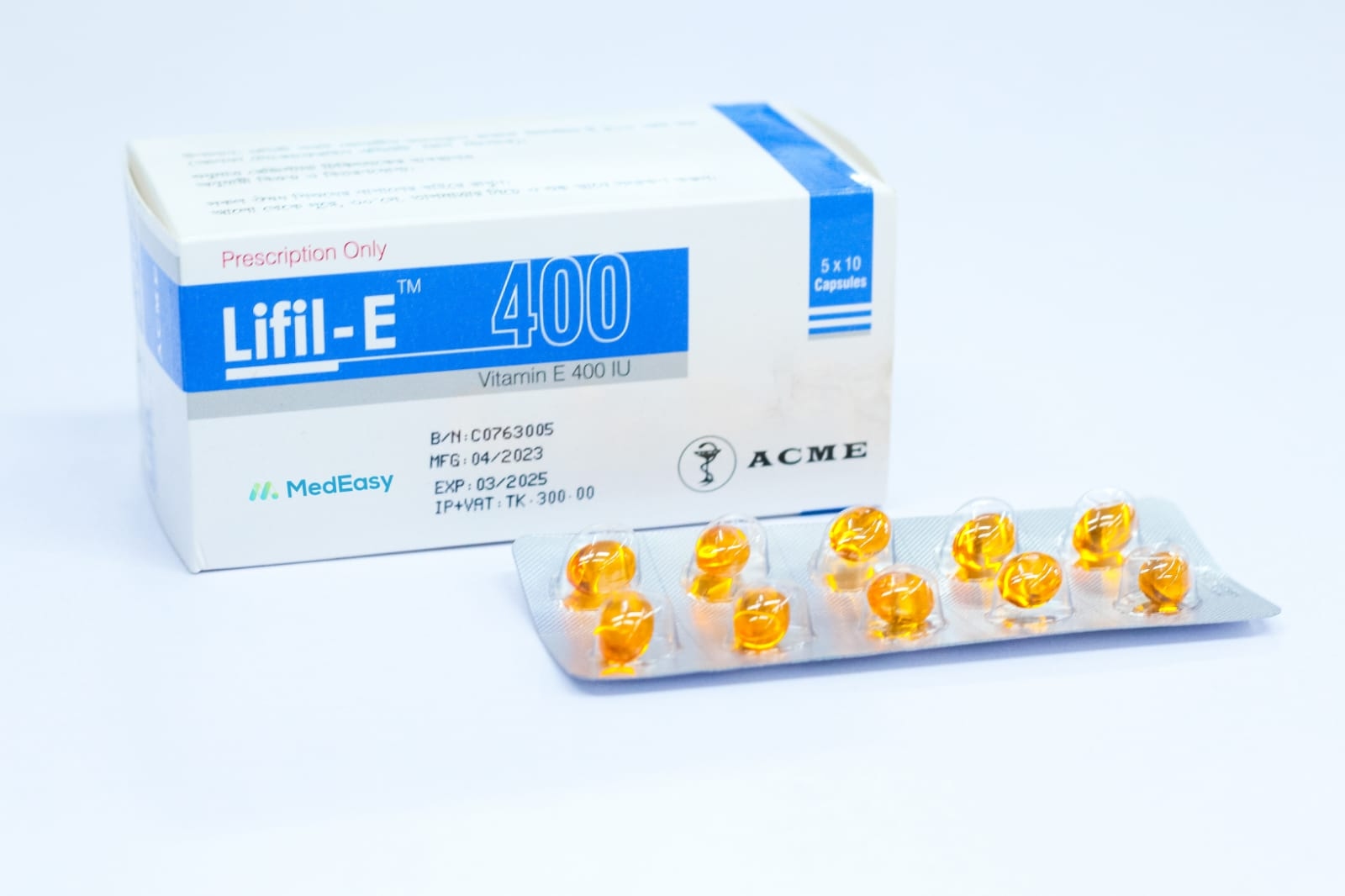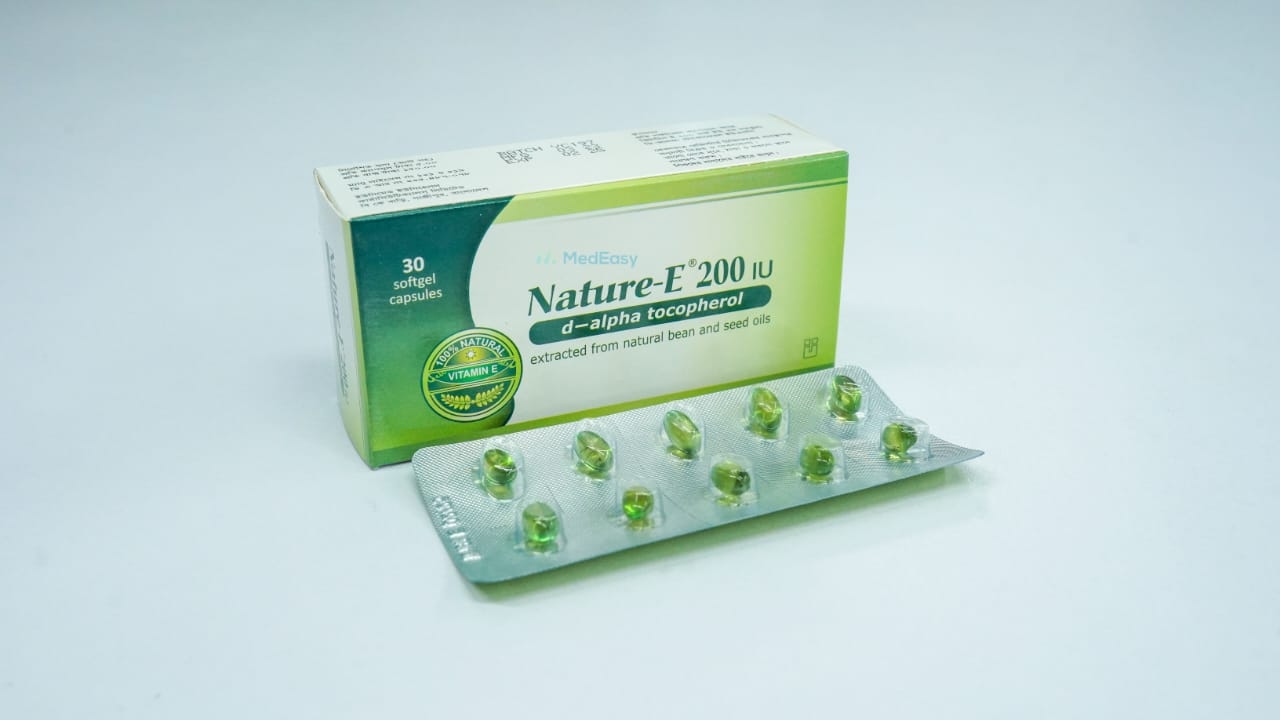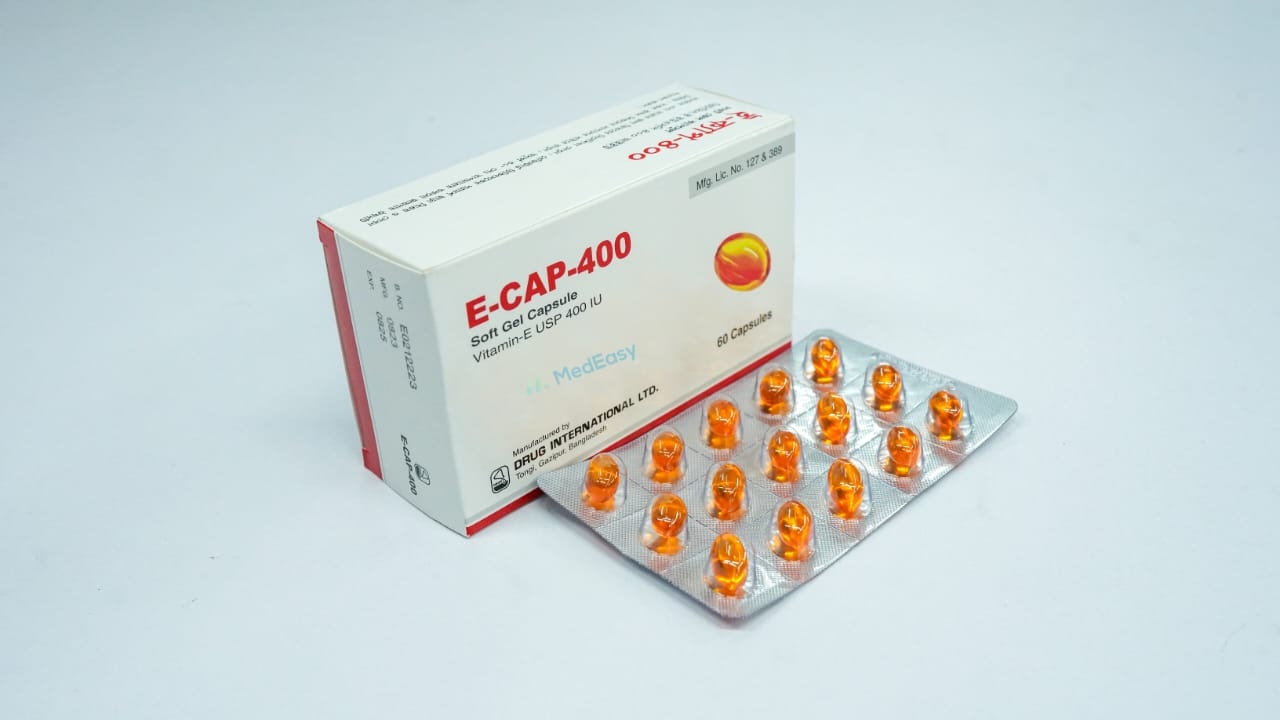
Generic medicine

Vitamin E [Alpha Tocopherol Acetate]: Brands, Price & Uses in Bangladesh

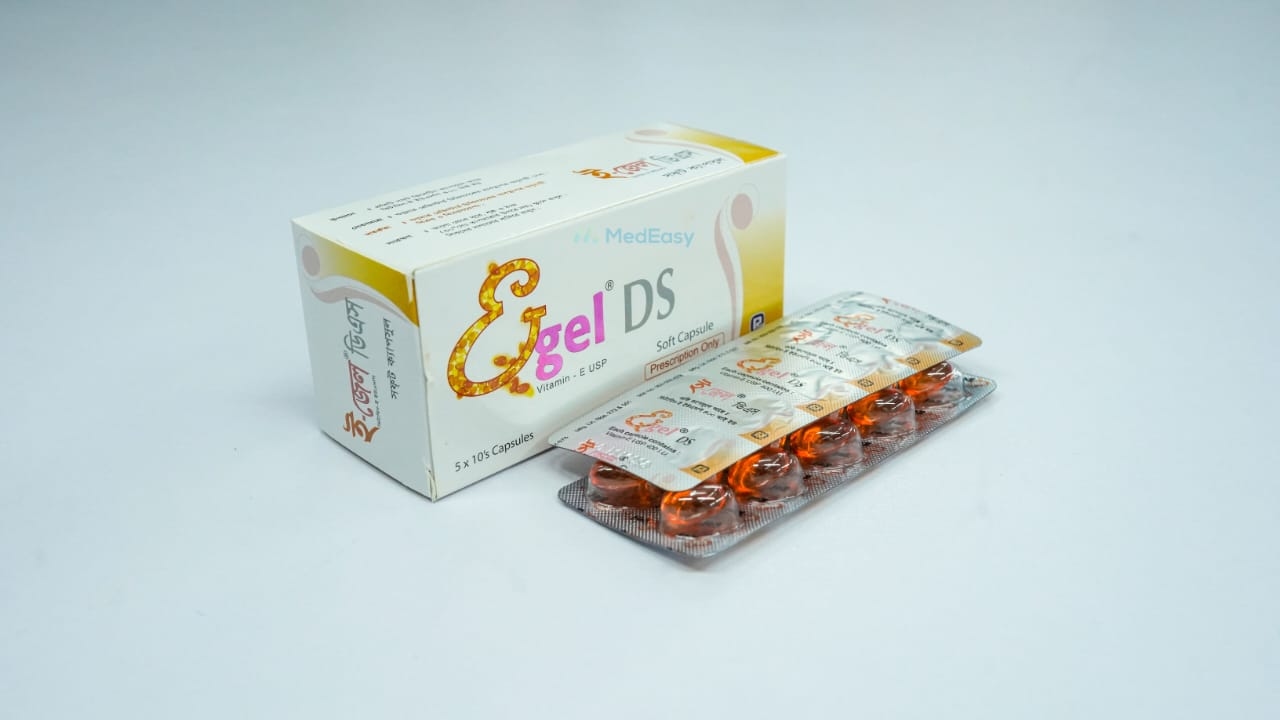
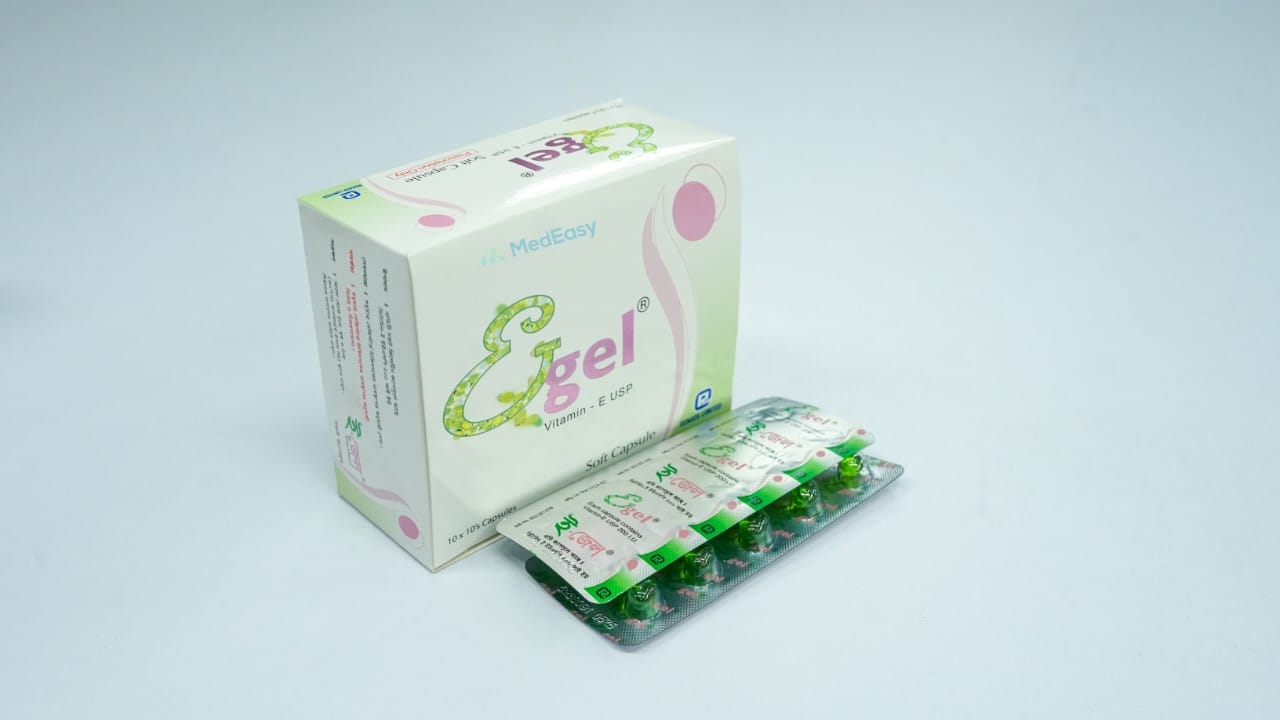
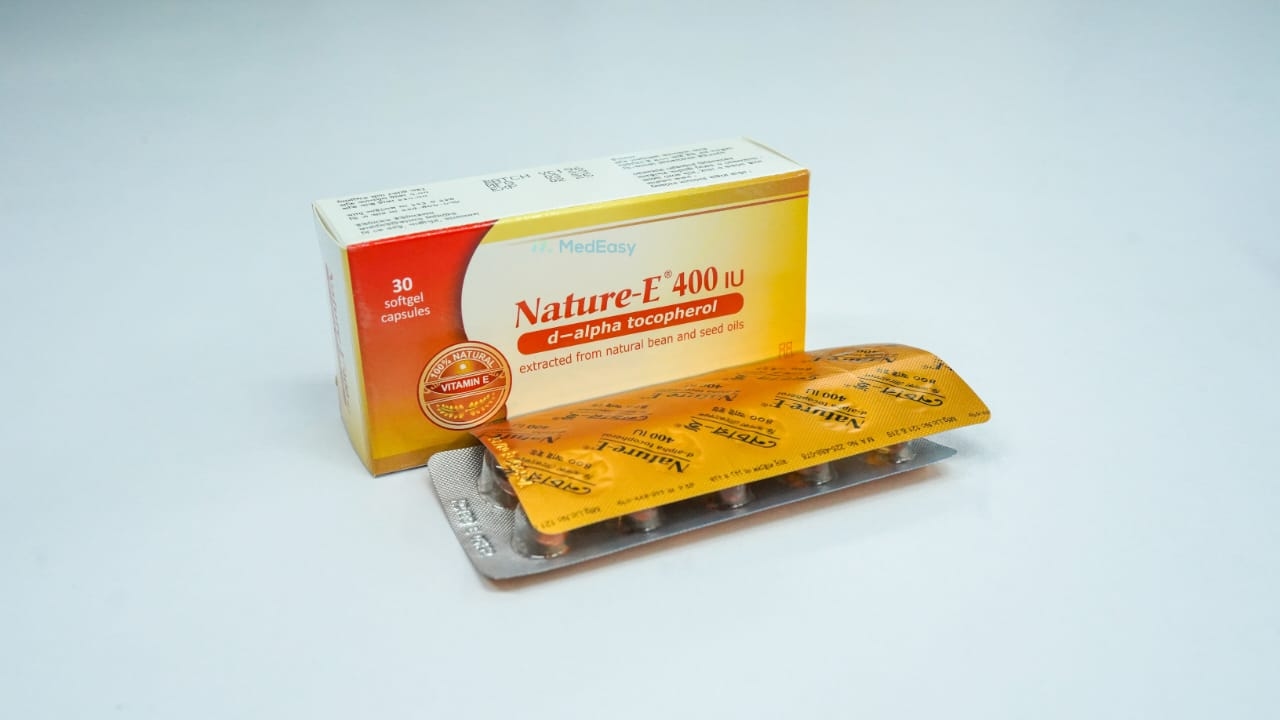
Vitamin E [Alpha Tocopherol Acetate] is a fat-soluble vitamin used mainly to treat and prevent vitamin E deficiency and to meet the Recommended Dietary Allowance (RDA) as a general nutritional…

Forms:Capsule

About Vitamin E [Alpha Tocopherol Acetate]

Indications of Vitamin E [Alpha Tocopherol Acetate]

Vitamin E [Alpha Tocopherol Acetate] is a fat-soluble vitamin used mainly to treat and prevent vitamin E deficiency and to meet the Recommended Dietary Allowance (RDA) as a general nutritional supplement.

  • Established use: Treatment and prevention of confirmed or at-risk vitamin E deficiency, which occurs mainly in people with fat-malabsorption disorders (e.g., cystic fibrosis, cholestatic liver disease, chronic pancreatitis, short bowel syndrome), abetalipoproteinemia, or very low birth weight preterm infants.
  • General supplementation: Used at RDA-level doses to fill dietary gaps in people with inadequate dietary intake.
  • Adjunct / commonly used but not strongly evidenced: Vitamin E [Alpha Tocopherol Acetate] is widely marketed and used for skin and hair health, as a general antioxidant, and in conditions such as age-related macular degeneration, mild premenstrual or menstrual symptoms, and as an adjunct in some cardiovascular or neurological conditions. Evidence for these uses at high supplemental doses is limited, mixed, or inconsistent across clinical trials, and such use should not replace standard medical therapy.

Patients should discuss the specific reason for supplementation with a physician or pharmacist, since the appropriate dose differs substantially between deficiency treatment and general wellness use.

Dosage & Administration of Vitamin E [Alpha Tocopherol Acetate]

Dosing depends on the indication and should be individualized; the figures below reflect typical clinical and nutritional practice for Vitamin E [Alpha Tocopherol Acetate].

  • Confirmed vitamin E deficiency (adults): Typically 60–75 mg (approximately 100 IU) per kg body weight per day of water-miscible alpha-tocopherol, adjusted to laboratory response and under medical supervision; some malabsorption syndromes require considerably higher doses.
  • General dietary supplementation (adults): Doses in the range of 200–400 IU per day are commonly used in Bangladesh, though the RDA is much lower (about 15 mg alpha-tocopherol/day, roughly 22 IU of the natural form or 15 IU of the synthetic acetate form, for adults 14 years and older).
  • Recommended Dietary Allowance (RDA): Children 1–3 years: 6 mg/day; 4–8 years: 7 mg/day; 9–13 years: 11 mg/day; adolescents and adults ≥14 years: 15 mg/day; pregnancy: 15 mg/day; lactation: 19 mg/day.
  • Tolerable Upper Intake Level (UL) from supplements: 1–3 years: 200 mg/day; 4–8 years: 300 mg/day; 9–13 years: 600 mg/day; 14–18 years: 800 mg/day; adults ≥19 years: 1,000 mg/day (all forms combined, roughly equivalent to 1,500 IU of natural or 1,100 IU of synthetic vitamin E). Doses above the UL should only be used under direct medical supervision.

See Precautions and Warnings for cautions regarding chronic high-dose use, and Use in Special Populations for pediatric and elderly dosing considerations.

Side Effects of Vitamin E [Alpha Tocopherol Acetate]

Vitamin E [Alpha Tocopherol Acetate] is generally well tolerated at RDA and typical supplemental doses. At higher doses (commonly cited above 1,000 IU/day), side effects may include:

  • Nausea, diarrhea, and abdominal cramps
  • Fatigue and headache
  • Blurred vision
  • Skin rash
  • Easy bruising or increased bleeding tendency (see Interactions and Precautions)

Serious allergic reactions are rare. Patients should seek medical attention for unusual bruising, bleeding, or signs of an allergic reaction.

Contraindications of Vitamin E [Alpha Tocopherol Acetate]

Vitamin E [Alpha Tocopherol Acetate] is contraindicated only in patients with known hypersensitivity to alpha-tocopherol, tocopherol derivatives, or any excipient of the specific product formulation.

Frequently Asked Questions about Vitamin E [Alpha Tocopherol Acetate]

What is Vitamin E [Alpha Tocopherol Acetate] mainly used for?

It is mainly used to treat or prevent vitamin E deficiency and to supplement dietary intake when diet alone is insufficient. It is also widely used, with weaker evidence, for skin, hair, and general antioxidant purposes.

Can I take Vitamin E [Alpha Tocopherol Acetate] every day for general health?

Taking a dose close to the RDA daily is generally considered safe for most healthy adults. However, routinely taking high doses (well above 400 IU/day) for general wellness is not strongly supported by evidence and carries some safety concerns, so it is best discussed with a doctor.

Is Vitamin E [Alpha Tocopherol Acetate] safe to take with aspirin or warfarin?

High doses can increase bleeding risk when combined with blood thinners such as warfarin, aspirin, or clopidogrel. If you take any anticoagulant or antiplatelet medicine, consult your physician before starting or continuing vitamin E supplements, especially at doses above the RDA.

Can pregnant or breastfeeding women take Vitamin E [Alpha Tocopherol Acetate]?

RDA-level intake during pregnancy and breastfeeding is generally considered safe and is often included in prenatal vitamins. High-dose supplementation beyond the RDA is not well studied in pregnancy and should only be used if specifically recommended by a doctor.

What happens if I take too much Vitamin E [Alpha Tocopherol Acetate]?

Excessive or prolonged high-dose intake can cause stomach upset, fatigue, headache, and an increased tendency to bleed or bruise. Doses above the Tolerable Upper Intake Level should be avoided unless a physician is supervising your use.

Do I need to stop Vitamin E [Alpha Tocopherol Acetate] before surgery?

Because high-dose vitamin E can increase bleeding risk, many surgeons recommend stopping high-dose supplements one to two weeks before a planned surgery. Always inform your surgeon and physician about any vitamin E supplement you are taking.

Disclaimer

The information provided is accurate to the best of our knowledge, but it does not replace professional medical advice. We cannot guarantee its completeness or accuracy, and the absence of specific information about a drug should not be taken as an endorsement. We are not responsible for any consequences arising from this information, so please consult a healthcare professional for any concerns or questions.
DoctorBlogArticles