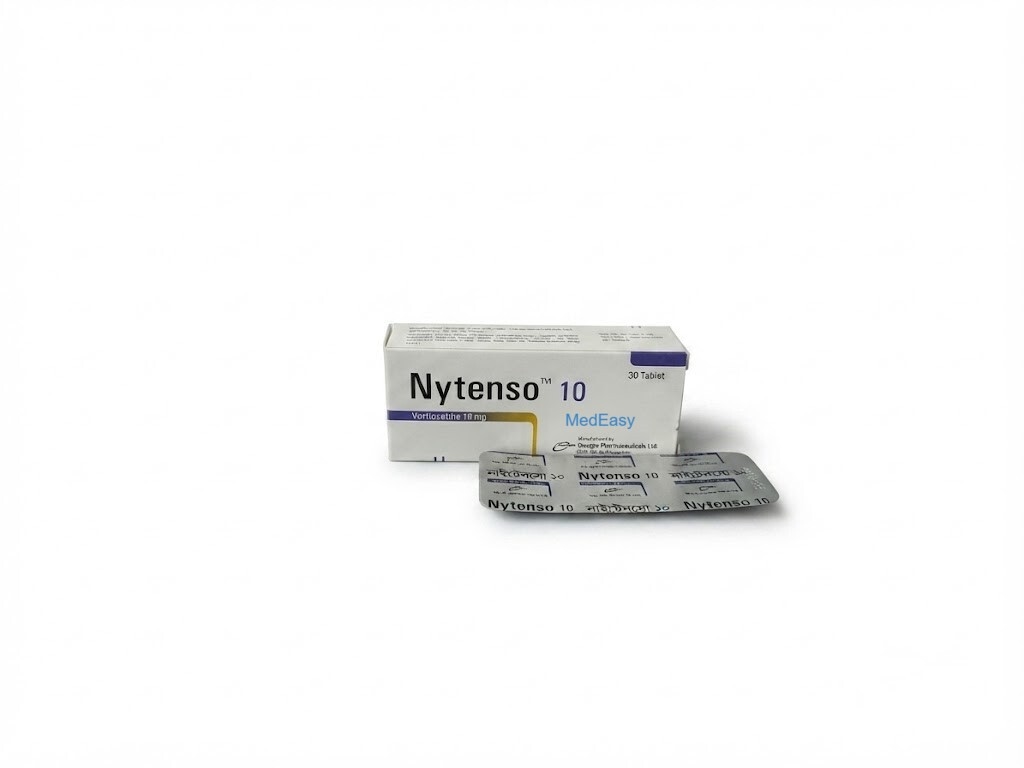
Generic medicine

Vortioxetine Hydrobromide: Brands, Price & Uses in Bangladesh

Vortioxetine Hydrobromide is an atypical antidepressant approved for the following use: Established/FDA-Approved Use Major Depressive Disorder (MDD) in adults — Vortioxetine Hydrobromide is…

Forms:Tablet

About Vortioxetine Hydrobromide

Indications of Vortioxetine Hydrobromide

Vortioxetine Hydrobromide is an atypical antidepressant approved for the following use:

Established/FDA-Approved Use

  • Major Depressive Disorder (MDD) in adults — Vortioxetine Hydrobromide is indicated for the acute and maintenance treatment of major depressive disorder in adult patients. Efficacy has been demonstrated in multiple randomized, placebo-controlled clinical trials.

Not an Approved Use

Vortioxetine Hydrobromide has been studied in children and adolescents with MDD, but clinical trials did not demonstrate efficacy in this population, and it is not approved for use in patients under 18 years of age (see Pediatric Uses).

Vortioxetine Hydrobromide is not approved for anxiety disorders, bipolar depression, or other psychiatric conditions; any such use would be off-label and should only be undertaken under close physician supervision.

Dosage & Administration of Vortioxetine Hydrobromide

Major Depressive Disorder (Adults)

StepDose
Starting dose10 mg orally once daily
Target/maintenance dose10–20 mg once daily, as tolerated, increased after at least one week
Minimum dose (if not tolerated)5 mg once daily
Maximum dose20 mg once daily

Dose Adjustments

  • Known CYP2D6 poor metabolizers: Consider a lower maximum dose.
  • Concomitant strong CYP2D6 inhibitors (e.g., bupropion, fluoxetine, paroxetine, quinidine): reduce Vortioxetine Hydrobromide dose (generally by half).
  • Concomitant strong CYP inducers (e.g., rifampin): dose of Vortioxetine Hydrobromide may need to be increased (up to 3 times the original dose) over 2 weeks, then reduced gradually if the inducer is stopped.
  • Hepatic impairment: No dose adjustment needed for mild to moderate hepatic impairment; not well studied in severe hepatic impairment, use with caution.
  • Renal impairment: No dose adjustment required for mild, moderate, or severe renal impairment.
  • Elderly patients: Doses above 10 mg once daily are generally not recommended in patients over 65 years due to limited safety data.

Administration

Vortioxetine Hydrobromide is taken orally, once daily, at approximately the same time each day, with or without food. Tablets should be swallowed whole; if a patient has difficulty swallowing, tablets may be crushed and mixed with soft food such as applesauce immediately before administration, per physician instruction. Discontinuation should generally be gradual rather than abrupt (see Precautions).

Side Effects of Vortioxetine Hydrobromide

The most common side effects of Vortioxetine Hydrobromide, generally dose-related, include:

  • Nausea — the most frequently reported side effect, usually mild to moderate and often diminishing over the first 1–2 weeks.
  • Constipation
  • Vomiting
  • Sexual dysfunction (decreased libido, delayed ejaculation, anorgasmia) — reported less frequently than with SSRIs
  • Dizziness
  • Dry mouth
  • Diarrhea
  • Pruritus

Less Common but Serious Effects

Serotonin syndrome, abnormal bleeding, activation of mania/hypomania, angle-closure glaucoma, and hyponatremia can occur — see Precautions and Warnings and Drug Interactions for full detail. Suicidal thoughts and behaviors are addressed under the boxed warning in Precautions and Warnings.

Contraindications of Vortioxetine Hydrobromide

Vortioxetine Hydrobromide is contraindicated in the following situations:

  • Known hypersensitivity to Vortioxetine Hydrobromide or any component of the formulation.
  • Concomitant use with monoamine oxidase inhibitors (MAOIs), including linezolid and intravenous methylene blue: Vortioxetine Hydrobromide must not be started in a patient being treated with an MAOI, and an MAOI must not be started until at least 21 days after stopping Vortioxetine Hydrobromide. Conversely, Vortioxetine Hydrobromide must not be started until at least 14 days after stopping an MAOI. Combined use markedly increases the risk of serotonin syndrome.

Frequently Asked Questions about Vortioxetine Hydrobromide

What is Vortioxetine Hydrobromide used for?

Vortioxetine Hydrobromide is an atypical antidepressant approved for treating major depressive disorder (MDD) in adults. It is not approved for use in children or adolescents.

How should I take Vortioxetine Hydrobromide?

Vortioxetine Hydrobromide is usually taken once daily by mouth, with or without food, at the same time each day. The usual starting dose is 10 mg daily, which your physician may adjust between 5 mg and 20 mg based on your response and tolerability. Do not change your dose or stop taking Vortioxetine Hydrobromide without consulting your physician.

What are the most common side effects of Vortioxetine Hydrobromide?

The most common side effect is nausea, which is usually mild and improves after the first couple of weeks. Other common effects include constipation, vomiting, dizziness, dry mouth, and sexual side effects, which tend to be less frequent than with some other antidepressants.

Can Vortioxetine Hydrobromide be taken with other antidepressants or migraine medicines?

Vortioxetine Hydrobromide must never be combined with monoamine oxidase inhibitors (MAOIs) due to a risk of serotonin syndrome, and at least 14–21 days must separate their use, depending on which is stopped first. Combining Vortioxetine Hydrobromide with other serotonergic medicines such as triptans, other antidepressants, tramadol, or St. John's Wort also raises the risk of serotonin syndrome and should only be done under close physician supervision.

Is Vortioxetine Hydrobromide safe during pregnancy or breastfeeding?

Vortioxetine Hydrobromide should be used during pregnancy only if clearly needed and the potential benefit justifies the potential risk to the fetus, since safety data are limited. Vortioxetine Hydrobromide passes into breast milk, so a physician should be consulted to decide whether to continue breastfeeding or continue the medicine while nursing.

Does Vortioxetine Hydrobromide carry any serious warnings?

Yes. Vortioxetine Hydrobromide, like other antidepressants, carries a boxed warning for increased risk of suicidal thoughts and behavior in children, adolescents, and young adults under 25, especially early in treatment or after a dose change. Patients and caregivers should watch closely for worsening mood, agitation, or unusual behavior changes and contact a physician immediately if these occur.

Disclaimer

The information provided is accurate to the best of our knowledge, but it does not replace professional medical advice. We cannot guarantee its completeness or accuracy, and the absence of specific information about a drug should not be taken as an endorsement. We are not responsible for any consequences arising from this information, so please consult a healthcare professional for any concerns or questions.

DoctorBlogArticles