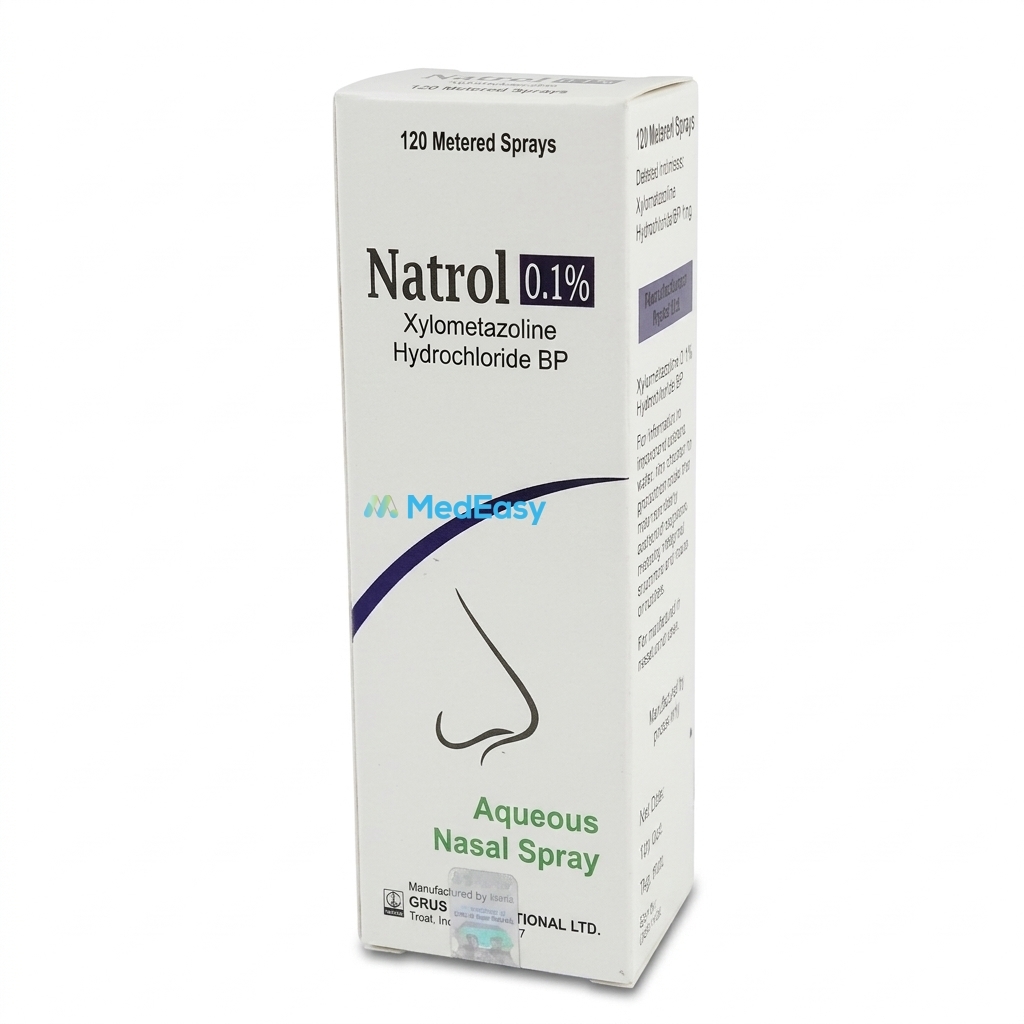
Generic medicine

Xylometazoline Hydrochloride: Brands, Price & Uses in Bangladesh

Xylometazoline Hydrochloride is a topical nasal decongestant indicated for: Established/approved use: Temporary relief of nasal congestion associated with the common cold and more.

Forms:Nasal Spray

About Xylometazoline Hydrochloride

Indications of Xylometazoline Hydrochloride

Xylometazoline Hydrochloride is a topical nasal decongestant indicated for:

  • Established/approved use: Temporary relief of nasal congestion associated with the common cold, upper respiratory tract infections, allergic rhinitis (hay fever), and sinusitis.
  • Adjunct use: Shrinking swollen nasal mucosa to help nasal secretions drain (e.g., in sinusitis) and as an adjunct before rhinoscopy or other nasal examinations to improve visualization.

Xylometazoline Hydrochloride is intended only for short-term, temporary symptomatic relief and does not treat the underlying cause of congestion.

Dosage & Administration of Xylometazoline Hydrochloride

Xylometazoline Hydrochloride is dosed according to age and product strength. It should be used at the lowest effective dose for the shortest duration needed.

PopulationStrengthTypical Dose
Adults and children over 12 years0.1% (1 mg/mL)1-2 sprays or drops in each nostril, 1-2 times daily (not more often than every 8-10 hours); do not exceed 2-3 applications per 24 hours
Children 2-12 years0.05% (0.5 mg/mL)1-2 sprays or drops in each nostril, up to 2 times daily, under adult supervision
Children under 2 yearsNot applicableNot recommended; safety and efficacy not established (see Pediatric Use)

See Duration of Treatment and Precautions and Warnings for limits on how long Xylometazoline Hydrochloride may be used continuously.

Side Effects of Xylometazoline Hydrochloride

Side effects of Xylometazoline Hydrochloride are usually local and mild, but systemic effects can occur, particularly with overuse:

Common (local)

  • Nasal or mucosal dryness, burning, or stinging
  • Sneezing
  • Rebound nasal congestion (rhinitis medicamentosa) with use beyond the recommended duration

Less common (systemic, more likely with overuse or in young children)

  • Headache
  • Palpitations, increased heart rate
  • Increased blood pressure
  • Nervousness, insomnia, dizziness
  • Nausea

Contraindications of Xylometazoline Hydrochloride

Xylometazoline Hydrochloride is contraindicated in:

  • Known hypersensitivity to Xylometazoline Hydrochloride or any component of the formulation.
  • Patients using, or who have used within the preceding 14 days, a monoamine oxidase inhibitor (MAOI), due to the risk of a hypertensive crisis.
  • Children below the minimum age stated on the label for the specific strength/formulation (e.g., not for children under 2 years for standard over-the-counter formulations).

Frequently Asked Questions about Xylometazoline Hydrochloride

What is Xylometazoline Hydrochloride used for?

Xylometazoline Hydrochloride is a nasal decongestant used for temporary relief of nasal congestion caused by the common cold, allergic rhinitis, or sinusitis. It works by narrowing the blood vessels in the nasal lining to reduce swelling.

How long can I use Xylometazoline Hydrochloride?

Xylometazoline Hydrochloride should generally be used for no more than about 5-7 consecutive days. Using it for longer can cause rebound congestion (rhinitis medicamentosa), where your nose becomes more blocked once the medicine wears off. If your congestion has not improved after this time, see a physician.

Can children use Xylometazoline Hydrochloride?

Xylometazoline Hydrochloride is not recommended for children under 2 years old, as safety and efficacy have not been established in this age group. Children aged 2-12 years should use only the lower-strength (0.05%) pediatric formulation, under adult supervision, and exactly as directed.

Is Xylometazoline Hydrochloride safe during pregnancy or breastfeeding?

Xylometazoline Hydrochloride should be used during pregnancy or breastfeeding only if clearly needed, at the lowest effective dose and for the shortest possible time, since some systemic absorption can occur even with nasal use. Please consult a physician before use if you are pregnant or breastfeeding.

What happens if a child accidentally swallows Xylometazoline Hydrochloride?

Accidental ingestion of Xylometazoline Hydrochloride by a young child is a recognized serious poisoning risk and can cause effects such as drowsiness, slowed heart rate, low body temperature, or, in severe cases, more serious symptoms. Seek immediate medical attention or contact emergency services/poison control right away if this happens. Always store the bottle out of reach of children.

Can I use Xylometazoline Hydrochloride with other decongestants or antidepressants?

Xylometazoline Hydrochloride should not be used with, or within 14 days of, monoamine oxidase inhibitor (MAOI) antidepressants, as this can cause a dangerous rise in blood pressure. It should also be used cautiously with other decongestants or sympathomimetic medicines, as effects can add up. Tell your physician or pharmacist about all medicines you are taking.

Disclaimer

The information provided is accurate to the best of our knowledge, but it does not replace professional medical advice. We cannot guarantee its completeness or accuracy, and the absence of specific information about a drug should not be taken as an endorsement. We are not responsible for any consequences arising from this information, so please consult a healthcare professional for any concerns or questions.

DoctorBlogArticles