
Generic medicine

Zonisamide: Brands, Price & Uses in Bangladesh

Zonisamide is an antiepileptic medicine used mainly to control certain types of seizures.

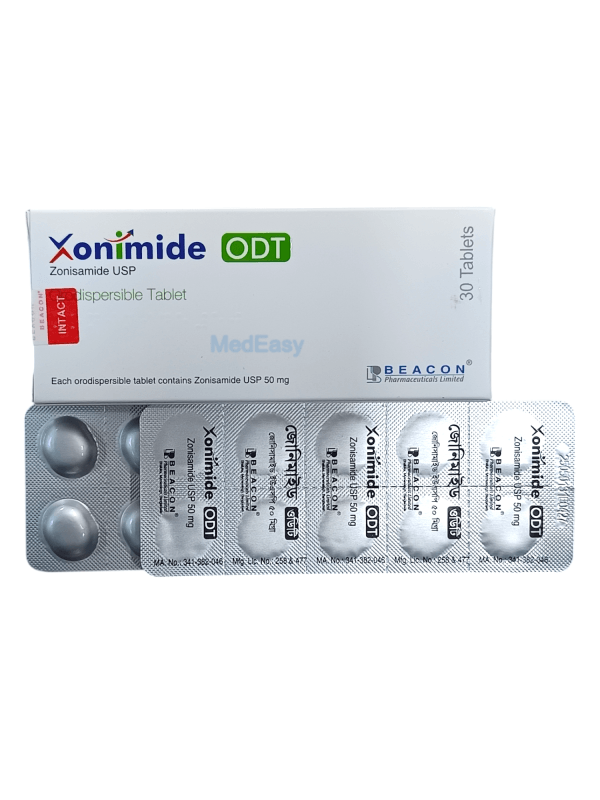
Forms:TabletCapsuleDispersible Tablet

About Zonisamide

Indications of Zonisamide

Zonisamide is an antiepileptic medicine used mainly to control certain types of seizures.

Established / FDA-approved use

  • Adjunctive (add-on) therapy in the treatment of partial-onset seizures in adults with epilepsy, used together with other antiepileptic drugs.

Off-label uses (not FDA-approved; used in select clinical settings based on limited evidence)

  • Migraine prophylaxis (off-label; based on smaller trials, generally considered a second-line option).
  • Adjunct for weight management in certain obesity or binge-eating contexts (off-label; not an approved weight-loss indication).

The decision to use Zonisamide for any indication should be individualized by a physician based on the patient's seizure type, response, and tolerability.

Dosage & Administration of Zonisamide

Adults (partial-onset seizures, adjunctive therapy)

StepDose
Initial100 mg once daily
TitrationMay be increased by 100 mg increments no more often than every 2 weeks, based on clinical response and tolerability
Usual maintenance range100-600 mg/day (once daily or divided twice daily)
Practical ceilingDoses above 400 mg/day have not been shown to provide substantially greater benefit in most patients and increase the risk of side effects

Pediatric use

Safety and efficacy of Zonisamide have not been established in children under 16 years for this indication in many markets; pediatric use should follow specific local product labeling and specialist guidance. See Use in Special Populations.

Renal or hepatic impairment

Zonisamide should be titrated more slowly and patients monitored more closely in renal or hepatic impairment, as clearance may be reduced. It is not recommended in patients with severe renal impairment (creatinine clearance below approximately 20 mL/min) unless closely supervised, due to increased drug exposure.

Side Effects of Zonisamide

Common side effects of Zonisamide (generally dose-related) include:

  • Somnolence (sleepiness) and fatigue
  • Dizziness and ataxia (unsteadiness)
  • Decreased appetite/anorexia
  • Agitation, irritability, or difficulty concentrating
  • Nausea and gastrointestinal upset
  • Headache

Serious but less common reactions (skin reactions, metabolic acidosis, kidney stones, mood/behavioral changes, eye symptoms) are described fully under Precautions and Warnings; contact a physician promptly if these occur.

Contraindications of Zonisamide

Zonisamide is contraindicated in patients with known hypersensitivity to Zonisamide or to sulfonamides, due to the risk of cross-reactive, potentially serious dermatologic and hematologic reactions (see Precautions and Warnings).

Frequently Asked Questions about Zonisamide

What is Zonisamide used for?

Zonisamide is mainly used as an add-on (adjunctive) treatment, alongside other antiepileptic medicines, to help control partial-onset seizures in adults with epilepsy.

Can I stop taking Zonisamide suddenly if I feel better?

No. Stopping Zonisamide abruptly can trigger seizures or a cluster of seizures. If treatment needs to be stopped or changed, your physician will taper the dose gradually.

Is Zonisamide safe during pregnancy?

Zonisamide can increase the risk of birth defects and should be used in pregnancy only if the benefit of seizure control clearly outweighs the risk, as advised by your physician. Do not stop Zonisamide on your own if you become pregnant - discuss it with your doctor first.

Why do I need blood tests while taking Zonisamide?

Zonisamide can lower blood bicarbonate levels, causing a condition called metabolic acidosis, and can rarely affect blood cells. Periodic monitoring, including serum bicarbonate, helps catch these effects early.

What should I do if I develop a skin rash while on Zonisamide?

Because Zonisamide is chemically related to sulfonamides, it can rarely cause serious skin reactions such as Stevens-Johnson syndrome. Stop Zonisamide and seek immediate medical attention if you notice a rash, blistering, mouth sores, or skin peeling.

Can children take Zonisamide?

Use in children depends on age and local approved labeling; safety and efficacy have not been established in very young children. Children taking Zonisamide need closer monitoring for reduced sweating, fever, and metabolic acidosis, particularly in hot weather.

Disclaimer

The information provided is accurate to the best of our knowledge, but it does not replace professional medical advice. We cannot guarantee its completeness or accuracy, and the absence of specific information about a drug should not be taken as an endorsement. We are not responsible for any consequences arising from this information, so please consult a healthcare professional for any concerns or questions.
DoctorBlogArticles