8% Off
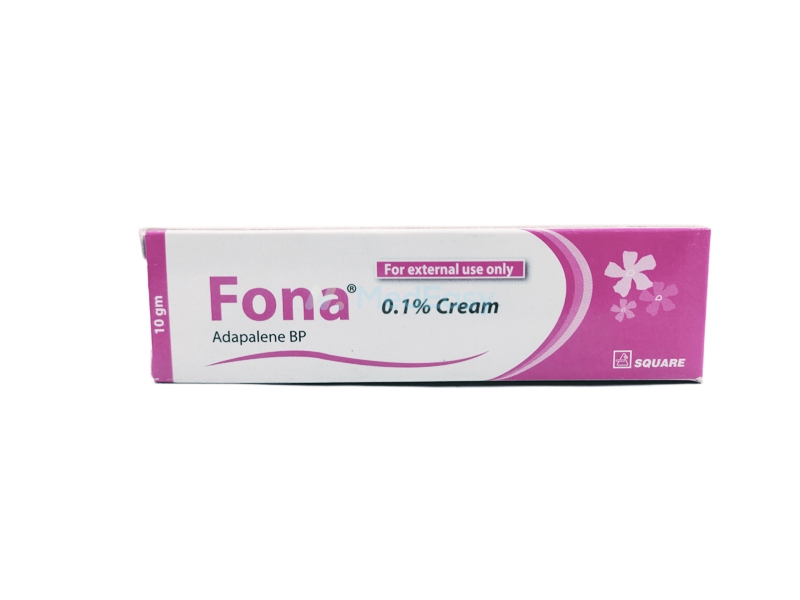
Fona0.1%
Square Pharmaceuticals PLC.
৳55.57
Add to cart

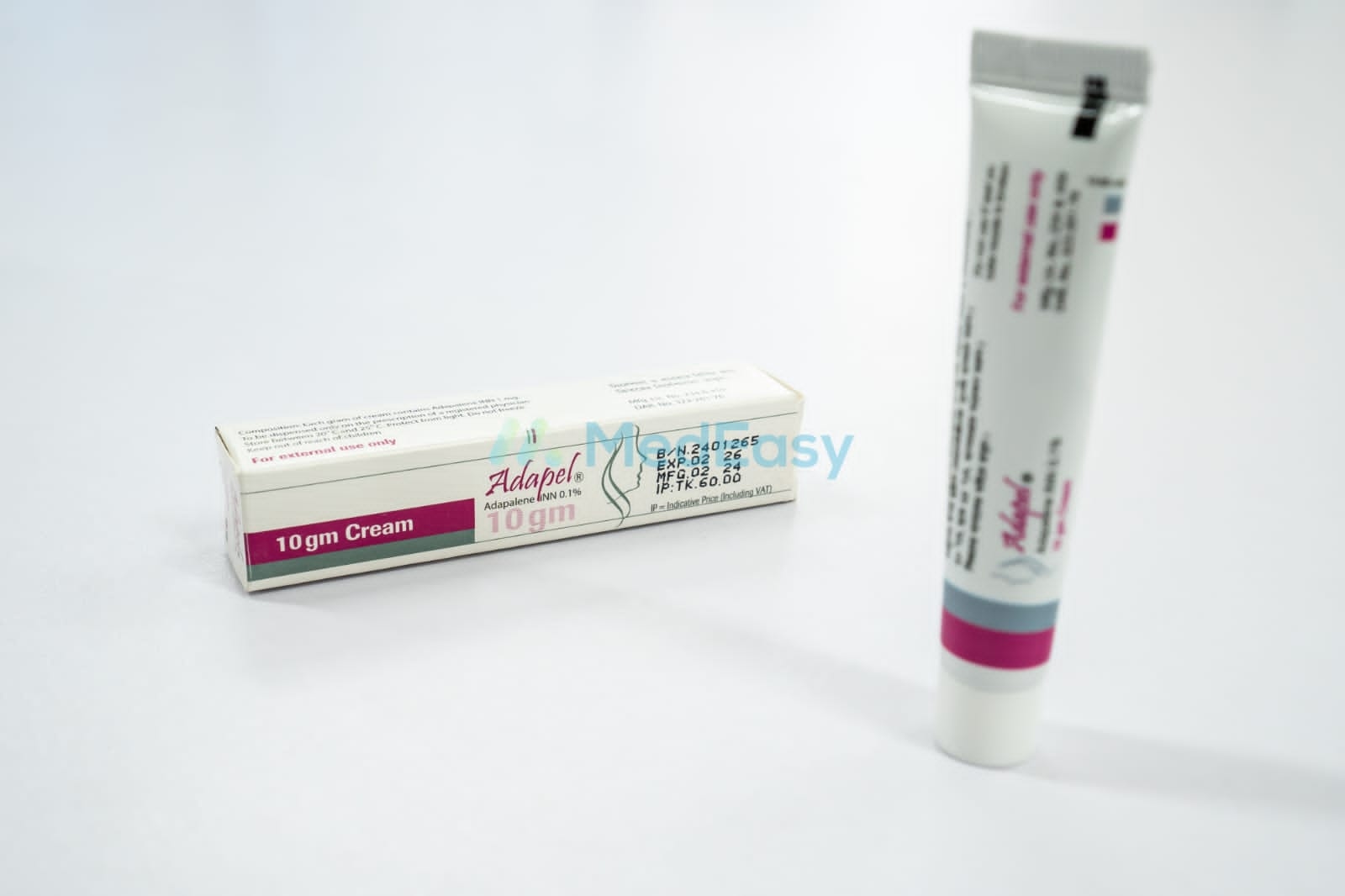
Aclene 0.1% Cream is available on MedEasy for ৳54.18 per 10 gm tube, with home delivery anywhere in Bangladesh. It is manufactured by Drug International Ltd. Its generic name is Adapalene.

Aclene is a topical retinoid indicated for the following use:
Aclene is commonly combined with benzoyl peroxide or topical/oral antibiotics as combination therapy for moderate to severe inflammatory acne, since it does not have significant antibacterial activity on its own. It is not indicated for any condition other than acne vulgaris, and it is not effective against cystic or nodular acne when used alone.
Each formulation typically contains Adapalene as the active ingredient at a strength of 0.1% or 0.3% w/w, formulated as a topical gel, cream, or lotion. Common inactive ingredients include carbomer, edetate disodium, methylparaben, poloxamer 182, propylene glycol, purified water, and other gel/cream base excipients (exact excipients vary by manufacturer and formulation).
Aclene is a third-generation synthetic topical retinoid (a naphthoic acid derivative) used primarily in dermatology for the treatment of acne vulgaris. Unlike older retinoids such as tretinoin, Aclene is chemically stable in light and in the presence of oxidizing agents such as benzoyl peroxide, allowing it to be combined with benzoyl peroxide in a single product.
Aclene is available as a topical gel, cream, or lotion, usually in 0.1% or 0.3% strength, and is applied once daily to affected areas of skin.
Aclene belongs to the therapeutic class of topical retinoids (anti-acne agents), used in dermatology for the management of acne vulgaris.
Adapalene is a retinoid-like compound that binds to specific retinoic acid nuclear receptors (RAR-beta and RAR-gamma) but not to cytosolic retinoic acid-binding protein. Through retinoic-acid-receptor binding, Adapalene normalizes the differentiation of follicular epithelial cells, resulting in decreased microcomedone formation. Adapalene also has anti-inflammatory and comedolytic properties: it inhibits chemotactic and chemokinetic responses of human polymorphonuclear leukocytes and inhibits lipoxygenase-dependent metabolism of arachidonic acid, which is thought to contribute to its anti-inflammatory activity in acne lesions.
Systemic absorption of Adapalene through intact skin is minimal following topical application. In studies using radiolabeled drug, plasma concentrations of Adapalene were below the limit of quantification, indicating very low systemic bioavailability with normal topical use.
| Indication | Dosage |
|---|---|
| Acne vulgaris | Apply a thin film of Aclene 0.1% or 0.3% gel/cream once daily to the entire affected area of clean, dry skin, typically in the evening. |
Aclene 0.1% gel is approved for use in patients 12 years of age and older for acne vulgaris; safety and efficacy in children under 12 years have not been established. Use in adolescents should be under guidance of a physician.
No dose adjustment is established or generally required for renal or hepatic impairment, given the minimal systemic absorption of topical Aclene.
Aclene is for topical use on the skin only. Cleanse and dry the affected area first. Apply a thin, even film over the entire affected area (not just individual spots), avoiding the eyes, lips, and mucous membranes. Use sunscreen and limit sun exposure during treatment, as Aclene can increase skin photosensitivity.
Because Aclene has minimal systemic absorption when applied topically, clinically significant systemic drug-drug interactions are unlikely. However, the following local/topical interactions are clinically relevant:
Aclene is chemically compatible with benzoyl peroxide (unlike some older retinoids) and is often formulated in fixed-dose combination products with it.
Adapalene is contraindicated in patients with known hypersensitivity to Adapalene or to any component of the formulation.
The most common adverse effects of topical Aclene are local skin reactions, particularly during the initial weeks of treatment ("retinization"):
An initial worsening of acne (increased redness or breakouts) is possible during the first 2-4 weeks of therapy as deeper microcomedones are brought to the surface; this is common and does not necessarily indicate treatment failure. Local skin irritation typically decreases with continued use as the skin adjusts. Severe irritation, blistering, or crusting should be reported to a physician.
Pregnancy: Aclene is a retinoid, and retinoids as a class are associated with concerns about teratogenicity, although systemic absorption from topical Aclene is much lower than with oral retinoids. Aclene should be used during pregnancy only if clearly needed and the potential benefit justifies the potential risk to the fetus. Discuss use with a physician before starting or continuing Aclene if pregnant or planning pregnancy.
Lactation: It is not known whether topically applied Aclene is excreted in human milk in clinically significant amounts. Caution should be exercised when Aclene is used by a breastfeeding woman; avoid applying to the chest/breast area to prevent direct infant contact, and consult a physician before use.
Topical Aclene is not intended for oral use. Excessive topical application does not speed clinical results and increases the risk of marked redness, peeling, or discomfort; if excessive local irritation occurs, discontinue use temporarily and consult a physician. If Aclene gel/cream is accidentally ingested in significant quantity, seek immediate medical attention or contact a poison control center; general supportive care may be indicated as directed by a physician or emergency services.
Store at room temperature (below 30°C), away from light and moisture. Keep the tube tightly closed after use. Keep out of reach of children.
Aclene is generally used as a long-term maintenance therapy for acne vulgaris. Visible improvement typically takes 8-12 weeks of consistent daily use, and treatment is often continued for several months for optimal results. Long-term use (months to years) under physician supervision is common for maintenance of clear skin. Do not stop treatment abruptly without consulting a physician, as acne may recur.
Adapalene belongs to the class of topical retinoids (naphthoic acid derivatives), a subclass of retinoid-like compounds used for the treatment of acne vulgaris.
Adapalene binds selectively to retinoic acid nuclear receptors (RAR-beta and RAR-gamma) in skin cells, modulating cellular differentiation, keratinization, and inflammatory processes. This normalizes the differentiation of follicular epithelial cells, reducing the formation of microcomedones (the precursor lesion of acne), and exerts anti-inflammatory effects by inhibiting neutrophil chemotaxis and lipoxygenase-mediated arachidonic acid metabolism. The net effect is a reduction in both comedonal and inflammatory acne lesions over time.
C
Aclene 0.1% gel/cream is approved for the topical treatment of acne vulgaris in patients 12 years of age and older. Safety and efficacy in children younger than 12 years have not been established, and use in this age group is not recommended without physician guidance. Adolescent patients should be counseled on proper application technique, sun protection, and the expected initial "purging" period, similar to adult patients.
Q: How long does it take for Aclene 0.1% Cream to work?
A: Most people notice initial improvement after 8-12 weeks of consistent daily use of Aclene 0.1% Cream. Acne may appear to worsen slightly in the first 2-4 weeks as it works on deeper, unseen blemishes — this is common and not a sign that Aclene 0.1% Cream is not working. Continue regular use unless a physician advises otherwise.
Q: Can I use Aclene 0.1% Cream during pregnancy?
A: Aclene 0.1% Cream should be used during pregnancy only if clearly needed and the potential benefit justifies the potential risk to the fetus, since retinoids as a class carry teratogenicity concerns. Always consult a physician before using Aclene 0.1% Cream if you are pregnant or planning to become pregnant.
Q: Why does my skin feel dry and irritated after starting Aclene 0.1% Cream?
A: Dryness, redness, peeling, and mild burning are common during the first few weeks of Aclene 0.1% Cream use, a process sometimes called 'retinization.' This usually improves as the skin adjusts. Using a gentle, non-comedogenic moisturizer and applying Aclene 0.1% Cream every other night initially can help reduce irritation.
Q: Can I use Aclene 0.1% Cream together with benzoyl peroxide or other acne treatments?
A: Aclene 0.1% Cream is chemically stable with benzoyl peroxide and is often used together with it or found in combination products. However, combining Aclene 0.1% Cream with other retinoids or strong exfoliating/peeling agents should be avoided unless specifically directed by a physician, due to the risk of additive skin irritation.
Q: Do I need to use sunscreen while using Aclene 0.1% Cream?
A: Yes. Aclene 0.1% Cream can make skin more sensitive to sunlight, increasing the risk of sunburn. Use a broad-spectrum sunscreen daily, wear protective clothing, and minimize prolonged sun exposure and tanning beds while using Aclene 0.1% Cream.
Q: Can Aclene 0.1% Cream be used by children?
A: Aclene 0.1% Cream 0.1% is approved for patients 12 years of age and older. Its safety and efficacy in children under 12 years have not been established, so it should not be used in younger children without specific physician guidance.
Disclaimer
The information provided is accurate to the best of our knowledge, but it does not replace professional medical advice. We cannot guarantee its completeness or accuracy, and the absence of specific information about a drug should not be taken as an endorsement. We are not responsible for any consequences arising from this information, so please consult a healthcare professional for any concerns or questions.