
10% Off
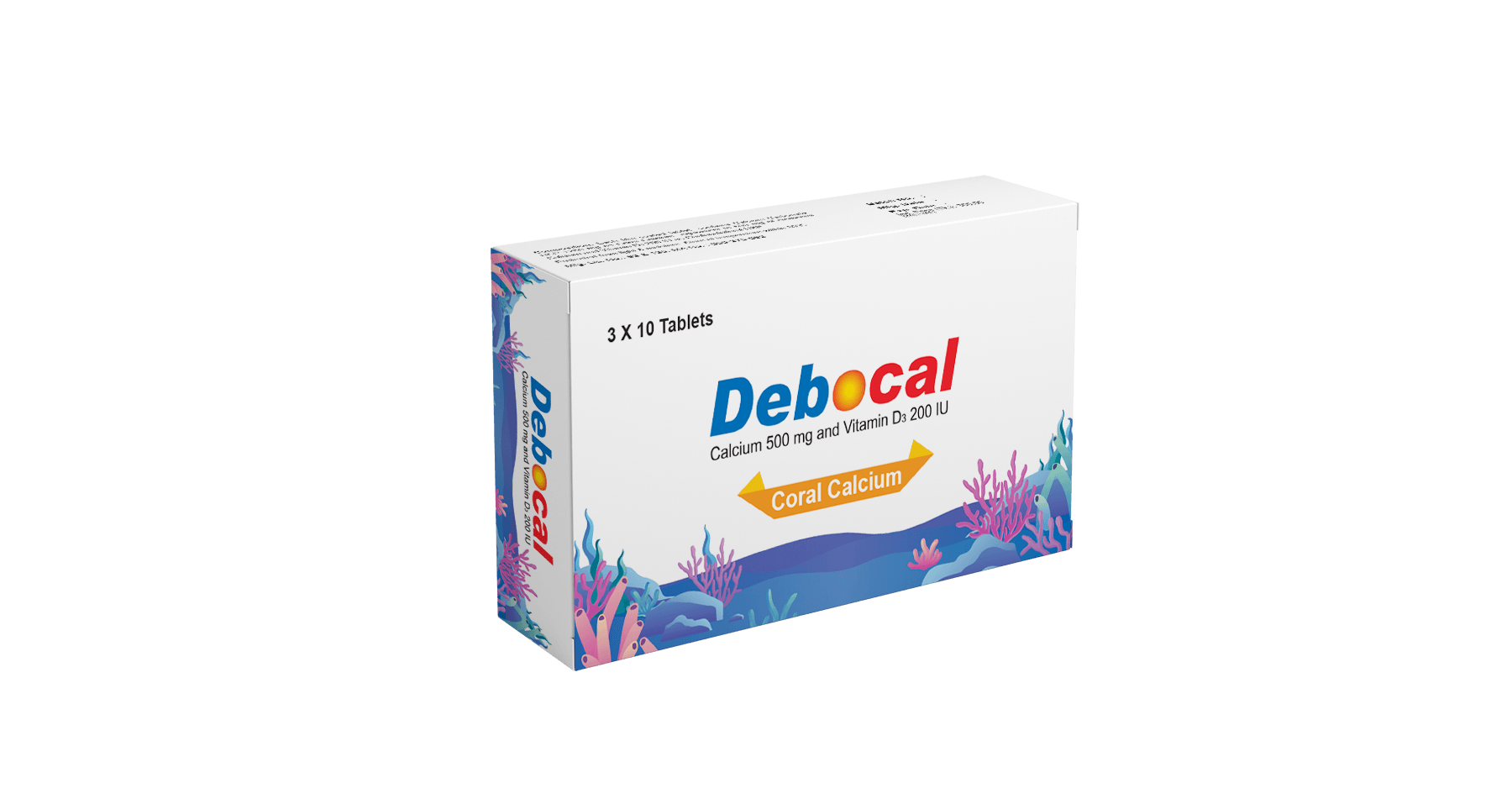
Debocal500 mg+200
Chemist Laboratories Ltd.
৳270.00
Add to cart


Calcin-D is indicated for the prevention and treatment of calcium and vitamin D deficiency, and to support bone mineralization when dietary intake is insufficient.
Calcin-D is not a substitute for disease-specific therapy in diagnosed metabolic bone disease and should be used as part of an overall treatment plan directed by a physician.
Elemental Calcium + Vitamin D3 is a combination nutritional supplement. Each dosage unit supplies a stated amount of elemental calcium (derived from a calcium salt such as calcium carbonate and/or calcium citrate) together with vitamin D3 (cholecalciferol).
Strength and the exact elemental calcium content per unit vary by brand and formulation (tablet, chewable tablet, or oral suspension); the label of the specific pack should always be checked for the exact elemental calcium (mg) and vitamin D3 (IU) content.
Calcin-D combines an essential mineral (calcium, expressed as elemental calcium) with vitamin D3, a fat-soluble vitamin that regulates calcium and phosphate metabolism. Calcium is the principal mineral component of bone and teeth and is required for normal muscle contraction, nerve conduction, and blood clotting. Vitamin D3 increases intestinal absorption of dietary calcium and phosphate and supports normal bone mineralization.
Calcin-D is widely used as an over-the-counter and physician-recommended supplement for maintaining bone health, particularly in populations with increased calcium/vitamin D requirements or reduced dietary intake, such as postmenopausal women, the elderly, and individuals with limited sun exposure.
Calcin-D belongs to the therapeutic class of mineral and vitamin supplements — specifically, calcium salts in combination with vitamin D and its analogues, used for bone metabolism and mineral homeostasis.
Mechanism: Elemental Calcium + Vitamin D3 works through the complementary actions of its two components.
By supplying both components together, Elemental Calcium + Vitamin D3 ensures that the ingested calcium is more efficiently absorbed and utilized than calcium given alone, particularly in individuals with suboptimal vitamin D status.
The exact dose of Calcin-D depends on the specific product strength (elemental calcium and vitamin D3 content per unit) and the indication. The lowest effective dose that meets daily requirements without exceeding the tolerable upper intake should be used.
| Indication / Population | Typical Dosing |
|---|---|
| Calcium/Vitamin D deficiency prevention (adults) | One tablet of Calcin-D once or twice daily, depending on elemental calcium content, to meet the recommended daily calcium (approx. 1000-1200 mg) and vitamin D (approx. 600-800 IU) intake from all sources. |
| Osteoporosis adjunct (postmenopausal women, elderly) | Calcin-D one to two tablets daily in divided doses, in combination with prescribed osteoporosis therapy, as directed by a physician. |
| Pregnancy/lactation (deficiency only) | As advised by the treating physician; see Pregnancy and Lactation section. |
| Renal impairment | Use with caution; dose and monitoring individualized by a physician (see Precautions). |
Calcin-D is taken orally, preferably with or after meals to enhance calcium absorption and reduce gastrointestinal discomfort. Chewable formulations should be chewed thoroughly; tablets/capsules should be swallowed with a glass of water. Doses should be spaced apart from other medicines that interact with calcium (see Interactions).
Calcin-D should be taken by mouth, preferably with meals to improve calcium absorption and minimize stomach upset. Chewable tablets must be chewed completely before swallowing; conventional tablets should be swallowed whole with water. If more than one dose per day is prescribed, doses should be spaced through the day rather than taken together, and separated by at least 2 hours from medicines known to interact with calcium.
Calcin-D should be used cautiously with the following medicines due to clinically significant interactions:
Elemental Calcium + Vitamin D3 is contraindicated in patients with:
Conditions such as a history of calcium-containing kidney stones warrant caution rather than absolute avoidance; see Precautions and Warnings.
Calcin-D is generally well tolerated at recommended doses. Reported adverse effects include:
Patients should seek medical advice if persistent gastrointestinal symptoms occur or if symptoms suggestive of hypercalcemia develop while taking Calcin-D.
Calcium and vitamin D are required in increased amounts during pregnancy and lactation, and Calcin-D may be recommended by a physician when dietary intake is insufficient. However, doses should not exceed the recommended daily allowance for pregnant or lactating women, since excessive maternal vitamin D or calcium intake has been associated with risks to the mother and fetus/infant (including hypercalcemia).
Calcin-D should be used during pregnancy and lactation only if clearly needed and the recommended dose is not exceeded; use should be under medical supervision, with the potential benefit weighed against any potential risk. Patients should consult their physician before starting or continuing Calcin-D during pregnancy or breastfeeding.
Overdose or prolonged excessive intake of Calcin-D can cause hypercalcemia and hypervitaminosis D, with symptoms such as nausea, vomiting, constipation, abdominal pain, excessive thirst, frequent urination, muscle weakness, confusion, and, in severe cases, cardiac arrhythmias or kidney injury.
If overdose of Calcin-D is suspected, discontinue the product and seek immediate medical attention or contact a poison control center/emergency services. Management is supportive and should be carried out by qualified medical personnel; do not attempt specific home treatment.
Store at room temperature (below 30°C), away from light and moisture. Keep out of reach of children.
Duration of Calcin-D therapy depends on the indication: for correction of confirmed calcium or vitamin D deficiency, treatment is usually continued for several weeks to a few months with reassessment of levels; when used as an adjunct in osteoporosis prevention or treatment, Calcin-D is typically continued long-term, for as long as the underlying risk factors persist and as directed by the treating physician.
Elemental Calcium + Vitamin D3 falls under the drug/supplement classes: Mineral supplements (calcium salts) and Vitamin D analogues/derivatives, used in combination for bone and mineral metabolism.
Elemental Calcium + Vitamin D3 acts by supplying elemental calcium, the principal mineral required for bone matrix mineralization and for normal neuromuscular and cardiac function, together with vitamin D3, which is converted in the body to its active hormonal form and thereby increases intestinal absorption of calcium and phosphate, promotes renal calcium reabsorption, and supports coordinated bone remodeling with parathyroid hormone.
Calcin-D may be used in children and adolescents for the prevention or treatment of dietary calcium and vitamin D deficiency, using age-appropriate formulations (e.g., chewable tablets) and weight/age-based dosing as recommended by a pediatrician.
Safety and efficacy of specific Calcin-D products have not been established for all pediatric age groups and strengths; the product label and a pediatrician's guidance should be followed. Doses should not exceed age-appropriate recommended daily allowances for calcium and vitamin D, as excessive intake in children can also cause hypercalcemia.
Q: What is Calcin-D 500 mg+200 IU Tablet used for?
A: Calcin-D 500 mg+200 IU Tablet is used to prevent and treat calcium and vitamin D deficiency and to support bone health, including as an adjunct in the prevention and treatment of osteoporosis.
Q: How should I take Calcin-D 500 mg+200 IU Tablet?
A: Calcin-D 500 mg+200 IU Tablet should be taken by mouth, preferably with meals, at the dose recommended by your physician or pharmacist based on the product strength. Chewable tablets should be chewed thoroughly, and doses should be spaced through the day if more than one dose is prescribed.
Q: Can I take Calcin-D 500 mg+200 IU Tablet during pregnancy or while breastfeeding?
A: Calcin-D 500 mg+200 IU Tablet may be used during pregnancy and lactation only if clearly needed and the recommended dose is not exceeded, since higher doses can pose risks to the mother and baby. Always consult your physician before use.
Q: What are the common side effects of Calcin-D 500 mg+200 IU Tablet?
A: The most common side effects of Calcin-D 500 mg+200 IU Tablet are mild gastrointestinal symptoms such as constipation, bloating, and gas. Excessive or prolonged intake can cause hypercalcemia, with symptoms like nausea, thirst, and muscle weakness.
Q: Who should not take Calcin-D 500 mg+200 IU Tablet?
A: Calcin-D 500 mg+200 IU Tablet should not be used by people with hypercalcemia, hypervitaminosis D, or known hypersensitivity to calcium salts or vitamin D3. People with kidney disease or a history of calcium kidney stones should use it only under medical supervision.
Q: Can Calcin-D 500 mg+200 IU Tablet be taken with other medicines?
A: Calcin-D 500 mg+200 IU Tablet can reduce the absorption of certain medicines such as bisphosphonates, tetracycline/fluoroquinolone antibiotics, and thyroid hormone, so these should be taken several hours apart from Calcin-D 500 mg+200 IU Tablet. It can also increase the risk of high calcium levels when combined with thiazide diuretics or other calcium/vitamin D products. Tell your doctor about all medicines you take.
Disclaimer
The information provided is accurate to the best of our knowledge, but it does not replace professional medical advice. We cannot guarantee its completeness or accuracy, and the absence of specific information about a drug should not be taken as an endorsement. We are not responsible for any consequences arising from this information, so please consult a healthcare professional for any concerns or questions.
