10% Off
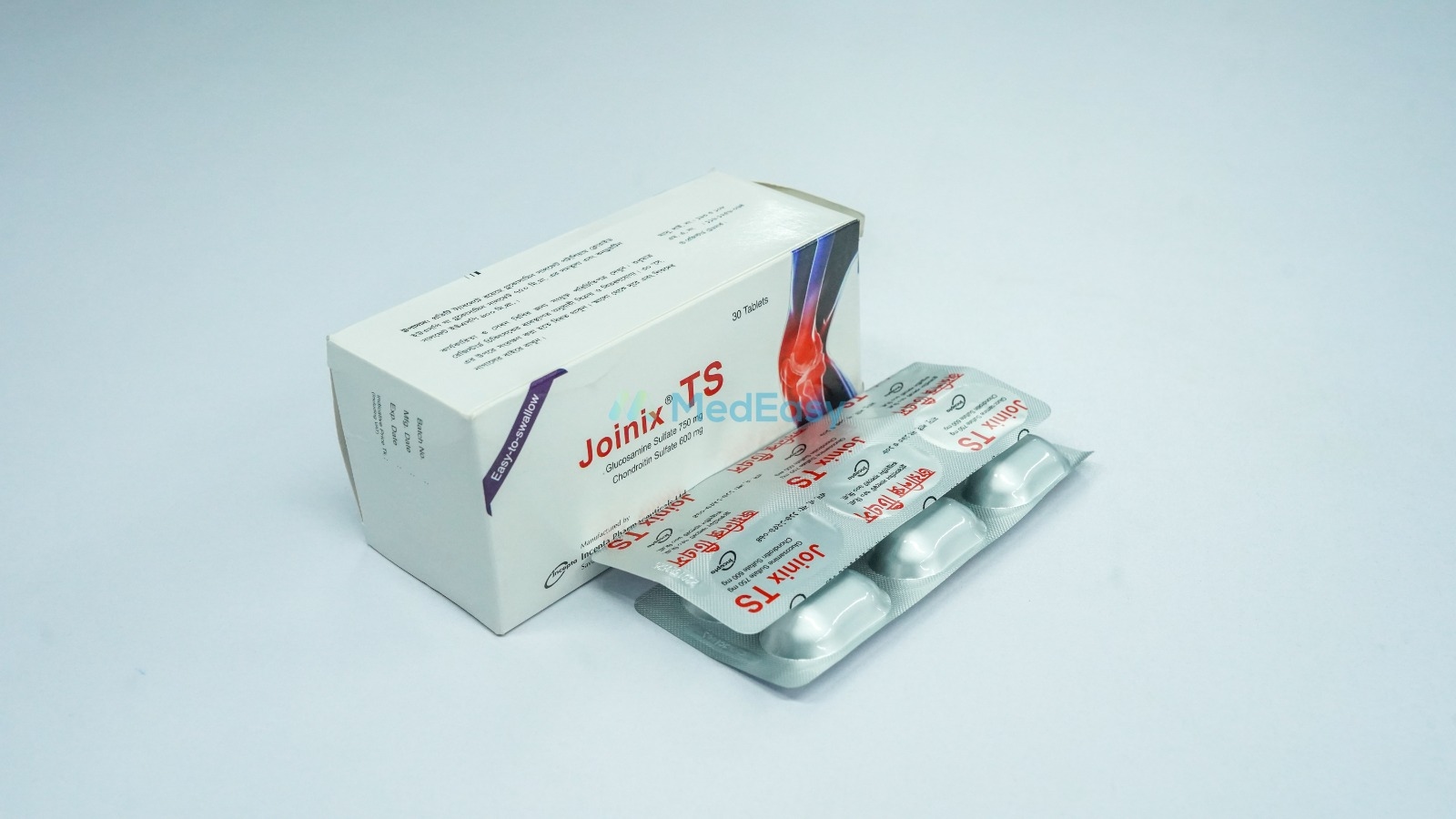
Joinix Plus
Incepta Pharmaceuticals Ltd.
৳90.00
Add to cart
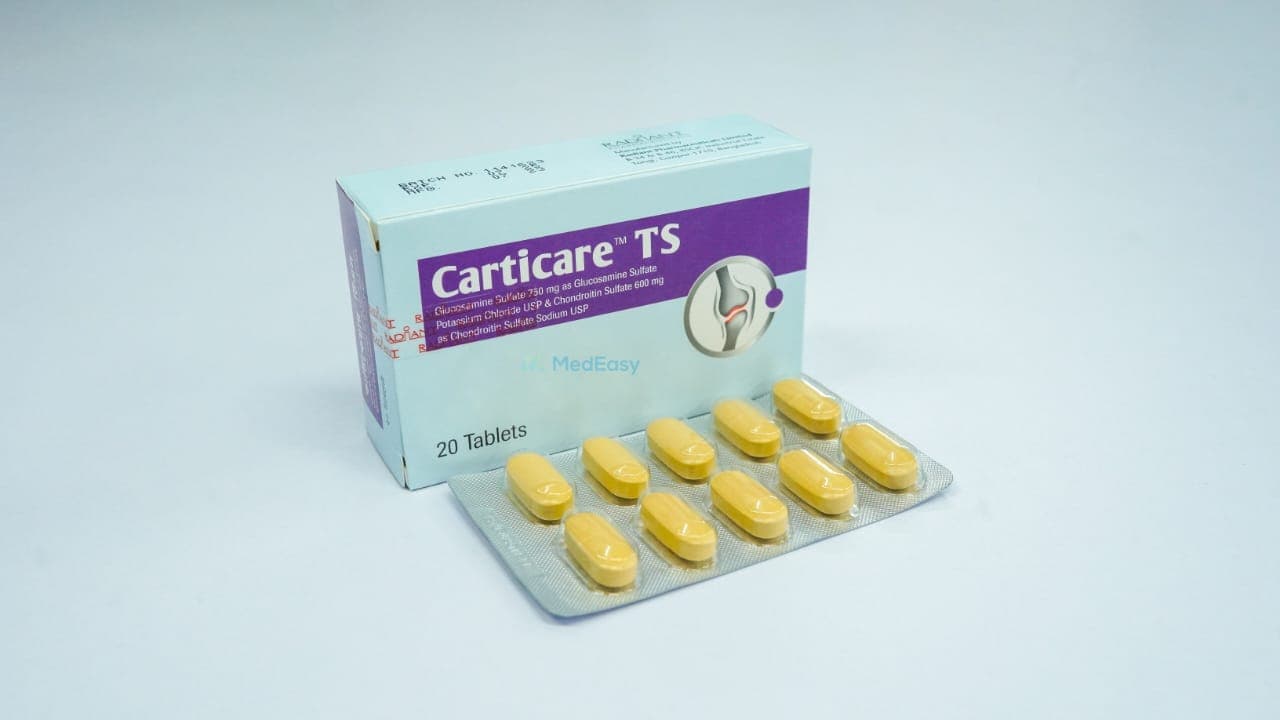
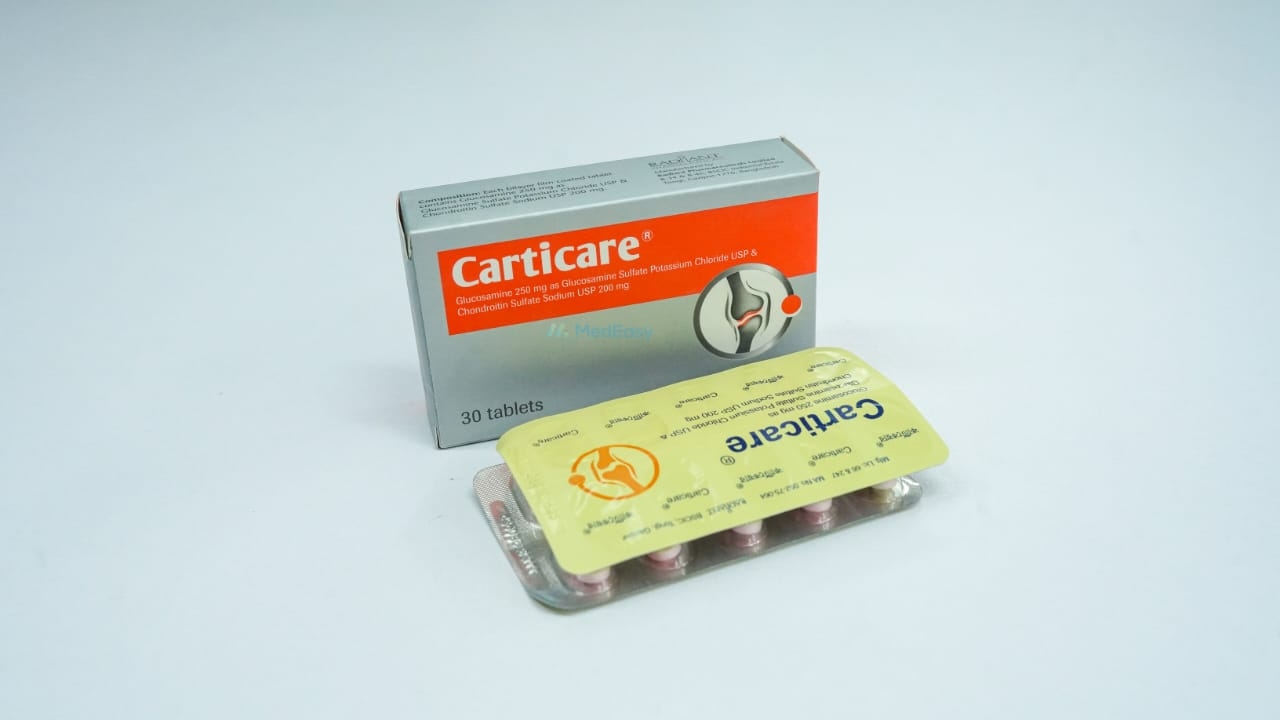
Carticare TS Tablet is available on MedEasy for ৳353.40 per 10's Strip, with home delivery anywhere in Bangladesh. It is manufactured by Radiant Pharmaceuticals Ltd. Its generic name is Glucosamine + Chondroitin.

Carticare TS is a combination nutritional/dietary supplement most commonly used for the symptomatic relief of joint pain and stiffness associated with osteoarthritis, particularly of the knee, hip, and hand.
Carticare TS is not FDA-approved as a drug for any indication in the United States (it is regulated as a dietary supplement there); claims regarding rheumatoid arthritis, sports injury recovery, or other conditions are not well supported by robust evidence and should not be relied upon as primary therapy.
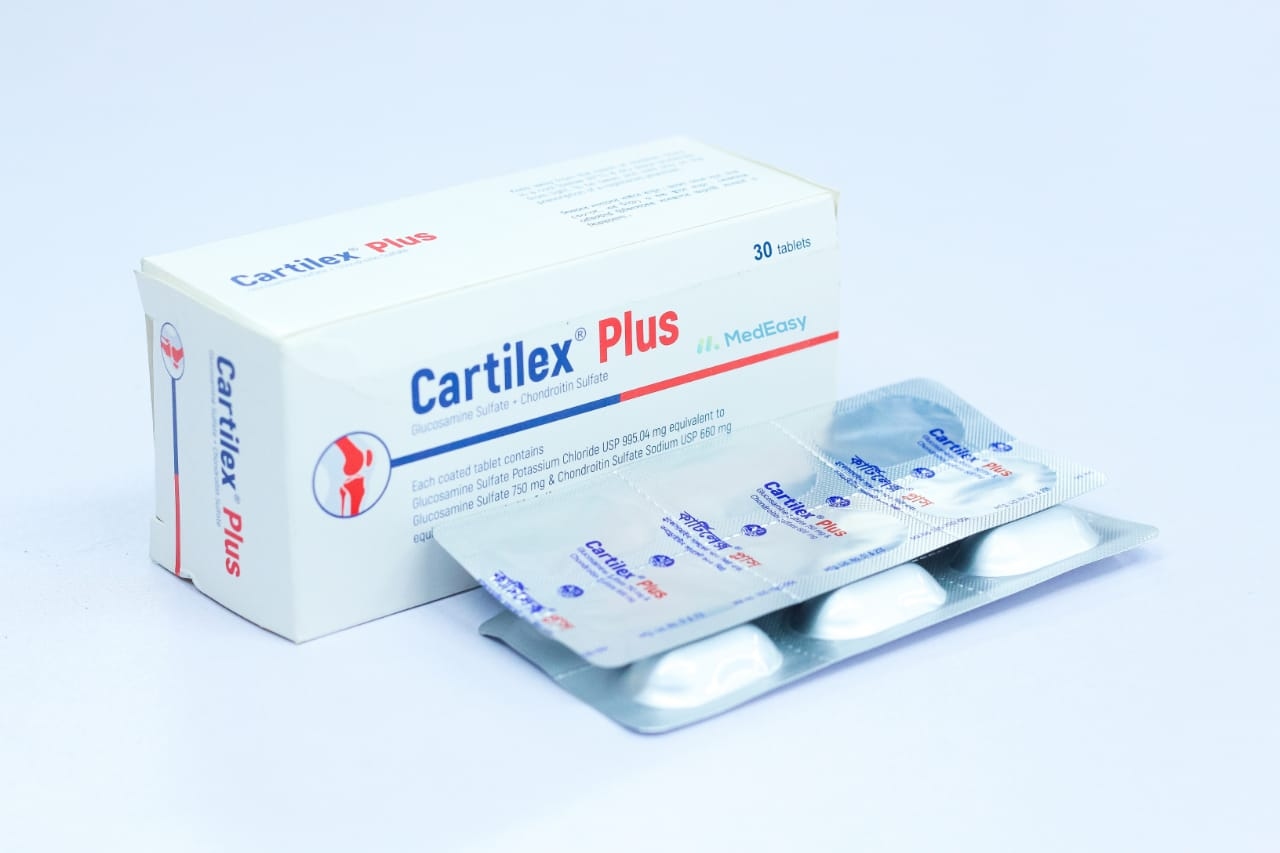
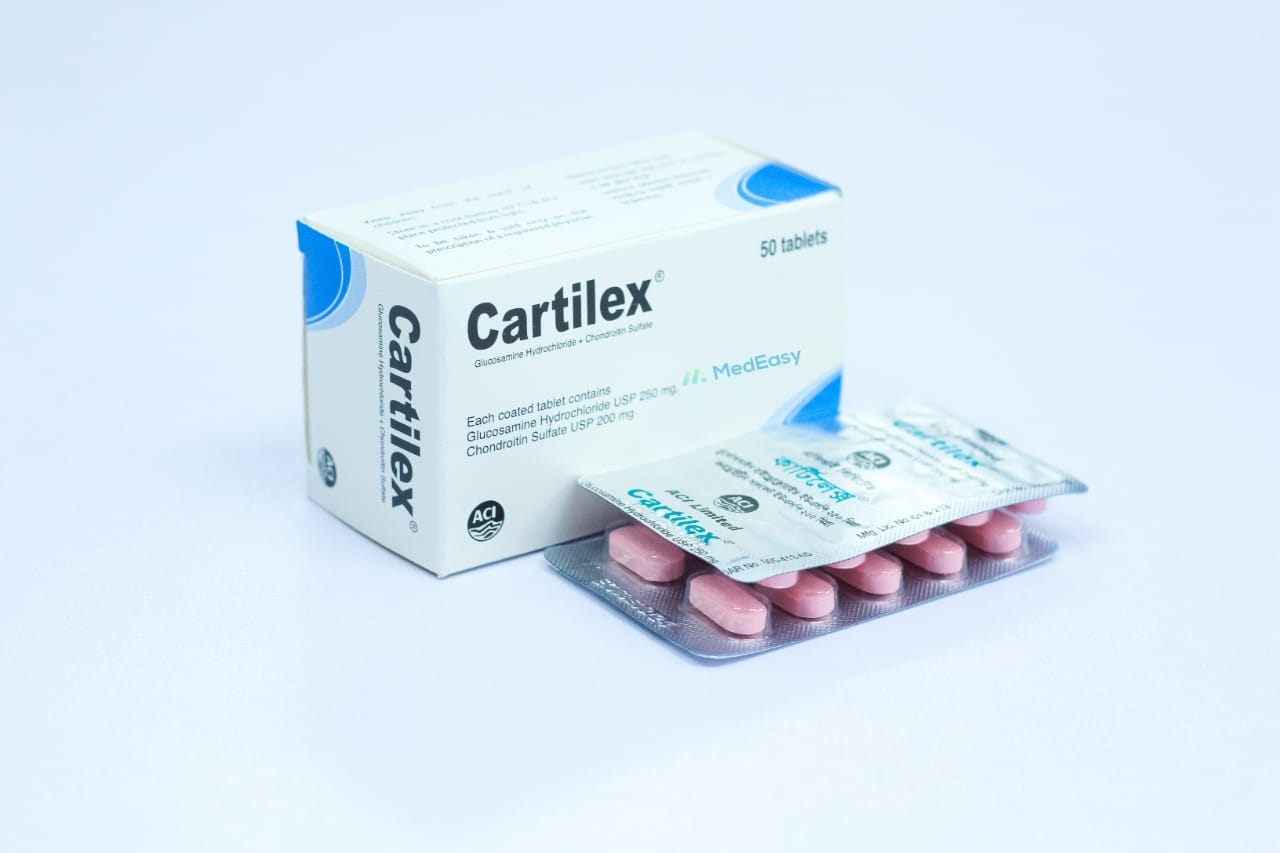
Glucosamine + Chondroitin is a combination product typically containing Glucosamine (as glucosamine sulfate or glucosamine hydrochloride) and Chondroitin (as chondroitin sulfate), supplied as oral tablets or capsules in various strength combinations (e.g. 250 mg/200 mg or 750 mg/600 mg).
Carticare TS is an oral combination nutraceutical/dietary-supplement preparation used mainly for supportive management of osteoarthritis-related joint symptoms. Glucosamine is an amino-sugar naturally found in cartilage, and chondroitin sulfate is a glycosaminoglycan that is a structural component of cartilage. When combined, they are marketed under the concept that they support cartilage structure and may reduce joint pain, although the strength of clinical evidence for meaningful disease benefit is modest and inconsistent across studies.
Carticare TS belongs to the class of agents sometimes referred to as SYSADOA (Symptomatic Slow-Acting Drugs for Osteoarthritis), and is classified as a joint-health nutritional/dietary supplement combination rather than a conventional pharmaceutical drug.
Glucosamine + Chondroitin combines two naturally occurring cartilage constituents with proposed complementary mechanisms:
Onset of any symptomatic benefit from Glucosamine + Chondroitin, when present, is typically gradual, developing over several weeks of regular use rather than providing immediate analgesia.
Dosing of Carticare TS varies by product strength and is usually given in divided doses with meals to reduce gastrointestinal upset. See Dosage and Administration below for details.
Carticare TS is administered orally, generally taken with food to minimize gastrointestinal discomfort. Tablets should be swallowed whole with a glass of water; total daily dose is often split into two or three divided doses. Consistent daily use for at least 4-8 weeks is usually needed before any symptomatic benefit can be assessed.
The following interactions with Carticare TS are clinically relevant:
Patients should inform their physician of all prescription, over-the-counter, and herbal products being taken alongside Carticare TS.
Glucosamine + Chondroitin is contraindicated in patients with known hypersensitivity to glucosamine, chondroitin, or any component of the formulation. Because glucosamine in many products is derived from shellfish (crustacean) exoskeletons, Glucosamine + Chondroitin should not be used by patients with a known shellfish allergy unless the product is confirmed to be from a non-shellfish (e.g. synthetic or fungal) source.
Carticare TS is generally well tolerated. Reported side effects include:
Patients should seek prompt medical attention for signs of an allergic reaction (rash, swelling, difficulty breathing) or unusual bleeding while taking Carticare TS.
Data on the safety of Carticare TS in pregnancy and lactation are insufficient. As a precaution, Carticare TS should be avoided during pregnancy and breastfeeding unless specifically advised by a physician; use only if clearly needed and the potential benefit justifies the potential risk, and only after consulting a physician.
Reports of significant toxicity from Carticare TS overdose are limited; accidental excess intake is most likely to cause exaggerated gastrointestinal effects (nausea, vomiting, diarrhea, abdominal pain). If overdose of Carticare TS is suspected, seek immediate medical attention or contact a poison control center/emergency services; do not attempt specific home treatment.
Store at room temperature (below 30°C), away from light and moisture. Keep out of reach of children.
A trial period of at least 4-8 weeks of consistent daily Carticare TS use is generally recommended before assessing symptomatic benefit. If no meaningful improvement in joint pain or function is noted after 2-3 months, continued use of Carticare TS should be reassessed with a physician. Longer-term use of Carticare TS (up to 1-2 years) has been studied for safety in some clinical trials, but ongoing use should periodically be reviewed with a healthcare provider.
Glucosamine + Chondroitin is classified as a Symptomatic Slow-Acting Drug for Osteoarthritis (SYSADOA) / joint-health nutraceutical combination (glucosamine + chondroitin sulfate).
Glucosamine + Chondroitin is thought to act through two complementary pathways: glucosamine serves as a substrate for glycosaminoglycan/proteoglycan synthesis supporting cartilage matrix formation, while chondroitin sulfate is proposed to inhibit cartilage-degrading enzymes (matrix metalloproteinases) and exert mild anti-inflammatory activity, together potentially slowing cartilage breakdown and modestly reducing joint symptoms in some patients.
The safety and efficacy of Carticare TS have not been established in pediatric patients, and pediatric osteoarthritis is uncommon. Carticare TS is therefore not recommended for use in children unless specifically directed by a physician for a distinct, evaluated indication.
Q: What is Carticare TS Tablet used for?
A: Carticare TS Tablet is a combination dietary supplement mainly used to help relieve joint pain and stiffness associated with osteoarthritis, especially of the knee and hip. It is used as a supportive/adjunct measure rather than a first-line or curative treatment.
Q: How long does Carticare TS Tablet take to work?
A: Any symptomatic benefit from Carticare TS Tablet typically develops gradually over 4-8 weeks of regular daily use; it is not a fast-acting pain reliever.
Q: Can I take Carticare TS Tablet if I am allergic to shellfish?
A: Caution is needed. Glucosamine in many Carticare TS Tablet products is derived from shellfish shells, so patients with shellfish allergy should confirm the source of glucosamine in their specific product or choose a non-shellfish-derived formulation, and should avoid Carticare TS Tablet if there is any doubt, given the risk of hypersensitivity reaction.
Q: Is Carticare TS Tablet safe with blood thinners like warfarin?
A: Carticare TS Tablet may increase the effect of anticoagulants such as warfarin or heparin, raising the risk of bleeding and elevated INR. Patients on anticoagulant therapy should use Carticare TS Tablet only under close medical supervision with more frequent INR monitoring.
Q: Can diabetics take Carticare TS Tablet?
A: Carticare TS Tablet has a theoretical potential to affect blood sugar control, so diabetic patients should monitor their blood glucose more closely while taking Carticare TS Tablet and inform their physician they are using it.
Q: Is Carticare TS Tablet safe during pregnancy or breastfeeding?
A: Safety data for Carticare TS Tablet in pregnancy and breastfeeding are insufficient. It should be avoided unless a physician specifically advises its use, with the potential benefit clearly justifying any potential risk.
Disclaimer
The information provided is accurate to the best of our knowledge, but it does not replace professional medical advice. We cannot guarantee its completeness or accuracy, and the absence of specific information about a drug should not be taken as an endorsement. We are not responsible for any consequences arising from this information, so please consult a healthcare professional for any concerns or questions.