10% Off
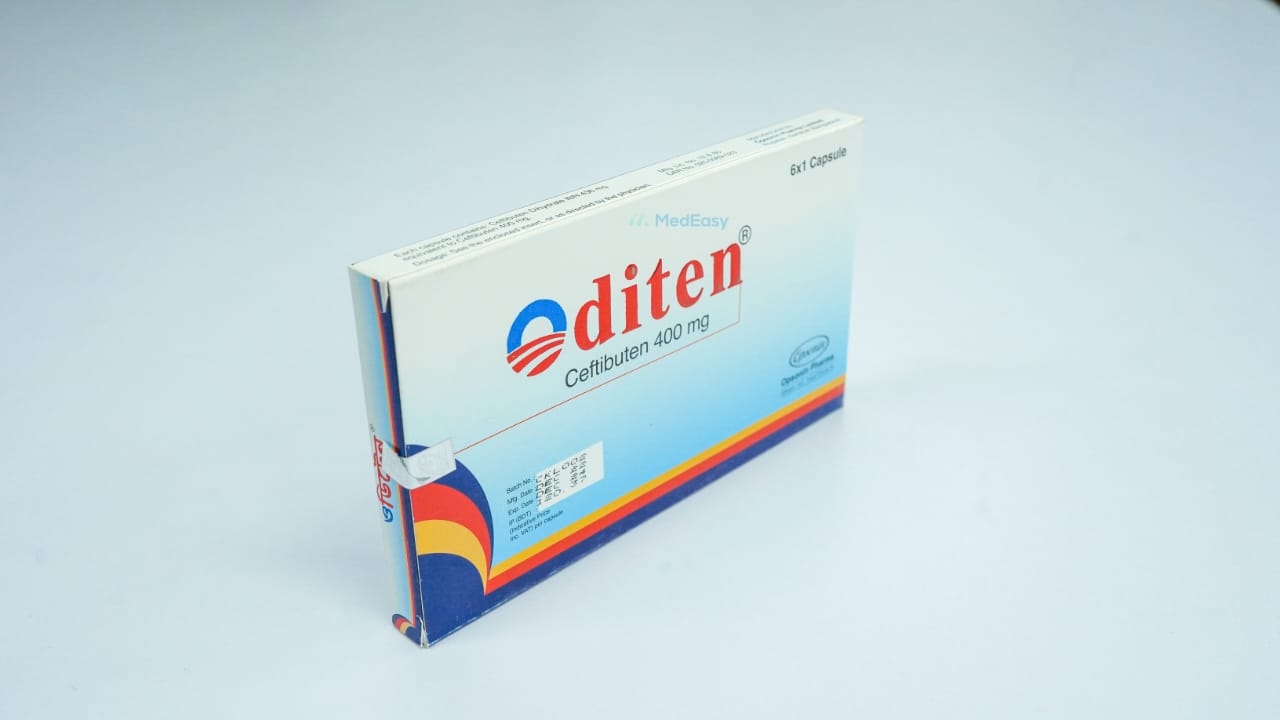
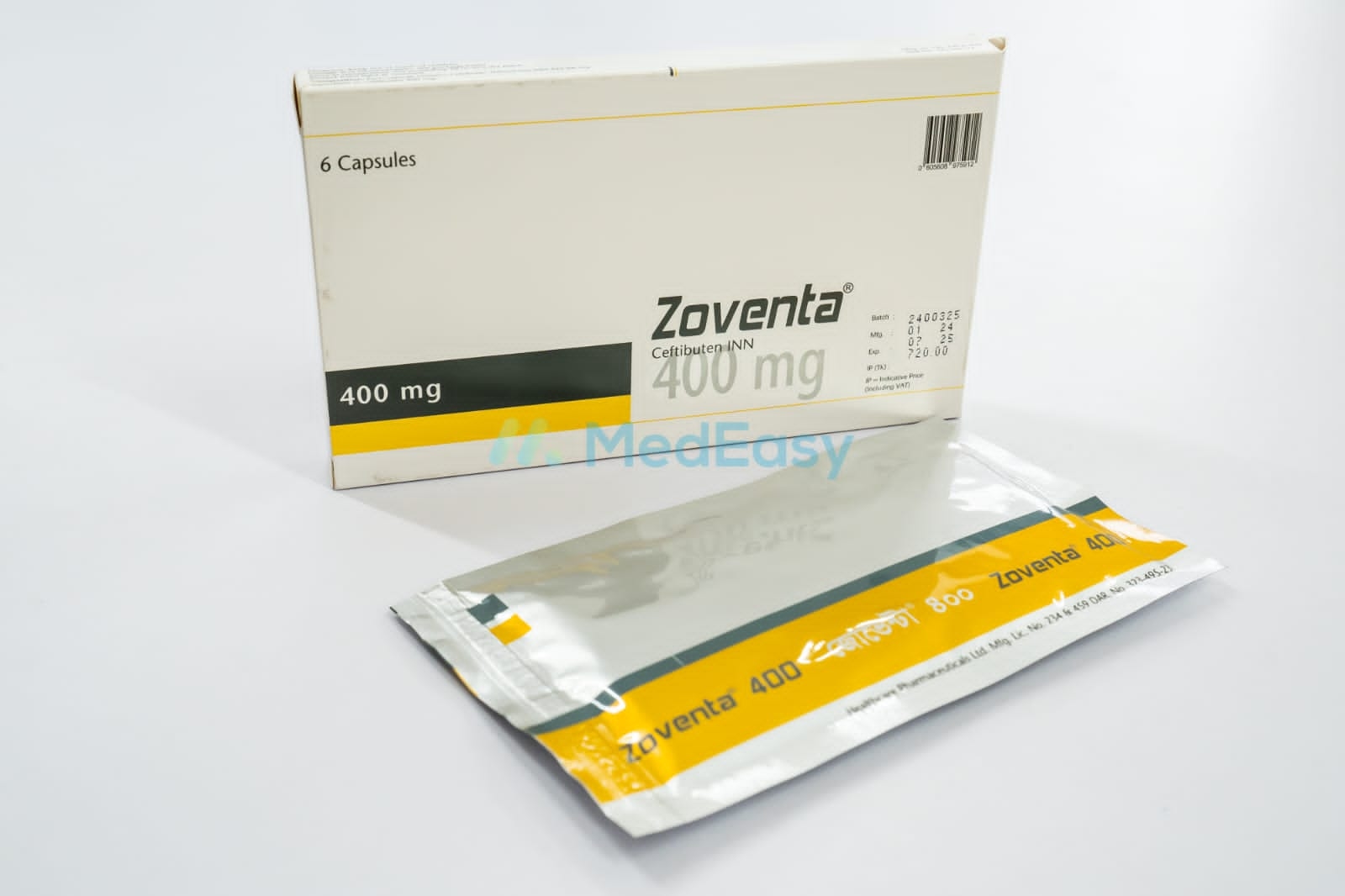
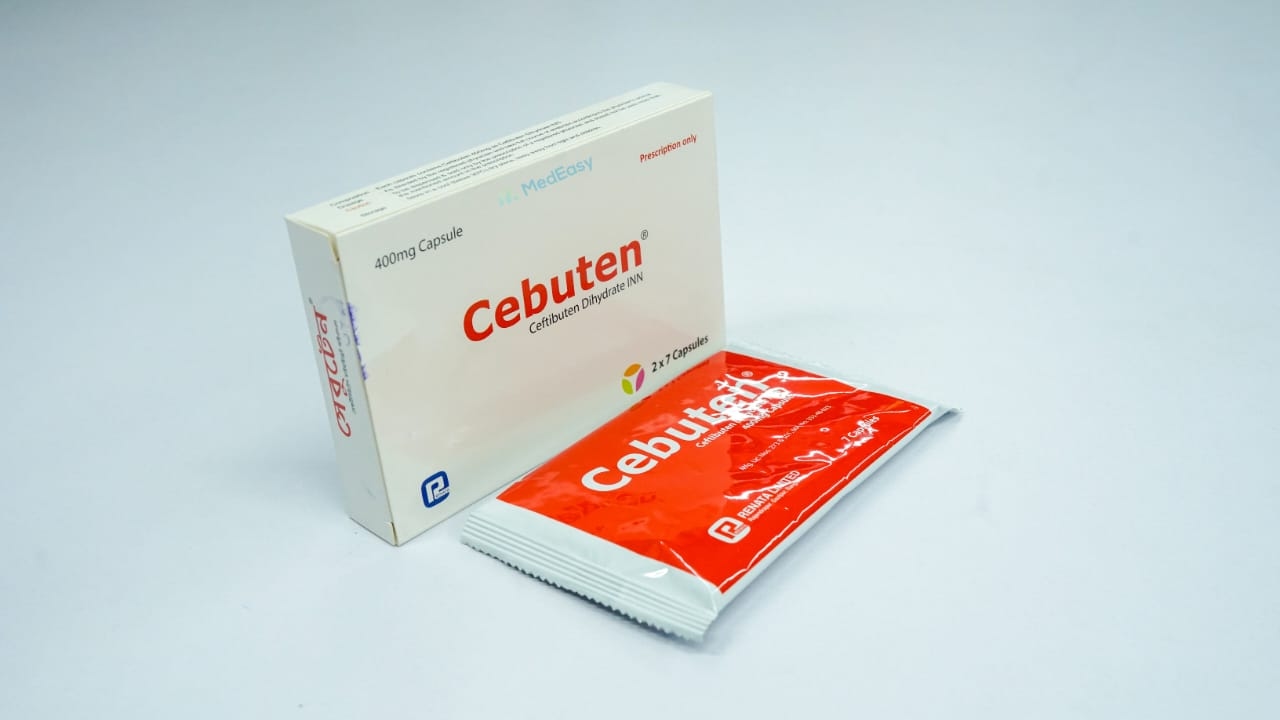
Cebuten400 mg
Renata Limited
৳108.00
Add to cart

Cefamax 400 mg Capsule is available on MedEasy for ৳432.00 per 4's Strip, with home delivery anywhere in Bangladesh. It is manufactured by Incepta Pharmaceuticals Ltd. Its generic name is Ceftibuten Dihydrate.

Cefamax is indicated for the treatment of mild-to-moderate infections caused by susceptible strains of the designated microorganisms in the conditions listed below:
Cefamax is not reliably effective against penicillin-resistant strains of Streptococcus pneumoniae. Whenever possible, culture and susceptibility testing should guide the decision to use Cefamax, and it should be reserved for infections proven or strongly suspected to involve susceptible organisms, consistent with antibiotic stewardship principles.
Cefamax is a third-generation oral cephalosporin antibiotic used only for bacterial infections. Cefamax is not effective against viral infections such as the common cold or influenza (flu).
Each dose of Ceftibuten Dihydrate provides ceftibuten (as ceftibuten dihydrate) as the active ingredient. Ceftibuten Dihydrate is marketed in Bangladesh as capsules of 200 mg and 400 mg, and as an oral powder for suspension that provides 90 mg/5 mL after reconstitution.
Cefamax is an oral antibiotic belonging to the third-generation cephalosporin class. It works by preventing certain bacteria from building their protective cell walls, which kills the bacteria responsible for an infection. Healthcare professionals prescribe Cefamax for specific respiratory, ear, and throat infections — such as flare-ups of chronic bronchitis, acute middle-ear infections, and pharyngitis/tonsillitis — when these are caused by bacteria known to respond to Cefamax. Cefamax does not treat viral illnesses such as the common cold or flu. Cefamax should only be used exactly as directed by a qualified healthcare professional.
Antibiotic (Third-Generation Oral Cephalosporin)
Ceftibuten Dihydrate is a semi-synthetic, third-generation cephalosporin taken by mouth. After oral administration, Ceftibuten Dihydrate is well absorbed from the gastrointestinal tract, although food (particularly a high-fat meal) can reduce and delay its absorption, which is why it is generally taken apart from meals. Ceftibuten Dihydrate is eliminated largely unchanged by the kidneys, so its clearance from the body depends on kidney function and doses must be adjusted in patients with reduced renal function. Ceftibuten Dihydrate is also stable against breakdown by many bacterial beta-lactamase enzymes, which contributes to its activity against beta-lactamase-producing strains of Haemophilus influenzae and Moraxella catarrhalis.
The dose, formulation, and duration of Cefamax are determined by a qualified healthcare professional based on the specific infection being treated, the patient's age and body weight, kidney function, and local susceptibility patterns; the information below is general reference information and is not a universal regimen or a substitute for individualized medical advice. Cefamax is typically taken once daily, ideally at least 2 hours before or 1 hour after a meal.
Ceftibuten Dihydrate is contraindicated in patients with a known history of hypersensitivity (allergic reaction) to Ceftibuten Dihydrate or to any other cephalosporin-class antibiotic.
Animal reproduction studies with Cefamax have not shown evidence of harm to the fetus, but adequate and well-controlled studies in pregnant women are lacking. Cefamax should be used during pregnancy only if a qualified healthcare professional determines that the potential benefit justifies the potential risk.
It is not known whether Cefamax passes into human breast milk. Caution is advised, and a healthcare professional should be consulted before using Cefamax while breastfeeding.
Specific human overdose data for Cefamax are limited. As with other cephalosporin antibiotics, an overdose could theoretically cause cerebral irritation and, rarely, seizures (convulsions), particularly in patients with reduced kidney function. A significant portion of Cefamax can be removed from the blood by hemodialysis. If an overdose of Cefamax is suspected, do not induce vomiting unless specifically directed to do so by a healthcare professional or poison control center, and seek emergency medical care or contact a poison control center immediately.
Store Cefamax according to the instructions on the product label, generally at room temperature, protected from direct heat, light, and moisture, and out of reach of children. If the oral suspension of Cefamax has been reconstituted, follow the pharmacist's or product label's instructions regarding refrigeration and the discard date, as reconstituted suspensions of Cefamax are generally stable for only a limited number of days.
Cefamax is approved for use in children 6 months of age and older, dosed by body weight (9 mg/kg once daily, up to a maximum of 400 mg/day), typically given as the oral suspension. Safety and effectiveness of Cefamax have not been established in infants younger than 6 months.
Older adults can generally receive the standard adult dose of Cefamax, but kidney function should be assessed, as dose adjustment may be needed given the higher likelihood of age-related decline in renal function.
Dose reduction of Cefamax is required for patients with creatinine clearance below 50 mL/min and for those on hemodialysis, as detailed in the Dosage section.
Specific dose-adjustment data for Cefamax in patients with hepatic impairment have not been established; Cefamax should be used with caution and under medical supervision in this population.
Patients with a history of gastrointestinal disease, particularly colitis, should use Cefamax with caution and under close medical supervision.
The duration of treatment with Cefamax is determined by a healthcare professional and depends on the specific infection being treated. In typical clinical use, Cefamax is given for 10 days for acute bacterial exacerbation of chronic bronchitis, acute bacterial otitis media, and pharyngitis/tonsillitis. Even if symptoms improve earlier, the full prescribed course of Cefamax should be completed only as directed by the prescriber; do not stop, extend, skip, or share doses of Cefamax without medical advice.
The oral powder-for-suspension formulation of Cefamax is prepared (reconstituted) by the pharmacist with the correct amount of water before it is dispensed. The pharmacist shakes the bottle to ensure the powder is evenly suspended and labels it with the discard date; patients or caregivers should not attempt to reconstitute Cefamax themselves.
Cephalosporin antibiotic; Third-generation oral cephalosporin; Beta-lactam antibiotic
Ceftibuten Dihydrate acts by binding to essential penicillin-binding proteins involved in bacterial cell-wall synthesis. This binding inhibits the final step of bacterial cell-wall construction, producing a defective cell wall and resulting in bactericidal (bacteria-killing) activity against susceptible organisms.
Cefamax is approved for use in children 6 months of age and older for acute bacterial otitis media, pharyngitis/tonsillitis, and (in appropriate age groups) acute bacterial exacerbation of chronic bronchitis, when caused by susceptible organisms. The pediatric dose of Cefamax is calculated by body weight — 9 mg/kg once daily, up to a maximum of 400 mg/day — usually given for 10 days using the oral suspension formulation. Safety and effectiveness of Cefamax have not been established in infants younger than 6 months. Parents and caregivers should shake the suspension well, measure each dose of Cefamax carefully using the provided measuring device, and complete the full prescribed course exactly as directed.
Q: What is Cefamax 400 mg Capsule used for?
A: Cefamax 400 mg Capsule is a third-generation oral cephalosporin antibiotic used to treat certain mild-to-moderate bacterial infections, including acute flare-ups of chronic bronchitis, acute bacterial middle-ear infections (otitis media), and pharyngitis/tonsillitis (including strep throat), when caused by bacteria known to respond to Cefamax 400 mg Capsule. Cefamax 400 mg Capsule is not effective against viral infections such as the common cold or flu.
Q: How should I take Cefamax 400 mg Capsule?
A: Cefamax 400 mg Capsule should be taken exactly as prescribed by a healthcare professional, usually once daily, ideally on an empty stomach — at least 2 hours before or 1 hour after eating. Capsules of Cefamax 400 mg Capsule should be swallowed with water, and the oral suspension of Cefamax 400 mg Capsule should be shaken well and measured using the device provided.
Q: What is the usual dose of Cefamax 400 mg Capsule?
A: The dose of Cefamax 400 mg Capsule depends on age, body weight, kidney function, and the infection being treated, and must be determined by a healthcare professional. Typical adult dosing is 400 mg of Cefamax 400 mg Capsule once daily for 10 days; children are usually dosed at 9 mg/kg once daily (maximum 400 mg) for 10 days. Never adjust the dose of Cefamax 400 mg Capsule on your own.
Q: Can Cefamax 400 mg Capsule be used in children?
A: Yes. Cefamax 400 mg Capsule is approved for children 6 months of age and older, typically given as an oral suspension dosed by body weight. Safety and effectiveness of Cefamax 400 mg Capsule have not been established in infants younger than 6 months.
Q: Can Cefamax 400 mg Capsule be taken during pregnancy or breastfeeding?
A: Cefamax 400 mg Capsule should be used during pregnancy only if a healthcare professional determines that the benefit outweighs any potential risk, since adequate human data are limited. It is not known whether Cefamax 400 mg Capsule passes into breast milk, so a doctor should be consulted before using Cefamax 400 mg Capsule while breastfeeding.
Q: Does Cefamax 400 mg Capsule interact with other medicines?
A: Yes. Cefamax 400 mg Capsule can interact with H2-blockers such as ranitidine (which may increase Cefamax 400 mg Capsule blood levels), and, as with other cephalosporins, may in some cases affect anticoagulants such as warfarin. Tell your doctor or pharmacist about all medicines you take before starting Cefamax 400 mg Capsule.
Q: What are the common side effects of Cefamax 400 mg Capsule?
A: The most common side effects of Cefamax 400 mg Capsule include nausea, diarrhea, headache, indigestion, and abdominal discomfort. Most are mild, but severe or persistent diarrhea while taking Cefamax 400 mg Capsule should be reported to a doctor promptly.
Q: Who should not take Cefamax 400 mg Capsule?
A: Cefamax 400 mg Capsule should not be taken by anyone with a known allergy to Cefamax 400 mg Capsule or to any other cephalosporin antibiotic. People with a history of severe penicillin allergy should tell their doctor before taking Cefamax 400 mg Capsule, since cross-reactivity can occur.
Q: What should I do if I miss a dose or take too much Cefamax 400 mg Capsule?
A: If a dose of Cefamax 400 mg Capsule is missed, take it as soon as you remember unless it is almost time for the next dose — do not double the dose. If an overdose of Cefamax 400 mg Capsule is suspected, do not induce vomiting unless directed to, and contact emergency medical services or a poison control center right away.
Disclaimer
The information provided is accurate to the best of our knowledge, but it does not replace professional medical advice. We cannot guarantee its completeness or accuracy, and the absence of specific information about a drug should not be taken as an endorsement. We are not responsible for any consequences arising from this information, so please consult a healthcare professional for any concerns or questions.