

10% Off
Calbo-D Vita
Square Pharmaceuticals PLC.
৳135.45
Add to cart
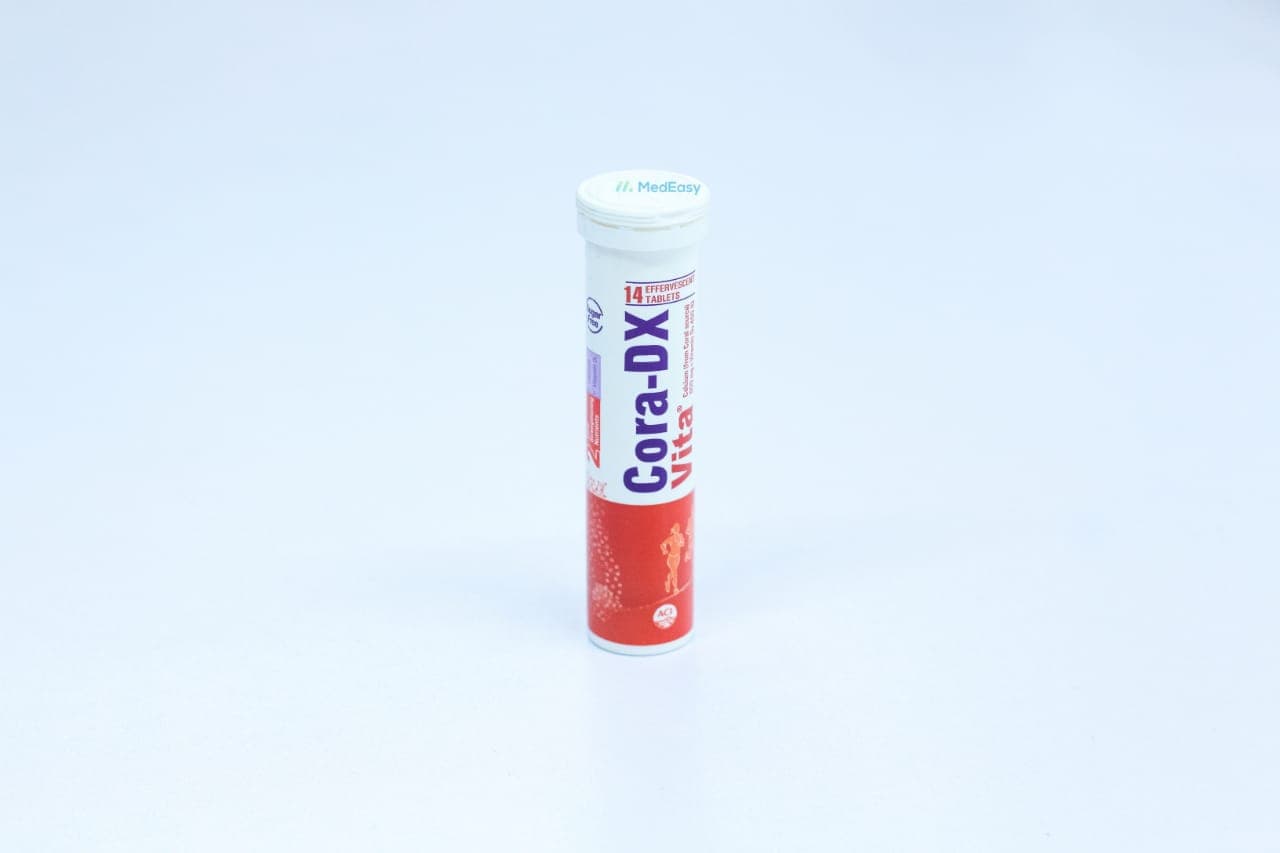

Cora-DX Vita is a combination mineral and vitamin supplement used mainly for the prevention and treatment of calcium deficiency states. Its uses can be classified by strength of evidence as follows:
Cora-DX Vita is not intended as a substitute for other prescribed osteoporosis or metabolic bone disease therapy; it is used as an adjunct to ensure adequate calcium and vitamin D status.
Each unit of Calcium Lactate Gluconate + Calcium Carbonate + Vitamin D3 combines two calcium salts with different solubility and absorption characteristics along with vitamin D3:
Together, these components provide a combined source of elemental calcium with vitamin D3 to support absorption and utilization.
Cora-DX Vita is a fixed-dose combination nutritional supplement formulated to correct or prevent calcium and vitamin D deficiency. By combining a rapidly soluble calcium salt (calcium lactate gluconate) with a concentrated calcium salt (calcium carbonate), the product aims to provide a steady and efficiently absorbed supply of elemental calcium. Vitamin D3 is included because it is essential for intestinal calcium absorption and for maintaining normal serum calcium and bone mineralization. Cora-DX Vita is commonly available as chewable tablets, effervescent tablets, or oral suspension/syrup, and is used across age groups under medical or pharmacist guidance.
Calcium and Vitamin D3 combination supplement (Minerals and Vitamins - Calcium salts with Vitamin D analogue)
Calcium Lactate Gluconate + Calcium Carbonate + Vitamin D3 works through the combined physiological actions of its components. Calcium lactate gluconate and calcium carbonate dissociate in the gastrointestinal tract to release ionized calcium, which is absorbed primarily in the duodenum and proximal jejunum through both active vitamin D-dependent transport and passive paracellular diffusion. Calcium carbonate absorption is enhanced by gastric acid and is therefore best taken with meals, whereas calcium lactate gluconate is more soluble and less dependent on gastric pH.
Vitamin D3 (cholecalciferol) is hydroxylated in the liver to 25-hydroxyvitamin D and further in the kidney to the active form, 1,25-dihydroxyvitamin D (calcitriol), which increases intestinal expression of calcium-binding proteins and calcium channels, thereby promoting active intestinal calcium absorption. Vitamin D3 also facilitates renal tubular reabsorption of calcium and supports osteoblast-mediated bone mineralization, working synergistically with the calcium salts in Calcium Lactate Gluconate + Calcium Carbonate + Vitamin D3 to maintain calcium homeostasis and skeletal health.
Dosage of Cora-DX Vita should be individualized based on age, dietary calcium intake, and the indication being treated, and should be guided by a physician.
| Indication/Group | Typical Dose |
|---|---|
| Adults - calcium/vitamin D3 supplementation | 1 tablet (chewable/effervescent) once or twice daily, or as directed by the physician |
| Pregnant and lactating women | 1 tablet once or twice daily as advised by the treating physician, based on dietary calcium intake |
| Elderly (osteoporosis prevention, adjunct) | 1 tablet once or twice daily, as directed, alongside primary osteoporosis therapy |
| Children (where an age-appropriate formulation, e.g., syrup, is available) | Weight/age-based dosing as directed by a pediatrician; safety and dosing of adult chewable/effervescent forms in young children have not been established |
Chewable or effervescent tablets should be chewed thoroughly or fully dissolved in a glass of water before drinking, generally taken with or after meals to optimize absorption of the calcium carbonate component. Cora-DX Vita should not be taken in doses exceeding those recommended without medical advice, and total daily elemental calcium intake from diet and supplements should be considered to avoid excessive intake.
Cora-DX Vita chewable tablets should be chewed well before swallowing; effervescent tablets should be fully dissolved in a glass of water and consumed immediately after dissolution. It is generally recommended to take doses with or shortly after meals, which improves absorption of the calcium carbonate component. If more than one dose per day is prescribed, doses should be spaced several hours apart. Medicines known to interact with calcium (see Interactions) should be separated in timing from Cora-DX Vita as advised.
Cora-DX Vita has clinically significant interactions with several classes of drugs:
Calcium Lactate Gluconate + Calcium Carbonate + Vitamin D3 is contraindicated in patients with:
Cora-DX Vita is generally well tolerated at recommended doses. The most common adverse effects are gastrointestinal:
Less commonly, and usually related to excessive or prolonged intake beyond recommended doses, hypercalcemia and its associated symptoms (see Overdose) may occur. Rarely, hypersensitivity reactions such as skin rash or itching have been reported.
Adequate calcium and vitamin D intake is important during pregnancy and lactation, and Cora-DX Vita may be used to supplement dietary intake when advised by a physician. However, doses above those recommended for pregnancy and lactation should be avoided, as excessive maternal calcium or vitamin D intake has been associated with risks such as hypercalcemia. As with any supplement in pregnancy or breastfeeding, Cora-DX Vita should be used only if clearly needed, at the dose recommended by the treating physician, with benefit weighed against any potential risk.
The following precautions apply to the use of Cora-DX Vita:
Overdose or prolonged excessive intake of Cora-DX Vita can cause hypercalcemia and hypervitaminosis D, with symptoms that may include nausea, vomiting, constipation, abdominal pain, excessive thirst, increased urination, muscle weakness, confusion, and in severe cases, kidney stones, kidney impairment, or cardiac arrhythmias. If overdose is suspected, discontinue the product and seek immediate medical attention or contact a poison control center; supportive care and monitoring of serum calcium will be required and should only be provided by qualified medical personnel.
Store at room temperature (below 30°C), away from light and moisture. Keep out of reach of children.
Renal impairment: Use with caution in mild-to-moderate renal impairment with monitoring of serum calcium; contraindicated in severe renal impairment (see Contraindications).
Hepatic impairment: No specific dose adjustment is well-established, but caution is advised, and vitamin D activation may be affected in significant hepatic disease.
Elderly: Commonly used in the elderly for calcium/vitamin D3 supplementation as an adjunct in osteoporosis prevention; renal function should be considered.
Pediatric population: Use of chewable/effervescent adult formulations of Cora-DX Vita in young children has not been well established; age-appropriate formulations and pediatrician-directed, weight-based dosing should be used where growth-related calcium needs exist.
Duration of use of Cora-DX Vita depends on the indication. For dietary supplementation, it may be used for as long as dietary intake remains insufficient, under periodic medical review. As an adjunct in osteoporosis management, it is typically continued long-term alongside primary anti-osteoporotic therapy, with periodic monitoring of serum calcium and renal function. Treatment duration for other indications (e.g., osteomalacia, hypoparathyroidism) should be determined by the treating physician based on clinical and biochemical response.
Calcium salts in combination with Vitamin D3 (minerals and vitamins/nutritional supplement class)
The calcium salts in Calcium Lactate Gluconate + Calcium Carbonate + Vitamin D3 dissociate in the gastrointestinal tract to supply ionized calcium for intestinal absorption, while vitamin D3 is converted in the liver and kidney to its active metabolite, calcitriol, which upregulates intestinal calcium-binding proteins and channels to enhance active calcium transport across the intestinal mucosa. This combined action increases the amount of calcium available for bone mineralization, neuromuscular function, and other calcium-dependent physiological processes, while vitamin D3 additionally supports renal calcium reabsorption and osteoblast activity.
The safety and efficacy of Cora-DX Vita chewable or effervescent adult tablet formulations have not been formally established in young children. Where calcium and vitamin D supplementation is needed in children (e.g., during periods of rapid growth or documented deficiency), age-appropriate formulations (such as pediatric syrups) and weight/age-based dosing directed by a pediatrician should be used instead. Excessive vitamin D intake in children carries a particular risk of hypercalcemia and should be avoided.
Q: What is Cora-DX Vita Tablet used for?
A: Cora-DX Vita Tablet is used to prevent and treat calcium deficiency, to supplement calcium and vitamin D intake during pregnancy and lactation, and as an adjunct in the management of osteoporosis and related bone conditions, alongside a physician's overall treatment plan.
Q: How should I take Cora-DX Vita Tablet?
A: Chewable tablets should be chewed thoroughly, and effervescent tablets should be fully dissolved in a glass of water, generally taken with or after meals to help absorption. The usual adult dose is one tablet once or twice daily, or as directed by your physician.
Q: Can I take Cora-DX Vita Tablet with antibiotics like tetracycline or ciprofloxacin?
A: Calcium can bind with tetracycline and fluoroquinolone antibiotics and reduce their absorption. If you are prescribed these antibiotics, separate the doses of Cora-DX Vita Tablet from the antibiotic by at least 2-3 hours, or as advised by your physician.
Q: Is Cora-DX Vita Tablet safe during pregnancy?
A: Cora-DX Vita Tablet may be used during pregnancy and breastfeeding when dietary calcium intake is insufficient, but only at the dose recommended by your physician, since excessive calcium or vitamin D intake can pose risks. Use only if clearly needed and under medical advice.
Q: Who should not take Cora-DX Vita Tablet?
A: Cora-DX Vita Tablet should not be used by people with hypercalcemia, hypervitaminosis D, severe kidney impairment, kidney stones, hypercalciuria, or known hypersensitivity to any of its ingredients.
Q: What happens if I take too much Cora-DX Vita Tablet?
A: Taking more than the recommended dose can cause hypercalcemia, with symptoms such as nausea, vomiting, constipation, excessive thirst, confusion, or in severe cases kidney stones and irregular heartbeat. Stop the product and seek immediate medical attention or contact a poison control center if overdose is suspected.
Disclaimer
The information provided is accurate to the best of our knowledge, but it does not replace professional medical advice. We cannot guarantee its completeness or accuracy, and the absence of specific information about a drug should not be taken as an endorsement. We are not responsible for any consequences arising from this information, so please consult a healthcare professional for any concerns or questions.
