8% Off
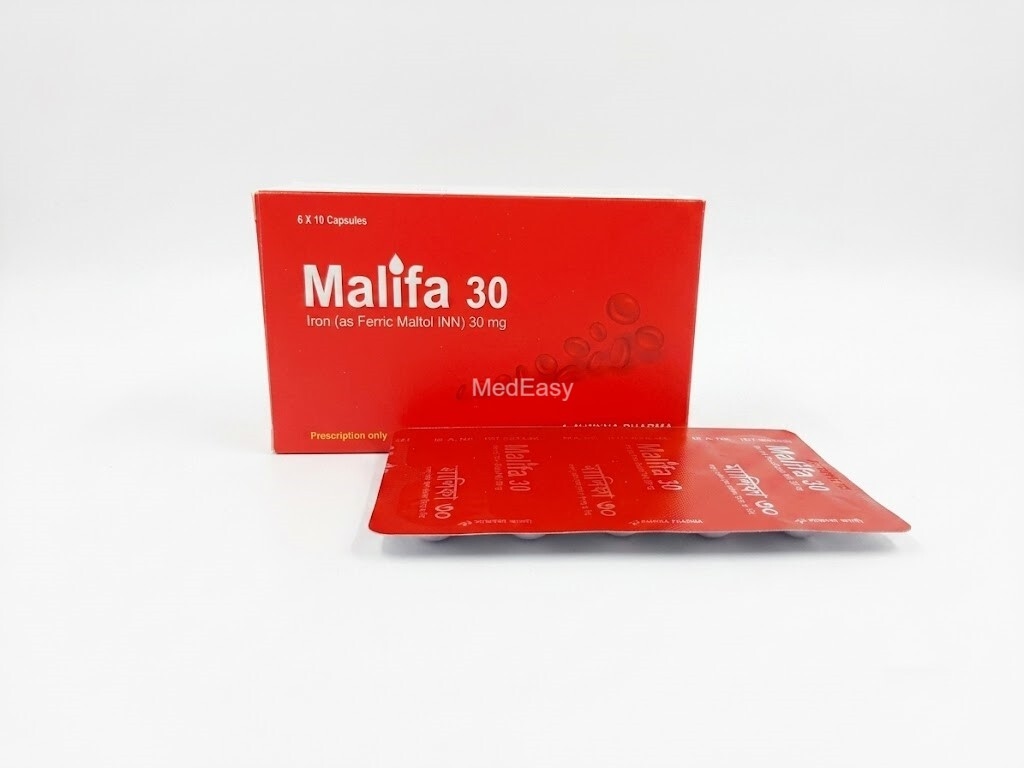
Malifa30 mg
Navana Pharmaceuticals Ltd.
৳101.20
Add to cart
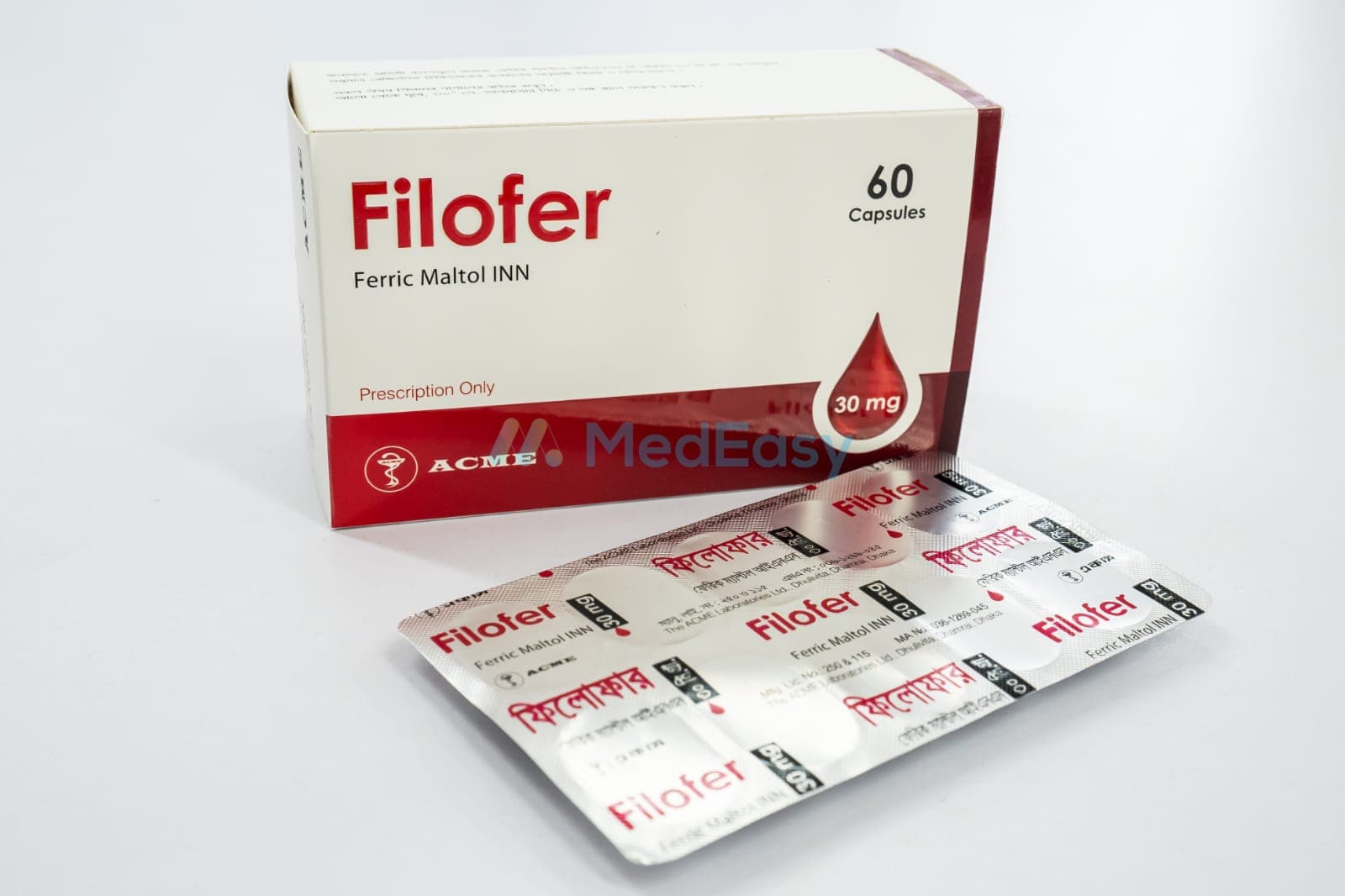
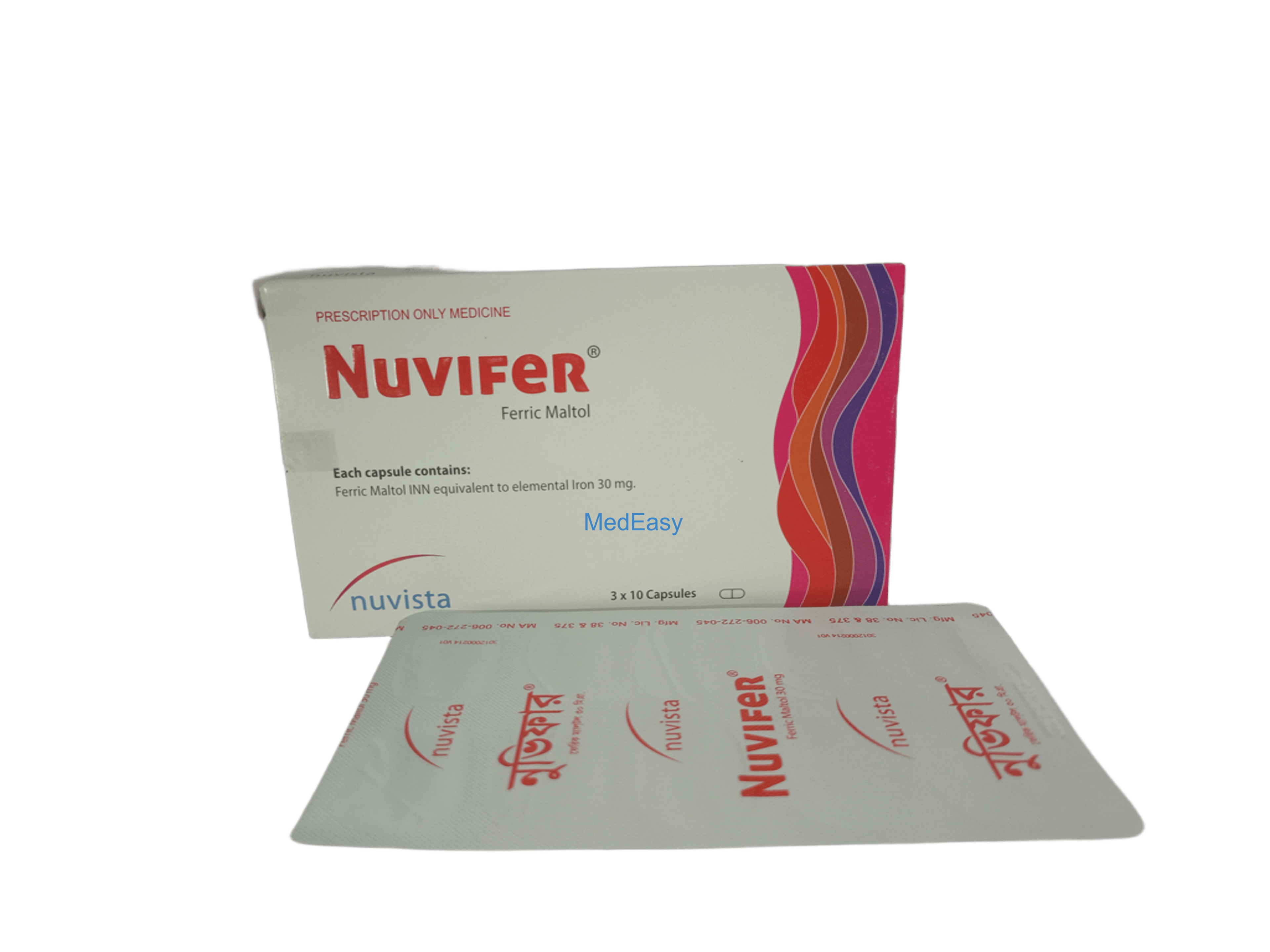
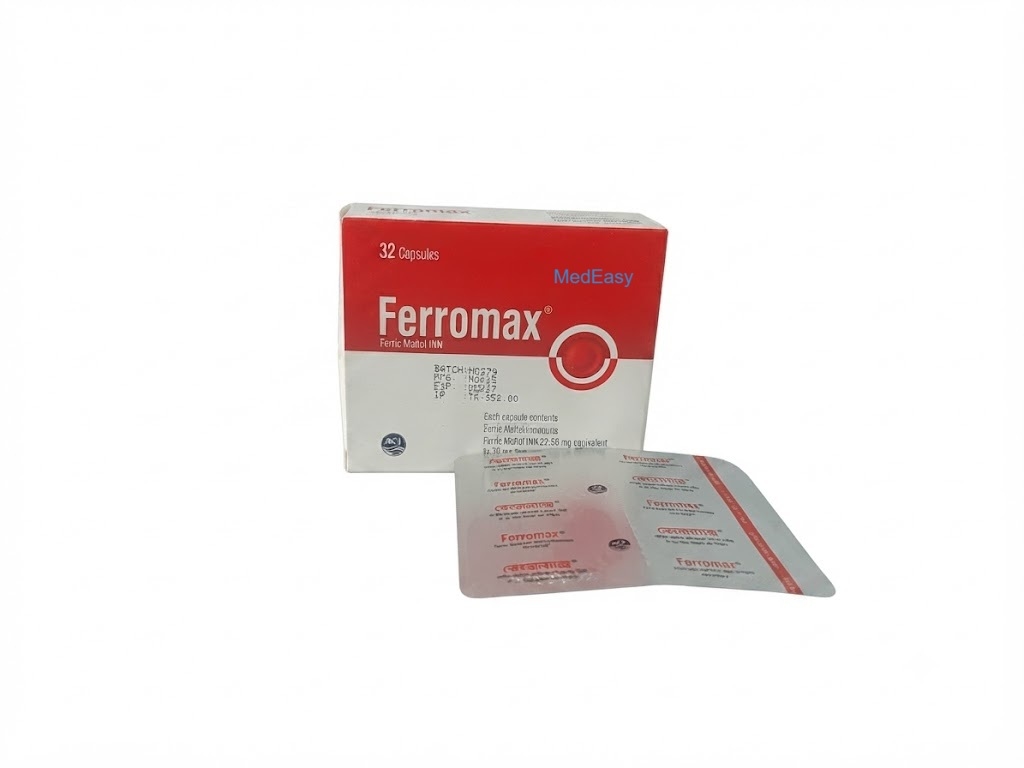
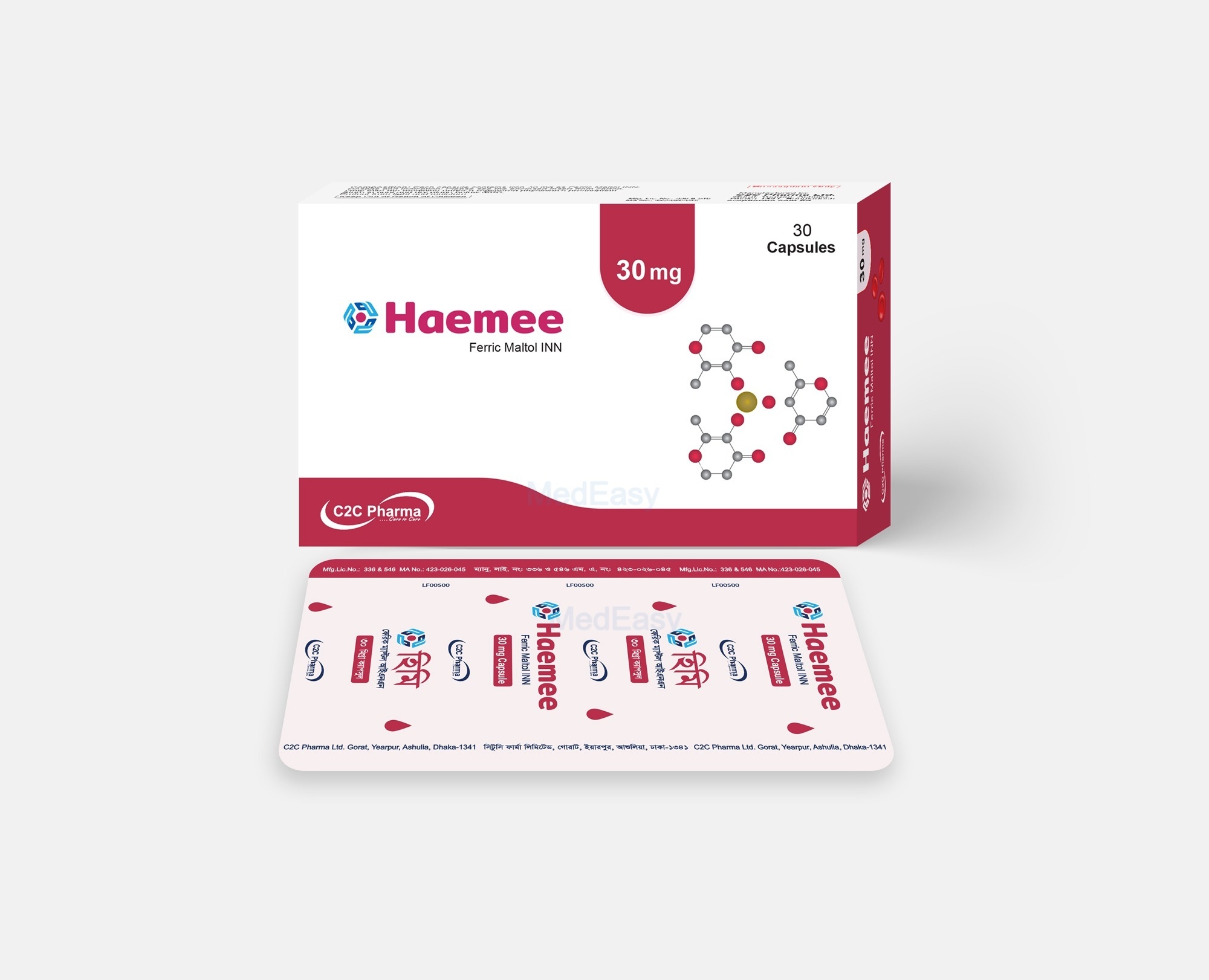
Filofer 30 mg Capsule is available on MedEasy for ৳101.20 per 10's Strip, with home delivery anywhere in Bangladesh. It is manufactured by ACME Laboratories Ltd. Its generic name is Ferric Maltol.

Filofer is indicated for the treatment of iron-deficiency anemia (IDA) in adults and pediatric patients 10 years of age and older.
Filofer is not indicated for iron-deficiency states not related to true iron deficiency, nor for conditions where rapid iron repletion (e.g., severe symptomatic anemia requiring transfusion) is required.
Each capsule of Ferric Maltol contains ferric maltol equivalent to 30 mg of elemental iron. Ferric maltol is a stable, non-salt-based complex of ferric iron and maltol (a naturally occurring flavor compound), designed to deliver iron in a chemically distinct form from conventional ferrous iron salts.
Filofer is an oral iron-replacement therapy developed as a novel, non-ionic ferric iron complex. Unlike traditional ferrous salts, Filofer releases iron gradually across the intestinal mucosa, which is thought to reduce the amount of unabsorbed free iron reaching the lower gastrointestinal tract - a key mechanism behind its improved tolerability profile, particularly in patients with inflammatory bowel disease.
Filofer is supplied as an oral capsule and is taken on an empty stomach, separate from food and other medications that can interfere with iron absorption.
Filofer belongs to the class of oral iron replacement therapies (hematinics), specifically classified as a non-salt ferric iron complex, distinct from conventional ferrous salt preparations (e.g., ferrous sulfate, ferrous fumarate, ferrous gluconate).
Ferric Maltol is a stable complex of ferric iron (Fe3+) and maltol in a 1:3 ratio. It is designed to transport iron across the intestinal brush border membrane as an intact complex, where the iron is released intracellularly and then transferred to the systemic circulation, primarily bound to transferrin, for utilization in erythropoiesis and replenishment of iron stores.
Iron from Ferric Maltol is absorbed predominantly in the duodenum and proximal jejunum. Because the complex minimizes the pool of free, unbound ionic iron in the gut lumen, gastrointestinal exposure to reactive iron species is reduced, which correlates with the improved tolerability seen in clinical studies compared with ferrous salts.
The recommended dose of Filofer is one capsule (30 mg elemental iron) taken orally twice daily (morning and evening), approximately 1 hour before or 2 hours after meals, for a minimum of 12 weeks or as directed by the physician.
The same adult dosing regimen (one capsule twice daily) is used in pediatric patients 10 years of age and older; safety and effectiveness in children below 10 years have not been established.
Treatment is typically continued until hemoglobin and ferritin levels normalize, with periodic monitoring of iron parameters. Duration may extend beyond 12 weeks based on clinical and laboratory response, as advised by the treating physician.
No well-established dose adjustment has been defined for renal or hepatic impairment; use with caution and physician supervision in these populations.
Take Filofer capsules whole with water, on an empty stomach, approximately 1 hour before or 2 hours after a meal. Do not crush, chew, or open the capsule contents unless directed by a physician or pharmacist. Avoid taking within 4 hours of antacids, other oral iron products, or medicines known to interact with iron absorption (see Interactions).
Because Filofer can bind with other substances in the gastrointestinal tract, several clinically significant interactions require dose separation of at least 4 hours between administration of Filofer and the interacting drug:
Food, particularly dairy products, tea, and coffee, may also reduce iron absorption from Filofer - hence the recommendation to take it on an empty stomach.
Ferric Maltol is contraindicated in patients with:
A key advantage of Filofer is generally better gastrointestinal tolerability compared with conventional ferrous iron salts; nonetheless, adverse effects can still occur, most commonly gastrointestinal in nature.
In clinical trials, fewer than 5% of patients discontinued Filofer due to side effects, reflecting its favorable tolerability profile relative to ferrous salts.
Filofer should be used during pregnancy only if clearly needed and if the potential benefit justifies the potential risk to the fetus; consult a physician before use. Available data suggest the intact Filofer complex is not expected to result in significant fetal exposure, but clinical experience with this specific formulation in pregnancy remains limited. Iron supplementation in general is standard of care in pregnancy when iron-deficiency anemia is clinically confirmed, under physician guidance.
Filofer is not expected to be systemically absorbed to a significant degree, and clinically meaningful exposure of a breastfed infant is not anticipated; however, data specific to breastfeeding are limited. Use only under medical supervision while breastfeeding.
Use Filofer with caution in the following situations:
Acute overdose of Filofer is a potential concern, although this formulation is generally associated with a lower acute toxicity risk than conventional ferrous iron salts due to its controlled-release mechanism. Nonetheless, iron ingestion in excess of recommended doses - particularly accidental ingestion by children - can be serious or fatal.
Early symptoms of iron overdose may include nausea, vomiting, abdominal pain, and diarrhea, which can progress to more severe systemic toxicity if untreated. In case of suspected overdose, seek immediate medical attention or contact a poison control center/emergency services without delay. Do not attempt specific home treatment. Management in a medical facility may include supportive care and, where indicated, chelation therapy under specialist supervision.
Store at room temperature (below 30°C), away from light and moisture. Keep out of reach of children.
No well-established dose adjustment is defined for patients with renal impairment; use with caution and physician oversight.
No well-established dose adjustment is defined for patients with hepatic impairment; use with caution and physician oversight.
No specific dose adjustment is required based on age alone; use with routine clinical monitoring as in other adult patients.
Filofer is commonly used in this population due to favorable GI tolerability; monitor for disease activity as noted in Precautions.
Treatment with Filofer is typically continued for a minimum of 12 weeks, with duration extended as needed based on normalization of hemoglobin and iron stores (ferritin), under physician guidance and periodic laboratory monitoring.
Oral iron replacement therapy; non-salt ferric iron complex (hematinic agent).
Ferric Maltol delivers iron as a stable, non-ionic ferric-maltol complex that is absorbed intact across the intestinal mucosa, then dissociated intracellularly to release iron for transport via transferrin to sites of erythropoiesis and iron storage, while limiting the pool of free reactive iron within the gut lumen.
Filofer is approved for use in pediatric patients 10 years of age and older for the treatment of iron-deficiency anemia, using the same dosing regimen as adults (one capsule twice daily). Safety and effectiveness in children younger than 10 years of age have not been established. Caregivers should be counseled on safe storage, as accidental ingestion of iron products is a leading cause of fatal poisoning in young children.
Q: What is Filofer 30 mg Capsule used for?
A: Filofer 30 mg Capsule is used to treat iron-deficiency anemia in adults and children 10 years and older, particularly in patients with inflammatory bowel disease or those who cannot tolerate conventional iron supplements.
Q: How should I take Filofer 30 mg Capsule?
A: Take one capsule of Filofer 30 mg Capsule twice daily, about 1 hour before or 2 hours after meals, swallowed whole with water. Avoid taking it with antacids, dairy, tea, or coffee, which can reduce absorption.
Q: Can I take Filofer 30 mg Capsule during pregnancy or while breastfeeding?
A: Filofer 30 mg Capsule should be used in pregnancy or while breastfeeding only if clearly needed and under medical supervision, as the potential benefit must be weighed against any potential risk; data specific to this formulation remain limited, so consult your physician before use.
Q: What are the common side effects of Filofer 30 mg Capsule?
A: The most common side effects are gastrointestinal, including gas, abdominal discomfort, diarrhea, constipation, nausea, and dark discoloration of the stool. Filofer 30 mg Capsule is generally better tolerated than older iron salts, and fewer than 5% of patients stop treatment due to side effects.
Q: Who should not take Filofer 30 mg Capsule?
A: Filofer 30 mg Capsule should not be used by people with a known allergy to it, those with iron overload conditions such as hemochromatosis, those with anemia not caused by iron deficiency, or patients receiving repeated blood transfusions.
Q: What should I do if I accidentally take too much Filofer 30 mg Capsule?
A: Overdose of Filofer 30 mg Capsule, especially in children, can be serious. If overdose is suspected, seek immediate medical attention or contact a poison control center/emergency services right away rather than attempting home treatment.
Disclaimer
The information provided is accurate to the best of our knowledge, but it does not replace professional medical advice. We cannot guarantee its completeness or accuracy, and the absence of specific information about a drug should not be taken as an endorsement. We are not responsible for any consequences arising from this information, so please consult a healthcare professional for any concerns or questions.