10% Off
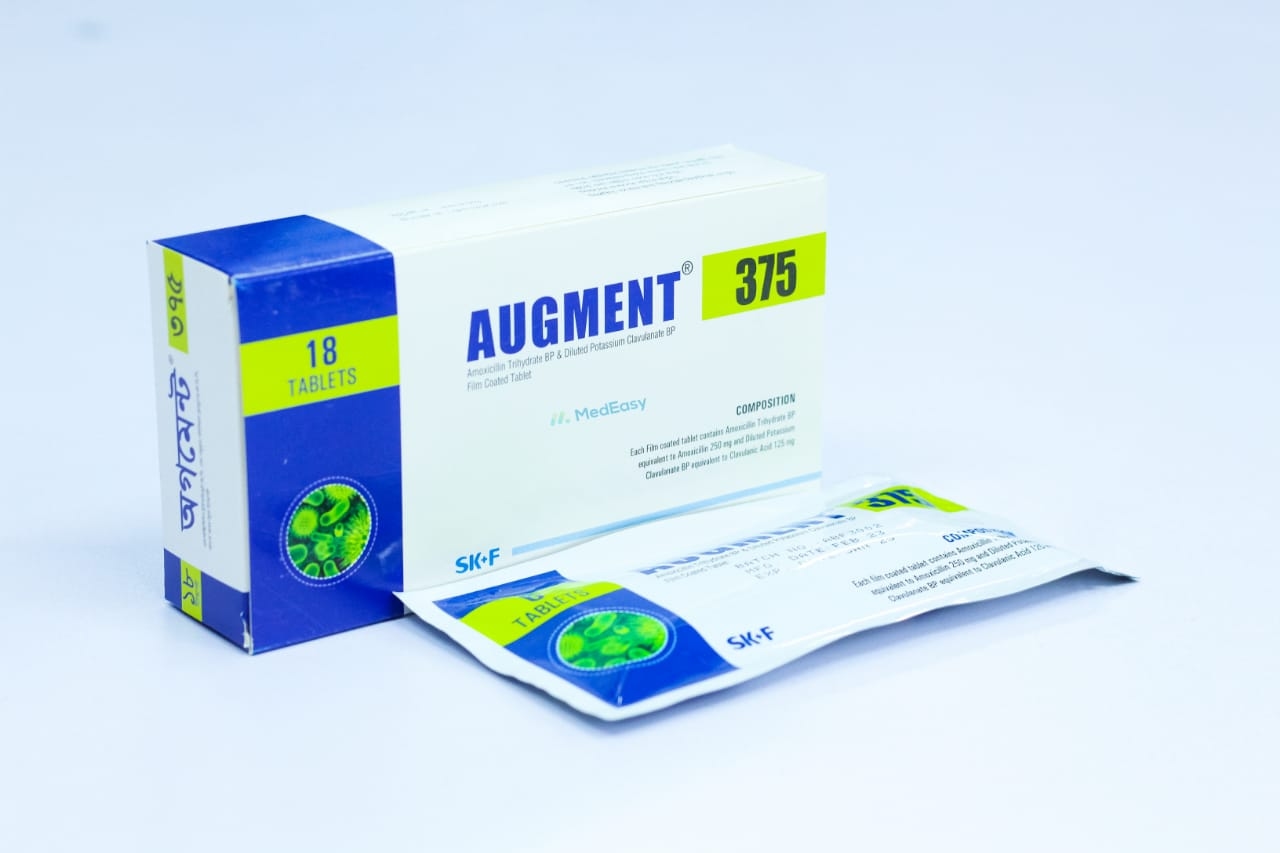
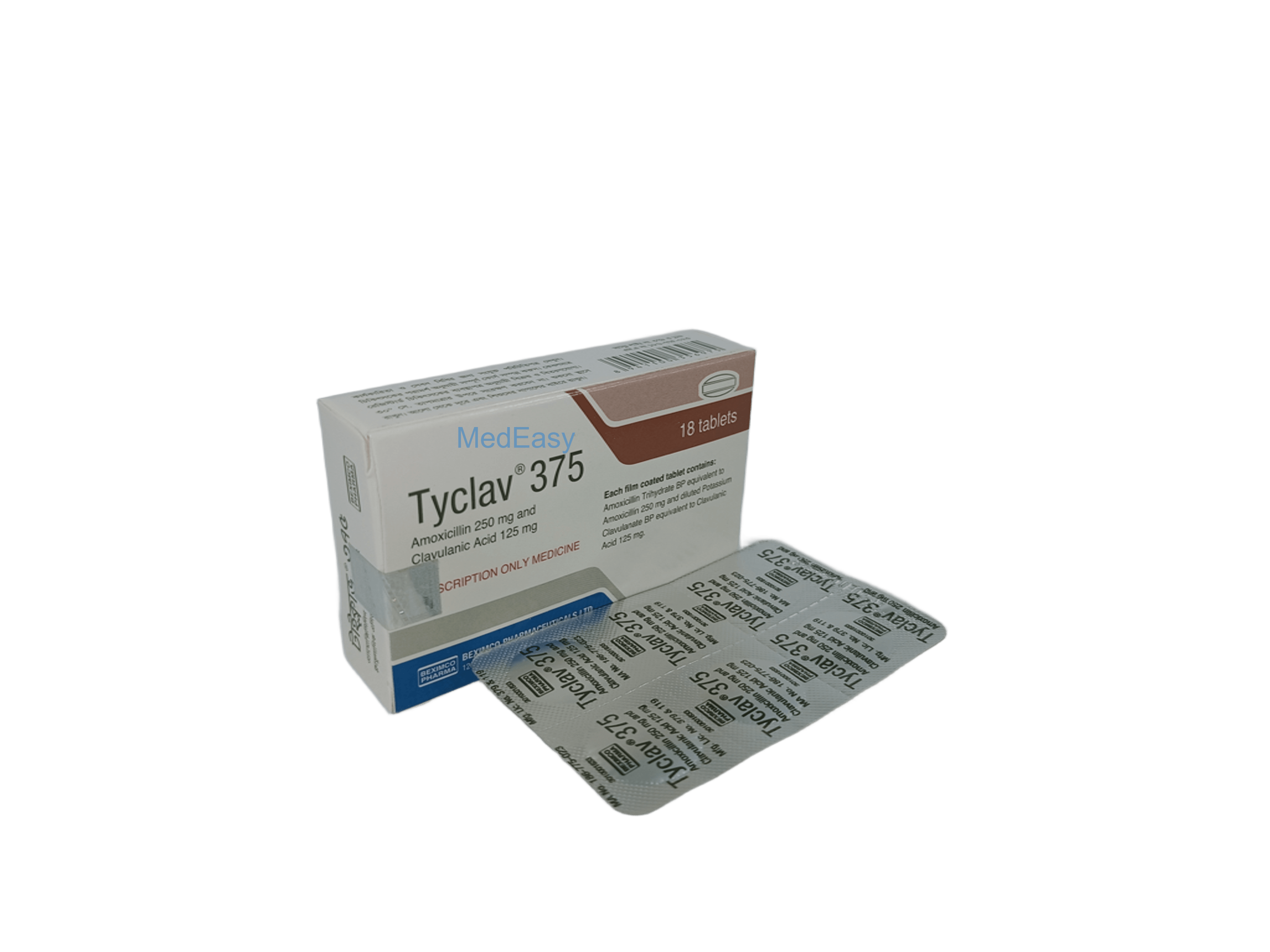
Tyclav250 mg+125
Beximco Pharmaceuticals Ltd.
৳22.50
Add to cart
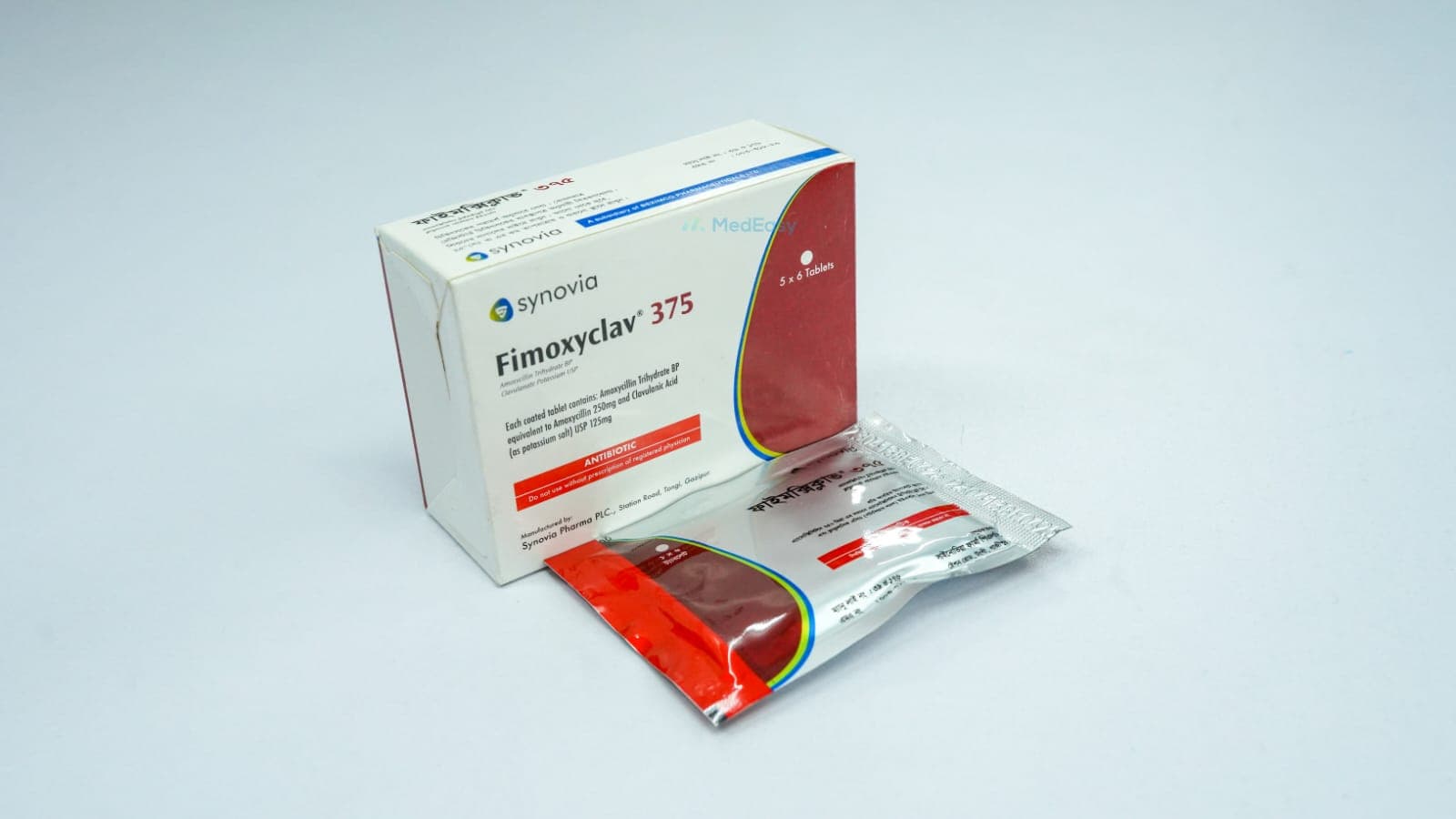
Fimoxyclav 250 mg+125 mg Tablet is available on MedEasy for ৳23.07 per piece, with home delivery anywhere in Bangladesh. It is manufactured by Synovia Pharma PLC. Its generic name is Amoxicillin + Clavulanic Acid.

Fimoxyclav is a combination antibiotic consisting of amoxicillin (an aminopenicillin) and clavulanic acid (a beta-lactamase inhibitor). It is indicated for the treatment of infections caused by susceptible, including beta-lactamase-producing, strains of bacteria.
Fimoxyclav is generally preferred over amoxicillin alone when infection with a beta-lactamase-producing organism (e.g., certain strains of H. influenzae, M. catarrhalis, or S. aureus) is suspected or confirmed.
Amoxicillin + Clavulanic Acid tablets, capsules, and oral suspensions contain amoxicillin (as amoxicillin trihydrate) together with clavulanic acid (as potassium clavulanate), in fixed ratios such as 250 mg/125 mg, 500 mg/125 mg, and 875 mg/125 mg. Injectable forms of Amoxicillin + Clavulanic Acid are also available in strengths such as 500 mg/100 mg and 1000 mg/200 mg for intravenous use.
Fimoxyclav is a fixed-dose combination antibacterial medicine. Amoxicillin is a broad-spectrum aminopenicillin that is otherwise susceptible to breakdown by bacterial beta-lactamase enzymes. Clavulanic acid has minimal antibacterial activity of its own but inhibits many bacterial beta-lactamase enzymes, thereby protecting amoxicillin from degradation and extending its spectrum of activity to include many resistant organisms.
Fimoxyclav is available as oral tablets, chewable tablets, oral suspension (including powder for reconstitution), and intravenous injection, and is widely used for common bacterial infections of the respiratory tract, ears, sinuses, urinary tract, skin, and soft tissue.
Fimoxyclav belongs to the beta-lactam antibiotic class, specifically the aminopenicillin subclass, combined with a beta-lactamase inhibitor. It is classified therapeutically as a penicillin-class antibacterial with extended activity against beta-lactamase-producing organisms.
The amoxicillin component of Amoxicillin + Clavulanic Acid exerts bactericidal activity by binding to penicillin-binding proteins (PBPs) located inside the bacterial cell wall, inhibiting the transpeptidation step of peptidoglycan synthesis. This weakens the cell wall and leads to bacterial cell lysis and death.
Many bacteria produce beta-lactamase enzymes that hydrolyze and inactivate amoxicillin before it can act. The clavulanic acid component of Amoxicillin + Clavulanic Acid is structurally related to penicillins and binds irreversibly to these beta-lactamase enzymes, inactivating them. This protects amoxicillin from degradation and restores its activity against many otherwise resistant organisms, including beta-lactamase-producing strains of Staphylococcus aureus, Haemophilus influenzae, Escherichia coli, and Moraxella catarrhalis.
Both components are well absorbed orally, distribute widely into body tissues and fluids, and are primarily eliminated renally, largely unchanged.
Dosage of Fimoxyclav is expressed in terms of the amoxicillin component and should be individualized based on the severity of infection, the susceptibility of the causative organism, and patient age, weight, and renal function.
| Indication | Typical Dose | Duration |
|---|---|---|
| Mild to moderate infections (e.g., skin/soft tissue, UTI) | 500 mg/125 mg every 12 hours or 250 mg/125 mg every 8 hours | 7–10 days |
| Severe or lower respiratory tract infections, sinusitis, otitis media | 875 mg/125 mg every 12 hours or 500 mg/125 mg every 8 hours | 7–14 days |
Dosed by weight based on the amoxicillin component, typically 20–45 mg/kg/day in divided doses every 8–12 hours, using an oral suspension formulation. Higher doses (up to approximately 90 mg/kg/day) may be used for otitis media or when resistant S. pneumoniae is suspected, per treating physician's judgment. See also Use in Special Populations.
Dose or dosing interval should be reduced in patients with reduced creatinine clearance; Fimoxyclav is generally avoided in severe renal impairment (creatinine clearance below 30 mL/min) unless dosing is adjusted under medical supervision.
Take Fimoxyclav exactly as prescribed by your physician; do not stop, extend, skip doses, or share this medicine with others without medical advice. Completing the full prescribed course, even if symptoms improve early, is important to prevent relapse and antibiotic resistance.
Fimoxyclav should be taken at the start of a meal or with food to minimize gastrointestinal upset and enhance absorption of certain formulations. Oral suspension should be shaken well before each use and measured with an accurate dosing device. Doses should be spaced as evenly as possible throughout the day. Do not crush or chew extended-release tablets; swallow them whole. Intravenous formulations of Fimoxyclav are for administration by a healthcare professional only.
Fimoxyclav has the following clinically significant drug interactions:
Amoxicillin + Clavulanic Acid is contraindicated in patients with:
The most common side effects of Fimoxyclav (occurring in more than 2% of patients) include:
Diarrhea occurs more frequently with Fimoxyclav than with amoxicillin alone, due to the clavulanic acid component; taking doses with food can help reduce gastrointestinal upset.
Less common but serious effects include hepatotoxicity/cholestatic jaundice (see Precautions and Warnings), hypersensitivity reactions, and Clostridioides difficile-associated diarrhea. Seek prompt medical attention for severe or persistent symptoms.
Pregnancy: Available epidemiological data have not established that Fimoxyclav is associated with an increased risk of major birth defects or miscarriage. However, as with all medicines in pregnancy, Fimoxyclav should be used only if clearly needed and if the potential benefit justifies the potential risk to the fetus; consult a physician before use in pregnancy. Some data suggest a possible association with necrotizing enterocolitis in neonates when used for preterm premature rupture of membranes, so use in this specific setting should be guided by an obstetric specialist.
Lactation: Amoxicillin and clavulanic acid pass into breast milk in small amounts. Fimoxyclav is generally considered compatible with breastfeeding, but the infant should be monitored for diarrhea, rash, or oral thrush; consult a physician if such symptoms occur.
Antibiotic stewardship: Take Fimoxyclav exactly as prescribed by your physician; do not stop, extend, skip doses, or share this medicine with others without medical advice.
Hepatotoxicity: Fimoxyclav has been associated with hepatic dysfunction and cholestatic jaundice, primarily related to the clavulanic acid component. This risk is more common with longer courses of treatment and in older patients, and is usually reversible on stopping the drug, though rare fatalities have been reported. Seek medical attention promptly for jaundice (yellowing of skin/eyes), dark urine, pale stools, or unexplained nausea/loss of appetite during or after treatment.
Hypersensitivity reactions: Serious and occasionally fatal hypersensitivity reactions (anaphylaxis) and severe skin reactions (Stevens-Johnson syndrome, toxic epidermal necrolysis, DRESS) have been reported with Fimoxyclav. Discontinue immediately and seek emergency care if signs of a severe allergic reaction (swelling of face/throat, difficulty breathing, widespread rash) occur. Use with caution in patients with a history of cephalosporin allergy due to possible cross-reactivity.
Clostridioides difficile-associated diarrhea: Fimoxyclav, like nearly all antibacterial agents, can cause C. difficile-associated diarrhea, ranging from mild diarrhea to fatal colitis. Seek medical advice if diarrhea develops or persists during or after treatment.
Use with caution in patients with infectious mononucleosis, as a high proportion develop a skin rash with aminopenicillins. Diarrhea is more common with Fimoxyclav than with amoxicillin alone; taking with food may reduce gastrointestinal upset.
Overdose of Fimoxyclav may cause gastrointestinal symptoms such as nausea, vomiting, diarrhea, and abdominal pain, along with disturbances in fluid and electrolyte balance. Rash, agitation, or drowsiness may also occur. Amoxicillin crystalluria (crystal formation in urine), sometimes leading to renal impairment, has rarely been reported after overdose.
If an overdose of Fimoxyclav is suspected, seek immediate medical attention or contact a poison control center or emergency services. Do not attempt home treatment. Management is supportive and symptomatic; maintaining adequate fluid intake is advised. Both amoxicillin and clavulanic acid can be removed by hemodialysis in severe cases.
Store at room temperature (below 30°C), away from light and moisture. Keep out of reach of children. Reconstituted oral suspension should be kept refrigerated and discarded after 10 days (or as directed on the label).
Dose or frequency of Fimoxyclav should be reduced according to the degree of renal impairment; consult a physician for individualized dosing. Use is generally avoided in patients with a creatinine clearance below 30 mL/min unless the dosing regimen is specifically adjusted.
Fimoxyclav should be used with caution and with regular monitoring of liver function in patients with hepatic impairment, given the recognized risk of hepatotoxicity with this combination (see Precautions and Warnings).
No specific dose adjustment is generally required for age alone, but elderly patients may be at higher risk of hepatotoxicity and should be monitored accordingly; renal function should also be assessed.
See Pediatric Uses below for age- and weight-based dosing considerations.
The typical duration of Fimoxyclav treatment ranges from 5 to 14 days depending on the site and severity of infection (e.g., 5–7 days for uncomplicated urinary tract or skin infections, 7–10 days for sinusitis or pneumonia). The prescribing physician determines the exact duration. Treatment courses longer than 14 days are not usually recommended without re-evaluation, given the increased risk of hepatotoxicity with prolonged use. Patients should complete the full prescribed course even if symptoms resolve earlier.
Powder-for-oral-suspension formulations of Fimoxyclav must be reconstituted with the specified amount of water immediately before first use, as directed on the product label or by the pharmacist. After reconstitution, shake well before each dose, store in the refrigerator (2–8°C), and discard any unused suspension after 10 days. Do not freeze. Injectable Fimoxyclav for intravenous use is reconstituted by a healthcare professional according to the manufacturer's instructions immediately before administration.
Beta-lactam antibiotic (aminopenicillin) combined with a beta-lactamase inhibitor
The amoxicillin component of Amoxicillin + Clavulanic Acid inhibits bacterial cell wall synthesis by binding to penicillin-binding proteins, causing cell lysis and death. The clavulanic acid component inactivates bacterial beta-lactamase enzymes, protecting amoxicillin from enzymatic degradation and extending its antibacterial spectrum to beta-lactamase-producing organisms.
B
Fimoxyclav is approved for use in infants and children for indications such as acute otitis media, sinusitis, lower respiratory tract infections, skin and soft tissue infections, and urinary tract infections, using weight-based oral suspension dosing (typically 20–45 mg/kg/day of the amoxicillin component in divided doses, or up to approximately 90 mg/kg/day for otitis media in specific circumstances, per physician guidance).
Safety and efficacy of Fimoxyclav in neonates and infants under 12 weeks of age have not been well established; dosing in this age group should be based on the amoxicillin component and adjusted for immature renal function, under close medical supervision. The chewable tablet and standard tablet formulations of Fimoxyclav are generally reserved for children old enough to safely swallow or chew them.
Q: What is Fimoxyclav 250 mg+125 mg Tablet used for?
A: Fimoxyclav 250 mg+125 mg Tablet is a combination antibiotic used to treat bacterial infections of the respiratory tract, ears, sinuses, urinary tract, skin, and soft tissue, particularly infections caused by bacteria that would otherwise be resistant to amoxicillin alone.
Q: Can I stop taking Fimoxyclav 250 mg+125 mg Tablet once I feel better?
A: No. You should take Fimoxyclav 250 mg+125 mg Tablet exactly as prescribed by your physician and complete the full course, even if you feel better before finishing it. Do not stop, extend, skip doses, or share this medicine with others without medical advice, as incomplete treatment can lead to relapse or antibiotic resistance.
Q: What are the common side effects of Fimoxyclav 250 mg+125 mg Tablet?
A: The most common side effects of Fimoxyclav 250 mg+125 mg Tablet are diarrhea, nausea, vomiting, and vaginal yeast infection. Diarrhea is more common with Fimoxyclav 250 mg+125 mg Tablet than with amoxicillin alone; taking it with food can help reduce stomach upset.
Q: Is Fimoxyclav 250 mg+125 mg Tablet safe during pregnancy?
A: Fimoxyclav 250 mg+125 mg Tablet should be used during pregnancy only if clearly needed and if the potential benefit justifies the potential risk to the fetus. Please consult your physician before taking Fimoxyclav 250 mg+125 mg Tablet if you are pregnant or planning to become pregnant.
Q: Can Fimoxyclav 250 mg+125 mg Tablet affect the liver?
A: Yes. Fimoxyclav 250 mg+125 mg Tablet carries a recognized, though uncommon, risk of liver problems (hepatotoxicity), including jaundice, which is more likely with longer courses of treatment and in older patients. Seek medical attention promptly if you notice yellowing of the skin or eyes, dark urine, or unexplained nausea while taking or after finishing Fimoxyclav 250 mg+125 mg Tablet.
Q: Who should not take Fimoxyclav 250 mg+125 mg Tablet?
A: Fimoxyclav 250 mg+125 mg Tablet should not be taken by anyone with a known allergy to penicillins or a previous history of liver problems (jaundice) caused specifically by Fimoxyclav 250 mg+125 mg Tablet. Tell your doctor about any prior drug allergies before starting treatment.
Disclaimer
The information provided is accurate to the best of our knowledge, but it does not replace professional medical advice. We cannot guarantee its completeness or accuracy, and the absence of specific information about a drug should not be taken as an endorsement. We are not responsible for any consequences arising from this information, so please consult a healthcare professional for any concerns or questions.