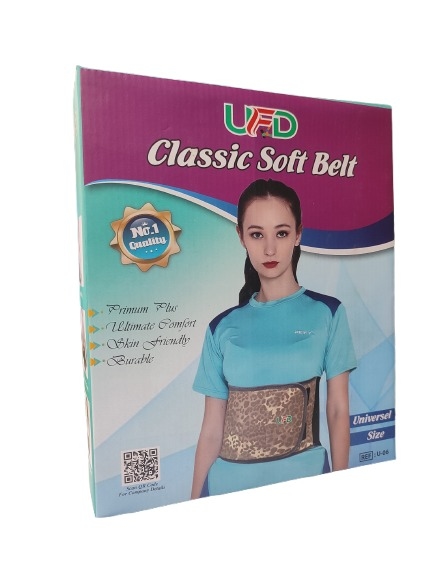
Product gallery
MRP 200.0035% Off
Best PriceTk 130.00/Piece
1
Section

Product overview

Description

Key Features & Ingredients

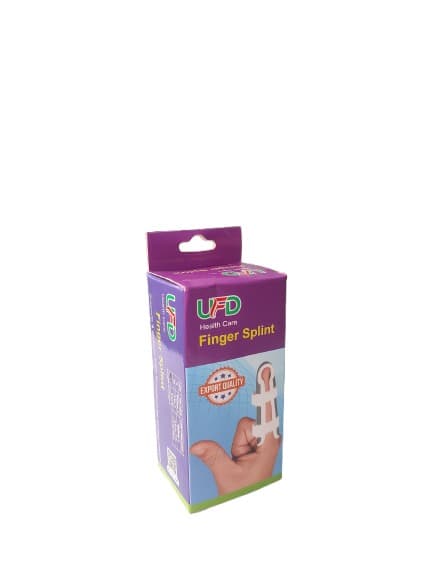
  • A finger splint is a small rigid or semi-rigid device, often aluminum with foam padding or molded plastic, designed to immobilize a single finger joint
  • Common designs include stack splints, aluminum foam splints, and curved or anatomic mallet splints, each suited to slightly different finger injuries
  • Typically shaped to hold the fingertip and joint in a fixed position while leaving the rest of the hand free to move
  • Note: this catalog attributes this product to Technokit Healthcare Ltd, but this manufacturer attribution could not be independently verified - Technokit's official channels were checked and do not appear to carry any orthopedic support products

Benefits

  • Helps immobilize an injured finger joint, which is commonly needed for mallet finger, an extensor tendon injury that causes a drooping fingertip
  • May provide support for finger sprains during the healing period
  • Useful for post-injury or post-splinting stabilization as directed by a clinician
  • Lightweight, low-profile design is intended to allow limited use of the rest of the hand while the affected finger stays protected

Who Can Use This Product

  • May be suitable for adults or older children with a diagnosed mallet finger, finger sprain, or similar soft-tissue finger injury
  • Best used under the guidance of a physician, who can confirm the correct splint type and duration of wear
  • Not a substitute for a doctor's diagnosis of fracture versus soft-tissue injury - a fracture may require a different treatment approach
  • Not intended for use over open wounds or areas of active skin infection without medical clearance

How to Use

  • Select the correct size for the affected finger - a splint that is too tight can restrict circulation, while one that is too loose will not properly immobilize the joint
  • Position the splint over the affected joint as instructed by your physician, typically covering the fingertip and the nearest joint for mallet finger
  • For mallet finger, the splint typically needs to be worn continuously, without bending the joint, for several weeks for proper healing
  • Check the skin under and around the splint periodically to watch for pressure marks or irritation

Storage & Safety

  • Store in a clean, dry place away from direct heat when not in use
  • Perform regular skin checks to help avoid pressure sores, especially during extended continuous wear
  • Discontinue use and consult your physician if you notice numbness, tingling, discoloration, or increased pain in the splinted finger
  • Do not attempt to self-diagnose a fracture versus a soft-tissue injury - see a physician for proper evaluation before and during use

Frequently Asked Questions

Q: What is the Finger Splint used for?

A: It is a small rigid or semi-rigid device designed to immobilize a single finger joint, commonly needed for mallet finger, an extensor tendon injury that causes a drooping fingertip, and for finger sprains during healing.

Q: Does the Finger Splint let me use the rest of my hand?

A: Yes, it is shaped to hold the fingertip and joint in a fixed position while leaving the rest of the hand free to move, with a lightweight, low-profile design.

Q: What styles of Finger Splint are there?

A: Common designs include stack splints, aluminum foam splints, and curved or anatomic mallet splints, each suited to slightly different finger injuries, so the right style depends on your specific injury.

Q: Should I use the Finger Splint on my own or with a doctor's guidance?

A: It should be used for post-injury or post-splinting stabilisation as directed by a clinician, rather than self-selected without a diagnosis, since the correct splint style depends on the injury.

Q: What is the Finger Splint made from?

A: It is often aluminum with foam padding or molded plastic; check the physical product or packaging for the exact material of this specific item.

Q: What should I do if the Finger Splint causes numbness or worsening pain?

A: Discontinue use and consult your physician if you notice numbness, tingling, or increased pain while wearing it, and have the fit checked if it feels too tight or too loose.

Disclaimer

The information provided is accurate to the best of our knowledge, but product packaging, ingredients, and specifications may change without notice. Please check the product packaging before use and consult the manufacturer or a relevant professional for any concerns or questions.
Doctor
Cart
Account