8% Off
Linatab M2.5 mg+100
Incepta Pharmaceuticals Ltd.
৳138.00
Add to cart
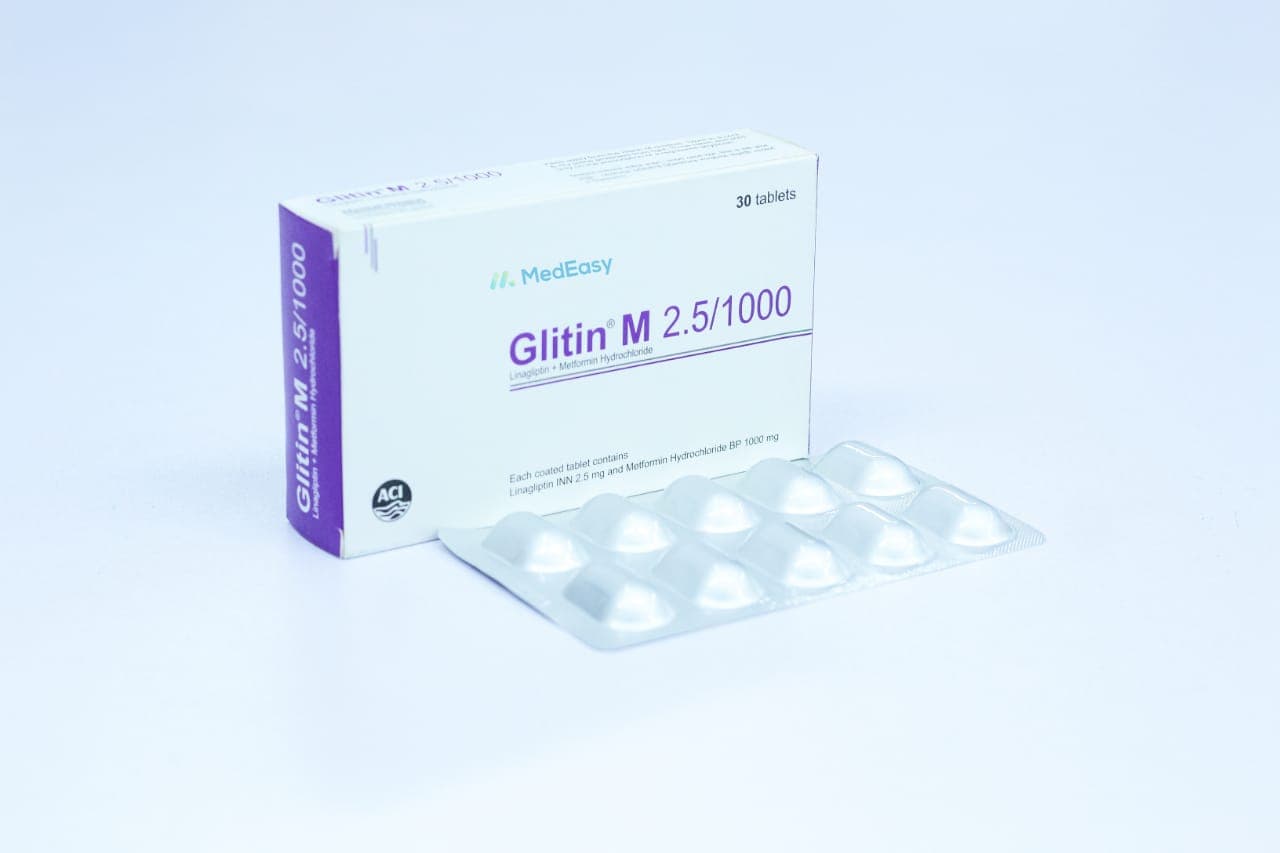
Glitin M 2.5 mg+1000 mg Tablet is available on MedEasy for ৳147.20 per 10's Strip, with home delivery anywhere in Bangladesh. It is manufactured by ACI Limited. Its generic name is Linagliptin + Metformin Hydrochloride.

Glitin M is indicated as an adjunct to diet and exercise to improve glycemic control in adults with type 2 diabetes mellitus, in the following clinical situations:
Glitin M is not indicated for the treatment of type 1 diabetes mellitus or diabetic ketoacidosis, and it is not recommended for initial therapy in patients whose diabetes can reasonably be controlled by diet and exercise alone.
Each tablet of Linagliptin + Metformin Hydrochloride contains linagliptin (a dipeptidyl peptidase-4 [DPP-4] inhibitor) and metformin hydrochloride (a biguanide) in one of several fixed-dose strength combinations, such as 2.5 mg/500 mg, 2.5 mg/850 mg, or 2.5 mg/1000 mg (immediate-release), or 2.5 mg/1000 mg and 5 mg/1000 mg (extended-release) linagliptin/metformin hydrochloride, depending on the marketed product.
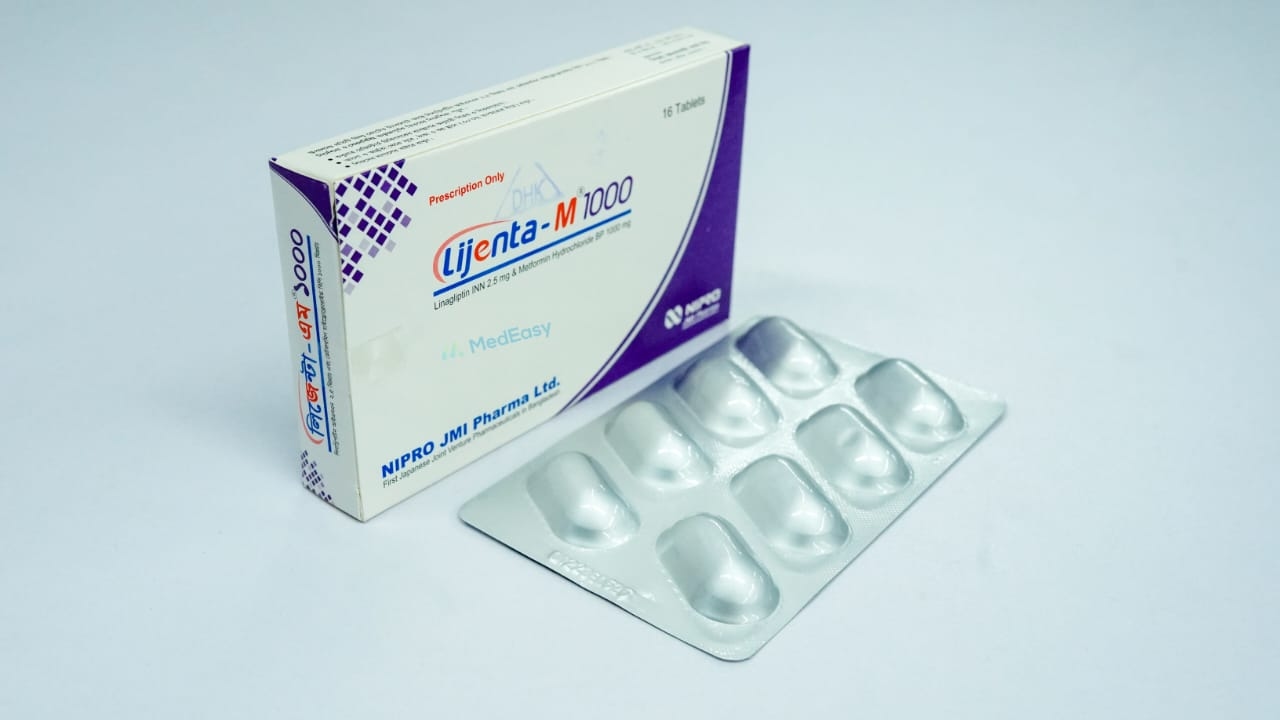
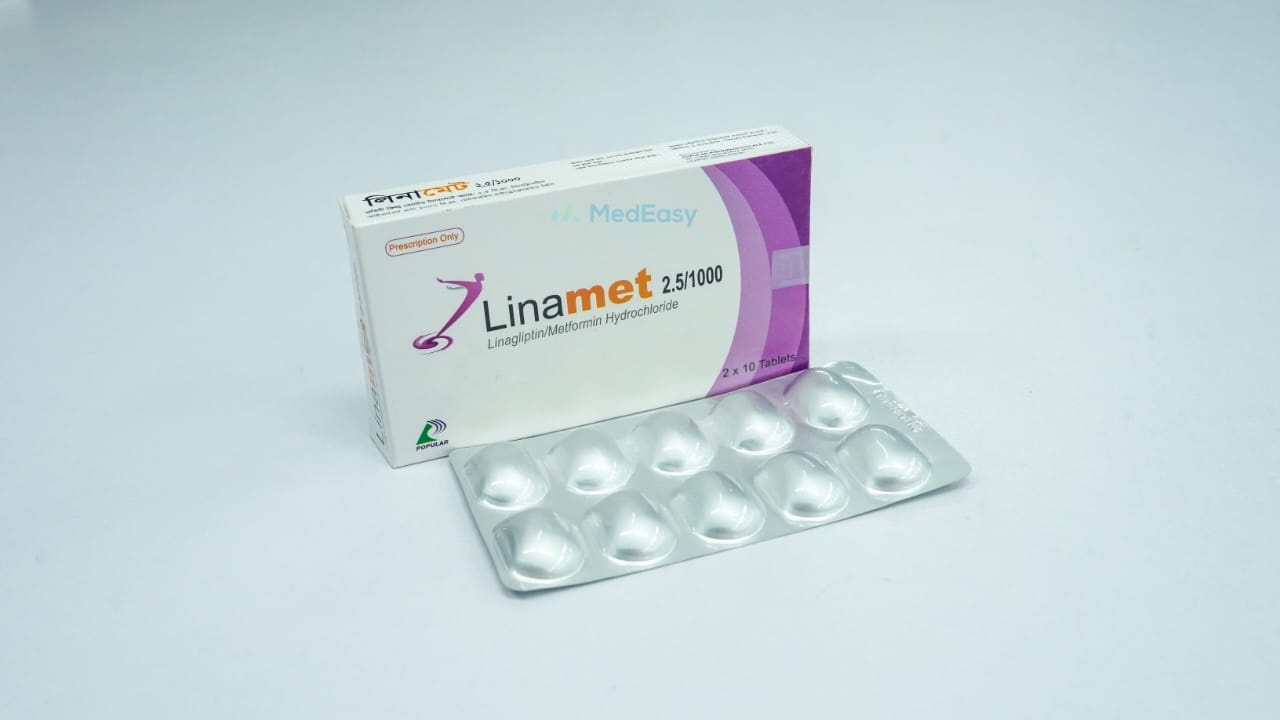
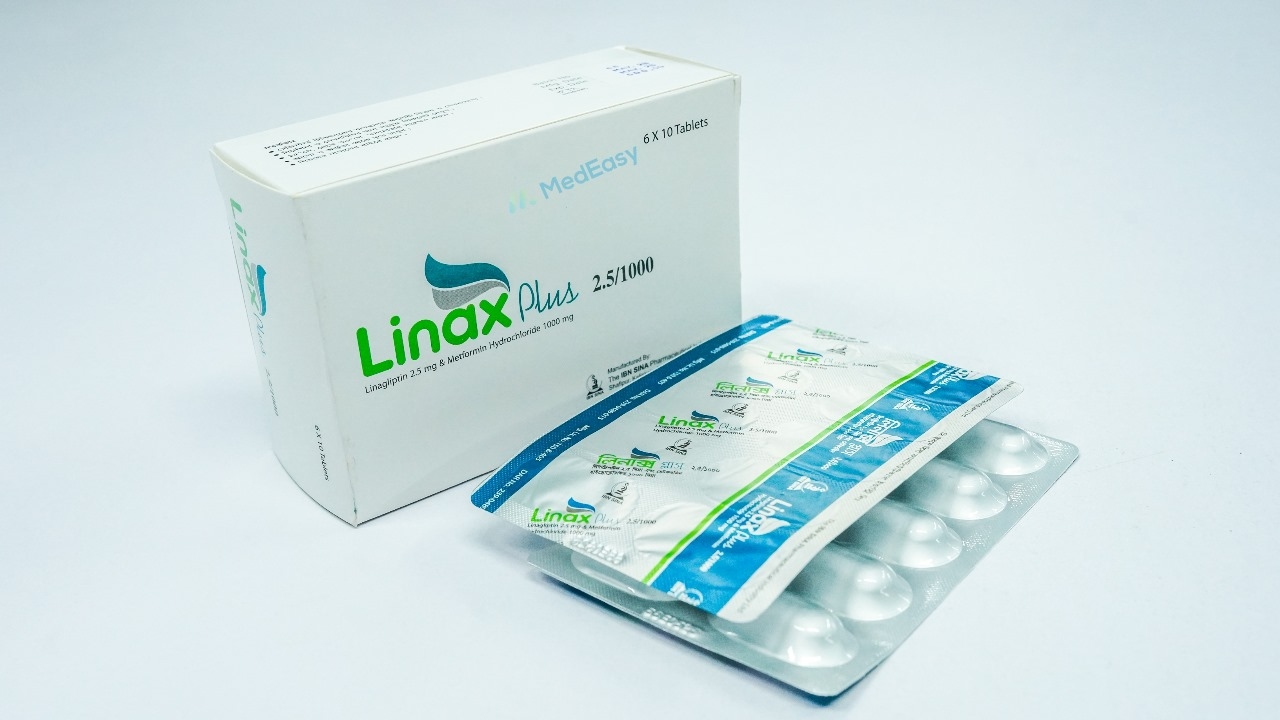
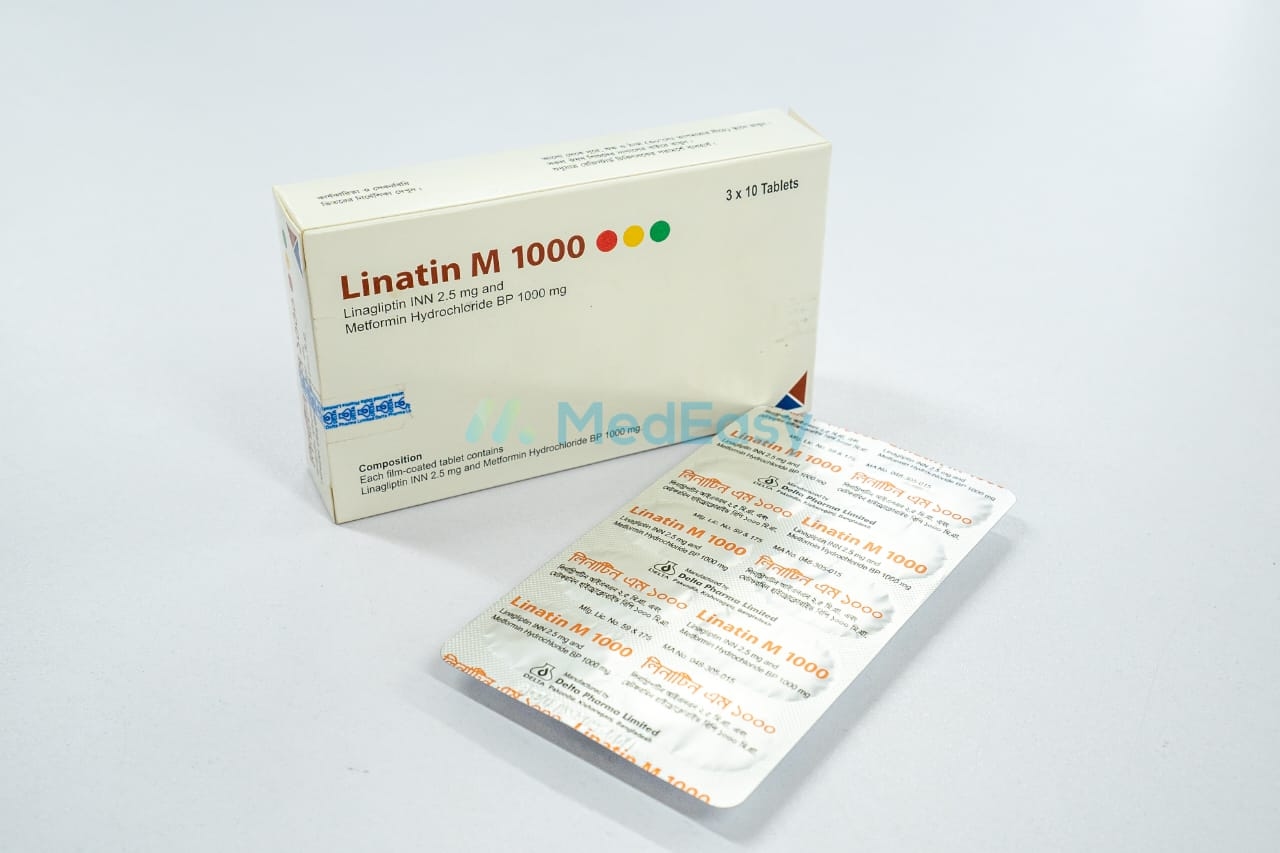
Glitin M is a fixed-dose combination oral antidiabetic medicine that brings together two agents with complementary mechanisms: linagliptin, a DPP-4 inhibitor, and metformin hydrochloride, a biguanide. It is used to help adults with type 2 diabetes mellitus achieve better blood glucose control when treatment with diet, exercise, and a single agent is not sufficient.
By combining two different mechanisms of glucose lowering in a single tablet, Glitin M can improve treatment adherence compared with taking two separate medicines, while addressing both insulin secretion and insulin sensitivity/hepatic glucose output.
Glitin M belongs to the therapeutic class of combination oral antidiabetic agents, specifically a DPP-4 inhibitor + biguanide combination, used in the management of type 2 diabetes mellitus.
Linagliptin + Metformin Hydrochloride combines two antihyperglycemic agents with complementary mechanisms of action:
Together, these two mechanisms provide complementary glycemic control by targeting insulin secretion, glucagon suppression, hepatic glucose output, and peripheral insulin sensitivity.
Glitin M should be taken with meals to reduce gastrointestinal side effects associated with the metformin component, and the dose should be individualized based on the patient's current regimen, effectiveness, and tolerability.
| Renal function (eGFR) | Recommendation |
|---|---|
| eGFR 45-59 mL/min/1.73 m² | May continue; monitor renal function more frequently. |
| eGFR 30-45 mL/min/1.73 m² | Initiation not recommended; reassess overall benefit-risk if already on treatment and eGFR falls in this range. |
| eGFR less than 30 mL/min/1.73 m² | Contraindicated (see Contraindications). |
Avoid use in patients with hepatic impairment, as it may increase the risk of lactic acidosis with the metformin component; no dose adjustment data are established for the linagliptin component in hepatic impairment.
Temporarily discontinue at the time of or before an iodinated contrast imaging procedure in patients with reduced renal function, and hold before scheduled surgery with restricted food/fluid intake; restart only after renal function has been re-evaluated and found stable.
Glitin M should be taken orally with meals (immediate-release: with meals, generally twice daily; extended-release: once daily with the evening meal) to minimize gastrointestinal upset. Extended-release tablets must be swallowed whole; do not cut, crush, or chew them.
Clinically significant interactions with Glitin M include:
Linagliptin + Metformin Hydrochloride is contraindicated in:
The most commonly reported side effects of Glitin M include:
Less common but serious side effects include:
Pregnancy: Data on the use of Glitin M in pregnant women are limited. Glitin M should be used during pregnancy only if clearly needed and the potential benefit justifies the potential risk to the fetus. Poorly controlled diabetes in pregnancy increases the risk of maternal and fetal complications; insulin is generally the preferred agent to achieve glycemic control during pregnancy, and patients should consult their physician promptly if pregnancy is planned or confirmed.
Lactation: Metformin is present in human milk in small amounts; there is no information on linagliptin in human milk. Because of the potential for hypoglycemia in a breastfed infant, a decision should be made whether to discontinue breastfeeding or discontinue Glitin M, taking into account the benefits of breastfeeding and the mother's clinical need for the drug, in consultation with a physician.
Important precautions and warnings associated with Glitin M include:
Overdose of Glitin M may increase the risk of hypoglycemia (from the linagliptin component in combination with other agents) or lactic acidosis (from the metformin component), particularly with large overdoses. In case of a suspected overdose, seek immediate medical attention or contact a poison control center/emergency services right away. Metformin is dialyzable, and hemodialysis may be used to correct lactic acidosis and remove accumulated metformin under medical supervision. General supportive care, monitoring of vital signs, blood glucose, electrolytes, and renal function should be provided in a hospital setting; specific home-treatment for overdose is not advised.
Store at room temperature (below 30°C), away from light and moisture. Keep out of reach of children.
Renal impairment: Glitin M is contraindicated in patients with severe renal impairment (eGFR less than 30 mL/min/1.73 m²); use is not recommended for initiation when eGFR is 30-45 mL/min/1.73 m², and overall benefit-risk should be reassessed if eGFR declines below 45 mL/min/1.73 m² in patients already on treatment (see Dosage and Administration).
Hepatic impairment: Avoid use, due to increased risk of metformin-associated lactic acidosis.
Elderly: Because aging can be associated with reduced renal function, renal function should be assessed more frequently, and Glitin M should be used cautiously as age increases, starting at the lower end of the dosing range.
Pediatric use: See Pediatric Uses.
Pregnancy and lactation: See Pregnancy and Lactation.
Glitin M is generally used long-term as part of ongoing management of type 2 diabetes mellitus. There is no fixed treatment duration; therapy is continued as long as it remains effective and well-tolerated, with periodic reassessment of glycemic control (e.g., HbA1c), renal function, and side effects by the treating physician, who may adjust the dose or regimen over time.
Linagliptin + Metformin Hydrochloride is classified as a combination oral antidiabetic agent: a DPP-4 inhibitor (linagliptin) combined with a biguanide (metformin hydrochloride).
Linagliptin + Metformin Hydrochloride works through two complementary mechanisms: linagliptin inhibits the DPP-4 enzyme, prolonging the activity of endogenous incretin hormones (GLP-1 and GIP), which increases glucose-dependent insulin secretion and decreases glucagon secretion; metformin hydrochloride reduces hepatic glucose production, decreases intestinal glucose absorption, and enhances peripheral insulin sensitivity. Together these actions lower both fasting and postprandial blood glucose in type 2 diabetes mellitus.
The safety and effectiveness of Glitin M have not been established in pediatric patients under 18 years of age. In clinical studies of the individual components in pediatric patients with type 2 diabetes (ages 10-17), efficacy was not demonstrated. Glitin M is therefore not recommended for use in children and adolescents.
Q: What is Glitin M 2.5 mg+1000 mg Tablet used for?
A: Glitin M 2.5 mg+1000 mg Tablet is a combination oral medicine used, together with diet and exercise, to improve blood glucose control in adults with type 2 diabetes mellitus, particularly when a single antidiabetic agent is not enough on its own.
Q: How should I take Glitin M 2.5 mg+1000 mg Tablet?
A: Glitin M 2.5 mg+1000 mg Tablet should be taken with meals as directed by your physician - immediate-release tablets are usually taken twice daily, while extended-release tablets are taken once daily, generally with the evening meal, and must be swallowed whole without crushing or chewing.
Q: Who should not take Glitin M 2.5 mg+1000 mg Tablet?
A: Glitin M 2.5 mg+1000 mg Tablet should not be used by people with severe kidney impairment (eGFR below 30 mL/min/1.73 m²), acute or chronic metabolic acidosis including diabetic ketoacidosis, or a known hypersensitivity to linagliptin, metformin hydrochloride, or any ingredient of the product.
Q: Can Glitin M 2.5 mg+1000 mg Tablet cause low blood sugar (hypoglycemia)?
A: On its own, Glitin M 2.5 mg+1000 mg Tablet has a low risk of causing hypoglycemia, but the risk increases when it is taken together with insulin or a sulfonylurea medicine. Your doctor may need to adjust those other medicines' doses.
Q: Is Glitin M 2.5 mg+1000 mg Tablet safe during pregnancy or breastfeeding?
A: Glitin M 2.5 mg+1000 mg Tablet should be used during pregnancy only if clearly needed, since insulin is generally preferred for controlling blood sugar in pregnancy, and the potential benefit must be weighed against potential risk to the baby. During breastfeeding, a decision should be made with your physician about whether to continue Glitin M 2.5 mg+1000 mg Tablet or breastfeeding, since small amounts of the metformin component can pass into breast milk.
Q: What are the serious warning signs I should watch for while taking Glitin M 2.5 mg+1000 mg Tablet?
A: Seek urgent medical care if you develop symptoms of lactic acidosis (unusual tiredness, muscle pain, difficulty breathing, stomach discomfort, or feeling unusually cold), signs of acute pancreatitis (severe, persistent abdominal pain, sometimes with vomiting), or skin blistering, while taking Glitin M 2.5 mg+1000 mg Tablet.
Disclaimer
The information provided is accurate to the best of our knowledge, but it does not replace professional medical advice. We cannot guarantee its completeness or accuracy, and the absence of specific information about a drug should not be taken as an endorsement. We are not responsible for any consequences arising from this information, so please consult a healthcare professional for any concerns or questions.