10% Off
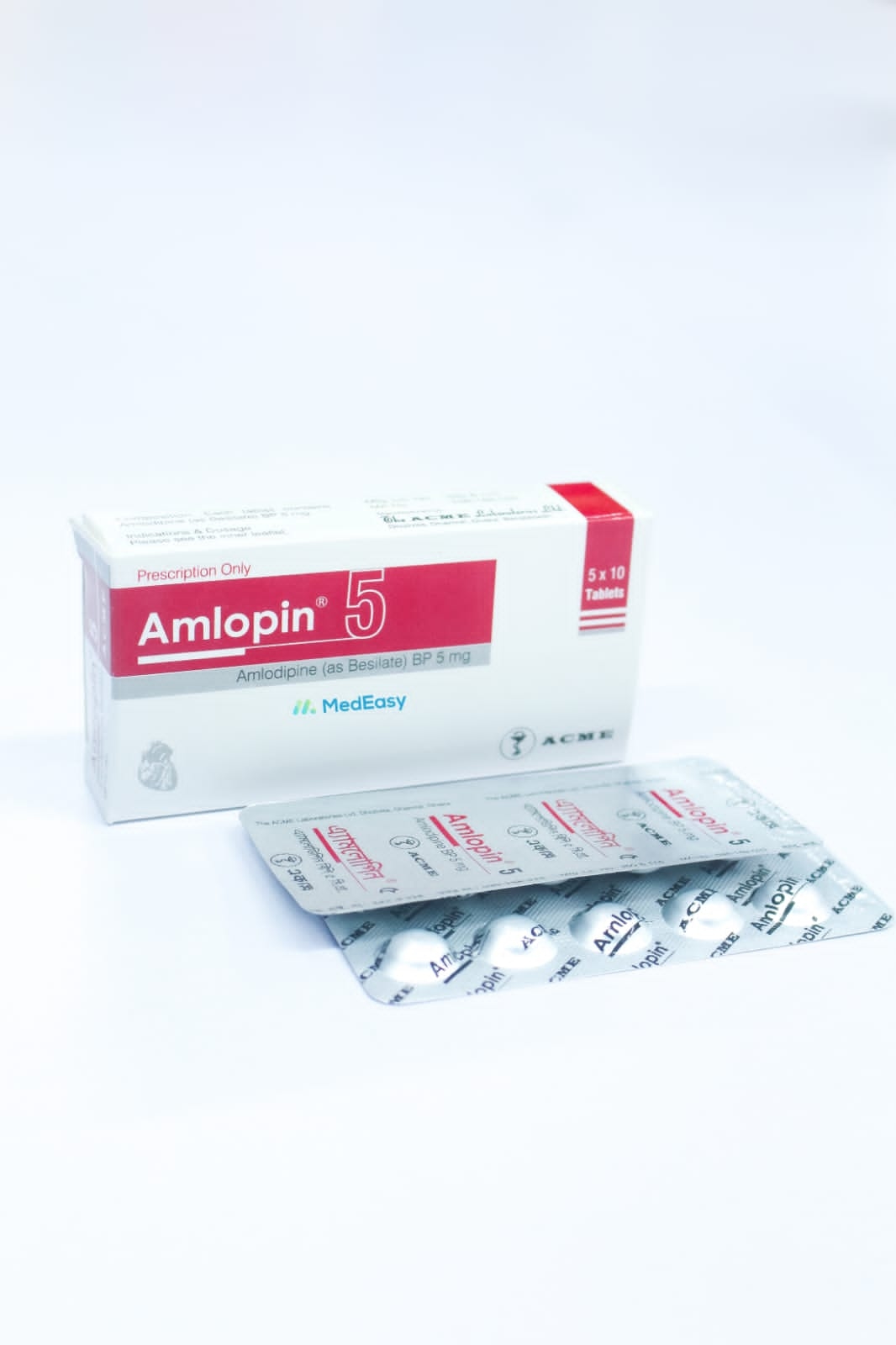
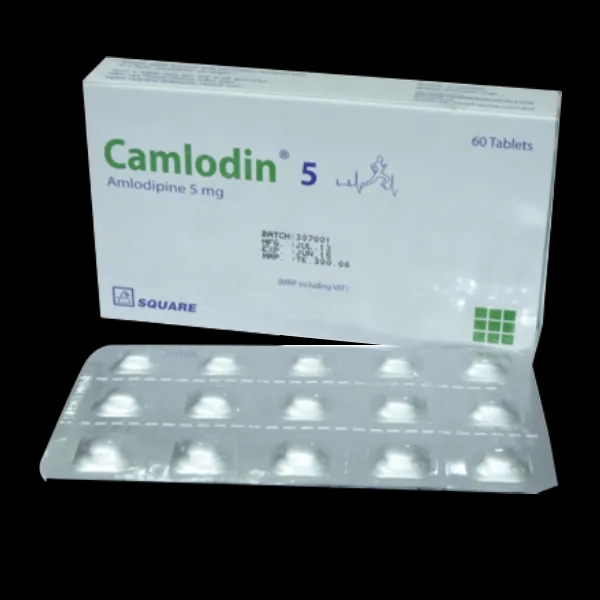
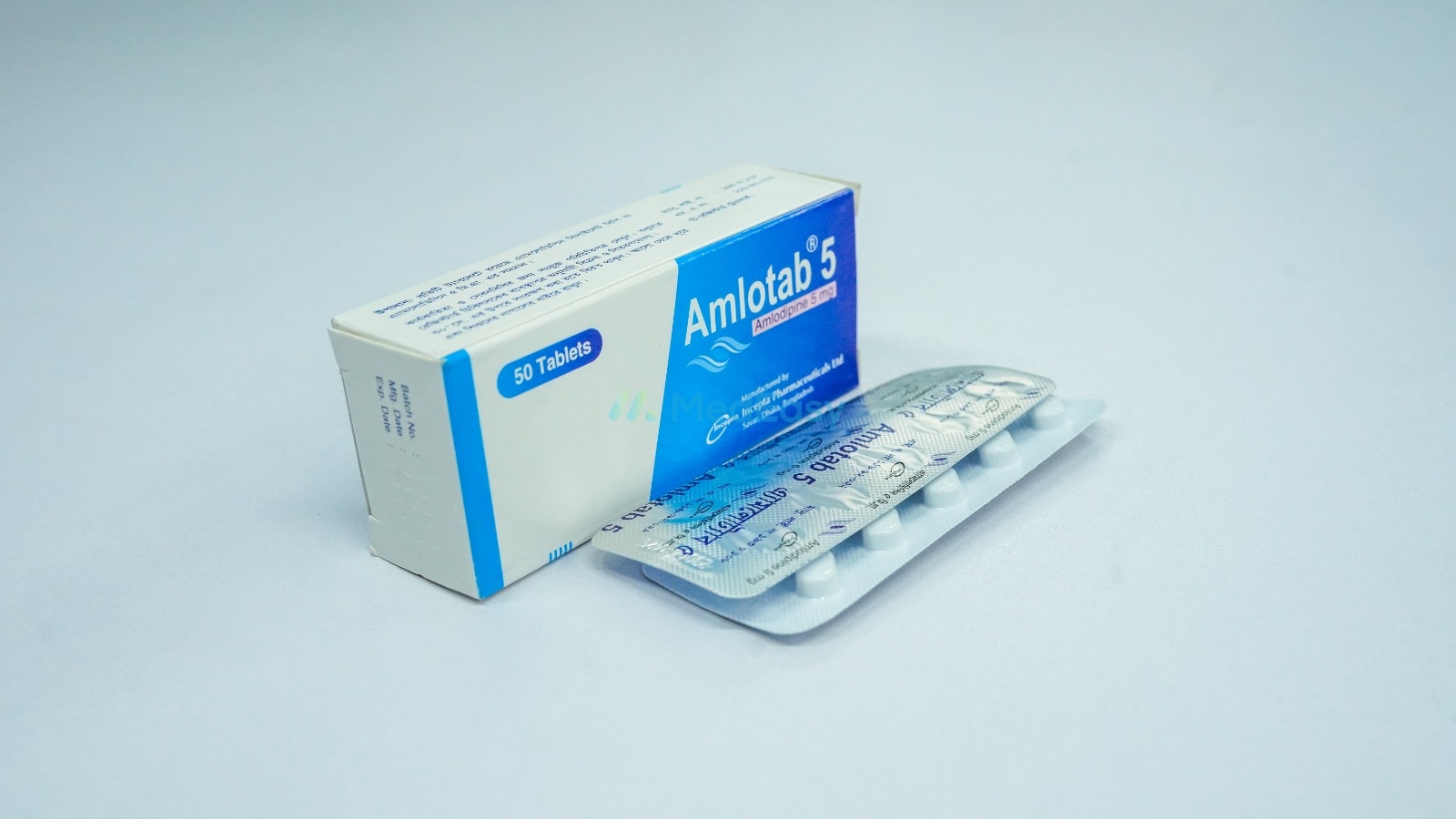
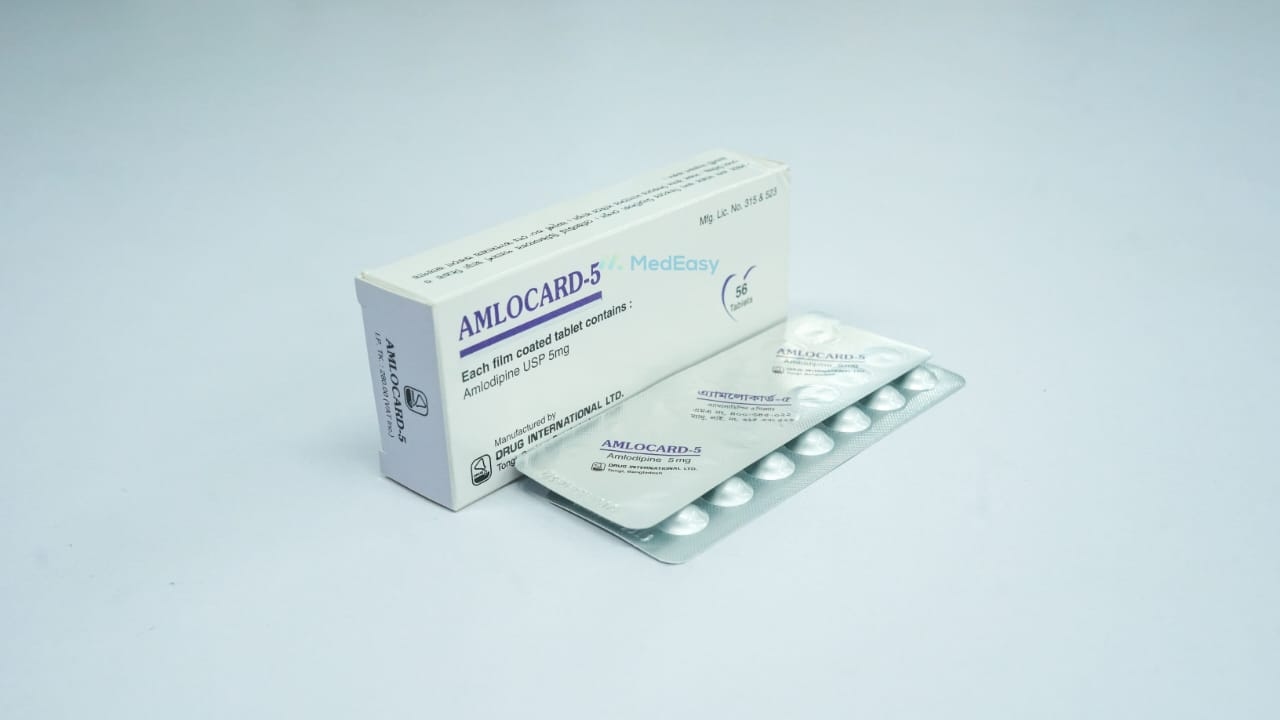
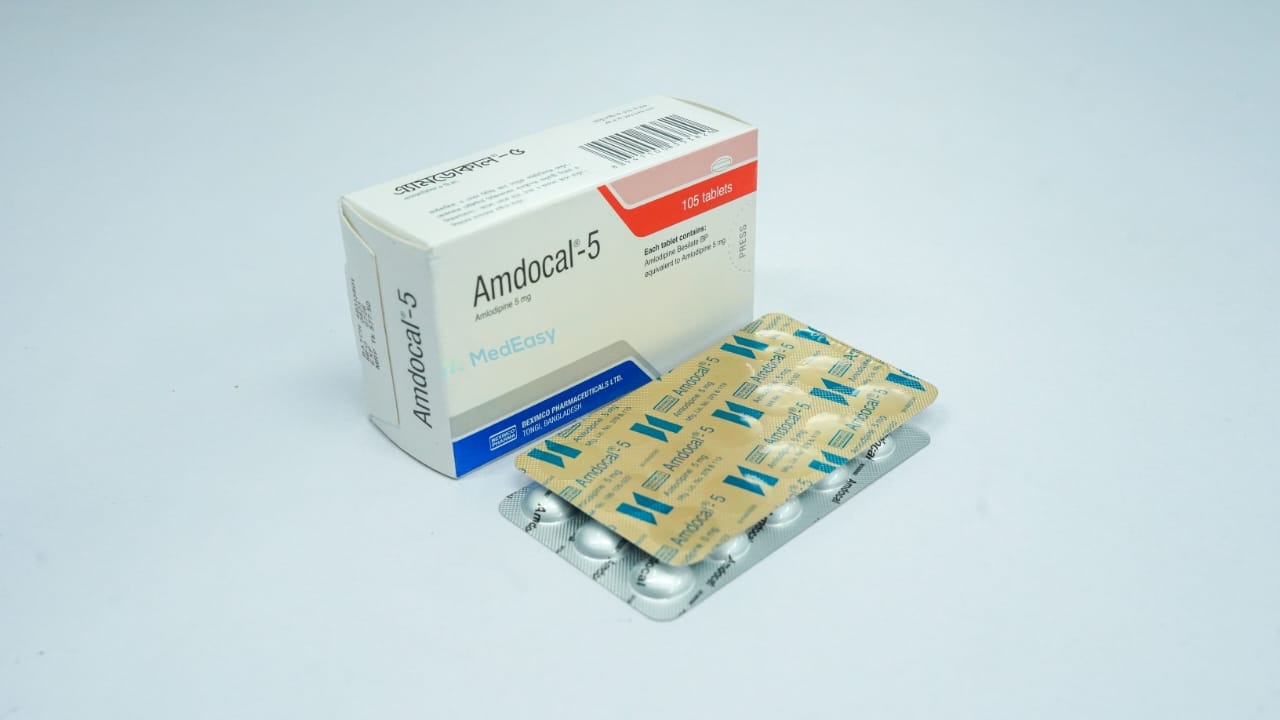
Amdocal5 mg
Beximco Pharmaceuticals Ltd.
৳74.25
Add to cart

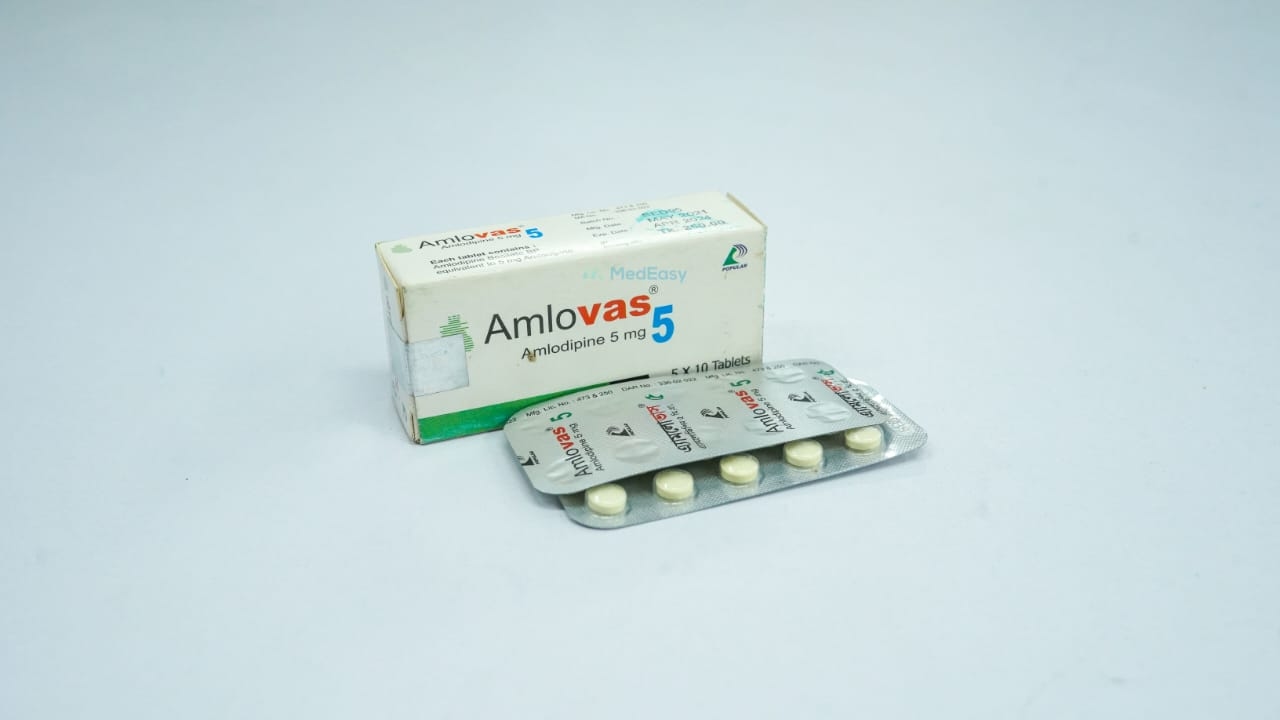
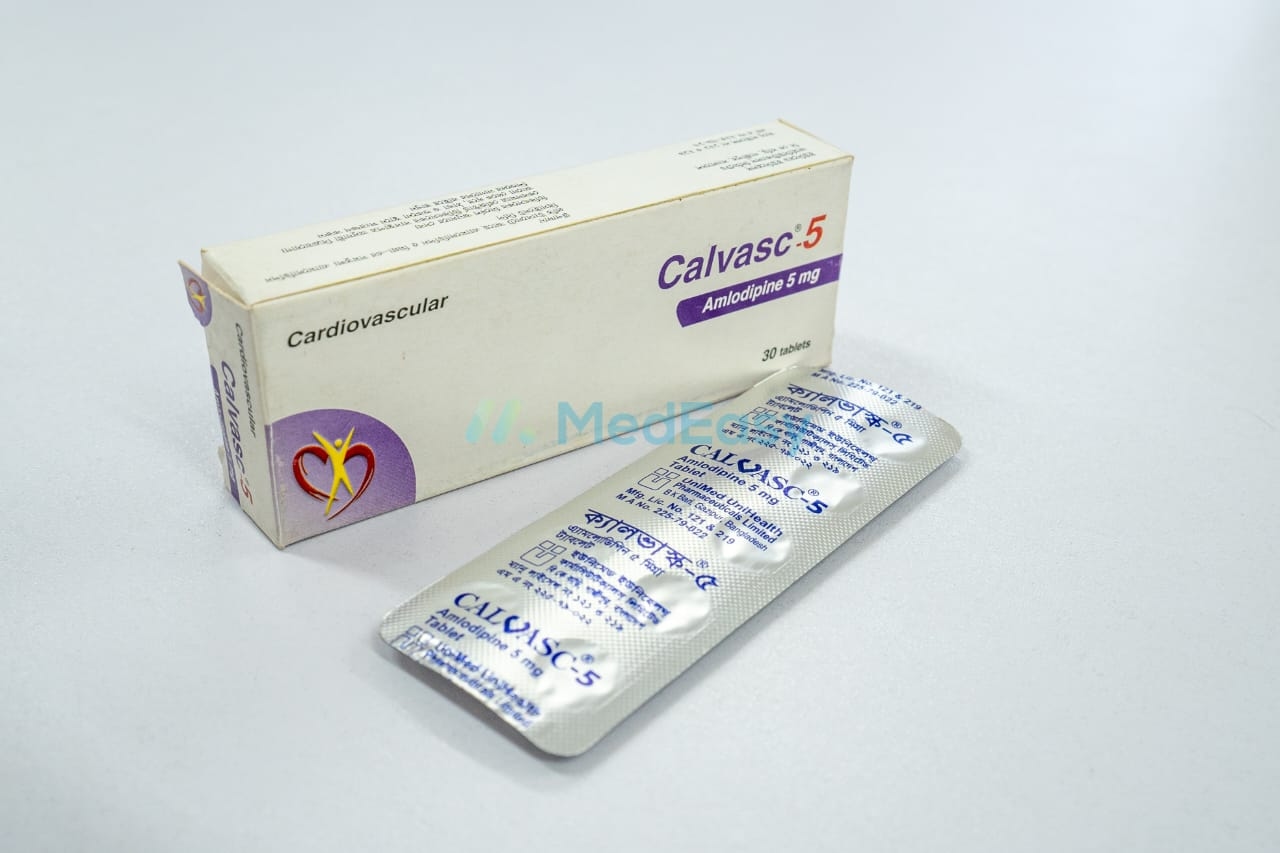
Hipre 5 mg Tablet is available on MedEasy for ৳4.60 per piece, with home delivery anywhere in Bangladesh. It is manufactured by Pacific Pharmaceuticals Ltd. Its generic name is Amlodipine.

Hipre is established (FDA-approved) for the treatment of hypertension, used alone or in combination with other antihypertensive agents, to lower blood pressure in adults and in children 6 years of age and older.
Hipre is established for the treatment of chronic stable angina, used alone or in combination with other anti-anginal agents, to reduce the frequency of angina episodes.
Hipre is established for the treatment of confirmed or suspected vasospastic (Prinzmetal's variant) angina.
Hipre is guideline-supported for use in patients with angiographically documented coronary artery disease, to reduce the risk of hospitalization for angina and the need for revascularization procedures, in patients without heart failure or an ejection fraction below 40%.
Each tablet contains Amlodipine (formulated as amlodipine besilate/besylate) as the active ingredient. In Bangladesh, Amlodipine is available as 2.5 mg, 5 mg, and 10 mg tablets, and is also marketed in fixed-dose combination products with other antihypertensive agents such as valsartan, olmesartan, telmisartan, atenolol, bisoprolol, or benazepril.
Hipre is a long-acting calcium channel blocker of the dihydropyridine class, used primarily to treat high blood pressure (hypertension) and certain types of chest pain (angina). It works by relaxing and widening blood vessels, which lowers blood pressure and reduces the heart's workload, and by improving blood flow to the heart muscle in angina. Hipre is taken once daily and has a long duration of action, providing smooth, sustained blood pressure control over 24 hours. It is one of the most widely prescribed antihypertensive medicines worldwide and is commonly used both as a single-ingredient tablet and in fixed-dose combinations with other blood pressure medicines.
Calcium Channel Blocker (Dihydropyridine class)
Amlodipine is slowly and almost completely absorbed after oral administration, with peak plasma concentrations reached 6 to 12 hours after dosing; bioavailability is not significantly affected by food. It is extensively (about 90%) metabolized in the liver, mainly via the CYP3A4 pathway, to inactive metabolites, and has a long elimination half-life of approximately 30 to 50 hours, which allows once-daily dosing and results in gradual onset and offset of effect. Steady-state plasma levels are reached after 7 to 8 days of continuous once-daily dosing. Amlodipine is highly protein-bound (about 93%) and is excreted mainly in the urine as metabolites, with a small fraction excreted unchanged.
Dosing of Hipre depends on the indication being treated, the patient's age, and hepatic function, and should always be individualized by a healthcare professional. Hipre is generally started at a low dose and titrated gradually based on blood pressure or anginal response.
Hipre should be used during pregnancy only if clearly needed and if the potential benefit justifies the potential risk to the fetus; a physician should always be consulted before use in pregnancy. Data on Hipre use in human pregnancy are limited. Calcium channel blockers, including Hipre, are sometimes used cautiously under obstetric and specialist supervision for management of hypertension arising in pregnancy, but this should only be done as directed by a treating physician, with the lowest effective dose and close monitoring.
Hipre passes into breast milk in small amounts. Because information on effects in nursing infants is limited, a decision should be made, in consultation with a physician, whether to continue breastfeeding or continue/discontinue Hipre, taking into account the benefit of breastfeeding and the mother's clinical need for the medicine.
Overdose of Hipre can cause excessive peripheral vasodilation leading to marked and potentially prolonged hypotension, and reflex tachycardia; shock and death have been reported with substantial overdose. If an overdose of Hipre is suspected, seek immediate medical attention or contact a poison control center right away; do not attempt home treatment. Management is supportive and may include close monitoring of cardiac and respiratory function, elevation of the extremities, careful attention to circulating fluid volume, and vasopressor support if needed to maintain vascular tone and blood pressure, under medical supervision. Because Hipre is highly protein-bound, hemodialysis is not expected to be of significant benefit.
Store at room temperature (below 30°C), away from light and moisture. Keep out of reach of children.
Hipre is typically used long-term for the ongoing control of hypertension and chronic angina, since these are chronic conditions requiring continuous management rather than short-term treatment. The duration of therapy is determined by the prescribing physician based on blood pressure control, symptom response, and tolerability, with periodic follow-up to reassess the continued need for and dose of Hipre. Hipre should not be stopped abruptly without medical advice, particularly in patients being treated for angina.
Calcium Channel Blocker - Dihydropyridine derivative
Amlodipine works by inhibiting the transmembrane influx of calcium ions into vascular smooth muscle and cardiac muscle cells through voltage-gated L-type calcium channels. By reducing calcium entry into vascular smooth muscle, Amlodipine causes relaxation (vasodilation) of coronary and peripheral arterioles, which lowers peripheral vascular resistance and blood pressure and improves blood flow and oxygen delivery to the heart muscle, relieving angina. Because it has a long half-life and gradual onset of action, Amlodipine produces smooth, sustained vasodilation with minimal reflex increase in heart rate compared with shorter-acting dihydropyridines.
C
Hipre's antihypertensive effect has been established in pediatric patients 6 to 17 years of age, based on studies in this age group; the typical dose is 2.5 to 5 mg once daily, and doses above 5 mg daily have not been studied in children. Safety and efficacy of Hipre for hypertension in children below 6 years of age, and for angina or coronary artery disease at any pediatric age, have not been established, so use in these situations should only occur under specialist medical direction. As with adults, treatment in children should start at the lower end of the dose range with monitoring of blood pressure and tolerability.
Q: What is Hipre 5 mg Tablet used for?
A: Hipre 5 mg Tablet is used to treat high blood pressure (hypertension) and certain types of chest pain (chronic stable angina and vasospastic/Prinzmetal's angina), and is also used in some patients with documented coronary artery disease. It works by relaxing blood vessels, which lowers blood pressure and improves blood flow to the heart.
Q: How should I take Hipre 5 mg Tablet?
A: Hipre 5 mg Tablet is usually taken once a day, with or without food, at about the same time each day. It is important to keep taking Hipre 5 mg Tablet as prescribed even if you feel well, since high blood pressure often has no symptoms. See Dosage and Administration for typical doses.
Q: What are the most common side effects of Hipre 5 mg Tablet?
A: The most common side effects of Hipre 5 mg Tablet are swelling of the ankles or feet, dizziness, flushing, headache, palpitations, and fatigue. Swelling is dose-related and is one of the most common reasons people stop the medicine; tell your doctor if it bothers you. See Side Effects for more details.
Q: Is Hipre 5 mg Tablet safe to take during pregnancy or while breastfeeding?
A: Hipre 5 mg Tablet should only be used in pregnancy if clearly needed and if the potential benefit outweighs the potential risk to the baby, and only under a doctor's guidance; data in human pregnancy are limited. Hipre 5 mg Tablet passes into breast milk in small amounts, so whether to breastfeed while taking it should be decided together with your doctor. See Pregnancy and Lactation for full details.
Q: Can I stop taking Hipre 5 mg Tablet suddenly?
A: You should not stop taking Hipre 5 mg Tablet suddenly without talking to your doctor, especially if you are being treated for angina. Your doctor can advise on whether and how to adjust or stop treatment safely.
Q: Does Hipre 5 mg Tablet interact with other medicines?
A: Yes. Hipre 5 mg Tablet can raise blood levels of simvastatin (increasing muscle injury risk, so simvastatin is usually limited to 20 mg daily if taken together), and its own levels can be increased by strong CYP3A4 inhibitors (such as clarithromycin or itraconazole) or reduced by strong inducers (such as rifampin). It also has an additive blood-pressure-lowering effect with other antihypertensive medicines. Always tell your doctor and pharmacist about all medicines you take. See Interaction for full details.
Disclaimer
The information provided is accurate to the best of our knowledge, but it does not replace professional medical advice. We cannot guarantee its completeness or accuracy, and the absence of specific information about a drug should not be taken as an endorsement. We are not responsible for any consequences arising from this information, so please consult a healthcare professional for any concerns or questions.