8% Off
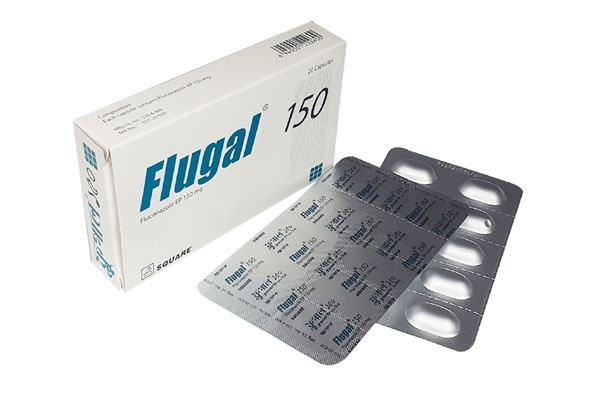
Flugal150 mg
Square Pharmaceuticals PLC.
৳203.69
Add to cart

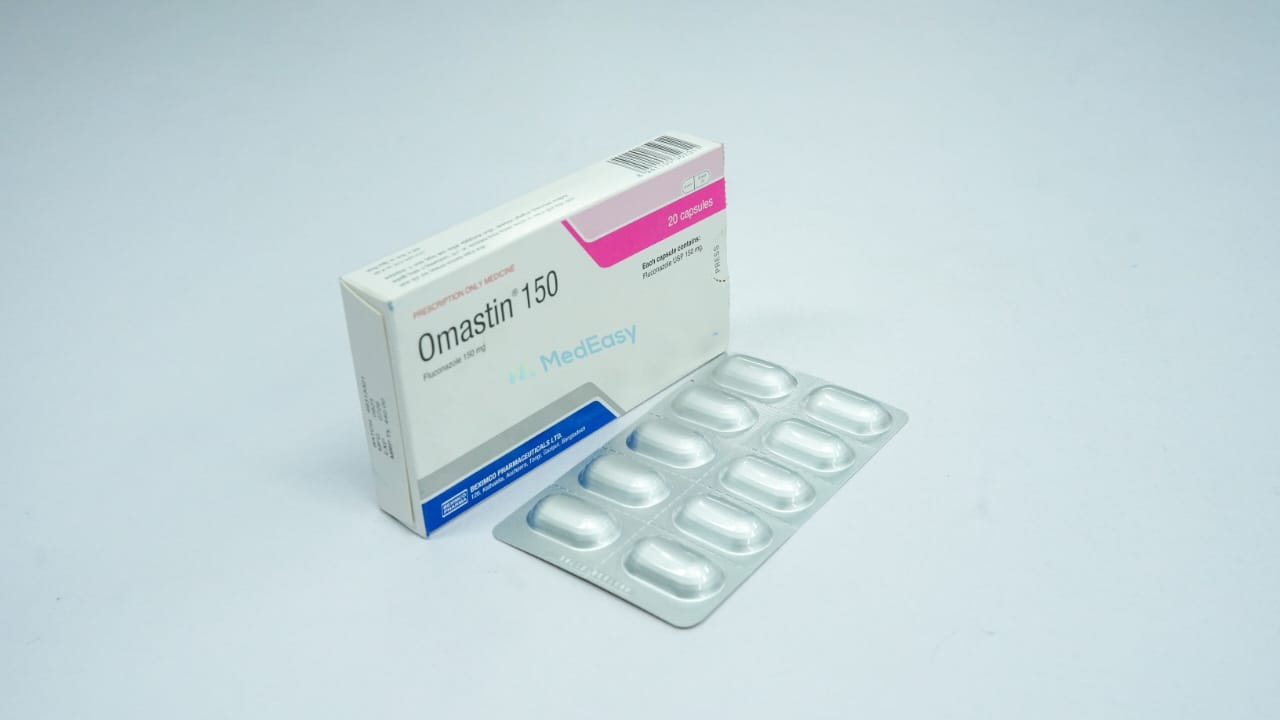
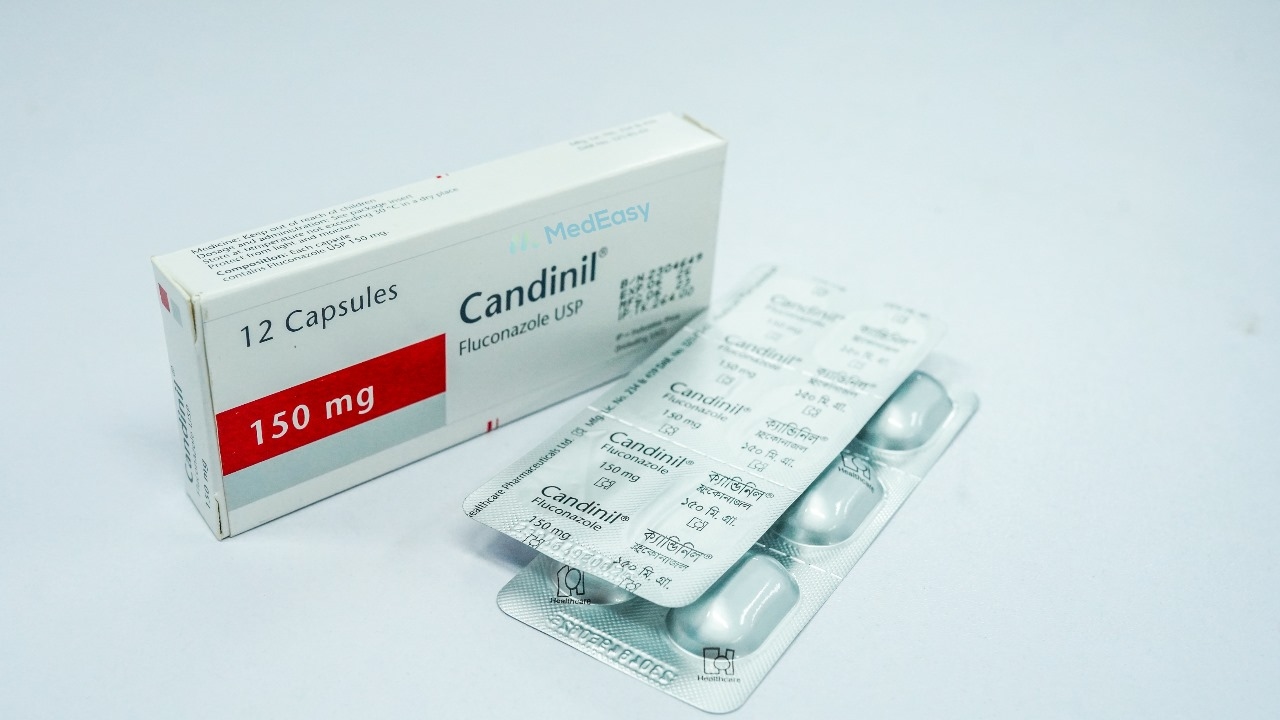
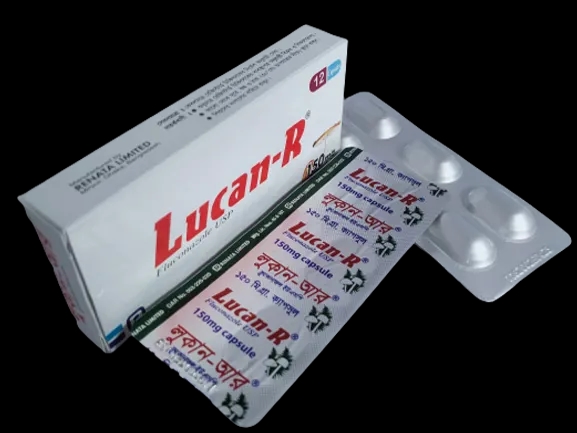
Iluca 150 mg Capsule is available on MedEasy for ৳20.70 per piece, with home delivery anywhere in Bangladesh. It is manufactured by Ibn-Sina Pharmaceuticals Ltd. Its generic name is Fluconazole.

Iluca is a triazole antifungal used to treat and prevent a range of fungal (candidal and cryptococcal) infections. Its indications can be classified by strength of evidence as follows:
Use of Iluca should always be guided by a physician's diagnosis and, where possible, fungal culture/susceptibility results.
Each dosage unit of Fluconazole contains Fluconazole as the active pharmaceutical ingredient. It is available in multiple strengths and dosage forms, including capsules/tablets (50 mg, 100 mg, 150 mg, 200 mg), oral suspension (typically 50 mg/5 mL), and intravenous infusion (2 mg/mL, e.g. 100 mg/50 mL or 200 mg/100 mL). Inactive ingredients vary by manufacturer and formulation; refer to the specific product label for excipient details.
Iluca is a synthetic, broad-spectrum triazole antifungal agent. It is highly water-soluble and, unlike many older azole antifungals, has excellent oral bioavailability (over 90%), good penetration into cerebrospinal fluid and other body tissues, and a long elimination half-life that generally allows once-daily dosing. Iluca is used worldwide for the treatment and prevention of a range of candidal and cryptococcal fungal infections.
Iluca belongs to the triazole antifungal class of medicines.
Fluconazole works by inhibiting the fungal cytochrome P450 enzyme 14-alpha-demethylase, which is required for conversion of lanosterol to ergosterol, an essential component of the fungal cell membrane. By blocking this enzyme, Fluconazole depletes ergosterol and causes accumulation of methylated sterol precursors, disrupting fungal cell membrane structure and function. This inhibits fungal growth and replication (a fungistatic effect against most Candida species, though it can be fungicidal against some organisms such as Cryptococcus neoformans at achievable concentrations).
Fluconazole is much more selective for fungal cytochrome P450 enzymes than for human cytochrome P450 enzymes compared with older azoles, which contributes to its relatively favorable tolerability profile, although clinically significant human CYP450 interactions still occur (see Drug Interactions).
After oral administration, Fluconazole is rapidly and almost completely absorbed, with peak plasma concentrations reached within 1-2 hours and an elimination half-life of approximately 30 hours, supporting once-daily or once-weekly dosing regimens depending on the indication. It is eliminated primarily unchanged by the kidneys.
Iluca may be given orally (capsule/tablet or oral suspension) or by slow intravenous infusion; the oral and intravenous doses are the same because of high oral bioavailability. Iluca may be taken with or without food.
| Indication | Typical Adult Dose |
|---|---|
| Vaginal candidiasis | 150 mg as a single oral dose |
| Oropharyngeal candidiasis | 200 mg on day 1, then 100 mg once daily for at least 2 weeks |
| Esophageal candidiasis | 200 mg on day 1, then 100 mg once daily (up to 400 mg/day if needed) for a minimum of 3 weeks and at least 2 weeks after symptom resolution |
| Systemic candidiasis (e.g. candidemia) | Usually 400 mg on day 1, then 200-400 mg once daily; duration guided by clinical response |
| Cryptococcal meningitis (treatment) | 400 mg on day 1, then 200-400 mg once daily for 10-12 weeks after cerebrospinal fluid culture becomes negative |
| Cryptococcal meningitis (suppressive/maintenance therapy) | 200 mg once daily, long-term, in appropriate patients |
| Prophylaxis in bone marrow transplant recipients | 400 mg once daily, started before anticipated neutropenia and continued for 7 days after neutrophil count recovery |
| Dermatophyte infections (e.g. tinea corporis/cruris/pedis) | 150 mg once weekly for 2-6 weeks, per physician guidance |
Dose adjustment is required in patients with renal impairment (see Use in Special Populations).
Antimicrobial stewardship: Take Iluca exactly as prescribed by your physician; do not stop, extend, skip doses, or share this medicine with others without medical advice, even if symptoms improve before the course is finished.
Iluca capsules/tablets and oral suspension should be swallowed with a glass of water and can be taken with or without food. The oral suspension should be shaken well before use and measured with an accurate dosing device. The intravenous formulation of Iluca is for hospital use only and must be administered by slow IV infusion (not exceeding a rate of about 200 mg/hour) by a qualified healthcare professional; it should not be mixed with other infusions unless compatibility has been confirmed.
Iluca is a moderate-to-potent inhibitor of the CYP2C9 and CYP3A4 hepatic enzyme systems and can significantly increase plasma concentrations of drugs metabolized by these pathways. Clinically significant, well-verified interactions include:
Patients should inform their physician of all medications they are taking before starting Iluca.
Fluconazole is contraindicated in:
Most patients tolerate Iluca well. Reported side effects include:
Patients should seek prompt medical attention if serious symptoms occur while taking Iluca.
Pregnancy: A single low dose (150 mg) of Iluca used for vaginal candidiasis has not been clearly shown to increase congenital anomaly risk in most studies, but higher doses (400-800 mg/day) or prolonged use during the first trimester have been associated with a pattern of rare, distinct congenital anomalies (including cleft palate, abnormal skull shape, limb bowing, and cardiac defects) in case reports and some observational studies. Iluca should be used in pregnancy only if clearly needed and the potential benefit justifies the potential risk to the fetus; a physician should be consulted before use in pregnancy or suspected pregnancy, and prolonged/high-dose regimens should generally be avoided unless treating a serious or life-threatening infection.
Lactation: Iluca passes into breast milk at concentrations similar to maternal plasma. A single-dose regimen is generally considered compatible with breastfeeding by many references, but a physician should be consulted, particularly for higher or repeated doses, and the infant should be monitored for gastrointestinal effects.
Hepatotoxicity: Rare but serious hepatic reactions, including fatal hepatic failure, have been reported with Iluca, primarily but not exclusively in patients with serious underlying medical conditions. Liver function should be monitored in patients receiving prolonged or high-dose therapy, and Iluca should be discontinued if signs or symptoms of liver disease develop.
QT prolongation: Iluca has been associated with QT interval prolongation and, rarely, torsades de pointes. Use with caution in patients with structural heart disease, electrolyte abnormalities (hypokalemia, hypomagnesemia), or concurrent use of other QT-prolonging drugs, and avoid the specific contraindicated combinations (see Contraindications).
Drug interactions: Iluca has significant potential for interaction with other medicines via CYP450 inhibition; review all concurrent medications, including warfarin, sulfonylureas, phenytoin, cyclosporine, and tacrolimus, before and during treatment (see Drug Interactions).
Dermatologic reactions: Rare, serious exfoliative skin reactions (e.g. Stevens-Johnson syndrome, toxic epidermal necrolysis) have occurred; discontinue Iluca if a progressive rash develops.
Adrenal function: Rare cases of adrenal insufficiency have been reported; monitor patients with adrenal dysfunction or those on chronic corticosteroid therapy.
Antimicrobial stewardship: Take Iluca exactly as prescribed by your physician; do not stop, extend, skip doses, or share this medicine with others without medical advice.
Symptoms reported with Iluca overdose have included hallucinations and paranoid behavior. In case of a suspected overdose of Iluca, seek immediate medical attention or contact a poison control center/emergency services. Management is supportive, with general measures (such as gastric lavage if presenting soon after ingestion, and supportive care) as directed by medical professionals; Iluca is significantly cleared by hemodialysis (approximately 50% reduction in plasma levels over about 3 hours), which may be considered in severe cases under medical supervision. Do not attempt to manage an overdose at home.
Store at room temperature (below 30°C), away from light and moisture. Keep out of reach of children. The oral suspension, once reconstituted, should be used within the period specified on the label (typically within 2 weeks) and stored as directed. Do not freeze the injectable/IV formulation.
Iluca is primarily eliminated by the kidneys; dose reduction (e.g. giving 50% of the usual dose, or extending the dosing interval) is recommended in patients with reduced creatinine clearance, and patients on regular hemodialysis should receive a full dose after each dialysis session.
Data are limited; use Iluca with caution and monitor liver function closely in patients with hepatic impairment.
Dose adjustment is generally based on renal function rather than age alone; use standard adult dosing unless renal impairment is present.
See Pediatric Uses.
Duration of Iluca therapy is indication-specific: a single dose for uncomplicated vaginal candidiasis; at least 2-3 weeks (and at least 2 weeks beyond symptom resolution) for oropharyngeal/esophageal candidiasis; 10-12 weeks after cerebrospinal fluid culture conversion for cryptococcal meningitis, sometimes followed by long-term suppressive therapy; and until neutrophil recovery plus 7 days for bone marrow transplant prophylaxis. The prescribing physician determines exact duration based on clinical and, where available, microbiological response; the full prescribed course of Iluca should always be completed unless a physician advises otherwise.
The oral powder for suspension form of Iluca should be reconstituted with the volume of water specified on the label (to make, for example, 50 mg/5 mL) and shaken well before each use; refer to the product-specific label for exact reconstitution instructions, as these vary by manufacturer and pack size.
Fluconazole is classified as a triazole antifungal, part of the broader azole antifungal drug class.
Fluconazole selectively inhibits the fungal cytochrome P450 enzyme lanosterol 14-alpha-demethylase, blocking conversion of lanosterol to ergosterol. Depletion of ergosterol, an essential fungal cell membrane component, disrupts membrane integrity and function, inhibiting fungal cell growth and replication.
C (single low-dose regimen for vaginal candidiasis); D (higher-dose or prolonged regimens for other indications) — legacy FDA pregnancy categories.
Iluca is approved for use in pediatric patients (including neonates) for treatment of candidiasis and cryptococcal meningitis, dosed on a weight basis (typically 3-12 mg/kg/day depending on indication and severity, not to exceed the maximum adult dose), under close physician supervision. Safety and efficacy for indications and dosing regimens not specifically studied in children have not been established, and pediatric dosing should always be individualized and supervised by a pediatrician. Common adverse effects in children are similar to adults (vomiting, abdominal pain, nausea).
Q: What is Iluca 150 mg Capsule used for?
A: Iluca 150 mg Capsule is a triazole antifungal medicine used to treat fungal infections such as vaginal candidiasis, oral and esophageal thrush, systemic candida infections, and cryptococcal meningitis, and to prevent fungal infections in certain immunocompromised patients.
Q: How should I take Iluca 150 mg Capsule?
A: Take Iluca 150 mg Capsule exactly as prescribed by your physician, with or without food. Depending on your condition, this may be a single dose or a daily dose for a set number of days or weeks. Do not stop, extend, skip doses, or share this medicine with others without medical advice, even if you feel better before finishing the course.
Q: Can I take Iluca 150 mg Capsule during pregnancy?
A: Iluca 150 mg Capsule should be used in pregnancy only if clearly needed, since higher doses or prolonged use in early pregnancy have been linked to rare birth defects, while a single low dose for vaginal candidiasis appears to carry a lower risk. Always consult your physician before taking Iluca 150 mg Capsule if you are pregnant or trying to become pregnant.
Q: What are the common side effects of Iluca 150 mg Capsule?
A: The most common side effects of Iluca 150 mg Capsule are headache, nausea, abdominal pain, diarrhea, and rash. Most side effects are mild, but you should seek medical attention immediately if you notice yellowing of the skin or eyes, severe rash, or signs of an allergic reaction.
Q: Can Iluca 150 mg Capsule interact with other medicines?
A: Yes. Iluca 150 mg Capsule can significantly interact with warfarin, sulfonylurea diabetes medicines, phenytoin, cyclosporine, tacrolimus, and certain heart-rhythm or allergy medicines. Always tell your physician or pharmacist about all medicines you are taking before starting Iluca 150 mg Capsule.
Q: What should I do if I miss a dose or take too much Iluca 150 mg Capsule?
A: If you miss a dose of a multi-day Iluca 150 mg Capsule regimen, take it as soon as you remember unless it is almost time for the next dose. If you or someone else has taken more Iluca 150 mg Capsule than prescribed, seek immediate medical attention or contact a poison control center right away.
Disclaimer
The information provided is accurate to the best of our knowledge, but it does not replace professional medical advice. We cannot guarantee its completeness or accuracy, and the absence of specific information about a drug should not be taken as an endorsement. We are not responsible for any consequences arising from this information, so please consult a healthcare professional for any concerns or questions.