8% Off
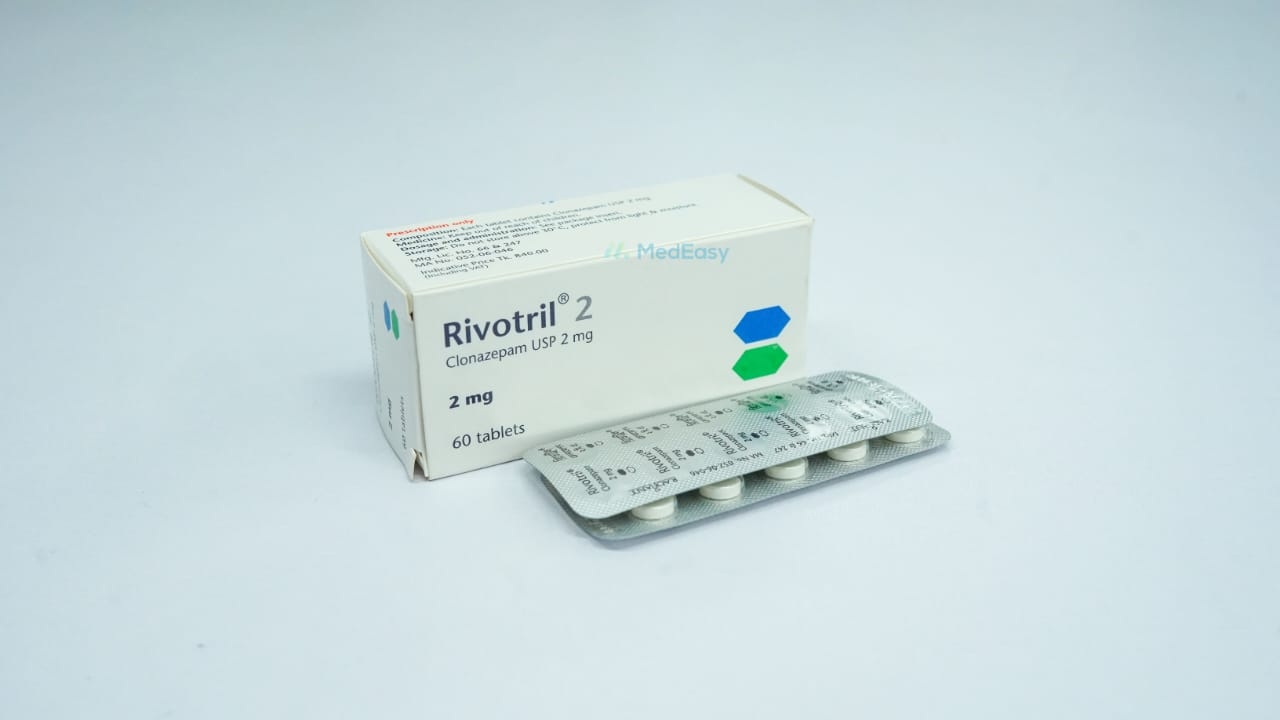
Rivotril2 mg
Radiant Pharmaceuticals Ltd.
৳128.80
Add to cart


Leptic is established (FDA-approved) as adjunctive or sole therapy in the management of certain seizure disorders, including Lennox-Gastaut syndrome (petit mal variant), akinetic seizures, myoclonic seizures, and absence seizures (petit mal), particularly when other agents have proven ineffective or are only partially effective.
Leptic is established (FDA-approved) for the treatment of panic disorder, with or without agoraphobia, in adults.
Leptic is also used off-label, under specialist guidance, for conditions such as certain movement disorders (e.g. restless legs syndrome, akathisia), acute mania or agitation as an adjunct, and short-term management of severe anxiety symptoms; these uses are not FDA-approved indications and evidence is more limited than for the approved uses above.
Leptic is not a first-line or standalone treatment for ordinary, situational anxiety or insomnia, and is not indicated for long-term use as a general sedative given its dependence potential.
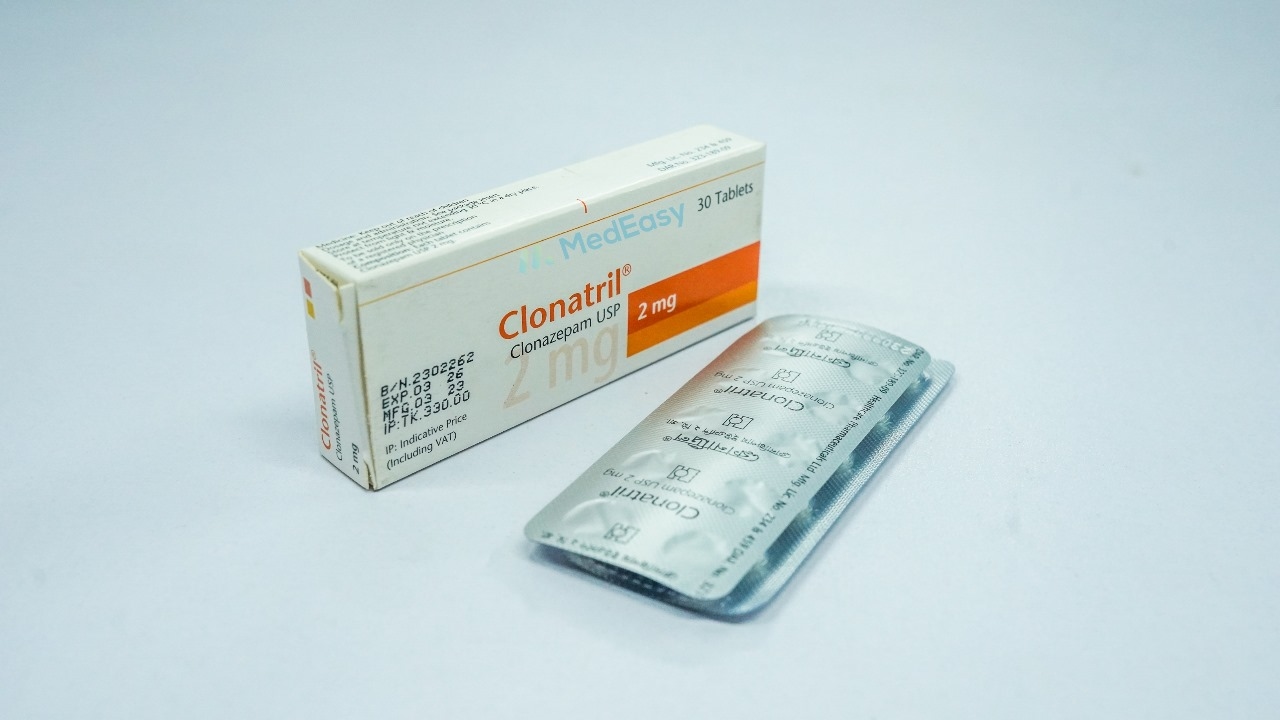
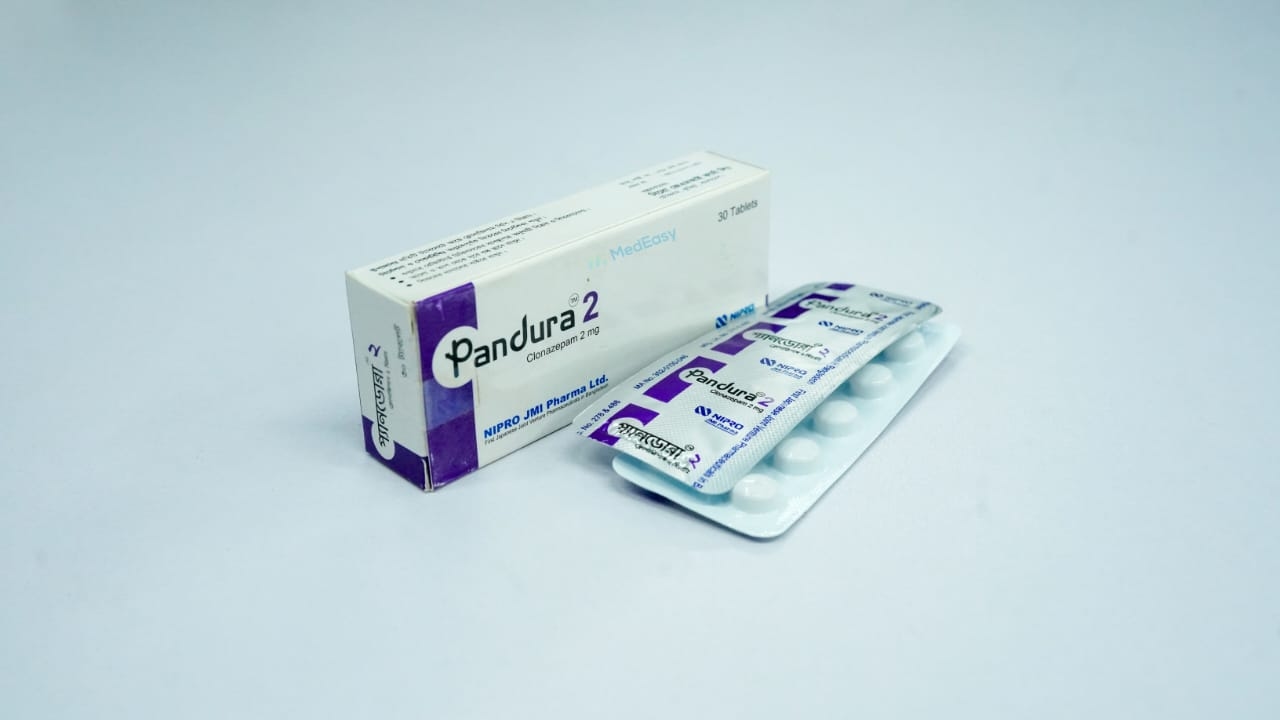
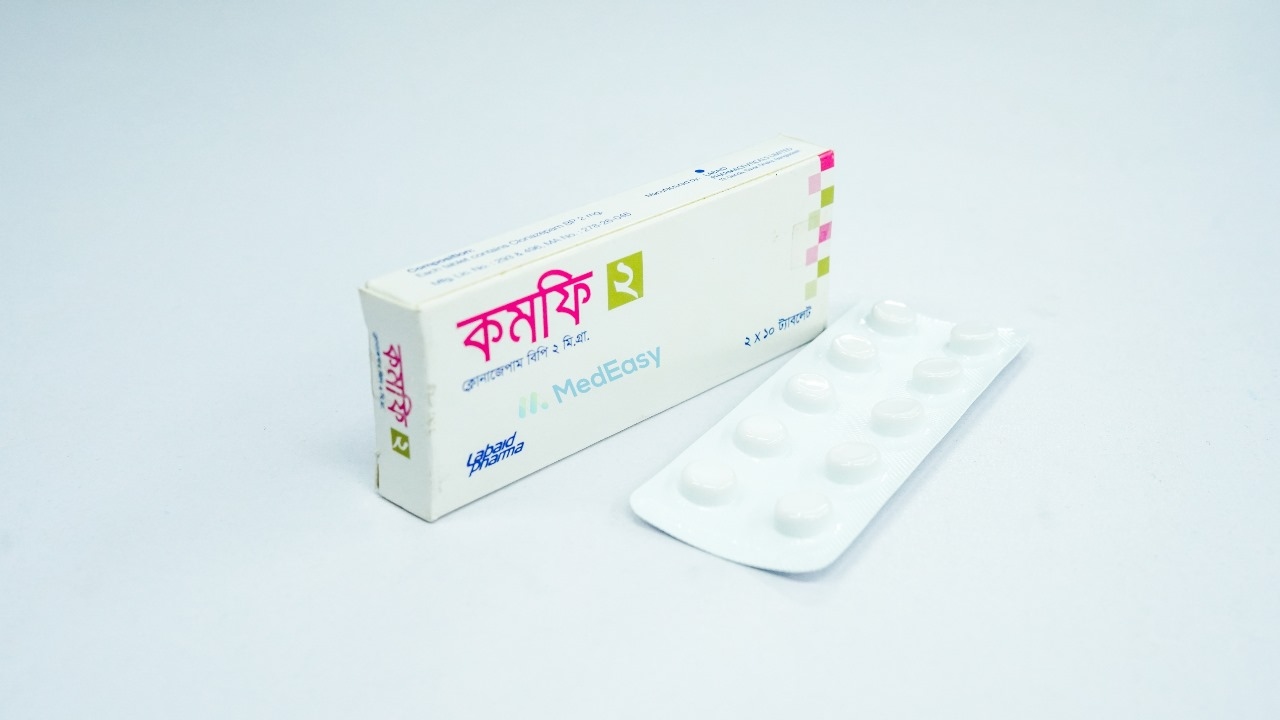
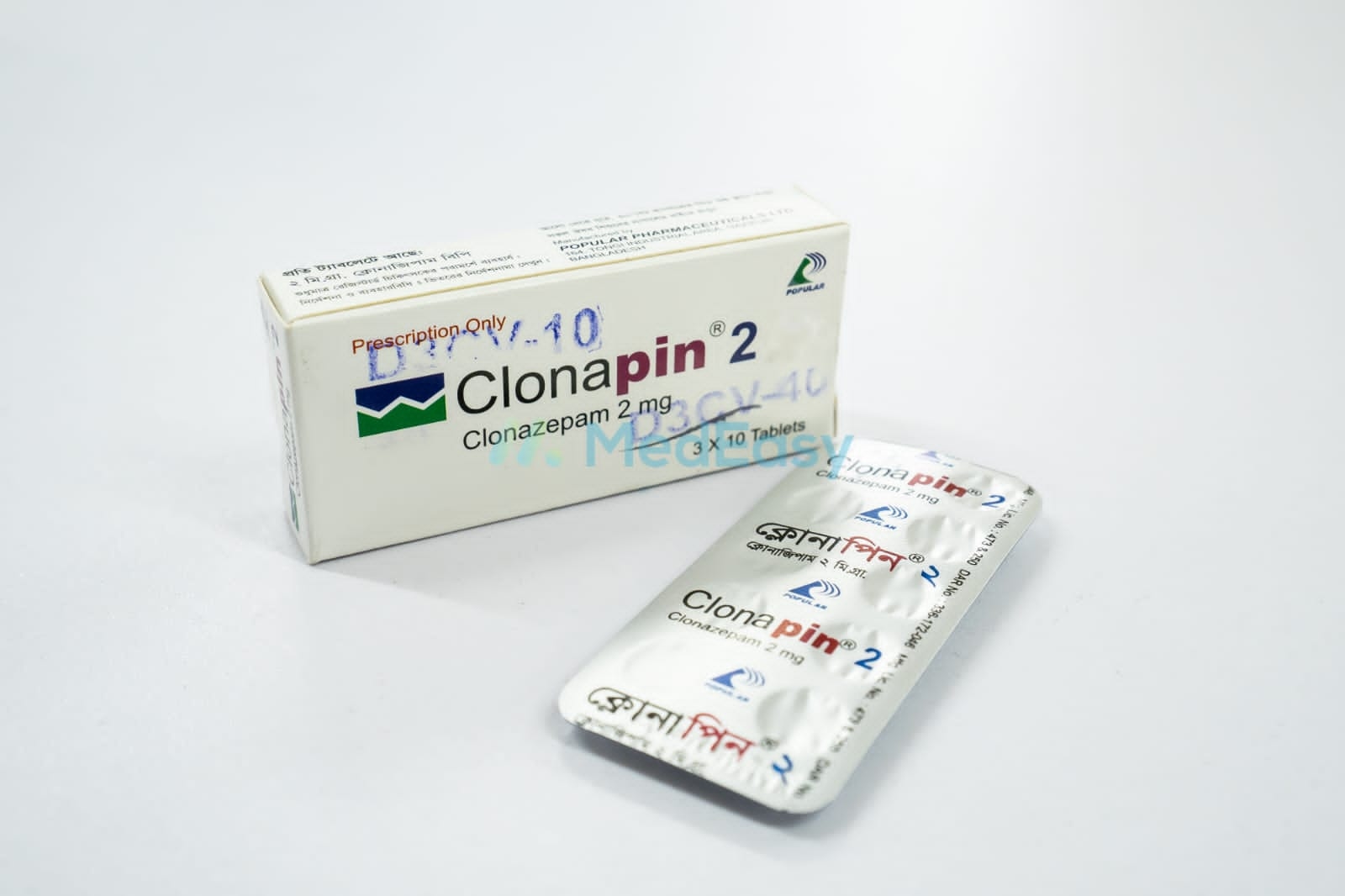
Each tablet contains Clonazepam INN as the active pharmaceutical ingredient, commonly available as 0.5 mg, 1 mg, and 2 mg oral tablets; orally disintegrating tablet formulations of Clonazepam also exist in some markets for patients who have difficulty swallowing.
Leptic is a long-acting benzodiazepine derivative used to control certain seizure disorders and to treat panic disorder. It works by enhancing the effect of gamma-aminobutyric acid (GABA), the brain's principal inhibitory neurotransmitter, which produces anticonvulsant, anxiolytic, sedative, and muscle-relaxant effects. Leptic is taken by mouth, usually starting at a low dose that is gradually adjusted by a physician to the lowest amount that controls symptoms with the fewest side effects. Because Leptic is a controlled substance with recognized potential for abuse, misuse, addiction, and physical dependence, it must be used strictly as prescribed and never stopped abruptly after regular use, since doing so can trigger serious withdrawal effects including seizures.
Benzodiazepine (Anticonvulsant / Anxiolytic)
Mechanism: Clonazepam is a benzodiazepine that binds to a specific site on the GABA-A receptor complex in the central nervous system, distinct from the GABA binding site itself. This binding increases the frequency of chloride-channel opening in response to GABA, potentiating GABA's inhibitory effect on neuronal excitability. The resulting widespread CNS depression produces anticonvulsant, sedative, muscle-relaxant, and anxiolytic effects, and Clonazepam rapidly suppresses the spike-and-wave discharge characteristic of absence seizures as well as other paroxysmal EEG abnormalities.
Pharmacokinetics: Clonazepam is well absorbed after oral administration, with bioavailability of approximately 90%, and is extensively bound to plasma proteins (roughly 85%). It is almost completely metabolized in the liver, mainly via the CYP3A4 enzyme pathway, to largely inactive metabolites that are excreted in the urine. Clonazepam has a long elimination half-life of approximately 30-40 hours, supporting once- to thrice-daily dosing and allowing steady plasma levels to build up over about a week of regular use.
Leptic dosing is individualized by indication and is started low, then increased gradually to the lowest dose that provides adequate control with tolerable side effects. Regimens differ for seizure disorders and panic disorder; see the table below and the Pediatric Uses and Use in Special Populations sections for further detail.
| Indication / Population | Typical Regimen |
|---|---|
| Adults - seizure disorders | Initial dose not exceeding 1.5 mg/day, given in 3 divided doses; increased in increments of 0.5-1 mg every 3 days until seizures are controlled or side effects preclude further increases; maximum recommended dose is 20 mg/day |
| Children - seizure disorders | Initial dose of 0.01-0.03 mg/kg/day (not to exceed 0.05 mg/kg/day), given in 2-3 divided doses; increased by 0.25-0.5 mg every third day to a target maintenance dose of about 0.1-0.2 mg/kg/day (see Pediatric Uses) |
| Adults - panic disorder | Initial dose of 0.25 mg twice daily; increased to the target dose of 1 mg/day after 3 days; some patients may require up to 4 mg/day, increased cautiously in increments of 0.125-0.25 mg twice daily every 3 days |
| Renal or hepatic impairment | Use with caution and consider a lower starting dose and slower titration, since Leptic is hepatically metabolized and impairment may prolong its effects (see Use in Special Populations) |
| Discontinuation (any indication) | Reduce the dose gradually, typically by no more than 0.125 mg twice daily every 3 days (or a comparably slow schedule set by the physician); never stop Leptic abruptly except in a medical emergency (see Precautions and Warnings) |
Clonazepam is contraindicated in patients with known hypersensitivity to Clonazepam or other benzodiazepines, in patients with significant liver disease, and in patients with acute narrow-angle glaucoma.
Leptic should be used during pregnancy only if clearly needed and the potential benefit to the mother justifies the potential risk to the fetus, and only under a physician's guidance. Benzodiazepines as a class, including Leptic, have been associated with a modest teratogenicity signal in some studies, and animal reproduction studies with Leptic have shown fetal malformations at doses comparable to those used in humans. Use of Leptic late in pregnancy or near delivery can cause neonatal sedation ("floppy infant" effects) and, with regular use, neonatal withdrawal symptoms after birth; infants exposed to Leptic in utero should be monitored accordingly.
Leptic passes into breast milk. Breastfeeding is generally not recommended during Leptic treatment because of the risk of sedation, poor feeding, and accumulation of the drug in the nursing infant; if a mother must continue Leptic, this should only be done after consulting a physician, with close monitoring of the infant for drowsiness or feeding difficulty.
Signs of Leptic overdose can include marked drowsiness progressing to confusion, impaired coordination, diminished reflexes, coma, and respiratory depression, particularly if taken with alcohol or other CNS depressants. An overdose of Leptic is a medical emergency. If overdose is suspected, seek immediate emergency medical attention or contact a poison control center right away; do not attempt to manage a suspected overdose at home. Treatment is supportive and provided in a medical facility, with close monitoring of breathing and cardiovascular status; a specific benzodiazepine antagonist may be considered by treating physicians in select cases but carries its own risks, including precipitating seizures in patients dependent on benzodiazepines.
Store at room temperature (below 30°C), away from light and moisture. Keep out of reach of children.
The duration of Leptic treatment is individualized by the prescribing physician based on the indication and the patient's response. For seizure disorders, Leptic may be used long-term with periodic reassessment of continued benefit, seizure control, and side effects. For panic disorder, Leptic is typically used for a defined trial period with periodic reassessment, since long-term benzodiazepine use carries dependence risk; many prescribers periodically attempt gradual dose reduction to determine if continued treatment is still needed. Whenever Leptic is stopped, the dose must be tapered down gradually rather than discontinued abruptly (see Precautions and Warnings).
Benzodiazepine; Anticonvulsant; Anxiolytic
Clonazepam binds to a specific benzodiazepine recognition site on the GABA-A receptor-chloride ionophore complex in the central nervous system, distinct from the GABA binding site. This binding enhances the affinity of the receptor for GABA and increases the frequency of GABA-mediated chloride channel opening, producing neuronal hyperpolarization and reduced neuronal excitability. This action raises the seizure threshold and dampens the spread of seizure activity, while also producing anxiolytic, sedative, and muscle-relaxant effects throughout the central nervous system.
D
For seizure disorders (Lennox-Gastaut syndrome, akinetic and myoclonic seizures), Leptic is used in pediatric patients with dosing individualized by body weight, starting at 0.01-0.03 mg/kg/day (not exceeding 0.05 mg/kg/day) in 2-3 divided doses and increased gradually, as in adults, to a target maintenance range under close physician supervision. Children may be more susceptible to paradoxical excitation, behavioral changes, and increased salivary and bronchial secretions with Leptic, and should be monitored closely. Safety and efficacy of Leptic for panic disorder have not been established in patients younger than 18 years, and it should not be used for this indication in children. As in adults, Leptic must never be stopped abruptly in a child who has been taking it regularly, because of the risk of withdrawal symptoms including seizures.
Q: What is Leptic 2 mg Tablet used for?
A: Leptic 2 mg Tablet is used to help control certain seizure disorders, including Lennox-Gastaut syndrome, akinetic seizures, myoclonic seizures, and absence seizures, and to treat panic disorder with or without agoraphobia in adults. It is not intended for routine, everyday anxiety or as a general sleep aid.
Q: Can I stop taking Leptic 2 mg Tablet suddenly if I feel better?
A: No. Leptic 2 mg Tablet should never be stopped abruptly after regular use, because doing so can cause serious withdrawal symptoms, including seizures, which can be life-threatening. If treatment needs to stop, your doctor will reduce the dose gradually over time.
Q: Is Leptic 2 mg Tablet addictive?
A: Yes, Leptic 2 mg Tablet is a controlled substance with a recognized risk of abuse, misuse, physical dependence, and addiction, especially with long-term use. It should be taken only as prescribed, for the shortest duration that is clinically appropriate, and never shared with others.
Q: Can I drink alcohol or take other sedating medicines with Leptic 2 mg Tablet?
A: No. Combining Leptic 2 mg Tablet with alcohol, opioids, or other central-nervous-system depressants can cause profound sedation, dangerously slowed breathing, coma, and death. Always tell your doctor about all other medicines you take before starting Leptic 2 mg Tablet.
Q: Is Leptic 2 mg Tablet safe during pregnancy or breastfeeding?
A: Leptic 2 mg Tablet should be used in pregnancy only if a physician determines the benefit clearly outweighs the potential risk to the baby, since benzodiazepines carry a modest risk signal for birth defects and can cause neonatal sedation or withdrawal if used near delivery. Leptic 2 mg Tablet passes into breast milk, and breastfeeding during treatment is generally not recommended without a physician's guidance and infant monitoring.
Q: What should I do if someone takes too much Leptic 2 mg Tablet?
A: An overdose of Leptic 2 mg Tablet is a medical emergency and can cause severe drowsiness, confusion, breathing difficulty, and coma, especially if combined with alcohol or other sedatives. Seek immediate emergency medical care or contact a poison control center right away rather than trying to manage it at home.
Disclaimer
The information provided is accurate to the best of our knowledge, but it does not replace professional medical advice. We cannot guarantee its completeness or accuracy, and the absence of specific information about a drug should not be taken as an endorsement. We are not responsible for any consequences arising from this information, so please consult a healthcare professional for any concerns or questions.