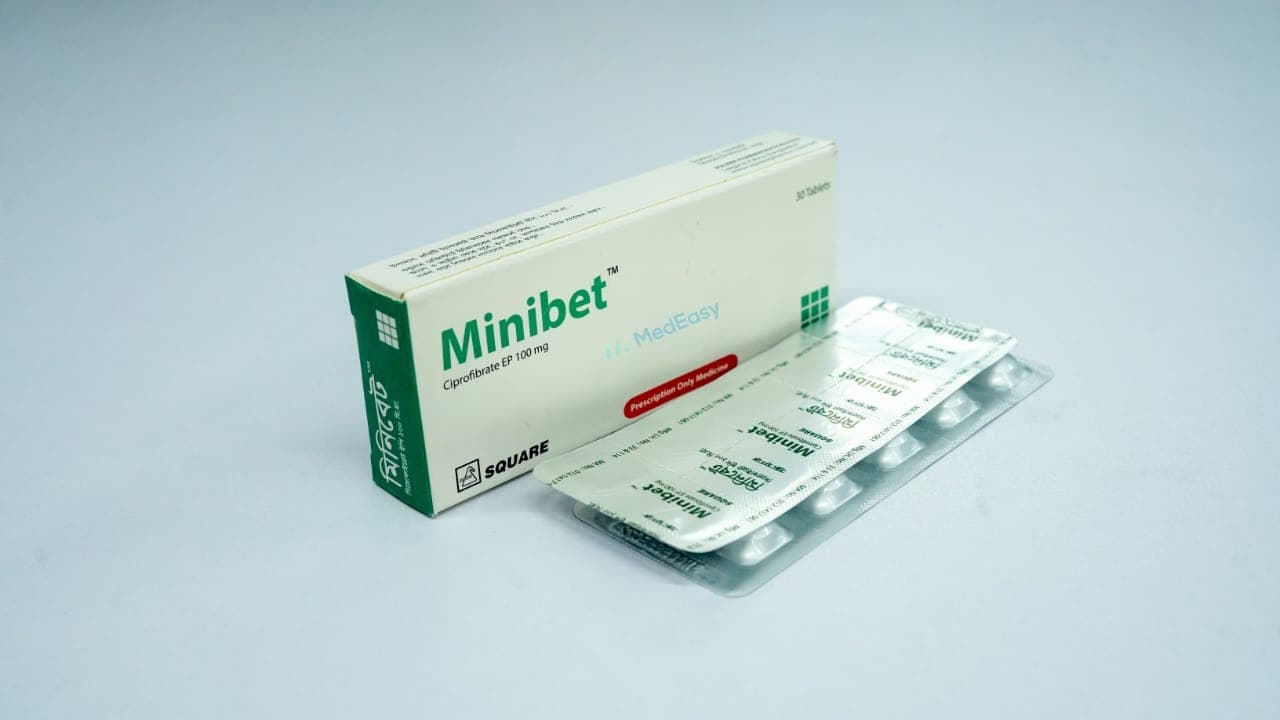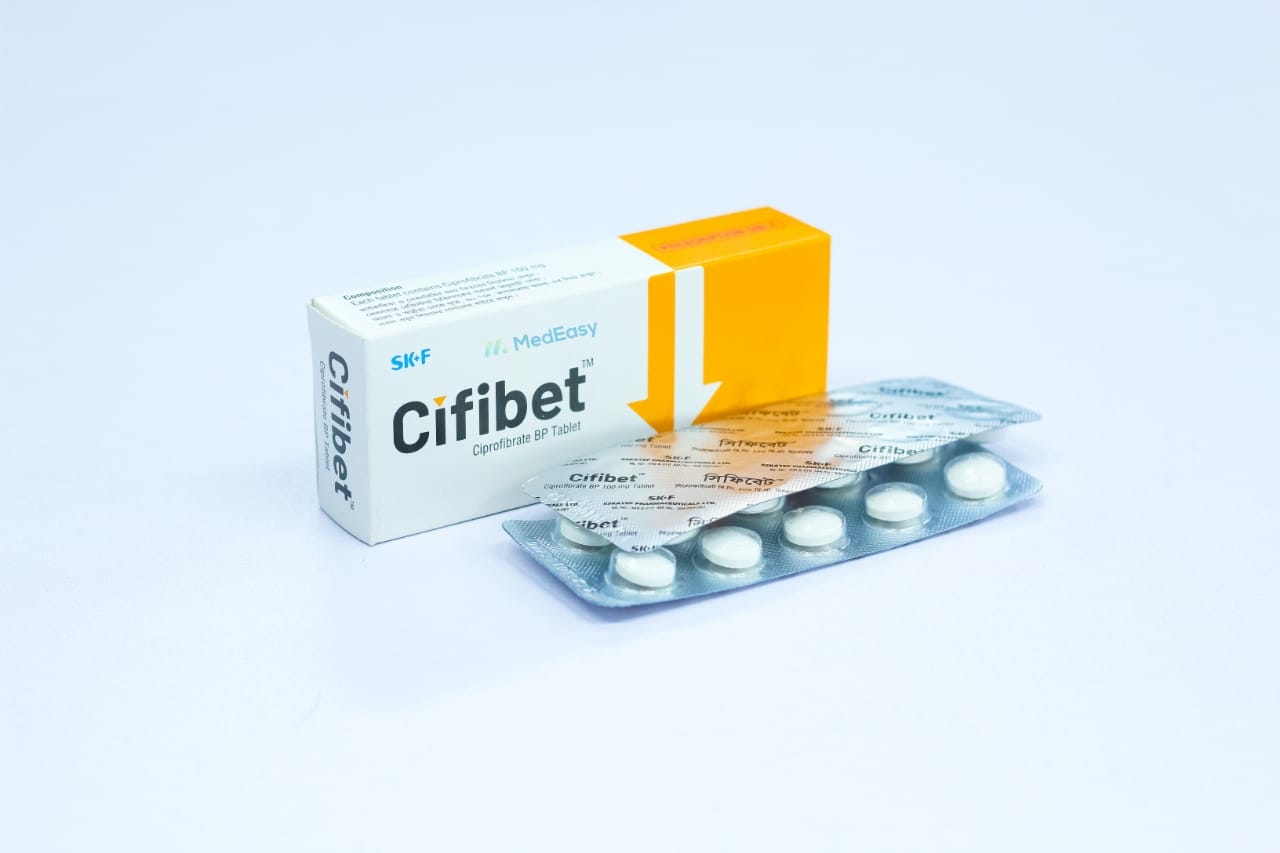
Product gallery
MRP 150.0010 % Off
Best PriceTk 135.00/10's Strip
1
Section

Medicine overview

Indications of Minibet

Minibet is a fibric acid derivative (fibrate) indicated as an adjunct to diet and lifestyle modification for the management of the following conditions:

  • Severe hypertriglyceridemia (established use) - to reduce elevated triglyceride levels, particularly when there is a risk of pancreatitis due to very high triglycerides.
  • Mixed dyslipidemia (established use) - elevated triglycerides with or without low HDL-cholesterol, in patients who have not responded adequately to diet and other non-pharmacological measures (e.g. weight reduction, exercise, control of diabetes).
  • Adjunct therapy - Minibet may be used together with a statin in selected patients with mixed dyslipidemia who remain at high triglyceride-related risk despite statin therapy, but this combination requires careful physician-supervised risk-benefit assessment because of an increased risk of muscle-related adverse effects (see Interactions).

Minibet is not indicated for the primary treatment of isolated hypercholesterolemia and should always be used alongside continued dietary and lifestyle management, not as a substitute for it.

Composition

Each tablet contains Ciprofibrate as the active pharmaceutical ingredient, commonly formulated as 100 mg film-coated tablets. Inactive ingredients (excipients) vary by manufacturer and may include fillers, binders, disintegrants, and film-coating agents; refer to the specific product's package insert for the complete excipient list.

Description

Minibet is a synthetic fibric acid derivative (fibrate) belonging to the class of lipid-lowering agents. It works primarily by activating peroxisome proliferator-activated receptor alpha (PPAR-alpha), leading to reduced circulating triglyceride levels and modest increases in HDL-cholesterol.

Minibet is used as an adjunct to dietary management in patients with hypertriglyceridemia and mixed dyslipidemia who have an inadequate response to non-pharmacological measures alone. It is typically administered orally, once daily.

Therapeutic Class

Minibet belongs to the fibric acid derivatives (fibrates) class of lipid-regulating agents, which also includes fenofibrate, bezafibrate, and gemfibrozil.

Pharmacology

Ciprofibrate is a peroxisome proliferator-activated receptor alpha (PPAR-alpha) agonist. Activation of PPAR-alpha increases the transcription of genes involved in lipoprotein and fatty acid metabolism, resulting in:

  • Increased lipoprotein lipase activity, enhancing clearance of triglyceride-rich lipoproteins (VLDL and chylomicrons).
  • Reduced hepatic production of triglycerides.
  • Modest increases in HDL-cholesterol via increased apolipoprotein A-I and A-II synthesis.

Pharmacokinetics: Ciprofibrate is well absorbed orally, is highly protein bound, and is eliminated predominantly via the kidneys, largely as unchanged drug and glucuronide conjugates. Its elimination half-life allows once-daily dosing. Because renal excretion is the major elimination route, dose adjustment and caution are required in renal impairment.

Dosage & Administration of Minibet

Adults

IndicationRecommended Dose
Hypertriglyceridemia / mixed dyslipidemia100 mg once daily, taken preferably with a meal (commonly recommended with the evening meal)

Administration

  • Swallow the tablet whole with water; do not crush or chew unless the product labeling permits it.
  • Take Minibet at approximately the same time each day to maintain consistent blood levels.
  • Continue dietary and lifestyle measures (low-fat diet, weight control, exercise, glycemic control if diabetic) throughout treatment with Minibet.
  • Response to treatment (lipid profile) should be reassessed periodically; if an adequate triglyceride-lowering response is not achieved after a few months, continued therapy should be reviewed by the physician.

Renal impairment

Minibet is contraindicated in severe renal impairment. In mild-to-moderate renal impairment, dose reduction and close monitoring are required because Minibet is renally eliminated; consult a physician for individualized dosing.

Hepatic impairment

Minibet is contraindicated in significant hepatic impairment, including primary biliary cirrhosis (see Contraindications).

Administration of Minibet

Minibet tablets should be swallowed whole with a glass of water, generally with a meal to reduce gastrointestinal discomfort. Do not skip doses; if a dose is missed, take it as soon as remembered unless it is close to the time of the next dose, in which case the missed dose should be skipped - do not double the dose.

Interaction of Minibet

Minibet has several clinically significant drug interactions:

  • Statins (HMG-CoA reductase inhibitors): Concomitant use with statins increases the risk of myopathy and rhabdomyolysis. If combination therapy with Minibet and a statin is considered necessary for mixed dyslipidemia, it should only be undertaken with careful physician-supervised risk-benefit assessment and regular monitoring for muscle pain, weakness, or dark urine.
  • Warfarin and other oral anticoagulants: Minibet potentiates the effect of coumarin anticoagulants, increasing bleeding risk. Anticoagulant dose should be reduced and INR monitored closely when Minibet is started, adjusted, or stopped.
  • Cyclosporine: Concurrent use may increase the risk of nephrotoxicity; renal function should be monitored closely.
  • Oral hypoglycemic agents (e.g. sulfonylureas): Minibet may enhance the hypoglycemic effect, potentially causing hypoglycemia; blood glucose should be monitored, especially at initiation of combined therapy.
  • Bile acid-binding resins (e.g. cholestyramine): May reduce absorption of Minibet; if co-administered, Minibet should be taken at least 1-2 hours before or 4-6 hours after the resin.

Contraindications

Ciprofibrate is contraindicated in the following situations:

  • Known hypersensitivity to Ciprofibrate or any component of the formulation.
  • Severe renal impairment.
  • Significant hepatic impairment, including primary biliary cirrhosis.
  • Pre-existing gallbladder disease (e.g. gallstones/cholelithiasis).
  • Concurrent use with other fibrate lipid-lowering agents.

Side Effects of Minibet

Most patients tolerate Minibet well; however, the following adverse effects have been reported:

Common

  • Gastrointestinal upset (nausea, abdominal pain, dyspepsia, diarrhea)
  • Headache
  • Skin reactions (rash, pruritus)

Less common / Important

  • Myalgia and muscle weakness (myopathy) - risk increases substantially when combined with a statin (see Interactions)
  • Elevated liver transaminases
  • Gallstones (cholelithiasis) with prolonged use (see Contraindications regarding pre-existing gallbladder disease)
  • Photosensitivity reactions

Rare but serious

  • Rhabdomyolysis (severe muscle breakdown, can be life-threatening) - seek immediate medical attention for unexplained muscle pain, tenderness, or weakness accompanied by fever or dark urine.
  • Severe hepatotoxicity

Pregnancy & Lactation

Pregnancy: There is limited data on the use of Minibet in pregnant women. Because lipid-lowering therapy generally provides no benefit during pregnancy (given the primary goal is long-term cardiovascular risk reduction) and animal studies with fibrates have raised some concerns, Minibet should be used during pregnancy only if clearly needed and the potential benefit justifies the potential risk to the fetus. Women of childbearing potential should be counseled about contraception, and a physician should be consulted before use.

Lactation: It is not known whether Minibet or its metabolites are excreted in human breast milk. Because of the potential for adverse effects in a nursing infant, Minibet should be avoided during breastfeeding unless a physician determines the benefit outweighs the risk.

Precautions & Warnings

The following precautions should be observed when using Minibet:

  • Muscle toxicity: Monitor for unexplained myalgia, tenderness, or weakness, especially if combined with a statin; discontinue promptly if myopathy is suspected or creatine kinase becomes markedly elevated.
  • Hepatic function: Liver function tests should be monitored periodically; discontinue if significant or persistent enzyme elevations occur.
  • Renal function: Assess renal function before and periodically during treatment; dose adjustment is needed in renal impairment (see Dosage and Administration), and Minibet is contraindicated in severe renal impairment.
  • Gallbladder disease: Fibrates may increase cholesterol saturation of bile, increasing the risk of gallstone formation with prolonged use; discontinue if gallstones are diagnosed.
  • Photosensitivity: Advise patients to minimize sun exposure and use sun protection, as photosensitivity reactions have been reported.
  • Anticoagulant use: Close INR monitoring is needed in patients on warfarin or other coumarin anticoagulants (see Interactions).
  • Periodic lipid profile monitoring is recommended to assess ongoing benefit; discontinue if an adequate triglyceride response is not achieved after several months of therapy combined with adequate diet.

Overdose Effects of Minibet

There is limited specific information on Minibet overdose. In case of suspected overdose, seek immediate medical attention or contact a poison control center. Treatment is supportive and symptomatic; there is no specific antidote. Gastric decontamination may be considered by medical professionals if presentation is early, and monitoring of renal function, liver function, and creatine kinase is advisable. Do not attempt to manage a suspected overdose at home.

Storage Conditions

Store at room temperature (below 30°C), away from light and moisture. Keep out of reach of children.

Use In Special Populations

Pediatric use

Safety and efficacy of Minibet have not been established in children and adolescents. Minibet is not recommended for use in the pediatric population.

Elderly

Minibet can generally be used in elderly patients, but because renal function commonly declines with age, renal function should be assessed before starting treatment and monitored periodically, with dose adjustment as needed.

Renal impairment

Contraindicated in severe renal impairment; use with caution and reduced dose in mild-to-moderate impairment (see Dosage and Administration).

Hepatic impairment

Contraindicated in significant hepatic impairment, including primary biliary cirrhosis (see Contraindications).

Duration Of Treatment

The duration of treatment with Minibet is determined by the treating physician based on lipid response and ongoing cardiovascular risk assessment. Lipid levels should be reassessed after approximately 3 months of therapy combined with adequate diet; if the triglyceride-lowering response is inadequate, the physician should review whether to continue Minibet. Minibet is generally used long-term as part of chronic management of hypertriglyceridemia, with periodic monitoring of lipids, liver function, and renal function throughout treatment.

Drug Classes

Fibric acid derivative (fibrate); lipid-regulating agent; PPAR-alpha agonist.

Mode Of Action

Ciprofibrate acts as an agonist at peroxisome proliferator-activated receptor alpha (PPAR-alpha). This activation upregulates genes controlling lipoprotein metabolism, increasing lipoprotein lipase activity (enhancing clearance of triglyceride-rich lipoproteins), reducing hepatic triglyceride synthesis and secretion, and modestly increasing HDL-cholesterol synthesis, resulting in an overall reduction in serum triglycerides and, to a lesser extent, LDL-cholesterol.

Pediatric Uses

Minibet is not recommended for use in children or adolescents, as safety and efficacy in this population have not been established. Pediatric dyslipidemia should be managed under specialist supervision using agents and approaches with established pediatric evidence.

Frequently Asked Questions

Q: What is Minibet 100 mg Tablet used for?

A: Minibet 100 mg Tablet is used, as an adjunct to diet, to treat hypertriglyceridemia (high triglycerides) and mixed dyslipidemia in patients who have not responded adequately to dietary and lifestyle changes alone.

Q: How should I take Minibet 100 mg Tablet?

A: Minibet 100 mg Tablet is usually taken as one 100 mg tablet once daily, preferably with a meal, at the same time each day. Continue following your prescribed diet and exercise plan while taking Minibet 100 mg Tablet.

Q: Can I take Minibet 100 mg Tablet together with a statin?

A: Combining Minibet 100 mg Tablet with a statin increases the risk of muscle problems (myopathy) and, rarely, serious muscle breakdown (rhabdomyolysis). This combination should only be used if your physician has specifically decided the benefit outweighs the risk, with close monitoring for muscle pain, tenderness, or weakness.

Q: Who should not take Minibet 100 mg Tablet?

A: Minibet 100 mg Tablet should not be used by people with known hypersensitivity to it, severe kidney impairment, significant liver disease (including primary biliary cirrhosis), gallbladder disease (such as gallstones), or by anyone already taking another fibrate medicine.

Q: Is Minibet 100 mg Tablet safe during pregnancy or breastfeeding?

A: Minibet 100 mg Tablet should be used during pregnancy only if clearly needed and if the potential benefit justifies the potential risk to the baby; it should generally be avoided during breastfeeding unless your physician advises otherwise. Always consult your physician if you are pregnant, planning pregnancy, or breastfeeding.

Q: What side effects should prompt me to contact my doctor?

A: Contact your doctor promptly if you experience unexplained muscle pain, tenderness or weakness (especially with fever or dark urine), yellowing of the skin or eyes, severe abdominal pain, or signs of an allergic reaction while taking Minibet 100 mg Tablet.

Disclaimer

The information provided is accurate to the best of our knowledge, but it does not replace professional medical advice. We cannot guarantee its completeness or accuracy, and the absence of specific information about a drug should not be taken as an endorsement. We are not responsible for any consequences arising from this information, so please consult a healthcare professional for any concerns or questions.

Doctor
Cart
Account