10% Off
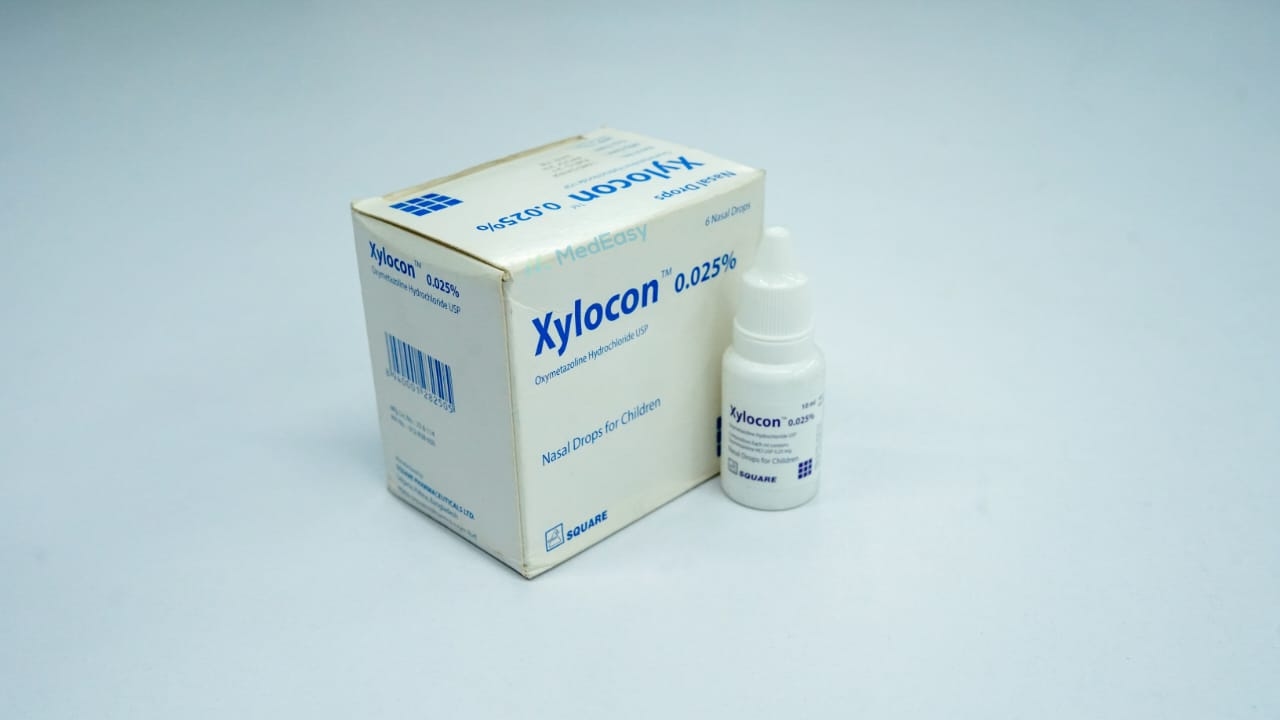
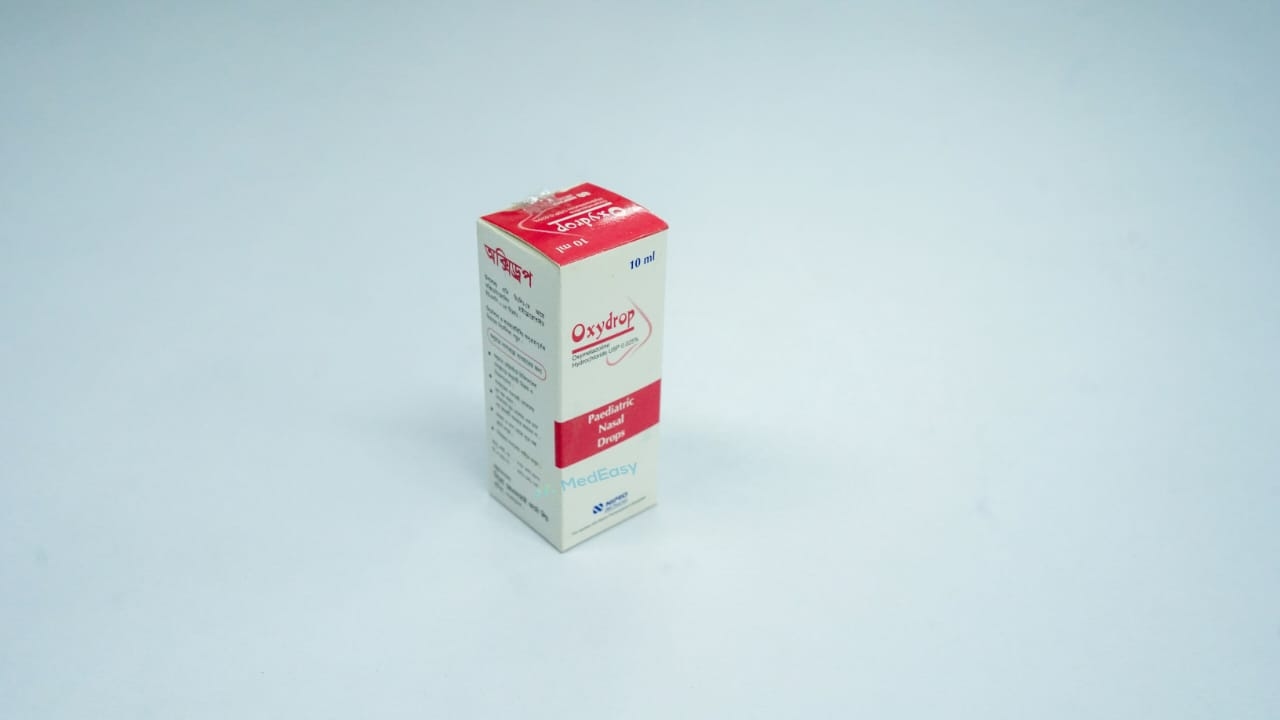
Oxynex0.025%
Opsonin Pharma Ltd.
৳40.50
Add to cart


Natazol is an over-the-counter topical decongestant indicated for the temporary relief of nasal congestion associated with the following conditions:
Natazol is intended only for short-term (no more than 3 consecutive days) use for nasal congestion; it does not treat the underlying cause of congestion.
Each formulation contains Oxymetazoline Hydrochloride as the active ingredient, commonly available as:
Inactive ingredients vary by brand and may include preservatives (e.g., benzalkonium chloride), buffering agents, and purified water.
Natazol is a synthetic imidazoline derivative that acts as a direct-acting alpha-adrenergic receptor agonist. It is formulated as a topical nasal spray/drops and, in a lower concentration, as an ophthalmic (eye) solution.
Topically applied Natazol produces local vasoconstriction, which is used clinically to shrink swollen nasal mucosa (decongestion) or reduce minor ocular redness. It is available without a prescription (OTC) in most markets, including Bangladesh, in various brand-name nasal sprays and drops.
Natazol belongs to the class of topical nasal/ophthalmic decongestants (alpha-adrenergic agonists, imidazoline derivatives).
Oxymetazoline Hydrochloride is a direct-acting alpha-1 and partial alpha-2 adrenergic receptor agonist. When applied topically to the nasal mucosa or conjunctiva, it stimulates alpha-adrenergic receptors in the arterioles of the mucosa, producing vasoconstriction.
| Age Group | Strength | Dose |
|---|---|---|
| Adults and children 6 years and older | 0.05% | 2-3 sprays or drops in each nostril, not more often than every 10-12 hours; maximum 2 doses in 24 hours |
| Children 2 to under 6 years | 0.025% (drops only, under medical supervision) | 2-3 drops in each nostril, twice daily, not exceeding 3 days, only as directed by a physician |
| Children under 2 years | - | Not recommended; safety and efficacy not established |
1 drop in the affected eye(s) up to 2-4 times daily as needed, per product labeling; do not exceed the recommended frequency.
Do not use Natazol nasal products for more than 3 consecutive days. Prolonged or overly frequent use can cause rebound congestion (rhinitis medicamentosa) — see Precautions and Warnings.
For nasal use: Clear the nasal passages by gently blowing the nose before use. Tilt the head slightly forward, insert the tip of the spray/dropper into one nostril, and administer the dose while sniffing gently. Avoid contact of the tip with the nasal mucosa to prevent contamination, and do not share the container between individuals to reduce the risk of spreading infection.
For ophthalmic use: Tilt the head back, pull down the lower eyelid, and instill the drop into the pocket formed; avoid touching the dropper tip to the eye or any surface.
Natazol is intended for topical use only and must not be swallowed or injected.
Oxymetazoline Hydrochloride is contraindicated in patients with:
Most side effects of Natazol are local and mild, though systemic effects can occur, especially with overuse:
Pregnancy: Adequate, well-controlled human studies of Natazol in pregnant women are lacking. As a topical alpha-adrenergic agonist with potential for systemic absorption, Natazol should be used during pregnancy only if clearly needed and if the potential benefit justifies the potential risk to the fetus. Consult a physician before use during pregnancy.
Lactation: It is not known whether Natazol is excreted in human milk. Caution is advised, and a physician should be consulted before use by breastfeeding mothers.
Overdose or accidental ingestion of Natazol, particularly in young children, can cause serious toxicity, including marked sedation, hypothermia, bradycardia, sweating, and CNS depression (which can progress to coma), as well as, in some cases, transient hypertension followed by hypotension. Symptoms can appear rapidly and be severe even after ingestion of small amounts.
In case of suspected overdose or accidental ingestion, seek immediate medical attention or contact a poison control center/emergency services right away. Do not attempt home treatment. Bring the product packaging with you if seeking medical care.
Store at room temperature (below 30°C), away from light and moisture. Keep the container tightly closed and out of reach of children. Do not refrigerate or freeze.
Natazol nasal formulations (0.05%) are approved for children 6 years and older at standard doses. The lower-strength 0.025% formulation may be used in children 2 to under 6 years only under medical supervision. Use in children under 2 years is not recommended, as safety and efficacy have not been established, and young children are at higher risk of serious systemic toxicity from overdose or accidental ingestion.
No specific dose adjustment is generally required in elderly patients; however, elderly patients more commonly have cardiovascular disease, hypertension, or prostatic hyperplasia, which warrant caution (see Precautions and Warnings).
No well-established dose adjustment guidelines exist for renal or hepatic impairment, as systemic exposure from topical use is normally minimal; however, caution is advised with prolonged or excessive use.
Nasal Natazol should be used for the shortest duration necessary to relieve symptoms and must not be used for more than 3 consecutive days, due to the risk of rebound congestion. If congestion persists beyond 3 days, discontinue use and consult a physician rather than continuing treatment. Ophthalmic use for eye redness should also be limited to short-term, occasional use as directed on product labeling.
Topical Decongestant, Alpha-Adrenergic Agonist (Imidazoline Derivative)
Oxymetazoline Hydrochloride directly stimulates alpha-adrenergic receptors on vascular smooth muscle in the nasal mucosa (or conjunctiva), causing local vasoconstriction. This reduces blood flow and edema in the swollen mucosal tissue, shrinking the mucosa and relieving nasal congestion (or ocular redness) within minutes, with effects lasting up to 6-12 hours.
Natazol 0.05% nasal spray/drops are indicated for children 6 years of age and older at standard adult dosing. The 0.025% formulation may be used in children aged 2 to under 6 years only under a physician's direction. Natazol is not recommended for children under 2 years of age, as safety and efficacy have not been established in this age group, and this population is at particular risk of serious adverse effects (including CNS and cardiovascular depression) from accidental ingestion or overuse. Parents/caregivers should store Natazol products safely out of children's reach at all times.
Q: How quickly does Natazol 0.025% Pediatric Nasal Drop work for a stuffy nose?
A: Natazol 0.025% Pediatric Nasal Drop nasal spray typically begins relieving nasal congestion within 5-10 minutes of application, with effects lasting approximately 6-12 hours, which is why it is usually dosed twice daily.
Q: Can I use Natazol 0.025% Pediatric Nasal Drop for more than 3 days if my congestion hasn't improved?
A: No. Natazol 0.025% Pediatric Nasal Drop should not be used for more than 3 consecutive days. Using it longer can cause rebound congestion (rhinitis medicamentosa), where your nose becomes more congested once the medicine wears off, creating a cycle of dependence. If your congestion has not improved after 3 days, stop using Natazol 0.025% Pediatric Nasal Drop and consult a physician to determine the underlying cause.
Q: Is Natazol 0.025% Pediatric Nasal Drop safe to use during pregnancy?
A: Well-controlled studies of Natazol 0.025% Pediatric Nasal Drop in pregnant women are lacking. Because it is absorbed systemically to some degree, Natazol 0.025% Pediatric Nasal Drop should be used during pregnancy only if clearly needed and if the potential benefit justifies the potential risk to the fetus. Always consult your physician before using Natazol 0.025% Pediatric Nasal Drop while pregnant.
Q: Can children use Natazol 0.025% Pediatric Nasal Drop?
A: Natazol 0.025% Pediatric Nasal Drop 0.05% nasal spray/drops are approved for children 6 years and older at standard doses. A lower-strength 0.025% formulation may be used in children 2 to under 6 years, but only under medical supervision. Natazol 0.025% Pediatric Nasal Drop is not recommended for children under 2 years, as safety has not been established, and accidental ingestion by young children can cause serious toxicity, including marked sedation and cardiovascular/CNS depression. Always keep Natazol 0.025% Pediatric Nasal Drop out of children's reach.
Q: What should I do if my child accidentally swallows Natazol 0.025% Pediatric Nasal Drop?
A: Accidental ingestion of Natazol 0.025% Pediatric Nasal Drop by a child is a medical emergency, as it can cause serious effects such as severe drowsiness, slowed heart rate, low body temperature, or breathing problems. Seek immediate medical attention or contact a poison control center/emergency services right away; do not wait for symptoms to appear or attempt home treatment.
Q: Can I use Natazol 0.025% Pediatric Nasal Drop together with other cold or blood pressure medications?
A: Natazol 0.025% Pediatric Nasal Drop must not be used with monoamine oxidase inhibitors (MAOIs) or within 14 days of stopping one, due to the risk of a severe hypertensive reaction. It may also interact with tricyclic antidepressants and other sympathomimetic medications, and can reduce the effectiveness of blood pressure medications if absorbed systemically. Tell your physician or pharmacist about all medications you take before using Natazol 0.025% Pediatric Nasal Drop.
Disclaimer
The information provided is accurate to the best of our knowledge, but it does not replace professional medical advice. We cannot guarantee its completeness or accuracy, and the absence of specific information about a drug should not be taken as an endorsement. We are not responsible for any consequences arising from this information, so please consult a healthcare professional for any concerns or questions.