
7% Off
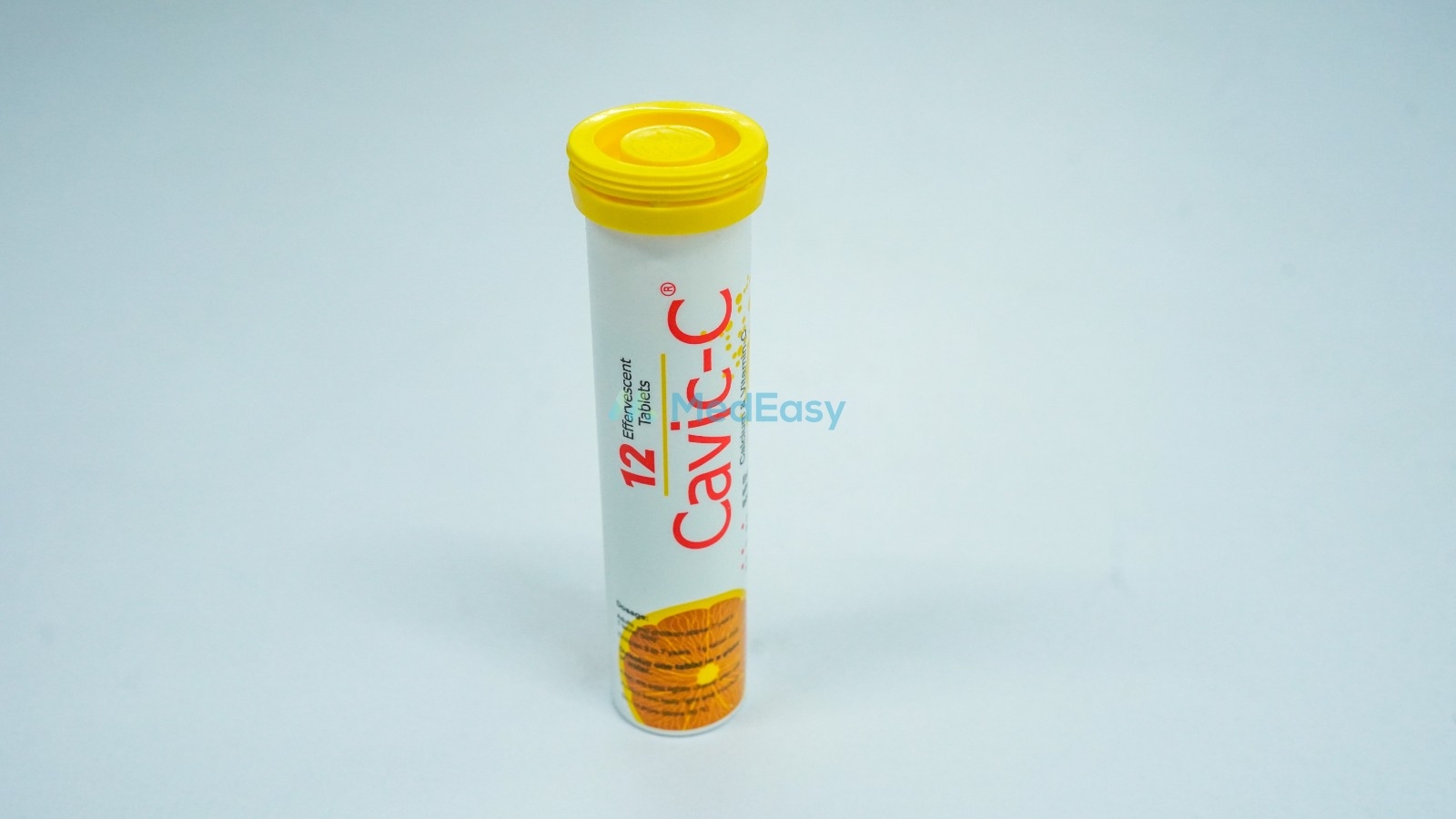
Cavic-C
Incepta Pharmaceuticals Ltd.
৳181.35
Add to cart
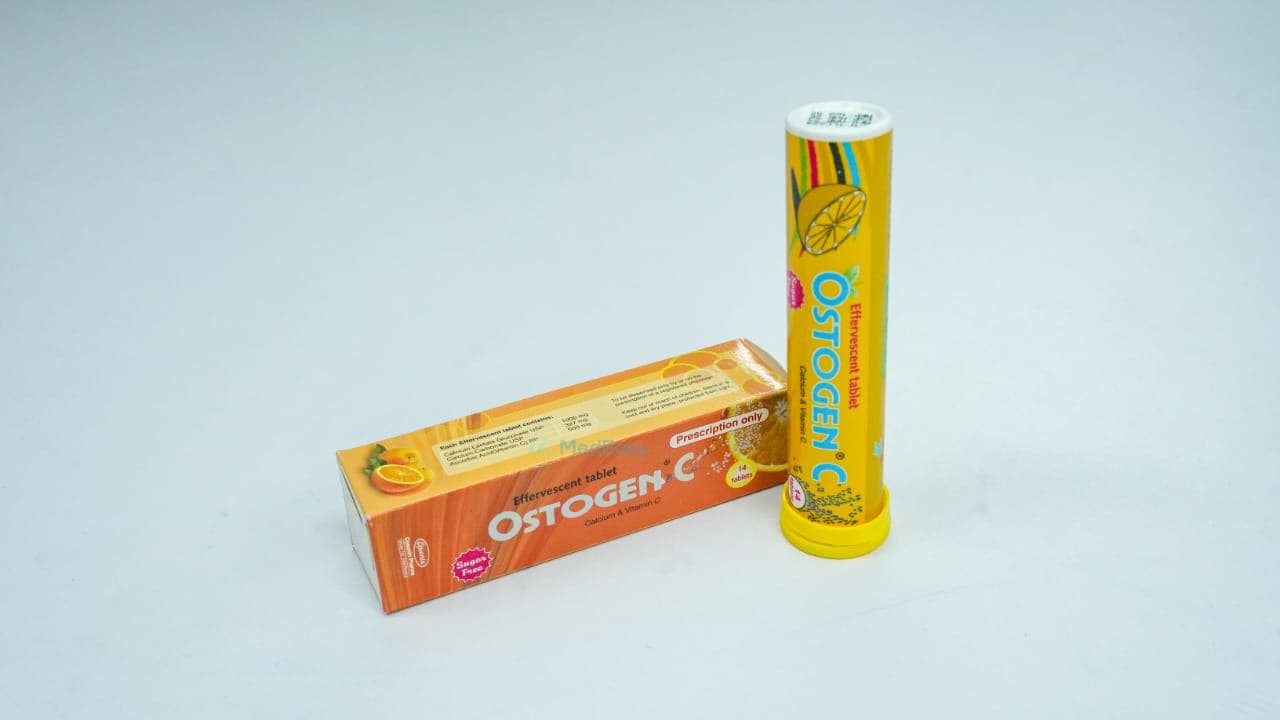

Ostogen C is indicated for the prevention and treatment of calcium deficiency and to support conditions of increased calcium demand. Indications, classified by strength of evidence, include:
Ostogen C does not replace a balanced diet and, where relevant, vitamin D or other bone-specific therapy; use should be guided by a physician's assessment of individual calcium requirements.
Each unit of Calcium Lactate Gluconate + Calcium Carbonate + Vitamin-C typically contains a combination of two calcium salts — Calcium Lactate Gluconate and Calcium Carbonate — together providing elemental calcium, plus Vitamin-C (ascorbic acid), which supports calcium absorption and acts as an antioxidant. Exact strengths of elemental calcium and Vitamin-C per tablet/sachet vary by manufacturer and formulation; refer to the specific product label for the exact elemental calcium content.
Ostogen C is a combination mineral and vitamin supplement formulated to provide readily absorbable elemental calcium along with Vitamin-C. Combining two calcium salts (lactate gluconate and carbonate) allows a portion of the calcium to be absorbed even in relatively low-acid gastric conditions, while Vitamin-C is included to further support intestinal calcium absorption and provide antioxidant benefit. Ostogen C is commonly available as an effervescent tablet, chewable tablet, or similar oral dosage form intended for daily use in individuals with, or at risk of, calcium deficiency.
Calcium and Vitamin-C combination supplement (mineral and vitamin nutritional supplement); Ostogen C belongs to the class of calcium replacement/supplementation therapies.
Mechanism: Calcium Lactate Gluconate + Calcium Carbonate + Vitamin-C supplies elemental calcium from two complementary salts. Calcium Lactate Gluconate is highly water-soluble and can be absorbed with less dependence on gastric acidity, while Calcium Carbonate provides a concentrated source of elemental calcium that is best absorbed in an acidic gastric environment, typically with food. Calcium ions absorbed from Calcium Lactate Gluconate + Calcium Carbonate + Vitamin-C are essential for bone mineralization, neuromuscular transmission, blood coagulation, cardiac function, and enzyme activity.
Vitamin-C (ascorbic acid) in Calcium Lactate Gluconate + Calcium Carbonate + Vitamin-C enhances calcium bioavailability indirectly and acts as a co-factor in collagen synthesis (relevant to bone matrix formation) and as a water-soluble antioxidant.
Pharmacokinetics: Calcium absorption from Calcium Lactate Gluconate + Calcium Carbonate + Vitamin-C occurs mainly in the duodenum and proximal jejunum via active transport (vitamin D-dependent) and passive paracellular diffusion, and is influenced by dose, gastric acidity, and vitamin D status. Excess calcium is excreted renally and in feces.
The dose of Ostogen C should be individualized to the degree of calcium deficiency and physiological requirement, and taken as advised by a physician or as stated on the product label. General guidance:
| Population/Indication | Typical Dose |
|---|---|
| Adults - general calcium supplementation | 1 tablet/sachet once or twice daily, dissolved in water or chewed, preferably after meals |
| Pregnancy and lactation | 1 tablet/sachet once or twice daily as advised by the physician, based on dietary intake and individual need |
| Elderly / osteoporosis prevention adjunct | 1 tablet/sachet once or twice daily, alongside vitamin D and other prescribed therapy |
| Children and adolescents (growth-related supplementation) | Dose adjusted by weight/age; use only under medical/pediatric guidance |
See Dosage and Administration sections below for further detail, and Use in Special Populations for renal impairment considerations.
Ostogen C effervescent tablets should be fully dissolved in a glass of water and consumed immediately after dissolving; chewable forms should be chewed thoroughly. It is generally recommended to take Ostogen C after meals to improve tolerability and absorption of the calcium carbonate component. If dosed more than once daily, doses should be spaced evenly through the day. Ostogen C should be separated by at least 2 hours from tetracycline or fluoroquinolone antibiotics, iron supplements, or thyroid hormone (levothyroxine) to avoid reduced absorption of either agent (see Interactions).
Ostogen C has clinically significant interactions with the following:
Calcium Lactate Gluconate + Calcium Carbonate + Vitamin-C is contraindicated in the following conditions:
Ostogen C is generally well tolerated at recommended doses. Reported side effects include:
Calcium supplementation with Ostogen C at recommended doses is generally considered appropriate during pregnancy and lactation, as calcium requirements increase during these periods; however, Ostogen C should be used only if clearly needed and as advised by a physician, who will individualize the dose based on dietary intake and total calcium requirement. Excessive supplementation with Ostogen C beyond recommended limits should be avoided during pregnancy and lactation, as it may increase the risk of hypercalcemia. Vitamin-C at supplemental doses is generally considered compatible with pregnancy and lactation. A physician or obstetric care provider should be consulted before use.
Ostogen C should be used with caution in the following situations:
Overdose of Ostogen C can result in hypercalcemia, presenting with symptoms such as nausea, vomiting, constipation, abdominal pain, muscle weakness, confusion, excessive thirst, increased urination, and in severe cases, cardiac arrhythmias or renal impairment. Chronic excessive intake of Ostogen C may also cause hypercalciuria and nephrocalcinosis. In case of suspected overdose of Ostogen C, discontinue the product immediately and seek immediate medical attention or contact a poison control center; do not attempt specific home treatment. Management is supportive and may include hydration and medical monitoring of serum calcium under professional care.
Store at room temperature (below 30°C), away from light and moisture. Keep the container tightly closed, especially for effervescent formulations, to prevent moisture absorption. Keep out of reach of children.
Renal impairment: Use Ostogen C with caution and under medical supervision, as impaired renal clearance of calcium increases the risk of hypercalcemia (see Precautions and Warnings).
Hepatic impairment: No specific dose adjustment of Ostogen C is established for hepatic impairment; general precautions apply.
Elderly: Ostogen C is commonly used in the elderly for calcium supplementation and osteoporosis prevention; renal function should be considered.
Pediatric population: See Pediatric Uses.
Duration of treatment with Ostogen C depends on the indication: short-term supplementation may be sufficient to correct a mild dietary deficiency, while long-term daily use (months to years) is typical for ongoing prevention of calcium deficiency, during pregnancy/lactation, or as an adjunct in osteoporosis prevention. Duration should be determined by a physician based on periodic reassessment of dietary calcium intake and, where indicated, serum calcium levels.
Mineral supplement; Calcium supplement; Vitamin supplement (Vitamin-C/ascorbic acid combination)
Calcium Lactate Gluconate + Calcium Carbonate + Vitamin-C acts by directly supplying elemental calcium in two complementary chemical forms — calcium lactate gluconate (highly soluble, less dependent on gastric acid for dissolution) and calcium carbonate (a concentrated calcium source requiring gastric acid for optimal dissolution and absorption, typically taken with food). Absorbed calcium ions from Calcium Lactate Gluconate + Calcium Carbonate + Vitamin-C are utilized for bone and teeth mineralization, blood clotting, muscle contraction, nerve impulse transmission, and as a cofactor for various enzymatic reactions. Vitamin-C included in Calcium Lactate Gluconate + Calcium Carbonate + Vitamin-C supports collagen synthesis in bone matrix and may facilitate calcium absorption, in addition to its independent antioxidant role.
Ostogen C may be used in children and adolescents for calcium supplementation during periods of increased demand (growth, inadequate dietary intake), generally in age- or weight-adjusted doses under pediatric or physician guidance. Safety and efficacy of specific fixed-dose formulations of Ostogen C have not been formally established in very young children (e.g., under 2-3 years, depending on the formulation); such use should only occur under direct medical supervision. Ostogen C should not be used in children with hypercalcemia, hypercalciuria, or renal calculi (see Contraindications).
Q: What is Ostogen C Tablet used for?
A: Ostogen C Tablet is used to prevent and treat calcium deficiency and to support increased calcium requirements, such as during pregnancy, lactation, growth, or as an adjunct in osteoporosis prevention alongside vitamin D and other prescribed therapy.
Q: Can Ostogen C Tablet be taken during pregnancy?
A: Ostogen C Tablet is generally considered appropriate during pregnancy at recommended doses because calcium needs increase in pregnancy, but it should be used only if clearly needed and the potential benefit justifies any potential risk; consult a physician before use, and do not exceed the recommended dose.
Q: What are the common side effects of Ostogen C Tablet?
A: Ostogen C Tablet is generally well tolerated. The most common side effects are mild gastrointestinal symptoms such as constipation, bloating, and flatulence. Excessive or prolonged intake of Ostogen C Tablet can lead to hypercalcemia, so the recommended dose should not be exceeded.
Q: Who should not take Ostogen C Tablet?
A: Ostogen C Tablet should not be taken by individuals with known hypersensitivity to any of its components, hypercalcemia, hypercalciuria, calcium-containing kidney stones, hyperparathyroidism, sarcoidosis, or hypervitaminosis D, as these are absolute contraindications.
Q: Can Ostogen C Tablet be taken with antibiotics like tetracycline or ciprofloxacin?
A: Ostogen C Tablet should be separated from tetracycline or fluoroquinolone antibiotics by at least 2-3 hours, because calcium in Ostogen C Tablet binds these antibiotics and significantly reduces their absorption and effectiveness.
Q: What should I do if I take too much Ostogen C Tablet?
A: If an overdose of Ostogen C Tablet is suspected, stop taking it and seek immediate medical attention or contact a poison control center, as excessive intake can cause hypercalcemia with symptoms such as nausea, vomiting, confusion, and muscle weakness.
Disclaimer
The information provided is accurate to the best of our knowledge, but it does not replace professional medical advice. We cannot guarantee its completeness or accuracy, and the absence of specific information about a drug should not be taken as an endorsement. We are not responsible for any consequences arising from this information, so please consult a healthcare professional for any concerns or questions.

