
8% Off
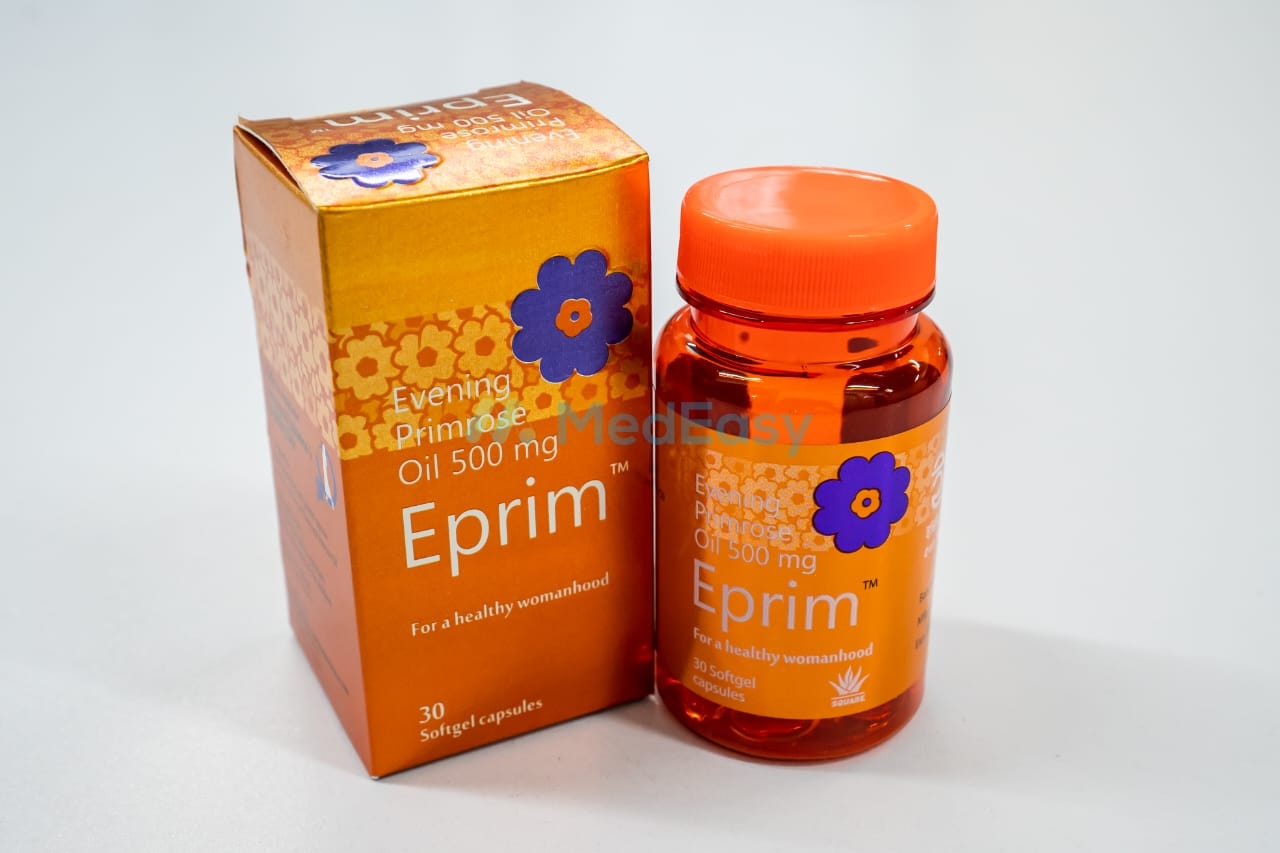
Eprim500 mg
Square Pharmaceuticals PLC.
৳276.00
Add to cart


Primacap is a herbal/nutritional supplement derived from the seeds of the evening primrose plant, rich in gamma-linolenic acid (GLA), an omega-6 essential fatty acid. It is used as an adjunct, symptom-directed supplement rather than a first-line, strongly evidence-based medical treatment. Clinical evidence for most uses is modest and mixed.
Primacap is not an FDA-approved prescription drug; it is marketed and used as an over-the-counter dietary/herbal supplement, and its efficacy claims have not been formally evaluated to the standard of approved medicines.
Evening primrose oil products are typically supplied as soft gelatin capsules containing cold-pressed Evening primrose oil extracted from the seeds of Oenothera biennis. Each capsule is commonly standardized to contain a specific amount of gamma-linolenic acid (GLA), usually around 8–10% of the oil content.
Exact composition and GLA standardization can vary between manufacturers, as these are herbal/nutritional products rather than tightly regulated pharmaceuticals.
Primacap is a plant-derived oil obtained from the seeds of the evening primrose plant (Oenothera biennis), used worldwide as a dietary and herbal supplement. Its principal active constituent is gamma-linolenic acid (GLA), an omega-6 polyunsaturated fatty acid that is a precursor to certain anti-inflammatory prostaglandins.
Primacap is most commonly marketed as an oral softgel capsule and is used by patients seeking supportive relief from hormone-related symptoms such as premenstrual discomfort, cyclical breast pain, and menopausal complaints. It is available over the counter without a prescription in most markets and is not classified as an FDA-approved drug.
Primacap belongs to the class of herbal and nutritional supplements, specifically essential fatty acid (omega-6/gamma-linolenic acid) sources. It is not classified within a conventional pharmacological drug class, as it is regulated and marketed as a dietary supplement rather than a prescription medicine.
Evening primrose oil supplies gamma-linolenic acid (GLA), which is metabolized in the body to dihomo-gamma-linolenic acid (DGLA). DGLA serves as a substrate for the synthesis of prostaglandin E1 (PGE1) and related eicosanoids, which have anti-inflammatory and vasodilatory properties. This mechanism has been proposed to underlie the traditional use of Evening primrose oil for hormone-related and inflammatory symptoms, although the clinical correlation between this biochemical pathway and symptom relief is not firmly established.
As a dietary oil, Evening primrose oil is absorbed in the small intestine along with dietary fat and incorporated into cell membrane phospholipids. Detailed pharmacokinetic data (absorption rate, bioavailability, elimination half-life) have not been formally characterized to the standard expected of regulated pharmaceuticals, consistent with its status as a nutritional supplement.
Primacap is taken orally, generally in divided doses with meals to improve tolerability and absorption. There is no single universally agreed dose; the dosing below reflects commonly used regimens from clinical studies and supplement labeling.
| Indication | Typical adult dose |
|---|---|
| Premenstrual syndrome (PMS) | 1000–3000 mg/day of Primacap, in 2–3 divided doses |
| Cyclical mastalgia (breast pain) | 1000–1500 mg twice daily (total ~2000–3000 mg/day) of Primacap |
| Menopausal symptoms | 500–1300 mg two to three times daily of Primacap |
A therapeutic trial of at least 3 months is generally recommended before concluding whether Primacap is providing symptomatic benefit (see Duration of Treatment). If no improvement is seen after this period, continued use should be reassessed with a physician.
| Interacting agent/class | Mechanism | Clinical consequence |
|---|---|---|
| Anticoagulants (e.g., warfarin) and antiplatelet agents (e.g., aspirin, clopidogrel) | Primacap may have mild effects on platelet aggregation | Theoretical additive bleeding risk; monitor for signs of bruising/bleeding if combined, especially with anticoagulant therapy |
| Antipsychotic medications, particularly phenothiazines (e.g., chlorpromazine) | Case reports suggest Primacap may lower seizure threshold, and this effect may be compounded by phenothiazines | Increased theoretical risk of seizures; combination should be used cautiously and only under medical supervision |
Patients should inform their physician of all medications and supplements being taken, including Primacap, before starting or combining therapies.
Primacap is generally well tolerated. Reported side effects are usually mild and self-limited.
Patients should stop use and seek medical advice if they experience signs of an allergic reaction while taking Primacap.
Pregnancy: Robust safety data on Primacap use during pregnancy are limited. Primacap should be used during pregnancy only if clearly needed and if the potential benefit justifies the potential risk to the fetus; a physician should be consulted before use. There is traditional caution against using Primacap in late pregnancy without medical guidance, as some data have raised theoretical concerns about effects on labor; it should not be used to attempt to induce or shorten labor without direct medical supervision.
Lactation: Data on excretion of Primacap constituents into breast milk are limited. Use during breastfeeding should be discussed with a physician, weighing potential benefit against the limited safety data available.
There is no well-characterized overdose syndrome for Primacap, as it is a nutritional oil rather than a pharmacologically potent drug. Taking substantially more than the recommended amount of Primacap may increase the likelihood of gastrointestinal upset (nausea, diarrhea, abdominal discomfort) and, per case reports, could theoretically increase seizure risk in susceptible individuals.
If a large accidental overdose of Primacap is suspected, particularly in a child, or if any severe symptoms occur, seek immediate medical attention or contact a poison control center/emergency services rather than attempting home treatment.
Store Primacap capsules at room temperature (below 30°C), protected from light, heat, and moisture, as the oil is prone to oxidation and rancidity when exposed to these conditions. Keep the container tightly closed and out of the reach and sight of children.
A therapeutic trial of Primacap for at least 3 months (and up to 6 months in some studies) is generally used before assessing whether it provides meaningful symptomatic benefit for conditions such as PMS, mastalgia, or menopausal symptoms. If no improvement is noted after this trial period, continued use should be reviewed with a physician, as ongoing use without benefit is not recommended.
Herbal/nutritional supplement; omega-6 essential fatty acid (gamma-linolenic acid, GLA) source — the therapeutic class of Evening primrose oil.
Evening primrose oil provides gamma-linolenic acid (GLA), which is converted in the body to dihomo-gamma-linolenic acid (DGLA). DGLA is a precursor for prostaglandin E1 (PGE1) and other anti-inflammatory, vasodilatory eicosanoids. By supplementing this pathway, Evening primrose oil is proposed to help modulate essential fatty acid balance implicated in premenstrual, breast pain, and inflammatory symptoms, although the clinical significance of this mechanism remains only partially established.
Safety and efficacy of Primacap have not been established in pediatric patients. Data on appropriate dosing, safety, and effectiveness in children and adolescents are lacking. Primacap should generally not be given to children unless specifically recommended and supervised by a physician.
Q: What is Primacap 500 mg Capsule used for?
A: Primacap 500 mg Capsule is a herbal supplement commonly used for symptomatic relief of premenstrual syndrome (PMS), cyclical breast pain (mastalgia), and menopausal symptoms. Evidence supporting these uses is modest and mixed, so it is generally considered an adjunct/supportive option rather than a primary treatment.
Q: How should I take Primacap 500 mg Capsule?
A: Primacap 500 mg Capsule softgel capsules are usually taken by mouth with food, in divided doses (commonly 2–3 times daily), and swallowed whole with water. Follow the dose on the product label or as advised by your physician, and allow at least 3 months to judge whether it is helping.
Q: Who should not take Primacap 500 mg Capsule?
A: People with a known allergy to Primacap 500 mg Capsule should not take it. It should also be avoided by people with a known seizure disorder, since case reports suggest Primacap 500 mg Capsule may lower the seizure threshold, an effect that may be increased when combined with certain antipsychotic medications (phenothiazines).
Q: Can I take Primacap 500 mg Capsule with blood thinners?
A: Use caution. Primacap 500 mg Capsule may have a mild effect on platelet function, so combining it with anticoagulants (like warfarin) or antiplatelet drugs (like aspirin or clopidogrel) may theoretically add to bleeding risk. Discuss this combination with your physician before starting Primacap 500 mg Capsule.
Q: Is Primacap 500 mg Capsule safe during pregnancy?
A: Robust safety data are limited. Primacap 500 mg Capsule should be used in pregnancy only if clearly needed and if the potential benefit outweighs the potential risk, and only after consulting a physician. Traditional caution advises against use in late pregnancy without medical guidance, and it should never be used to try to induce or shorten labor on your own.
Q: What side effects can Primacap 500 mg Capsule cause?
A: Primacap 500 mg Capsule is generally well tolerated. The most common side effects are mild stomach upset (nausea, indigestion, loose stools) and headache. Rare allergic skin reactions can occur; stop use and seek medical advice if you notice a rash, itching, or other signs of an allergic reaction.
Disclaimer
The information provided is accurate to the best of our knowledge, but it does not replace professional medical advice. We cannot guarantee its completeness or accuracy, and the absence of specific information about a drug should not be taken as an endorsement. We are not responsible for any consequences arising from this information, so please consult a healthcare professional for any concerns or questions.

