10% Off
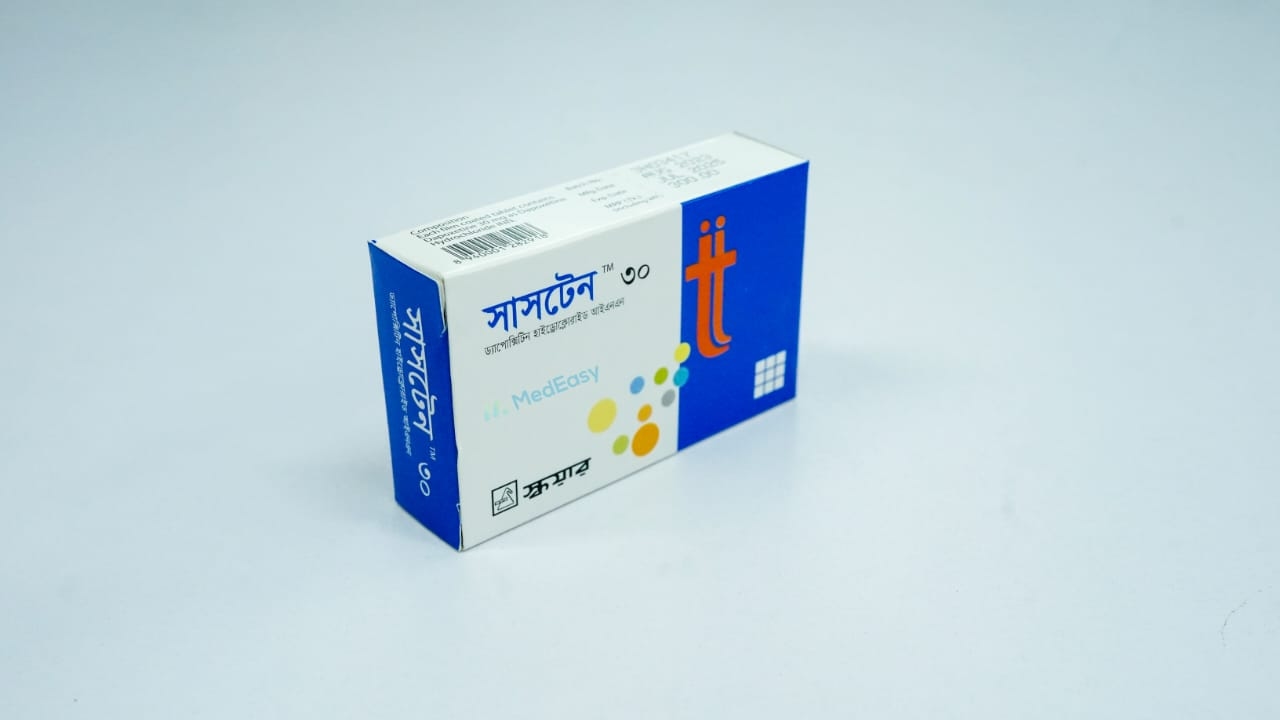
Susten30 mg
Square Pharmaceuticals PLC.
৳27.00
Add to cart
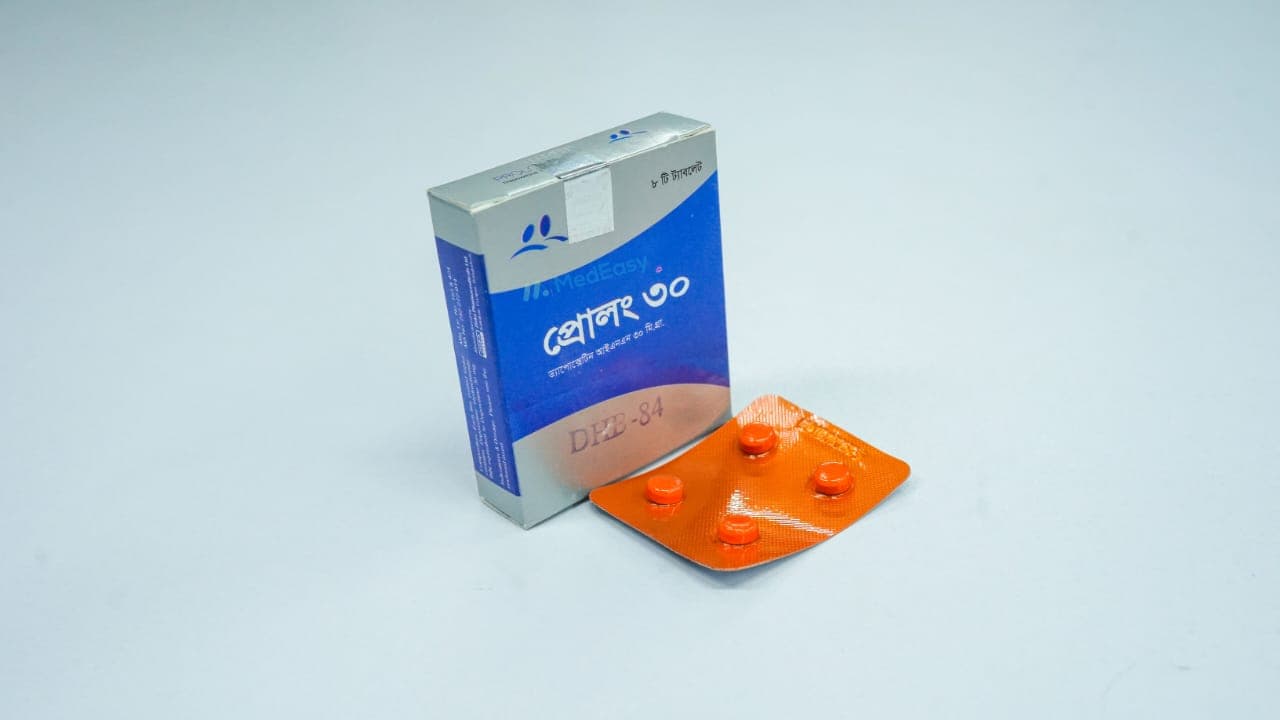
Prolong 30 mg Tablet is available on MedEasy for ৳27.60 per piece, with home delivery anywhere in Bangladesh. It is manufactured by Ziska Pharmaceuticals Ltd. Its generic name is Dapoxetine Hydrochloride.

Prolong is a short-acting selective serotonin reuptake inhibitor (SSRI) indicated for the on-demand treatment of premature ejaculation (PE) in adult men aged 18 to 64 years.
Prolong is used only as needed before anticipated sexual activity and is not intended for continuous daily use, unlike SSRIs used for depression or anxiety.
Note: Prolong is not indicated for the treatment of depression, anxiety, or any psychiatric condition, and is not approved for use in women or children.
Each film-coated tablet contains Dapoxetine Hydrochloride equivalent to 30 mg or 60 mg of dapoxetine base. Tablets also contain standard pharmaceutical excipients such as microcrystalline cellulose, lactose, croscarmellose sodium, and magnesium stearate, along with a film coating.
Prolong is a fast-acting, short half-life selective serotonin reuptake inhibitor (SSRI) developed specifically for on-demand treatment of premature ejaculation rather than for chronic mood or anxiety disorders. It is rapidly absorbed and rapidly eliminated, which distinguishes it pharmacokinetically from other SSRIs used for psychiatric indications.
Unlike typical SSRIs that require weeks of continuous dosing to reach therapeutic effect, Prolong is taken only when needed, a few hours before sexual activity.
Prolong belongs to the therapeutic class of Selective Serotonin Reuptake Inhibitors (SSRIs), specifically formulated as an on-demand agent for premature ejaculation rather than a chronic antidepressant.
Dapoxetine Hydrochloride works by inhibiting the neuronal reuptake of serotonin (5-HT) in the presynaptic nerve terminal, thereby increasing serotonin activity at postsynaptic 5-HT receptors, including 5-HT1A, 5-HT1B, and 5-HT2C receptors believed to be involved in the ejaculatory reflex pathway. This action delays the ejaculatory reflex, which is mediated through spinal and supraspinal centers under sympathetic nervous control.
Prolong is used strictly on an as-needed (on-demand) basis and must never be taken continuously or daily.
| Population | Dose | Timing |
|---|---|---|
| Adult men (18-64 years) - initial dose | 30 mg, single tablet | 1 to 3 hours before anticipated sexual activity |
| Adult men - if inadequate response and well tolerated | May increase to 60 mg | 1 to 3 hours before anticipated sexual activity |
| Maximum frequency | One dose in any 24-hour period | Not more than once daily |
Prolong should be swallowed whole with a full glass of water and may be taken with or without food, though food may modestly delay the time to peak effect. The tablet should not be split, crushed, or chewed. Patients should assess their individual tolerability before relying on the medicine, since dizziness or syncope can occur, particularly with the first dose (see Precautions and Warnings).
Take Prolong orally with a full glass of water, 1 to 3 hours before anticipated sexual activity. Do not take with alcohol. Sit or lie down for the first few hours after the first dose to reduce the risk of dizziness or fainting related to a drop in blood pressure on standing.
Because Prolong affects serotonergic pathways and blood pressure regulation, several clinically significant interactions must be avoided or managed with caution.
Dapoxetine Hydrochloride is contraindicated in the following situations:
Side effects of Prolong are generally dose-related and more frequent with the 60 mg dose than the 30 mg dose.
Patients should seek prompt medical attention for fainting, severe dizziness on standing, unusual bleeding, agitation, high fever, muscle rigidity, or rapid heartbeat while taking Prolong.
Prolong is not indicated for use in women. It has not been studied in pregnant or breastfeeding women, and its safety in these populations has not been established. It should never be used by women, including during pregnancy or lactation.
Prolong is associated with a risk of syncope (fainting), most often related to orthostatic hypotension, and this risk is highest with the first few doses. Warning symptoms such as dizziness, lightheadedness, nausea, sweating, or palpitations may precede fainting, typically within 1 to 3 hours of dosing. Patients should be advised to sit or lie down at the onset of any such symptoms and to avoid situations where injury could result from a fall (e.g. driving, operating machinery, standing for long periods) after taking the first dose, until they know how they respond to the medicine.
Not for use in patients with significant structural heart disease (see Contraindications).
As with other SSRIs, mood changes, anxiety, or agitation may occur; patients or caregivers should report any unusual changes in mood or behavior.
Concurrent use with other serotonergic drugs increases the risk of serotonin syndrome (agitation, hallucinations, tachycardia, hyperthermia, muscle rigidity); such combinations are contraindicated (see Interactions).
Use with caution in patients taking anticoagulants, antiplatelet agents, or NSAIDs due to an increased risk of bleeding.
Avoid alcohol while taking Prolong, as it increases the risk of dizziness, drowsiness, and syncope.
Patients should not drive or operate hazardous machinery until they are aware of how Prolong affects them, particularly regarding dizziness or fainting.
There is limited clinical experience with overdose of Prolong. Expected symptoms based on its SSRI pharmacology may include somnolence, nausea, vomiting, tremor, tachycardia, dizziness, and agitation; in significant overdose, syncope and serotonin syndrome may occur, particularly if taken with other serotonergic drugs.
There is no specific antidote. In case of suspected overdose, seek immediate medical attention or contact emergency services / a poison control center. Management is supportive and symptomatic, typically provided in a hospital setting with monitoring of vital signs and cardiac status.
Store at room temperature (below 30°C), away from light and moisture. Keep out of reach of children.
Prolong is not indicated for use in women.
Safety and efficacy of Prolong have not been established in individuals under 18 years of age; use in this population is contraindicated.
Safety and efficacy have not been established in men over 64 years of age; Prolong is not recommended in this age group.
Use with caution in mild-to-moderate renal impairment; not recommended in severe renal impairment (see Dosage and Administration).
Contraindicated in moderate-to-severe hepatic impairment.
Prolong is used on an as-needed basis only, not as a continuous course of treatment. It should not be taken more than once in any 24-hour period. If premature ejaculation persists despite appropriate on-demand use, patients should consult their physician to reassess the treatment plan; long-term daily use has not been evaluated and is not recommended.
Selective Serotonin Reuptake Inhibitor (SSRI); on-demand agent for premature ejaculation.
Dapoxetine Hydrochloride selectively inhibits the presynaptic reuptake of serotonin, increasing serotonin concentration in the synaptic cleft and enhancing stimulation of postsynaptic serotonin receptors involved in the spinal ejaculatory reflex, thereby delaying ejaculation. Its rapid absorption and rapid elimination make it suitable for on-demand rather than chronic dosing.
Prolong is not indicated for use in children or adolescents under 18 years of age. Safety and efficacy in this population have not been established, and use is contraindicated.
Q: What is Prolong 30 mg Tablet used for?
A: Prolong 30 mg Tablet is used to treat premature ejaculation in adult men aged 18 to 64 years. It is taken on an as-needed basis before sexual activity, not as a daily medicine.
Q: How and when should I take Prolong 30 mg Tablet?
A: Take one tablet of Prolong 30 mg Tablet (usually starting at 30 mg) with a full glass of water, 1 to 3 hours before you expect to have sexual activity. Do not take more than one dose in a 24-hour period, and do not take it every day.
Q: Can Prolong 30 mg Tablet make me feel dizzy or faint?
A: Yes. Prolong 30 mg Tablet can cause dizziness, lightheadedness, or fainting (syncope), especially after the first dose or when standing up quickly. If you feel dizzy, nauseated, or notice palpitations, sit or lie down immediately. Avoid driving or standing for long periods until you know how the medicine affects you.
Q: Who should not take Prolong 30 mg Tablet?
A: Prolong 30 mg Tablet should not be taken by women or children, by men with significant heart disease (such as heart failure or conduction abnormalities), men with moderate-to-severe liver problems, or anyone taking MAOIs or other serotonergic antidepressants, due to the risk of serotonin syndrome and fainting. Always disclose your full medical history and current medicines to your physician before starting Prolong 30 mg Tablet.
Q: Can I drink alcohol while taking Prolong 30 mg Tablet?
A: No, alcohol should be avoided while taking Prolong 30 mg Tablet because it increases the risk of dizziness, drowsiness, and fainting.
Q: What should I do if I take too much Prolong 30 mg Tablet?
A: If an overdose of Prolong 30 mg Tablet is suspected, seek immediate medical attention or contact emergency services or a poison control center right away. Do not attempt to treat an overdose at home.
Disclaimer
The information provided is accurate to the best of our knowledge, but it does not replace professional medical advice. We cannot guarantee its completeness or accuracy, and the absence of specific information about a drug should not be taken as an endorsement. We are not responsible for any consequences arising from this information, so please consult a healthcare professional for any concerns or questions.