10% Off
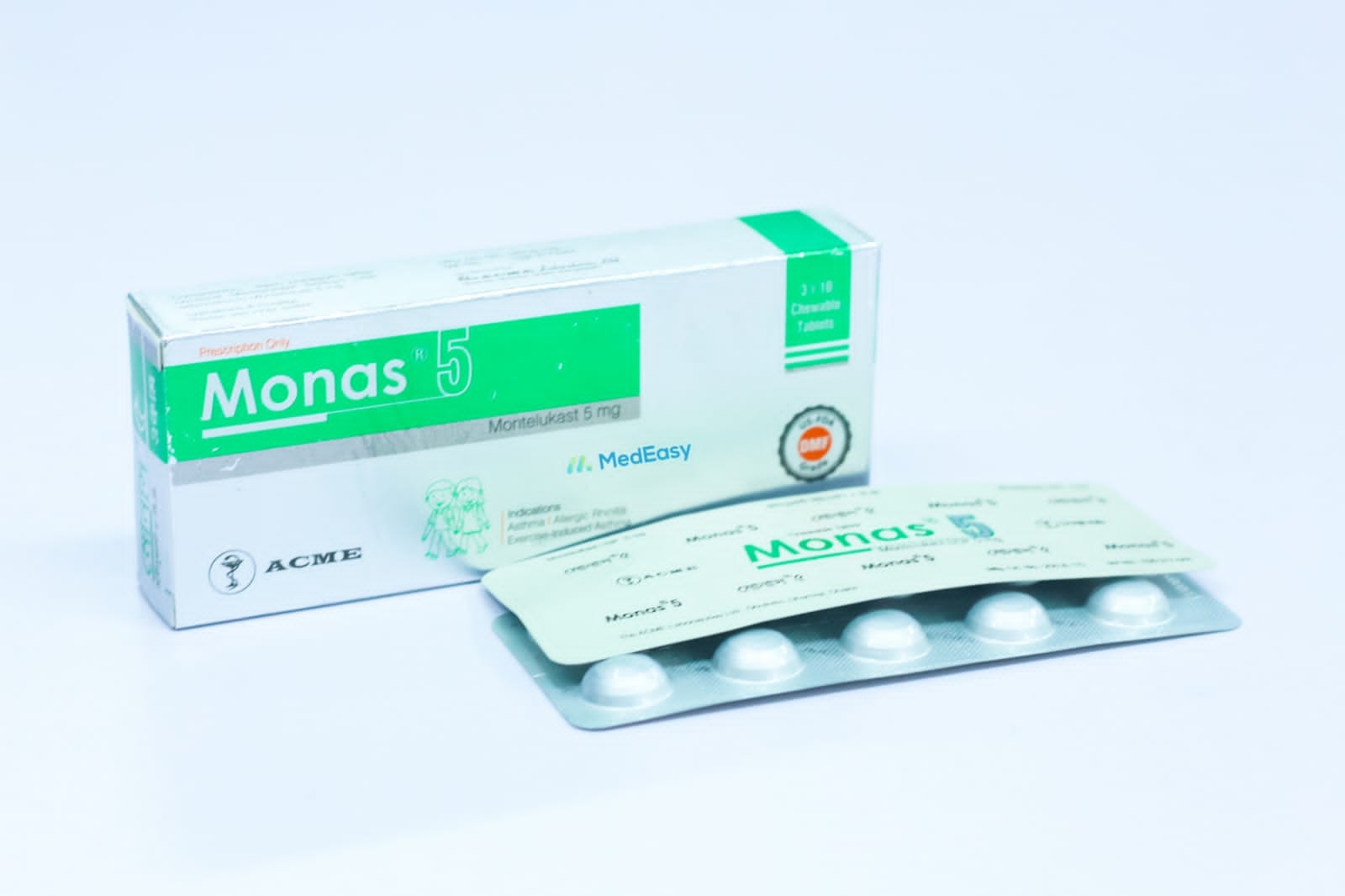
Monas 55 mg
ACME Laboratories Ltd.
৳121.50
Add to cart

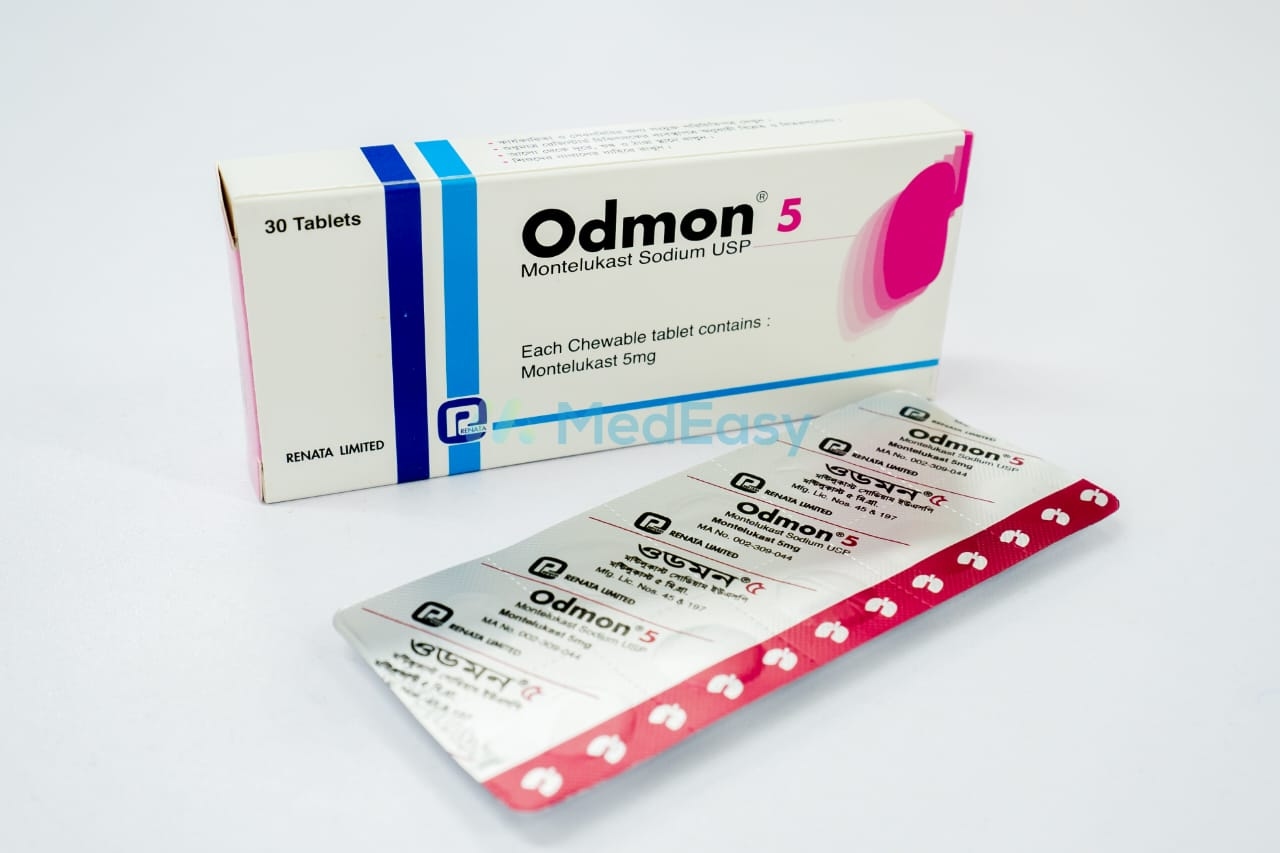
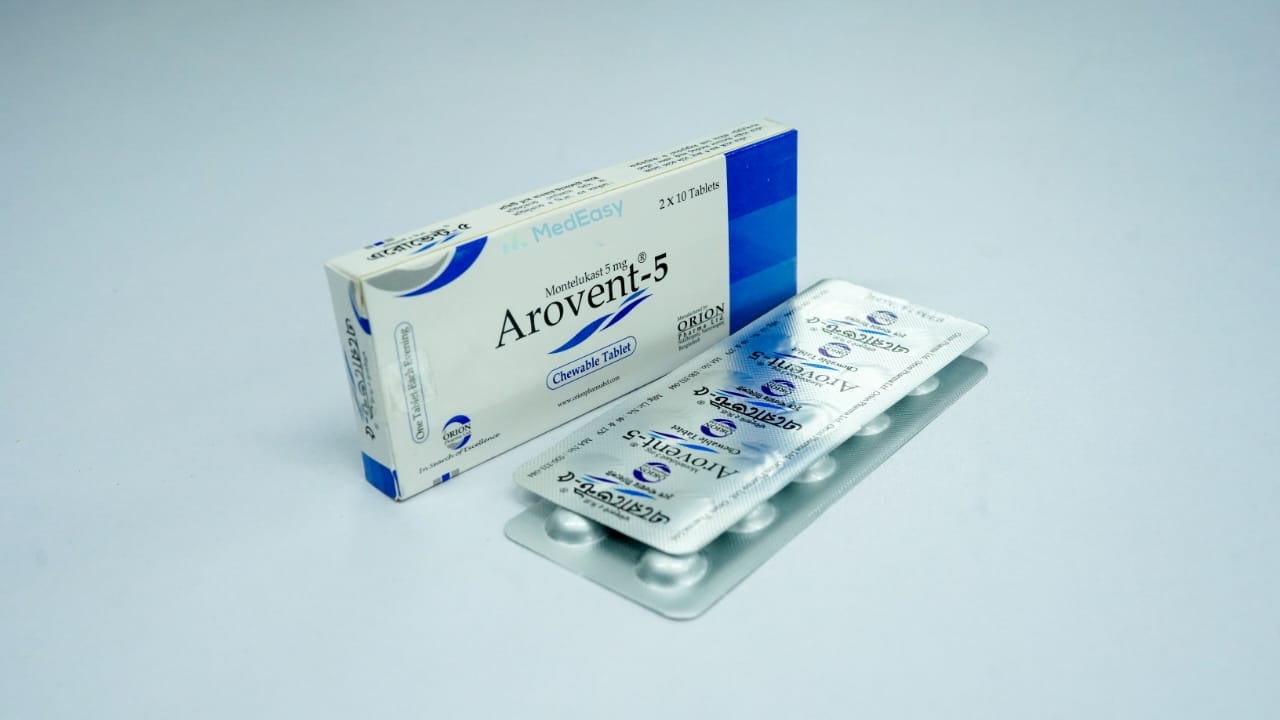
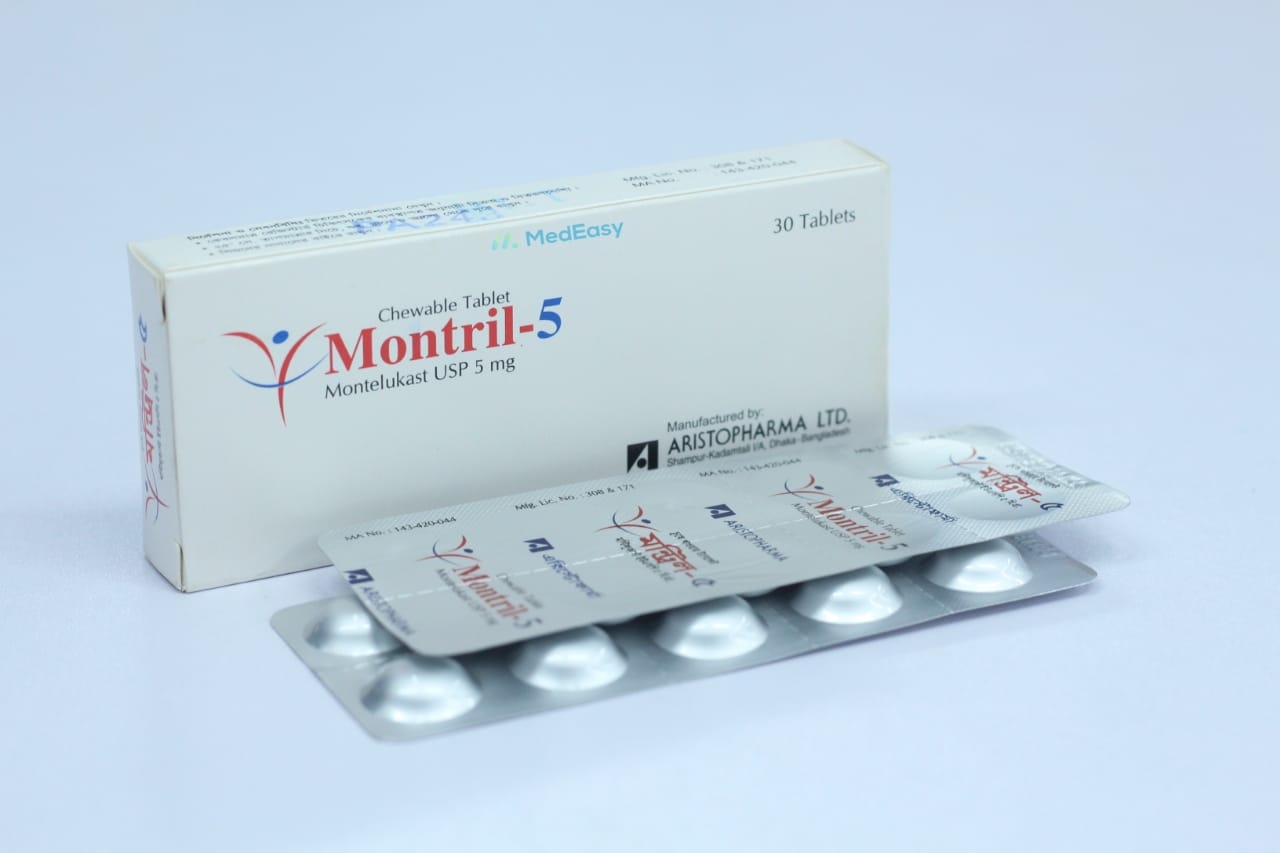
Pulmont 5 mg Chewable Tablet is available on MedEasy for ৳7.36 per piece, with home delivery anywhere in Bangladesh. It is manufactured by Nuvista Pharma Ltd. Its generic name is Montelukast.

Pulmont is an FDA-approved leukotriene receptor antagonist with the following established indications:
Because of its neuropsychiatric boxed warning, current prescribing guidance reserves Pulmont for allergic rhinitis only in patients who have an inadequate response to, or cannot tolerate, other allergy medicines. Pulmont is not indicated for the treatment of acute asthma attacks or acute bronchospasm, and it is not an antibiotic or antimicrobial agent.
Montelukast is available as the active ingredient (as montelukast sodium) in several oral dosage forms:
Chewable tablet formulations may contain aspartame (a source of phenylalanine); patients with phenylketonuria should be counseled accordingly.
Pulmont is a selective leukotriene receptor antagonist (LTRA) used in the long-term management of asthma and for relief of allergic rhinitis symptoms. It works by blocking the action of cysteinyl leukotrienes, inflammatory mediators that contribute to airway edema, smooth muscle constriction, and inflammatory cell activity in asthma and allergic disease. Pulmont is taken orally and is not a bronchodilator or rescue medication for acute symptoms.
Pulmont belongs to the leukotriene receptor antagonist (LTRA) class of anti-asthmatic and anti-allergic agents.
Montelukast selectively and competitively antagonizes the cysteinyl leukotriene receptor CysLT1 found on airway smooth muscle and other airway cells. By blocking this receptor, Montelukast inhibits the physiologic actions of leukotrienes C4, D4, and E4 - potent mediators released from mast cells and eosinophils that cause airway edema, smooth muscle contraction, and altered cellular activity associated with the inflammatory process of asthma and allergic rhinitis.
| Indication | Age group | Recommended dose of Pulmont |
|---|---|---|
| Asthma (prophylaxis/chronic treatment) | ≥15 years | 10 mg tablet once daily in the evening |
| 6-14 years | 5 mg chewable tablet once daily in the evening | |
| 2-5 years | 4 mg chewable tablet or oral granules once daily in the evening | |
| 12-23 months | 4 mg oral granules once daily in the evening | |
| Exercise-induced bronchoconstriction | ≥15 years | 10 mg at least 2 hours before exercise; no additional dose within 24 hours |
| 6-14 years | 5 mg chewable tablet at least 2 hours before exercise; no additional dose within 24 hours | |
| Seasonal allergic rhinitis | ≥15 years | 10 mg once daily, any time of day |
| 6-14 years | 5 mg chewable tablet once daily | |
| 2-5 years | 4 mg chewable tablet or oral granules once daily | |
| Perennial allergic rhinitis | ≥15 years | 10 mg once daily |
| 6-14 years | 5 mg chewable tablet once daily | |
| 2-5 years | 4 mg chewable tablet or oral granules once daily | |
| 6-23 months | 4 mg oral granules once daily |
No dosage adjustment is required in patients with mild-to-moderate hepatic impairment or in patients with renal impairment; Pulmont has not been formally studied in severe hepatic impairment.
Pulmont tablets may be taken with or without food. Oral granules may be given directly in the mouth or mixed with a spoonful of cold or room-temperature soft food (such as applesauce), or dissolved in breast milk or infant formula, and must be consumed within 15 minutes of preparation - the granules should not be dissolved in liquid for drinking, and the packet should not be opened until ready to use. For chronic conditions (asthma, perennial allergic rhinitis), Pulmont should be taken every day as prescribed, even during symptom-free periods, and it should never be used to relieve a sudden asthma attack.
Pulmont is taken by mouth, once daily, generally in the evening for asthma (timing is flexible for allergic rhinitis alone).
If a dose is missed, take it as soon as remembered, but do not double the dose to make up for a missed one. Pulmont should be continued regularly as prescribed and should not be stopped abruptly without medical advice, even when symptoms improve.
Pulmont has relatively few clinically significant drug interactions, but the following are well documented:
No clinically significant interactions have been established with theophylline, warfarin, digoxin, oral contraceptives, or prednisone/prednisolone at recommended doses. Patients should inform their physician or pharmacist of all medicines and supplements they are taking before starting Pulmont.
Montelukast is contraindicated in patients with known hypersensitivity to Montelukast (montelukast) or to any component of the formulation.
Pulmont is generally well tolerated. Reported adverse effects include:
Patients or caregivers should seek prompt medical attention for any new or worsening mood or behavior change, or for signs of a serious allergic reaction.
Published data from prospective and retrospective cohort studies have not established a clear drug-associated risk of major birth defects with Pulmont use in pregnancy. However, because uncontrolled asthma during pregnancy poses well-recognized risks to both mother and fetus (including pre-eclampsia and low birth weight), Pulmont should be used in pregnancy only if clearly needed, and treatment for asthma is generally continued during pregnancy when required, under a physician's guidance, since the risks of poorly controlled asthma typically outweigh the theoretical risks of continued therapy. A physician should always be consulted regarding use of Pulmont during pregnancy.
Pulmont is present in human breast milk in small amounts. There is no evidence of harm to breastfed infants reported to date, but a physician should be consulted to weigh the benefits of breastfeeding and the mother's clinical need for Pulmont against any potential risk to the infant.
Pulmont has been associated with serious neuropsychiatric events, including agitation, aggression, anxiousness, abnormal dreams, hallucinations, depression, insomnia, irritability, restlessness, and suicidal thinking and behavior (including completed suicide). Patients and caregivers should be counseled to watch for and immediately report any new or worsening mood, behavior, or thinking changes; the risks and benefits of Pulmont, particularly for allergic rhinitis where alternative therapies exist, should be discussed with a physician before starting treatment.
Pulmont is not a bronchodilator and is not indicated to treat acute asthma attacks. Patients should continue to use their prescribed rescue (short-acting bronchodilator) inhaler for acute symptoms and should have it available at all times. Continued use of Pulmont should not lead to abrupt discontinuation or reduction of other asthma medications (including corticosteroids) except under a physician's direction.
In rare cases, patients on Pulmont - particularly when oral corticosteroid doses are being reduced - have developed a systemic eosinophilic condition with features of vasculitis consistent with Churg-Strauss syndrome. A causal relationship has not been definitively established, but prescribers should be alert to eosinophilia, vasculitic rash, worsening pulmonary symptoms, cardiac complications, and/or neuropathy in such patients.
Chewable tablet formulations of Pulmont may contain aspartame, a source of phenylalanine, which should be considered in patients with phenylketonuria.
Reported adverse events following Pulmont overdose have included abdominal pain, sleepiness, thirst, headache, vomiting, and psychomotor hyperactivity; serious adverse effects have generally not been reported at supratherapeutic doses, but data on very large overdoses are limited.
There is no specific antidote for Pulmont overdose. If overdose is suspected, seek immediate medical attention or contact a poison control center/emergency services right away. Management consists of general supportive and symptomatic measures under medical supervision; it is not known whether Pulmont is removed by hemodialysis or peritoneal dialysis. Do not attempt to manage a suspected overdose with home remedies.
Store at room temperature (below 30°C), away from light and moisture. Keep the oral granules packet sealed until immediately before use. Keep out of reach of children.
Duration of Pulmont therapy depends on the indication:
Pulmont should not be stopped or its dose changed without consulting the prescribing physician, particularly when other asthma medicines are also being used.
Montelukast belongs to the leukotriene receptor antagonist (LTRA) drug class, used as an anti-asthmatic and anti-allergic agent.
Montelukast works by selectively blocking the cysteinyl leukotriene receptor (CysLT1) on cells in the airway. Cysteinyl leukotrienes are potent inflammatory mediators released by mast cells and eosinophils during allergic and asthmatic responses; when they bind to CysLT1 receptors, they cause bronchoconstriction, increased vascular permeability, mucus secretion, and recruitment of inflammatory cells. By occupying and blocking this receptor, Montelukast prevents these downstream effects, resulting in reduced airway inflammation, decreased bronchoconstriction, and relief of nasal allergy symptoms. Montelukast does not act as a bronchodilator and has no role in reversing acute bronchospasm.
Pulmont has several established pediatric indications, with approved age ranges and formulations as follows:
Safety and efficacy of Pulmont have not been established below these respective age cutoffs for each indication (for example, exercise-induced bronchoconstriction has not been established in children under 6 years). Parents/caregivers of pediatric patients should be counseled specifically to monitor for and report behavior or mood changes, consistent with the boxed warning.
Q: What is Pulmont 5 mg Chewable Tablet used for?
A: Pulmont 5 mg Chewable Tablet is used for the long-term prevention and treatment of asthma, prevention of exercise-induced bronchoconstriction, and relief of symptoms of seasonal and perennial allergic rhinitis. It is a daily controller/preventive medicine, not a rescue treatment for a sudden asthma attack.
Q: Can Pulmont 5 mg Chewable Tablet be used to treat a sudden asthma attack?
A: No. Pulmont 5 mg Chewable Tablet is not a bronchodilator and does not work quickly enough to relieve an acute asthma attack. Patients should always keep their prescribed fast-acting rescue inhaler available for sudden symptoms.
Q: Does Pulmont 5 mg Chewable Tablet cause mood or behavior changes?
A: Pulmont 5 mg Chewable Tablet carries a boxed warning for serious neuropsychiatric events, including agitation, aggression, anxiety, depression, abnormal dreams, and, rarely, suicidal thinking or behavior. Patients and caregivers should watch for any new or worsening mood, behavior, or thinking changes and report them to a physician immediately.
Q: Can Pulmont 5 mg Chewable Tablet be used during pregnancy?
A: Pulmont 5 mg Chewable Tablet should be used during pregnancy only if clearly needed, as advised by a physician. Because poorly controlled asthma itself carries risks to both mother and baby, treatment is often continued during pregnancy under medical supervision when required; a physician should always be consulted.
Q: Is Pulmont 5 mg Chewable Tablet safe for children?
A: Pulmont 5 mg Chewable Tablet is approved for children as young as 6 months (perennial allergic rhinitis) using oral granules, and from 12 months for asthma, with age-specific doses and formulations. Caregivers should be especially alert for behavior or mood changes in children taking Pulmont 5 mg Chewable Tablet.
Q: What should I do if I take too much Pulmont 5 mg Chewable Tablet?
A: If an overdose of Pulmont 5 mg Chewable Tablet is suspected, seek immediate medical attention or contact a poison control center/emergency services right away rather than attempting home treatment.
Disclaimer
The information provided is accurate to the best of our knowledge, but it does not replace professional medical advice. We cannot guarantee its completeness or accuracy, and the absence of specific information about a drug should not be taken as an endorsement. We are not responsible for any consequences arising from this information, so please consult a healthcare professional for any concerns or questions.