8% Off
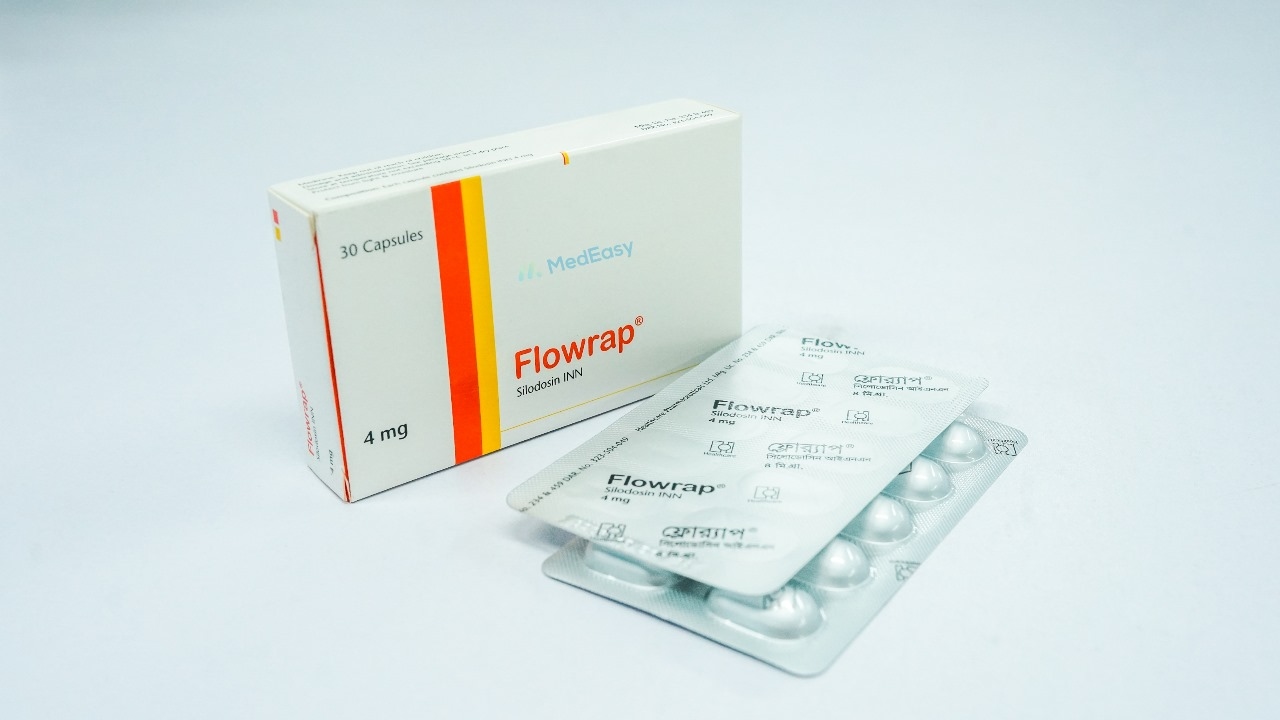
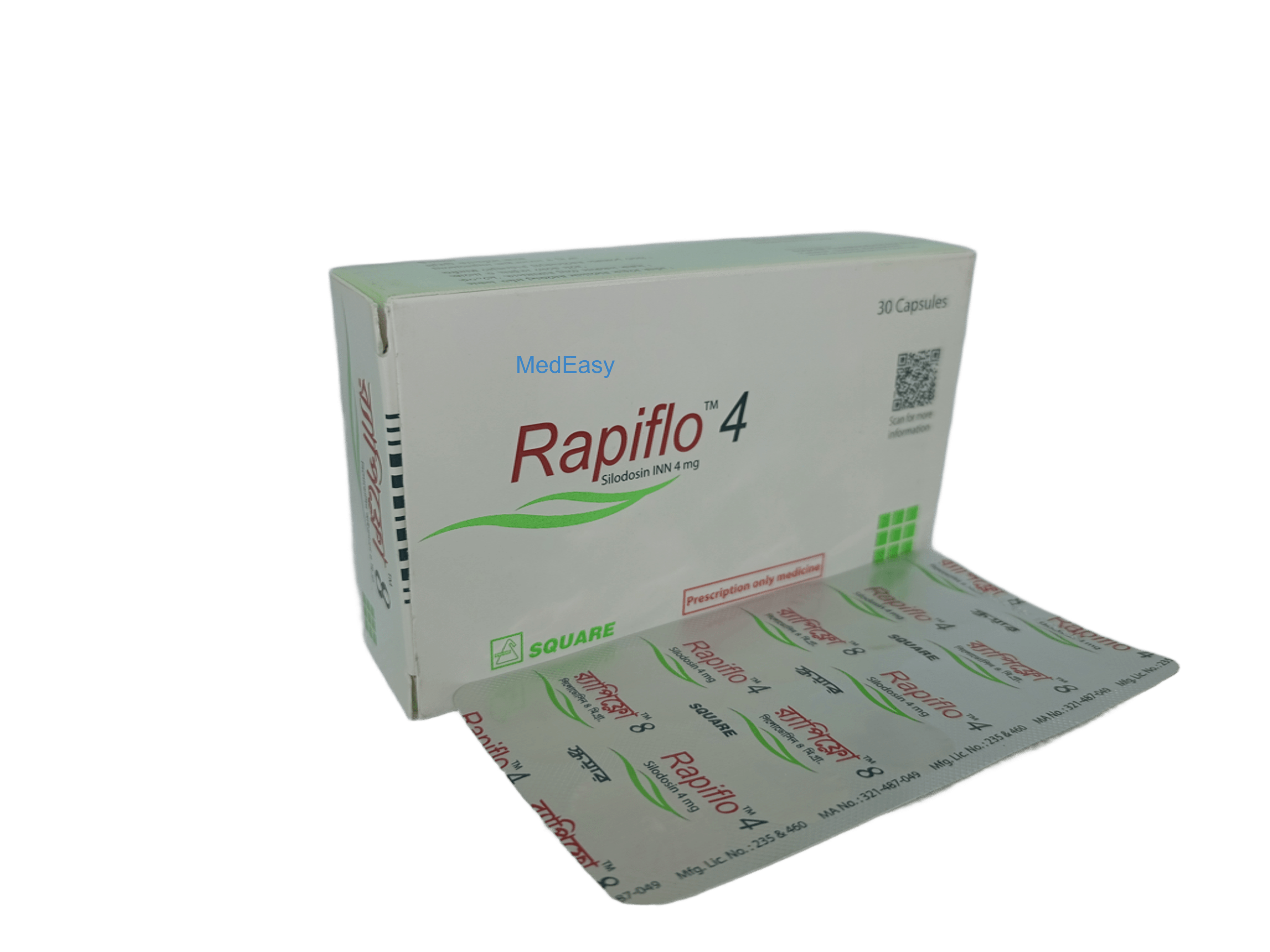
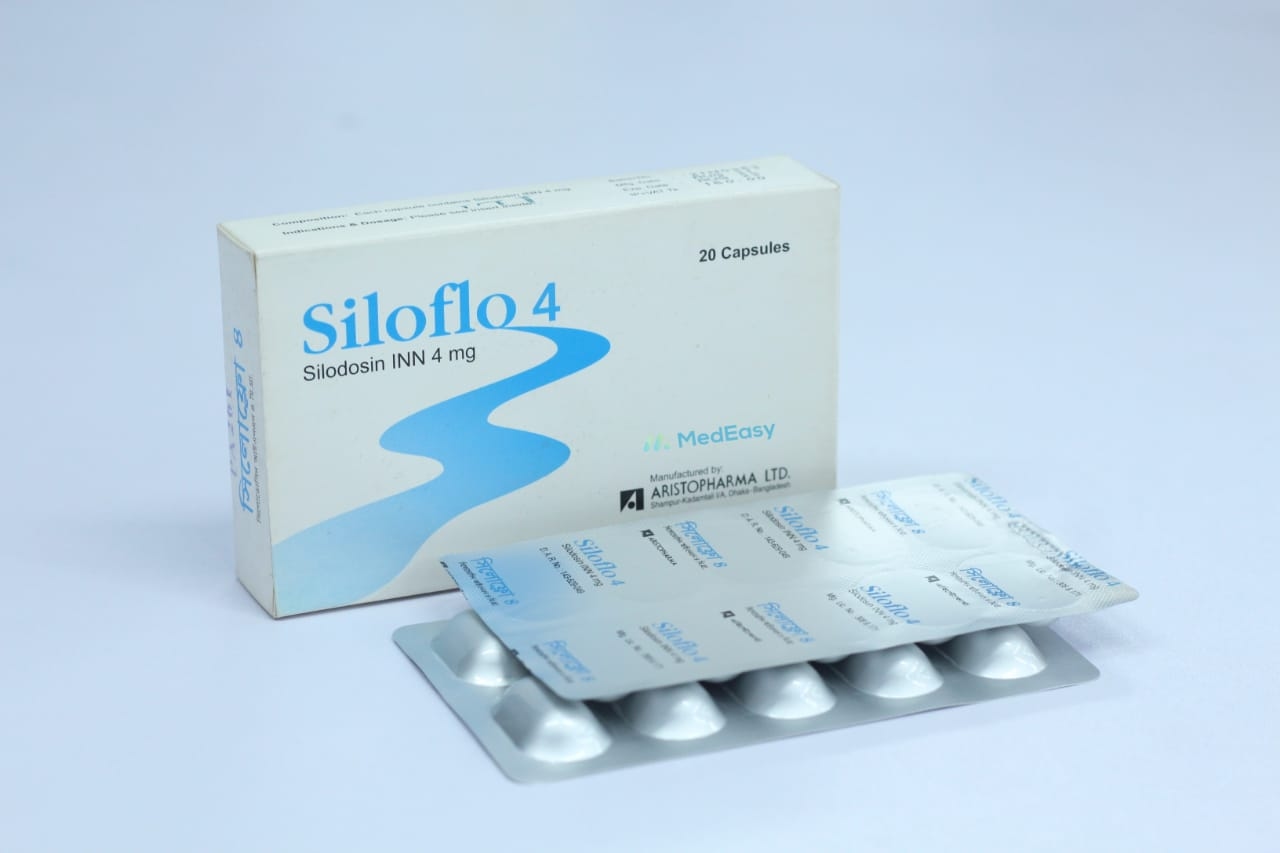
Siloflo4 mg
Aristopharma Ltd.
৳73.60
Add to cart
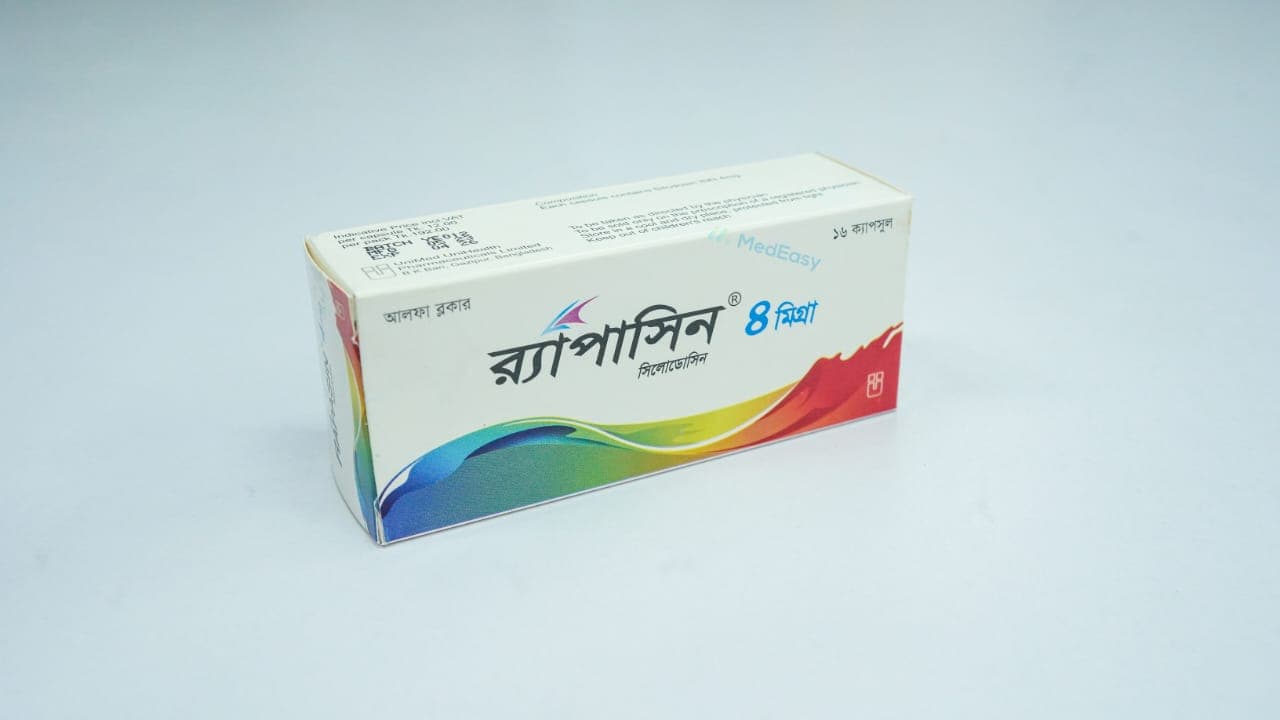

Rapasin is indicated for the treatment of the signs and symptoms of benign prostatic hyperplasia (BPH) in adult men. It is FDA-approved and guideline-supported (used per AUA/EAU BPH management guidelines) as a first-line alpha-1 adrenergic receptor antagonist for relieving lower urinary tract symptoms (LUTS) associated with BPH, such as weak urine stream, urinary hesitancy, straining, incomplete bladder emptying, frequency, and nocturia.
Rapasin is not a cure for BPH and does not reduce prostate size; it works by relaxing smooth muscle to improve urine flow.
Each capsule contains Silodosin as the active ingredient. Silodosin is typically available as oral capsules in strengths of 4 mg and 8 mg.
Rapasin is a highly selective alpha-1A adrenergic receptor antagonist (uroselective alpha-blocker) developed specifically for the treatment of benign prostatic hyperplasia (BPH). Unlike older, less selective alpha-blockers, Rapasin preferentially targets alpha-1A receptors, which are densely concentrated in the smooth muscle of the prostate and bladder neck, giving it a favorable urinary symptom benefit with comparatively lower impact on blood pressure than non-selective agents, though orthostatic hypotension can still occur.
Alpha-1 Adrenergic Receptor Antagonist (Uroselective Alpha-Blocker); Drugs used in Benign Prostatic Hyperplasia (BPH).
Silodosin is a competitive and highly selective antagonist of alpha-1A adrenergic receptors, which predominate in the smooth muscle of the prostate, prostatic capsule, bladder neck, and urethra. By blocking these receptors, Silodosin relaxes smooth muscle tone in the lower urinary tract, reducing bladder outlet resistance and improving urine flow in men with BPH, without directly affecting prostate size. Its selectivity for alpha-1A over alpha-1B (vascular) receptors is greater than that of most other alpha-blockers, which is intended to reduce cardiovascular side effects such as hypotension, although these can still occur, particularly with the first dose.
The dose of Rapasin should be individualized based on renal function; it is not indicated for use in women or children.
| Indication / Population | Recommended dose of Rapasin |
|---|---|
| Adult men with BPH (normal to mild renal impairment, CrCl ≥50 mL/min) | 8 mg orally once daily, with a meal, at approximately the same time each day |
| Moderate renal impairment (CrCl 30-49 mL/min) | 4 mg orally once daily, with a meal |
| Severe renal impairment (CrCl <30 mL/min) | Contraindicated - see Contraindications |
| Severe hepatic impairment | Contraindicated - see Contraindications |
| Women and children | Not indicated; safety and efficacy not established |
If therapy is interrupted for several days, treatment should be resumed at the original recommended dose. Rapasin capsules should be swallowed whole; if a patient has difficulty swallowing, the capsule may be opened and the contents sprinkled on a tablespoon of applesauce and consumed immediately without chewing.
Rapasin should be taken orally, once daily, with a meal (food improves and stabilizes absorption). The capsule should be swallowed whole with water. Patients unable to swallow the capsule whole may carefully open it and sprinkle the entire contents onto a tablespoon of applesauce, then swallow the mixture immediately without chewing. Rapasin should be taken at approximately the same time every day to maintain steady blood levels.
Rapasin is metabolized mainly by CYP3A4 and is a substrate of P-glycoprotein, making it prone to clinically significant interactions:
Silodosin is contraindicated in:
The most common adverse effect of Rapasin is retrograde ejaculation, occurring in a substantial proportion of men treated. Other side effects are generally mild to moderate.
Most sexual side effects, including retrograde ejaculation, are reversible upon discontinuing Rapasin.
Rapasin is indicated only for use in adult men and is not intended for use in women. There are no adequate human data on the use of Rapasin during pregnancy or breastfeeding, and it has no approved indication in the female population; therefore, Rapasin should never be used in pregnant or breastfeeding women.
As with other alpha-blockers, a marked fall in blood pressure on standing (with dizziness or, rarely, syncope) can occur after starting Rapasin, particularly with the first few doses. Patients should be cautioned to sit or lie down at the first sign of dizziness and to avoid situations where injury could occur (e.g. driving, operating machinery) until they know how Rapasin affects them.
IFIS has been observed during cataract surgery in some patients treated with alpha-1 blockers, including Rapasin. Patients planning cataract surgery should inform their ophthalmologist about current or prior use of Rapasin, as the surgeon may need to modify the surgical technique. There is no benefit in stopping Rapasin prior to surgery.
Rapasin is approved only for adult men with BPH and must not be used in women or pediatric patients.
Dose reduction is required in moderate renal impairment, and use is contraindicated in severe renal or hepatic impairment - see Dosage and Contraindications.
Before starting Rapasin, patients should be evaluated to rule out prostate cancer, as symptoms of BPH and prostate cancer can overlap.
Overdose with Rapasin may cause severe hypotension, dizziness, and fainting due to its blood-pressure-lowering effect. In case of a suspected overdose of Rapasin, seek immediate medical attention or contact emergency services/poison control. Management is supportive: the patient should be placed supine (lying flat), and intravenous fluids and, if necessary, vasopressor support may be given by medical staff to restore blood pressure and cardiovascular function. Because Rapasin is highly protein-bound, dialysis is unlikely to be of significant benefit. Do not attempt to manage an overdose of Rapasin at home without medical guidance.
Store Rapasin at room temperature (below 30°C), away from light and moisture. Keep out of reach of children.
Renal impairment: No dose adjustment is needed in mild renal impairment. In moderate renal impairment (CrCl 30-49 mL/min), the dose of Rapasin should be reduced to 4 mg once daily. Rapasin is contraindicated in severe renal impairment (CrCl <30 mL/min).
Hepatic impairment: No dose adjustment is needed in mild to moderate hepatic impairment. Rapasin is contraindicated in severe hepatic impairment.
Elderly (geriatric) patients: No overall differences in effectiveness were observed compared with younger patients, but elderly men treated with Rapasin may be more susceptible to orthostatic hypotension; use with appropriate caution.
Women: Rapasin is not indicated for use in women.
Pediatric patients: Safety and efficacy of Rapasin have not been established in children; it is not indicated for pediatric use.
Rapasin is generally used as a long-term, ongoing therapy for symptom control in BPH, since symptoms typically return if treatment is stopped. Improvement in urinary symptoms is usually noticeable within the first week of starting Rapasin. Treatment duration should be determined by the prescribing physician, with periodic reassessment of symptom control and continued need for therapy.
Alpha-1 Adrenergic Receptor Antagonists (Uroselective Alpha-Blockers); BPH Therapeutic Agents
Silodosin works by selectively and competitively blocking alpha-1A adrenergic receptors, which are the predominant alpha-1 receptor subtype in the smooth muscle of the prostate, bladder neck, and urethra. Blockade of these receptors by Silodosin relaxes smooth muscle tone in the lower urinary tract, decreasing resistance to urine outflow and improving urinary symptoms of BPH, without lowering prostate size or affecting serum PSA levels.
Rapasin is not indicated for use in pediatric patients. Safety and efficacy of Rapasin in patients younger than 18 years have not been established, and BPH is a condition of adult men, so there is no approved pediatric dosing for Rapasin.
Q: What is Rapasin 4 mg Capsule used for?
A: Rapasin 4 mg Capsule is used to relieve the signs and symptoms of benign prostatic hyperplasia (BPH) in adult men, such as weak urinary stream, urgency, hesitancy, and incomplete bladder emptying. It is not used to treat high blood pressure and is not approved for use in women.
Q: How should I take Rapasin 4 mg Capsule?
A: Rapasin 4 mg Capsule should be taken by mouth once daily, with a meal, at about the same time each day. The usual dose is 8 mg daily, or 4 mg daily if you have moderate kidney impairment. Swallow the capsule whole, or if needed, open it and sprinkle the contents on applesauce and swallow immediately without chewing.
Q: What are the most common side effects of Rapasin 4 mg Capsule?
A: The most common side effect of Rapasin 4 mg Capsule is retrograde ejaculation (reduced or absent semen during orgasm), which is harmless and reversible after stopping the medicine. Other common effects include dizziness, diarrhea, low blood pressure on standing, headache, and nasal congestion.
Q: Can Rapasin 4 mg Capsule cause low blood pressure or fainting?
A: Yes. Rapasin 4 mg Capsule can cause orthostatic hypotension, especially with the first few doses, leading to dizziness or, rarely, fainting when standing up quickly. Rise slowly from sitting or lying positions and avoid driving or operating machinery until you know how Rapasin 4 mg Capsule affects you.
Q: Do I need to tell my eye surgeon that I take Rapasin 4 mg Capsule?
A: Yes. If you are scheduled for cataract surgery, you must inform your ophthalmologist that you are taking or have taken Rapasin 4 mg Capsule, because it can cause Intraoperative Floppy Iris Syndrome (IFIS), which may require the surgeon to adjust their technique. Do not stop Rapasin 4 mg Capsule on your own before surgery without your doctor's advice.
Q: Who should not take Rapasin 4 mg Capsule?
A: Rapasin 4 mg Capsule should not be taken by anyone with a known allergy to it, patients with severe kidney or liver impairment, or those taking strong CYP3A4-inhibiting medicines such as ketoconazole, itraconazole, clarithromycin, or ritonavir, because these combinations significantly increase the risk of serious side effects. Rapasin 4 mg Capsule is not for use in women or children.
Disclaimer
The information provided is accurate to the best of our knowledge, but it does not replace professional medical advice. We cannot guarantee its completeness or accuracy, and the absence of specific information about a drug should not be taken as an endorsement. We are not responsible for any consequences arising from this information, so please consult a healthcare professional for any concerns or questions.