
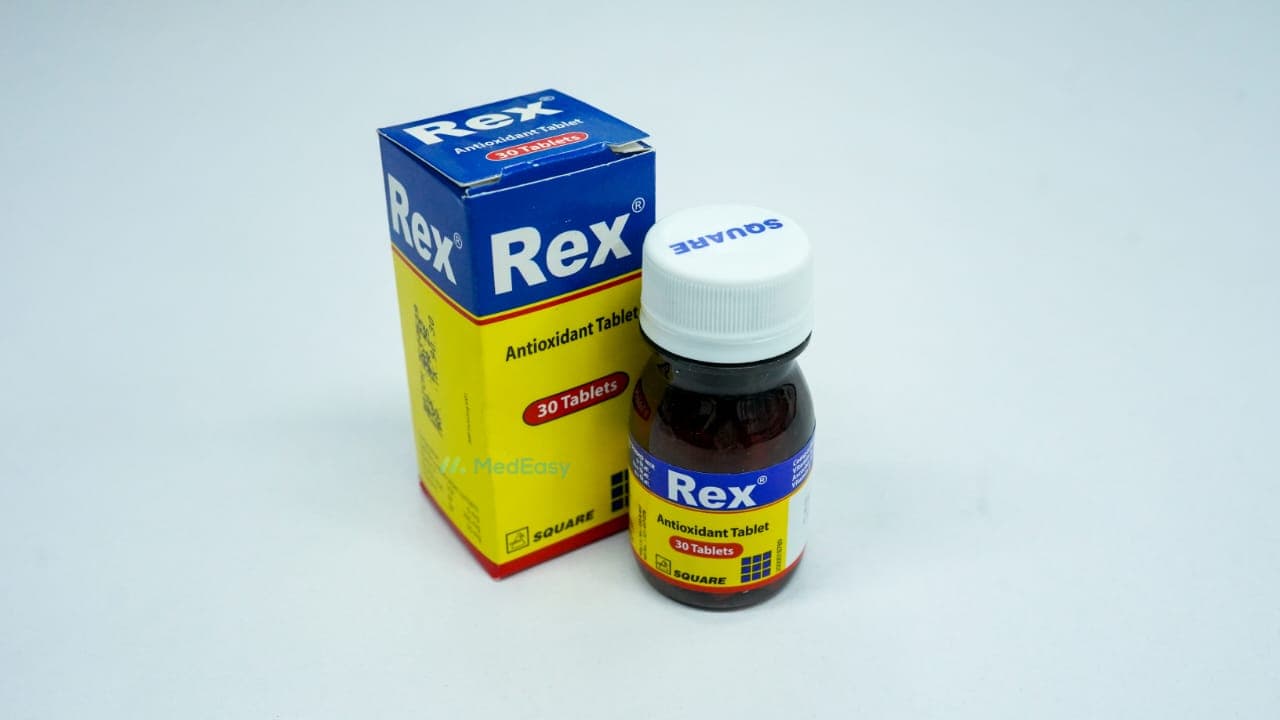

Medicine overview
Indications of Rex
Established Use
Rex is a fixed-dose antioxidant vitamin combination used as a dietary supplement to correct or prevent inadequate dietary intake of provitamin A (beta-carotene), vitamin C, and vitamin E, particularly in people with restricted, unbalanced, or insufficient diets.
Adjunct / Conditional Use
Rex may be used as an adjunct in individuals with increased antioxidant requirements (e.g., convalescence, poor nutritional intake) under medical advice. It is not a substitute for a balanced diet.
Unproven / Not Supported for Disease Prevention
Current evidence does not support routine use of Rex, or antioxidant supplementation in general, for the prevention of cancer or cardiovascular disease in the general, well-nourished population. Large randomized trials have not shown a net benefit of antioxidant supplementation for these purposes, and some trials found harm (see Precautions and Warnings). Rex should not be marketed or used with the expectation that it prevents cancer or heart disease.
Important Note for Smokers
Because of its beta-carotene component, Rex carries a documented increased lung cancer risk in current or former smokers and in people with significant asbestos exposure (see Precautions and Warnings for full detail). Rex should generally be avoided by these groups unless specifically advised by a physician.
Composition
Each tablet of Betacarotene + Vitamin C + Vitamin E contains: Betacarotene (Pro-Vitamin A) USP 6 mg, Vitamin C (Ascorbic Acid) BP 200 mg, and Vitamin E (dl-alpha Tocopheryl Acetate) BP 50 mg.
Description
Rex is a combination dietary supplement that brings together three antioxidant nutrients in a single tablet: beta-carotene (a plant-derived precursor of vitamin A), vitamin C (ascorbic acid), and vitamin E (alpha-tocopherol). It is intended to help meet daily antioxidant vitamin needs in people whose diet does not provide enough of these nutrients. Rex is not a treatment for any disease and does not replace a balanced diet. Because one of its components (beta-carotene) carries a specific safety concern for smokers, anyone who smokes or has significant past asbestos exposure should talk to a doctor before taking Rex.
Therapeutic Class
Antioxidant Vitamin Combination Supplement
Pharmacology
Betacarotene + Vitamin C + Vitamin E combines three nutrients with complementary antioxidant roles. Beta-carotene is a provitamin A carotenoid that the body converts to retinol as needed and that also has independent free-radical-quenching activity in lipid environments. Vitamin C (ascorbic acid) is a water-soluble reducing agent and enzyme cofactor that neutralizes reactive oxygen species in aqueous compartments and regenerates oxidized vitamin E. Vitamin E (alpha-tocopherol) is a fat-soluble antioxidant that protects polyunsaturated fatty acids in cell membranes and lipoproteins from oxidative (free-radical-mediated) damage. Together, the three components in Betacarotene + Vitamin C + Vitamin E are thought to provide complementary aqueous- and lipid-phase antioxidant coverage; however, large clinical trials have not consistently translated this combined antioxidant mechanism into a proven reduction in disease outcomes (see Indications and Precautions).
Dosage & Administration of Rex
Dosing of Rex should be individualized and is best determined by a healthcare professional based on dietary intake, age, physiological status (e.g., pregnancy, lactation), and smoking history; the figures below are general reference ranges, not a single dose that applies to everyone.
Administration of Rex
- Take Rex by mouth exactly as directed by a physician or pharmacist.
- Swallow the tablet whole with a glass of water; do not crush or chew unless the product labeling permits it.
- Take with food, as this may improve absorption of the fat-soluble components (beta-carotene and vitamin E).
- Try to take Rex at the same time each day to build a consistent routine.
- Do not take more than the prescribed or labeled dose in the belief that a higher dose is more protective.
- If a dose is missed, take it as soon as remembered; if it is almost time for the next dose, skip the missed dose rather than doubling up.
Interaction of Rex
- Anticoagulants and antiplatelet drugs (e.g., warfarin, aspirin, clopidogrel) — increased bleeding risk: the vitamin E component of Rex, especially at higher intakes, can inhibit platelet aggregation and antagonize vitamin K-dependent clotting factors, which may add to the bleeding risk of anticoagulant or antiplatelet therapy.
- Warfarin — possible reduced anticoagulant effect from high-dose vitamin C: very high doses of vitamin C (several grams per day) have been reported in case reports to reduce warfarin absorption/effectiveness; patients on warfarin should avoid excessive vitamin C intake and keep intake consistent, with INR monitoring as advised by their physician.
- Iron supplements — enhanced absorption: the vitamin C in Rex increases absorption of non-heme (dietary/supplemental) iron; this is usually desirable but should be used cautiously in people with iron-overload conditions such as hemochromatosis.
- Chemotherapy and radiotherapy: because antioxidants could theoretically interfere with the oxidative mechanisms some cancer treatments rely on, patients undergoing chemotherapy or radiotherapy should consult their oncologist before taking Rex or any antioxidant supplement.
- Orlistat and bile-acid-binding drugs (e.g., cholestyramine): these can reduce absorption of the fat-soluble components of Rex (beta-carotene and vitamin E); consider separating dosing times and discuss with a physician.
- Statin/niacin combination therapy: high-dose antioxidant combinations (including vitamin C and vitamin E) may blunt the HDL-cholesterol-raising benefit of niacin-statin therapy; discuss concurrent use with a physician.
Contraindications
Betacarotene + Vitamin C + Vitamin E is contraindicated in individuals with known hypersensitivity to beta-carotene, vitamin C (ascorbic acid), vitamin E (alpha-tocopherol), or any excipient in the formulation.
Side Effects of Rex
Common
Generally well tolerated at labeled doses. Reported effects include mild gastrointestinal upset (nausea, abdominal cramps, diarrhea) from the vitamin C component, loose stools from beta-carotene, and mild fatigue or headache occasionally reported with vitamin E. Harmless yellow-orange skin discoloration (carotenodermia) can occur with prolonged, high beta-carotene intake and resolves after stopping.
Serious / Seek Medical Attention
Stop Rex and seek medical attention for signs of an allergic reaction (rash, itching, swelling, severe dizziness, trouble breathing); unusual bleeding or bruising (which may reflect the vitamin E–related bleeding risk described above); or symptoms suggestive of kidney stones (severe flank/back pain, blood in urine) associated with very high vitamin C intake. Report any of these to a physician promptly.
Pregnancy & Lactation
Pregnancy
Rex should be used in pregnancy only if recommended by a healthcare professional. Unlike preformed (high-dose) vitamin A, beta-carotene is not known to be teratogenic or to cause reproductive toxicity, and is generally considered the safer source of provitamin A activity in pregnancy. Vitamin C is safe at recommended intakes in pregnancy (RDA 85 mg/day); very high doses (several grams per day) are not advised. Vitamin E at the recommended intake (15 mg/day in pregnancy) is considered appropriate; safety of high-dose supplementation above nutritional need has not been established in pregnancy. Overall, routine supplementation with Rex in a well-nourished pregnant woman is not automatically indicated and should be individualized.
Breastfeeding
Vitamin C (RDA 120 mg/day) and vitamin E (RDA 19 mg/day) requirements are increased during lactation, and Rex may be used to help meet these needs if a healthcare professional determines dietary intake is inadequate. There is no specific evidence that beta-carotene at labeled doses is unsafe during breastfeeding, but Rex should still only be used in lactating women under medical guidance.
Precautions & Warnings
- Increased lung cancer risk in smokers and asbestos-exposed individuals (canonical warning): large randomized controlled trials found that beta-carotene supplementation increases lung cancer risk in current and former smokers and in people with significant asbestos exposure. The CARET trial found beta-carotene supplementation increased lung cancer incidence by 28% and lung cancer mortality by 46% in smokers and asbestos-exposed workers; the ATBC trial found an 18% increase in lung cancer risk in male smokers taking beta-carotene supplements. Because Rex contains beta-carotene, current or former heavy smokers and people with significant asbestos exposure should generally avoid it and should discuss alternatives with a physician.
- Bleeding risk with high-dose vitamin E: vitamin E can inhibit platelet function and antagonize vitamin K-dependent clotting factors at higher intakes; use Rex cautiously in people on anticoagulant or antiplatelet therapy or with bleeding disorders, and before any planned surgery.
- Not a substitute for disease prevention measures: Rex has not been shown to prevent cancer or cardiovascular disease in the general population and should not be used with that expectation in place of established preventive care (diet, exercise, smoking cessation, medical screening).
- Caution in hyperoxaluria or history of kidney stones: high vitamin C intake can increase urinary oxalate excretion; use with caution in individuals prone to oxalate kidney stones.
- Caution in iron-overload conditions: vitamin C enhances iron absorption; people with hemochromatosis or other iron-overload disorders should use Rex only under medical supervision.
- All-cause mortality signal with high-dose vitamin E: some meta-analyses have linked high-dose vitamin E supplementation with a small but statistically significant increase in all-cause mortality; avoid exceeding labeled or physician-directed doses.
Overdose Effects of Rex
Overdose of Rex would most likely present as an exaggeration of its component side effects: gastrointestinal upset, diarrhea, and abdominal cramping (from vitamin C and beta-carotene), and, with substantial excess of vitamin E, an increased tendency to bleed or bruise. No universally agreed specific toxic-dose threshold is established for this combination product, and thresholds vary by component and individual. In case of suspected overdose, do not induce vomiting unless specifically directed to do so by a healthcare professional or poison control center, and contact emergency medical services or a poison control center immediately.
Storage Conditions
Store according to the product label; in general, keep below 30°C, away from light and moisture, and out of the reach of children.
Use In Special Populations
Children
Rex in adult tablet strength (beta-carotene 6 mg + vitamin C 200 mg + vitamin E 50 mg) is not routinely intended for young children; pediatric antioxidant vitamin needs are much lower and should be met through age-appropriate formulations or diet unless a pediatrician specifically prescribes this product.
Elderly
No specific dose adjustment is established for Rex in the elderly, but older adults are more likely to be on anticoagulant/antiplatelet therapy, making the vitamin E–related bleeding interaction particularly relevant; review concurrent medications before starting.
Renal Impairment
Use vitamin C-containing products such as Rex cautiously in patients with significant renal impairment or a history of kidney stones, as high vitamin C intake can increase oxalate excretion and stone risk.
Hepatic Impairment
No specific dose adjustment for Rex is established in hepatic impairment; because beta-carotene metabolism to vitamin A occurs partly in the liver, use with medical guidance in significant liver disease.
Smokers and Asbestos-Exposed Individuals (cross-reference)
Rex carries a documented increased lung cancer risk in this group due to its beta-carotene component; see Precautions and Warnings for full detail. These individuals should generally avoid Rex unless a physician advises otherwise.
Duration Of Treatment
Rex is generally used for as long as dietary antioxidant supplementation is needed, as determined by a healthcare professional; it is not intended for indefinite high-dose use without periodic medical review. Long-term use should be reassessed periodically, particularly in people on anticoagulant therapy, pregnant or lactating women, and anyone with a smoking history, to confirm continued need and to monitor for adverse effects.
Drug Classes
Fixed-dose combination dietary supplement; Antioxidant vitamins (provitamin A carotenoid + water-soluble vitamin + fat-soluble vitamin).
Mode Of Action
Betacarotene + Vitamin C + Vitamin E works through the combined antioxidant activity of its three components. Beta-carotene scavenges free radicals in lipid environments and serves as a precursor that the body converts to retinol (vitamin A) as physiologically needed. Vitamin C acts as a water-soluble reducing agent, neutralizing reactive oxygen species in the aqueous phase of cells and plasma, and helps regenerate the active (reduced) form of vitamin E after it has neutralized a free radical. Vitamin E, a fat-soluble antioxidant embedded in cell membranes and circulating lipoproteins, interrupts lipid peroxidation chain reactions that would otherwise damage polyunsaturated fatty acids. Together, these complementary mechanisms are intended to reduce oxidative stress across both aqueous and lipid cellular compartments.
Pediatric Uses
Rex in its standard adult tablet strength is not the appropriate dosing form for most children; pediatric requirements for each component are much lower and are normally met through diet or age-specific pediatric formulations. For reference, per-component daily allowances relevant to a physician's assessment include: Vitamin A (from provitamin A sources including beta-carotene) RDA of 300 mcg RAE (1–3 years), 400 mcg RAE (4–8 years), and 600 mcg RAE (9–13 years); Vitamin C RDA of roughly 15 mg (1–3 years), 25 mg (4–8 years), and 45 mg (9–13 years); Vitamin E RDA of 6 mg (1–3 years), 7 mg (4–8 years), and 11 mg (9–13 years). Rex should be given to a child only on a pediatrician's specific recommendation.
Frequently Asked Questions
Q: What is Rex Tablet used for?
A: Rex Tablet is a combination antioxidant vitamin supplement used to help correct or prevent inadequate dietary intake of provitamin A (beta-carotene), vitamin C, and vitamin E. It is not proven to prevent cancer or heart disease in the general population and should not be used with that expectation.
Q: How should Rex Tablet be taken?
A: Rex Tablet is usually taken as one tablet daily by mouth with food, or exactly as directed by a physician, since the appropriate dose depends on individual factors such as diet, age, and health status.
Q: Can smokers take Rex Tablet?
A: Caution is strongly advised. Because Rex Tablet contains beta-carotene, large clinical trials (CARET, ATBC) found that current and former smokers taking beta-carotene supplements had an increased risk of lung cancer. Smokers and people with significant asbestos exposure should generally avoid Rex Tablet and discuss alternatives with a physician.
Q: Can Rex Tablet be taken during pregnancy?
A: Rex Tablet should only be used in pregnancy if a healthcare professional recommends it. Beta-carotene, unlike high-dose preformed vitamin A, is not known to be teratogenic, but overall use of Rex Tablet in pregnancy should still be individualized and medically supervised.
Q: Can children take Rex Tablet?
A: The standard adult-strength tablet of Rex Tablet is not routinely intended for young children, whose antioxidant vitamin needs are much lower. It should only be given to a child on a pediatrician's specific advice.
Q: Does Rex Tablet interact with blood thinners?
A: Yes. The vitamin E in Rex Tablet can increase bleeding risk when combined with anticoagulants or antiplatelet drugs such as warfarin or aspirin, and very high-dose vitamin C has been reported to reduce warfarin's effectiveness in some cases. Anyone on blood-thinning medication should discuss Rex Tablet with their physician first.
Q: What are the common side effects of Rex Tablet?
A: Most people tolerate Rex Tablet well. Mild gastrointestinal upset, loose stools, and, with prolonged high intake, a harmless yellow-orange skin discoloration from beta-carotene can occur.
Q: Can Rex Tablet be taken with milk?
A: Yes, Rex Tablet can generally be taken with milk or other food; taking it with food may actually help absorption of its fat-soluble components (beta-carotene and vitamin E). If in doubt, follow the specific instructions of the prescribing physician or the product label.
Q: Is Rex Tablet proven to prevent cancer or heart disease?
A: No. Current evidence does not support the use of Rex Tablet, or antioxidant supplementation generally, for preventing cancer or cardiovascular disease in well-nourished people, and in the case of beta-carotene and smokers, supplementation has been shown to increase lung cancer risk rather than reduce it.
Disclaimer
The information provided is accurate to the best of our knowledge, but it does not replace professional medical advice. We cannot guarantee its completeness or accuracy, and the absence of specific information about a drug should not be taken as an endorsement. We are not responsible for any consequences arising from this information, so please consult a healthcare professional for any concerns or questions.
