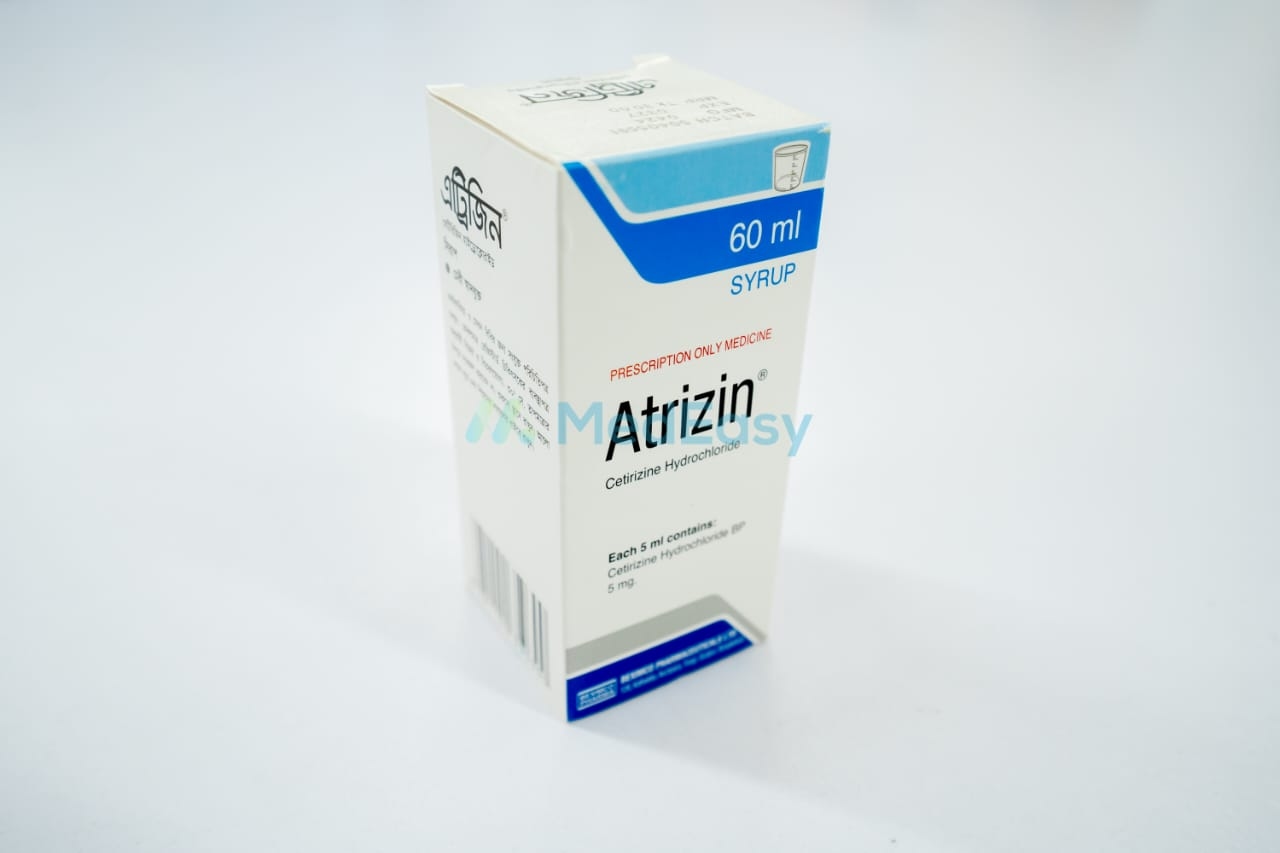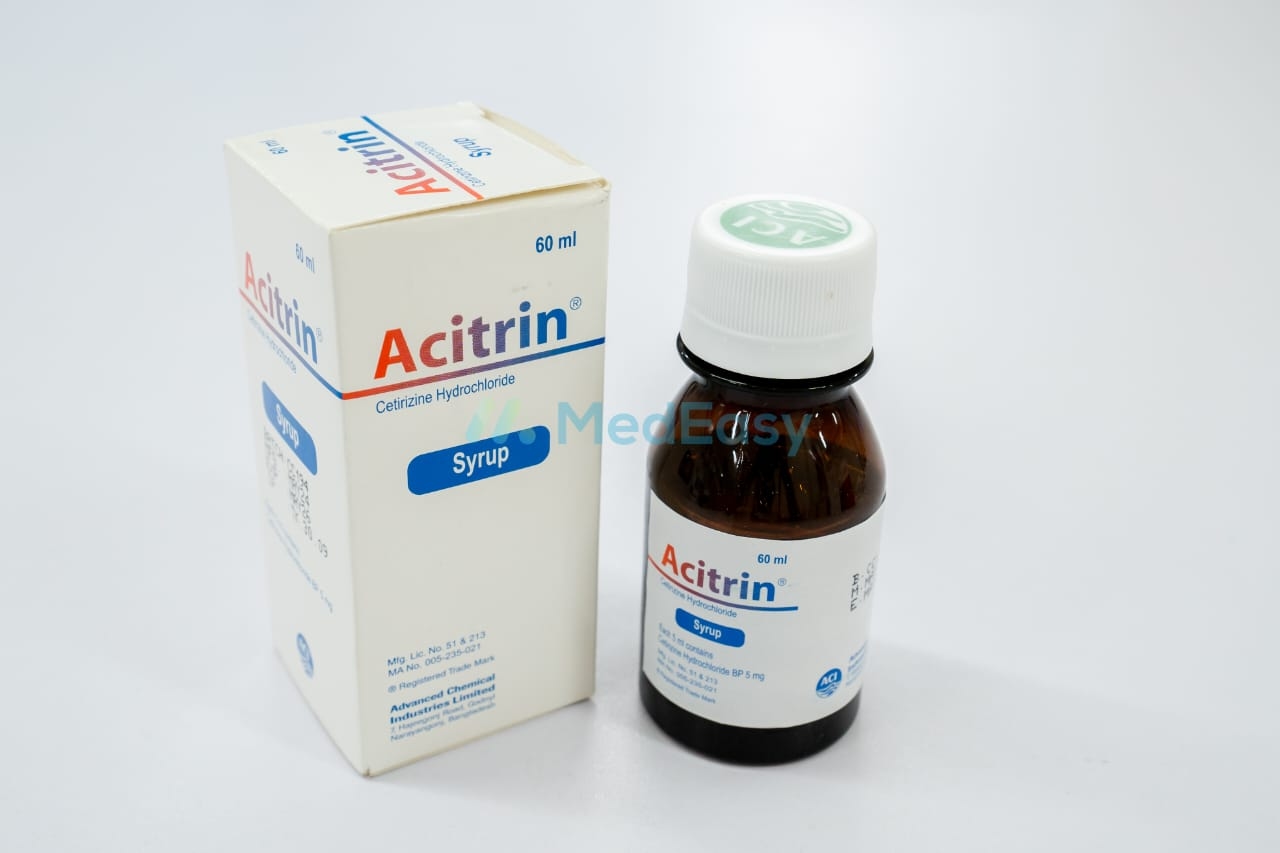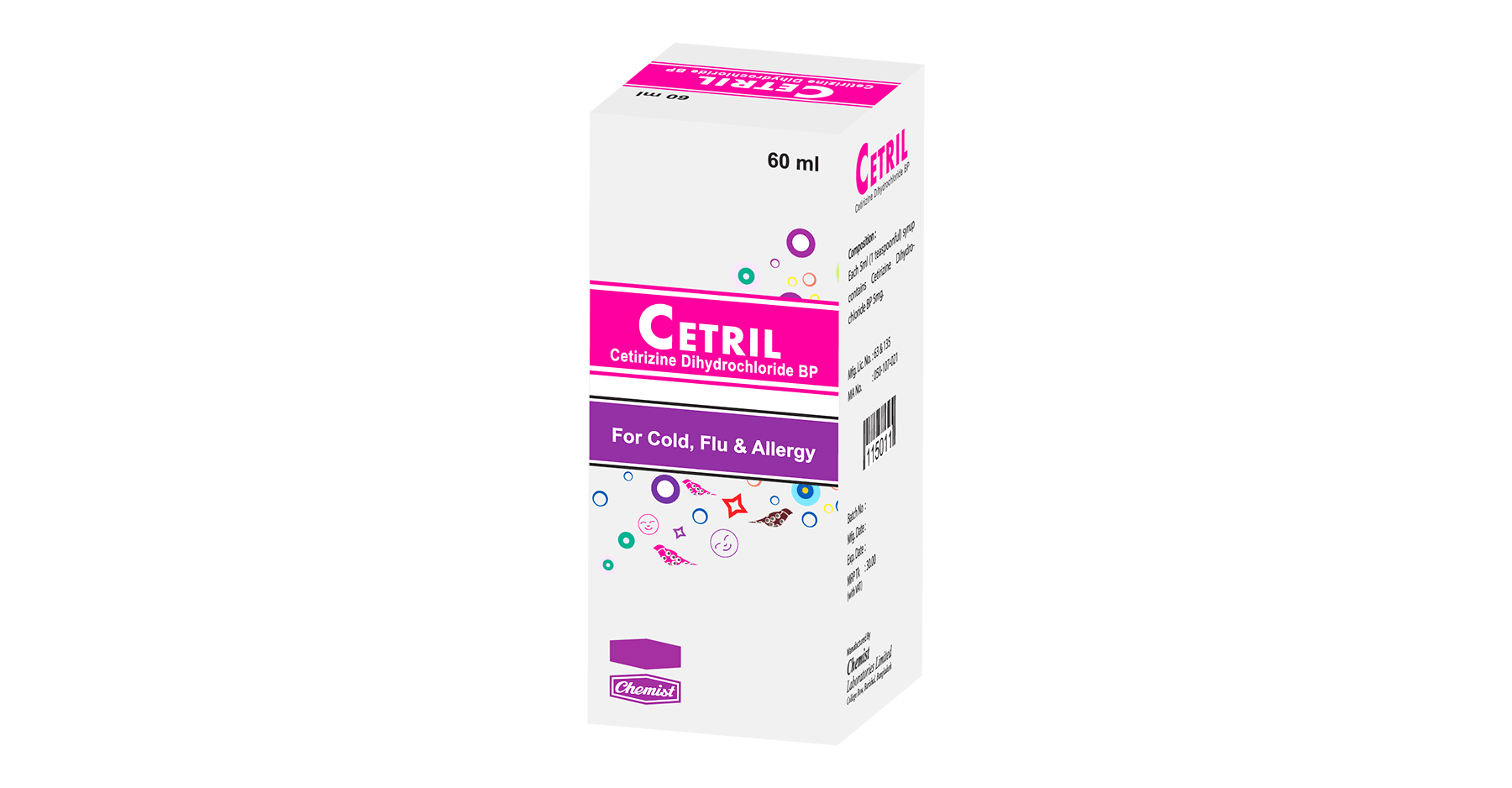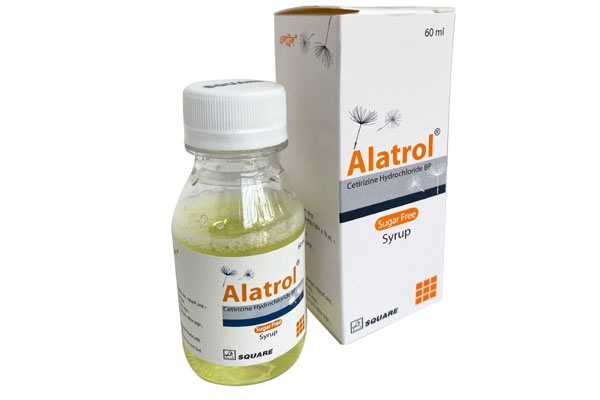
10% Off
Alatrol60 ml
Square Pharmaceuticals PLC.
৳31.59
Add to cart


Rhinil is a second-generation (non-sedating) antihistamine used for the following indications:
Rhinil does not cure the underlying allergic condition; it controls symptoms while the allergen exposure or condition is otherwise managed.
Each dosage unit of Cetirizine Hydrochloride [Oral] contains cetirizine hydrochloride as the active ingredient, commonly available as:
Excipients vary by manufacturer and formulation.
Rhinil is a potent, selective, second-generation H1-receptor antagonist derived from hydroxyzine. It is widely used for the symptomatic relief of allergic rhinitis and chronic idiopathic urticaria because it has a relatively low potential for sedation and anticholinergic side effects compared with first-generation antihistamines, while still providing effective, once-daily symptom control.
Rhinil belongs to the class of second-generation (minimally sedating) antihistamines, specifically selective peripheral H1-receptor antagonists.
Cetirizine Hydrochloride [Oral] is a selective antagonist at peripheral histamine H1-receptors. By blocking H1-receptors on vascular endothelium, smooth muscle, and sensory nerve endings, it inhibits histamine-mediated vasodilation, increased vascular permeability, and pruritus, thereby reducing the symptoms of allergic rhinitis and urticaria.
Compared with first-generation antihistamines, Cetirizine Hydrochloride [Oral] crosses the blood-brain barrier to a much lesser extent, which accounts for its lower (though not absent) sedative effect. It has minimal anticholinergic activity. Onset of action is generally within 20-60 minutes, with effects lasting approximately 24 hours, supporting once-daily dosing.
Dosing of Rhinil depends on the indication, patient age, and renal/hepatic function.
| Age group | Recommended dose |
|---|---|
| Adults and children ≥ 12 years | 10 mg once daily (or 5 mg twice daily) |
| Children 6–11 years | 5–10 mg once daily, or 5 mg twice daily, depending on symptom severity |
| Children 2–5 years | 2.5 mg once daily initially; may increase to a maximum of 5 mg/day (as 2.5 mg twice daily or 5 mg once daily), under medical supervision |
| Children 6–23 months | 2.5 mg once daily, only under a physician's guidance (see Pediatric Uses) |
Dose reduction is required based on creatinine clearance; in significant renal impairment (e.g., CrCl 11–31 mL/min), the recommended dose is 5 mg once daily. Rhinil should be avoided or used with extreme caution in end-stage renal disease/hemodialysis patients.
In moderate-to-severe hepatic impairment, a reduced dose of 5 mg once daily is recommended.
Rhinil tablets may be taken with or without food, swallowed whole with a glass of water, generally in the evening if once-daily dosing is preferred (to minimize any daytime drowsiness), though it may be taken at any consistent time of day. Oral syrup should be measured using an accurate dosing device, not a household spoon.
Rhinil has relatively few clinically significant drug interactions compared with first-generation antihistamines, but the following are well recognized:
Cetirizine Hydrochloride [Oral] is contraindicated in:
Rhinil is generally well tolerated. Reported adverse effects include:
Patients should seek immediate medical attention for signs of a serious allergic reaction (see Contraindications).
Pregnancy: Rhinil should be used during pregnancy only if clearly needed and if the potential benefit justifies the potential risk to the fetus; a physician should always be consulted before use in pregnancy. Human data have not shown a clear pattern of fetal harm, and among antihistamines, second-generation agents such as Rhinil are generally preferred over first-generation antihistamines when treatment is required during pregnancy, but this should still be individualized by a physician.
Lactation: Rhinil is excreted into human breast milk. Use during breastfeeding is not generally recommended unless a physician determines the benefit outweighs the potential risk (e.g., sedation) to the nursing infant. Consult a physician before use while breastfeeding.
The following precautions apply to Rhinil:
Overdose of Rhinil may cause somnolence in adults, and paradoxical agitation or restlessness followed by drowsiness in children. There is no specific antidote. If overdose is suspected, seek immediate medical attention or contact a poison control center right away; treatment is generally supportive and symptomatic. Do not attempt home treatment of a suspected overdose.
Store at room temperature (below 30°C), away from light and moisture. Keep out of reach of children.
Pediatric patients: approved for use down to 6 months of age for allergic rhinitis/urticaria symptom relief under medical guidance at reduced doses; safety and efficacy in infants under 6 months have not been established (see Pediatric Uses).
Elderly: generally well tolerated, but a lower starting dose may be considered, particularly with renal impairment (see Precautions and Warnings).
Renal impairment: dose reduction required; see Dosage and Administration.
Hepatic impairment: dose reduction required; see Dosage and Administration.
For seasonal allergic rhinitis, Rhinil is typically used for the duration of allergen exposure/symptom period. For perennial allergic rhinitis or chronic idiopathic urticaria, it may be used for longer-term, continuous symptom control under physician supervision, with periodic reassessment of ongoing need.
Second-generation (non-sedating/minimally sedating) antihistamines; selective H1-receptor antagonists.
Cetirizine Hydrochloride [Oral] selectively and competitively blocks peripheral histamine H1-receptors, preventing histamine from binding and triggering the vasodilation, increased capillary permeability, and sensory nerve stimulation (itching, sneezing) that produce allergic symptoms. Its limited penetration of the blood-brain barrier reduces central H1-receptor blockade, resulting in less sedation than first-generation antihistamines while maintaining strong peripheral antihistaminic activity.
B
Rhinil is approved for use in children as young as 6 months for allergy symptom relief, with dosing adjusted by age:
Safety and efficacy of Rhinil in infants under 6 months of age have not been established. Children may be more prone to paradoxical excitability with overdose; caregivers should use only pediatric-labeled formulations and accurate measuring devices.
Q: What is Rhinil 60 ml Syrup used for?
A: Rhinil 60 ml Syrup is used to relieve symptoms of seasonal and perennial allergic rhinitis (such as sneezing, runny nose, and itchy/watery eyes) and to relieve itching and hives associated with chronic idiopathic urticaria.
Q: Does Rhinil 60 ml Syrup make you sleepy?
A: Rhinil 60 ml Syrup is a second-generation antihistamine with a lower risk of drowsiness than older antihistamines, but some people still experience mild sedation, especially at higher doses. Avoid driving or operating machinery until you know how it affects you.
Q: Can Rhinil 60 ml Syrup be taken during pregnancy?
A: Rhinil 60 ml Syrup should only be used during pregnancy if clearly needed and after consulting a physician, since the potential benefit must be weighed against any potential risk to the fetus. It is not to be started in pregnancy without medical advice.
Q: Is Rhinil 60 ml Syrup safe for children?
A: Rhinil 60 ml Syrup can be used in children as young as 6 months at reduced, age-appropriate doses under a physician's guidance. It has not been established as safe or effective in infants under 6 months of age.
Q: Who should not take Rhinil 60 ml Syrup?
A: Rhinil 60 ml Syrup is contraindicated in anyone with a known hypersensitivity to cetirizine, hydroxyzine, or any ingredient in the formulation. People with significant kidney or liver impairment need a reduced dose rather than avoidance, under medical supervision.
Q: What should I do if I take too much Rhinil 60 ml Syrup?
A: Seek immediate medical attention or contact a poison control center if an overdose of Rhinil 60 ml Syrup is suspected. Overdose may cause increased sleepiness in adults or unusual restlessness in children; do not attempt to treat an overdose at home.
Disclaimer
The information provided is accurate to the best of our knowledge, but it does not replace professional medical advice. We cannot guarantee its completeness or accuracy, and the absence of specific information about a drug should not be taken as an endorsement. We are not responsible for any consequences arising from this information, so please consult a healthcare professional for any concerns or questions.