8% Off
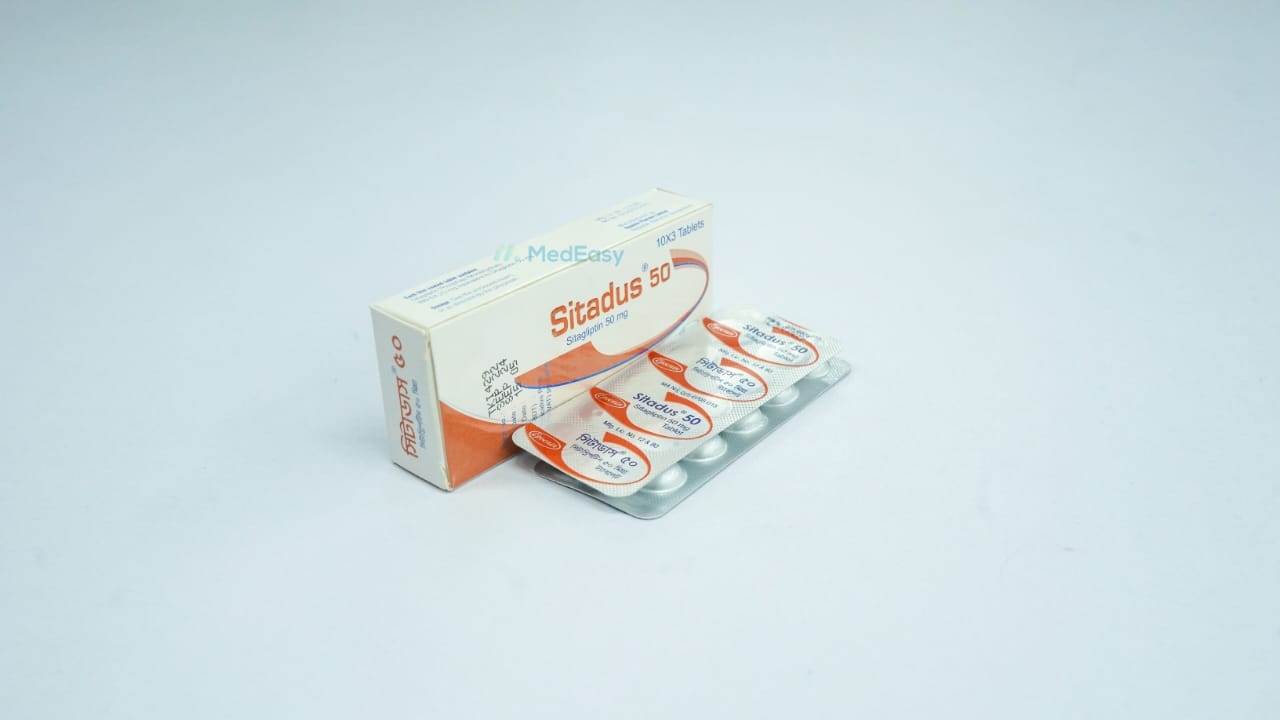
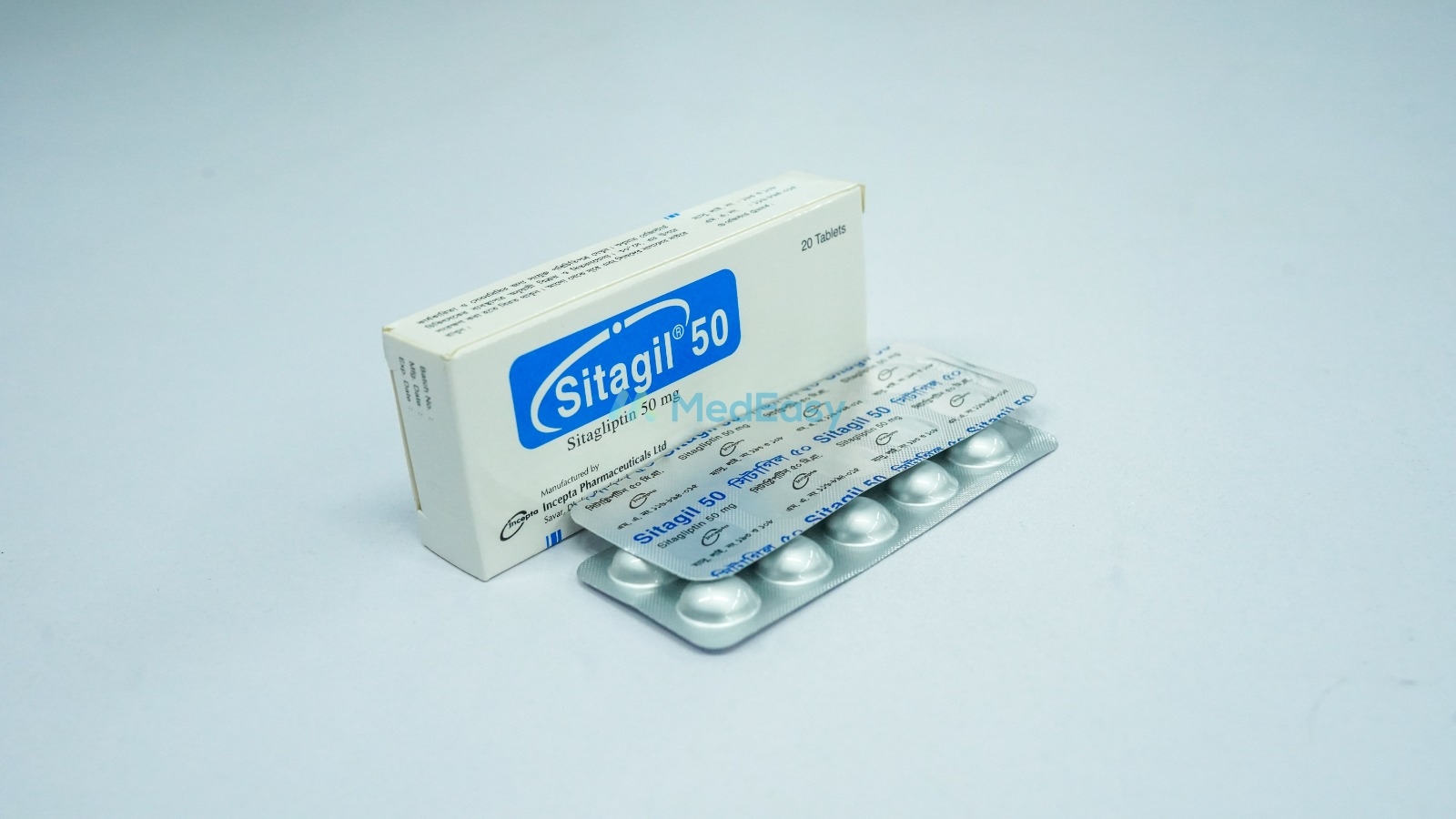
Sitagil50 mg
Incepta Pharmaceuticals Ltd.
৳138.00
Add to cart

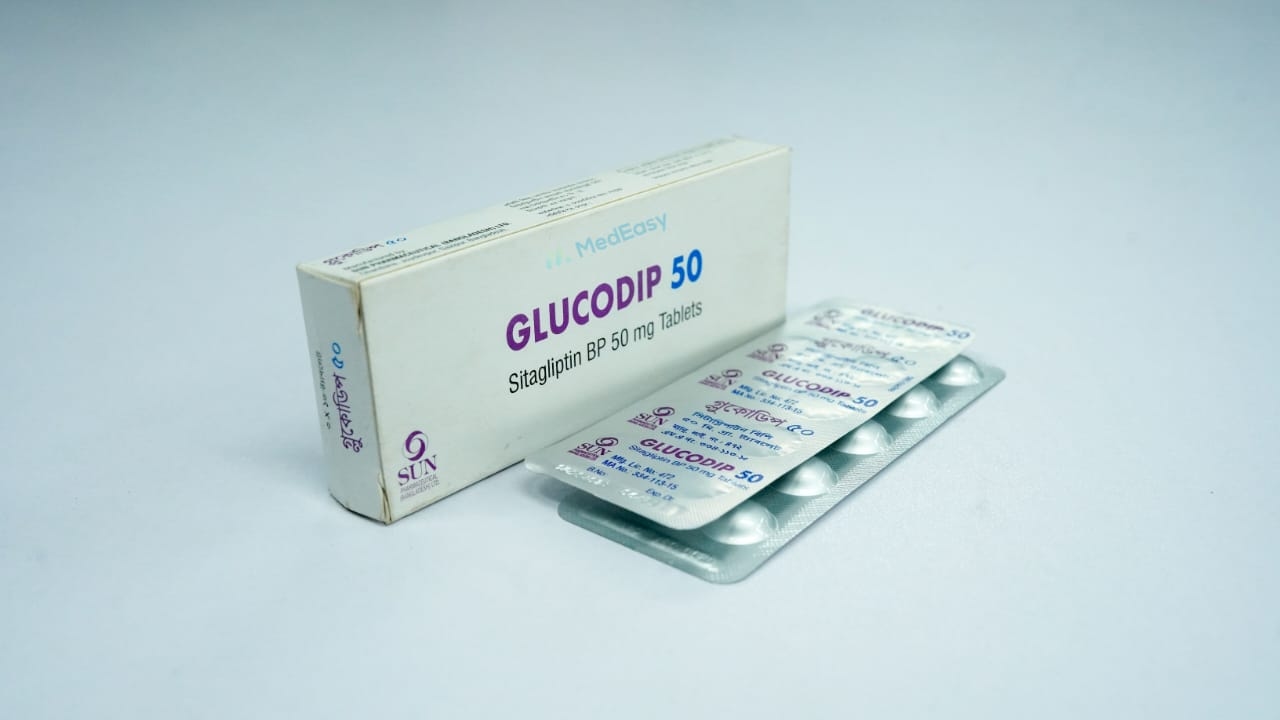
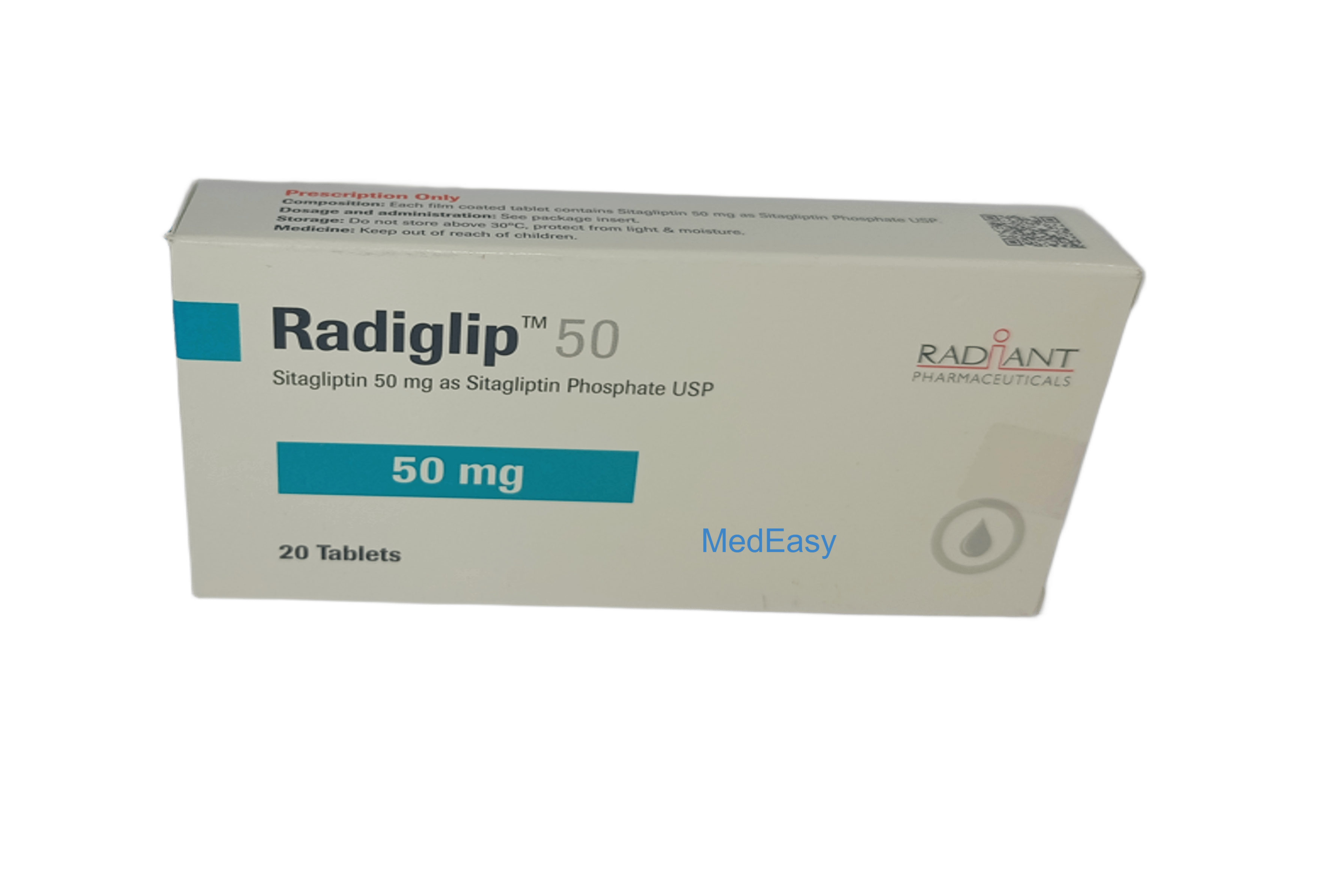
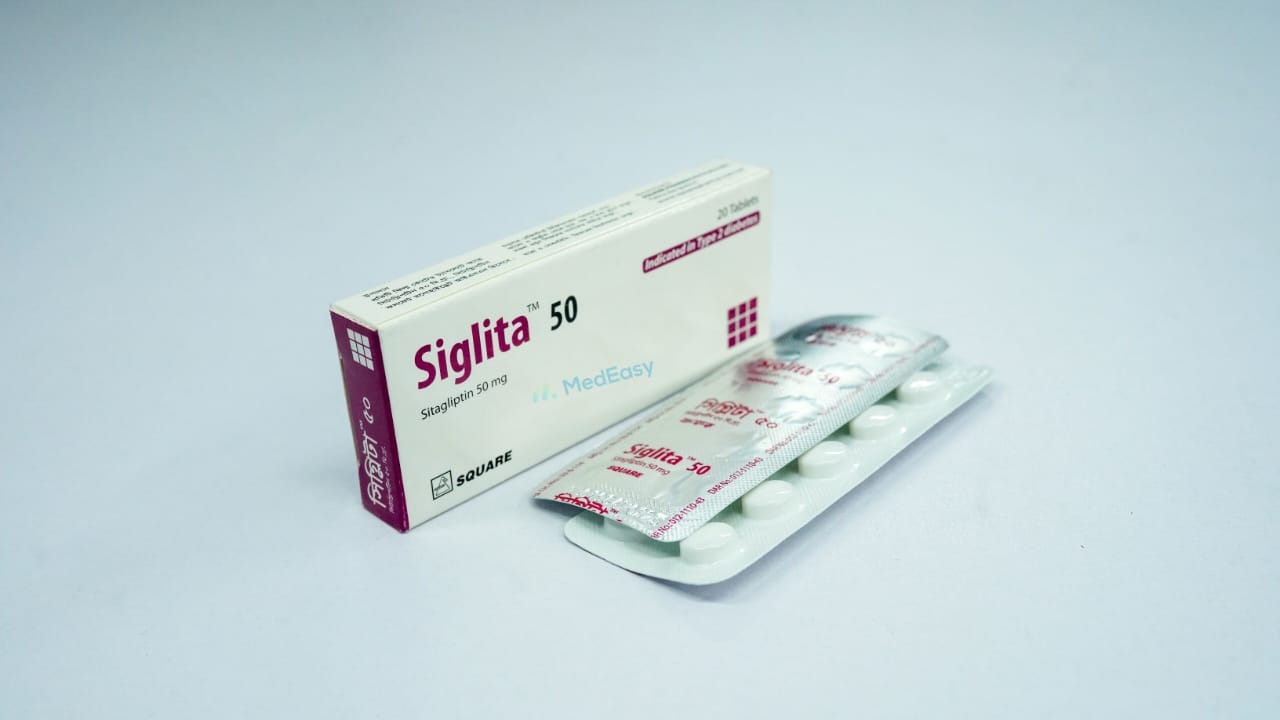
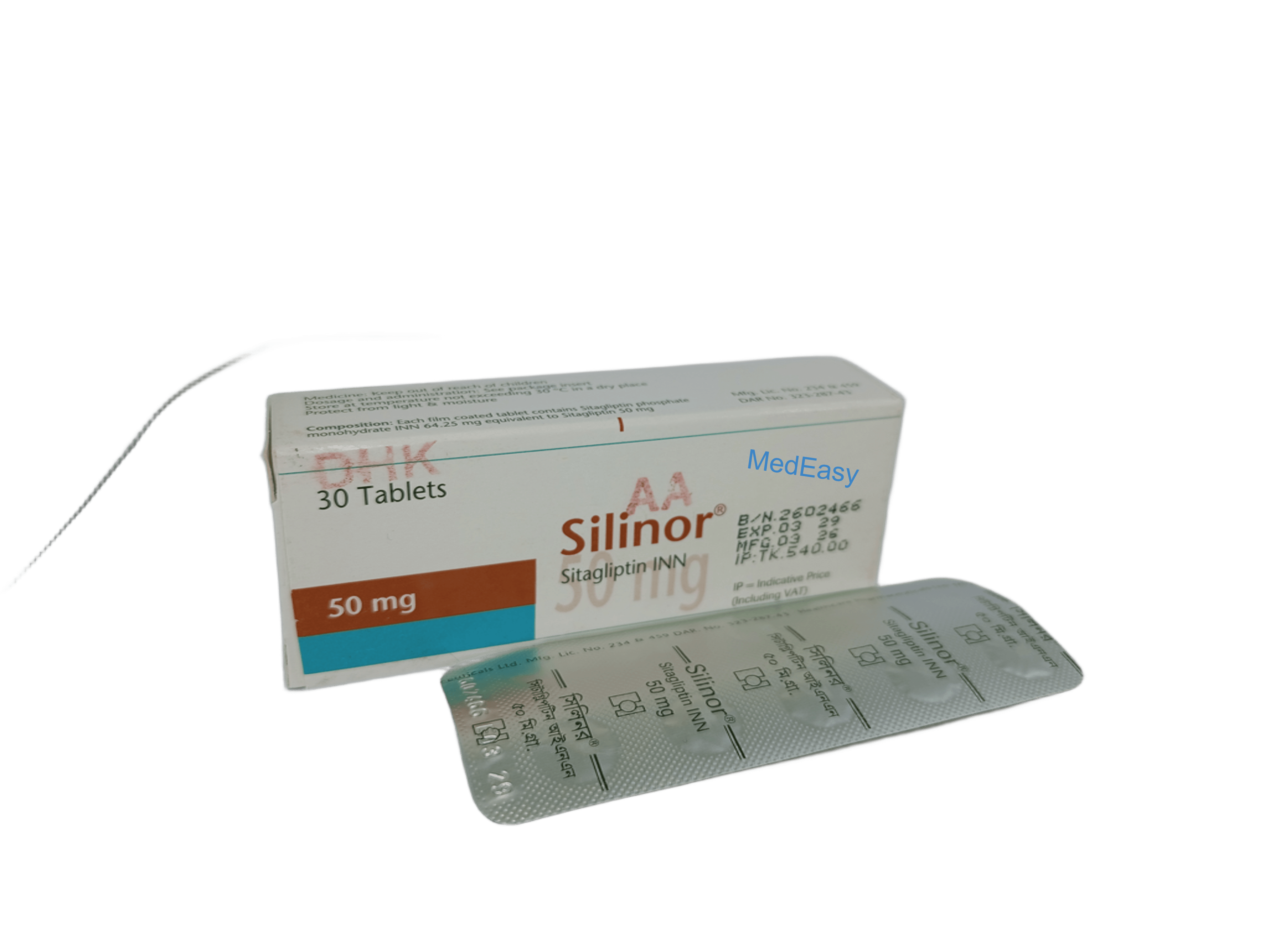
Sucosit 50 mg Tablet is available on MedEasy for ৳14.40 per piece, with home delivery anywhere in Bangladesh. It is manufactured by Globe Pharmaceuticals Ltd. Its generic name is Sitagliptin.

Sucosit is indicated for the following uses:
Sucosit is not indicated for type 1 diabetes mellitus or for the treatment of diabetic ketoacidosis.
Each film-coated tablet contains Sitagliptin (as sitagliptin phosphate monohydrate), commonly available in strengths of 25 mg, 50 mg, and 100 mg. Sitagliptin is also marketed in fixed-dose combination tablets with metformin hydrochloride; this profile describes Sitagliptin as a single-ingredient product.
Sucosit is an oral antihyperglycemic agent belonging to the dipeptidyl peptidase-4 (DPP-4) inhibitor class, used in the management of type 2 diabetes mellitus. Sucosit works by increasing levels of incretin hormones, which help the body release more insulin after meals and reduce the amount of sugar produced by the liver. Sucosit is generally used alongside a proper diet and exercise program, either alone or together with other diabetes medicines.
Oral Antidiabetic Agent — Dipeptidyl Peptidase-4 (DPP-4) Inhibitor (Gliptin)
Sitagliptin is a highly selective inhibitor of the dipeptidyl peptidase-4 (DPP-4) enzyme. By inhibiting DPP-4, Sitagliptin slows the breakdown of the incretin hormones GLP-1 (glucagon-like peptide-1) and GIP (glucose-dependent insulinotropic polypeptide). This raises active incretin levels, which in turn increases glucose-dependent insulin release from pancreatic beta cells and decreases glucagon secretion from alpha cells, lowering hepatic glucose production. Because this action is glucose-dependent, Sitagliptin carries a low intrinsic risk of hypoglycemia when used alone.
Pharmacokinetics: Sitagliptin is rapidly absorbed, with peak plasma concentration reached within 1–4 hours; oral bioavailability is approximately 87% and is unaffected by food. Plasma protein binding is low (~38%). Sitagliptin is primarily eliminated unchanged in the urine via active tubular secretion, with a plasma elimination half-life of approximately 12.4 hours, supporting once-daily dosing.
The dose of Sucosit is individualized based on the indication, current antidiabetic regimen, and renal function. See the dosage and administration sections below for details, and use_in_special_populations for renal dose adjustment.
Sucosit tablets should be swallowed whole with a glass of water, once daily, at approximately the same time each day. Sucosit may be taken with or without food. Tablets should not be crushed or chewed unless directed by a physician. Sucosit should be used together with an appropriate diet and exercise plan as advised by the treating physician.
Sucosit has a low potential for clinically significant drug interactions, as it is not a major substrate, inhibitor, or inducer of most CYP450 enzymes. Notable points:
Patients should inform their physician of all medicines being taken before starting Sucosit.
Sitagliptin is contraindicated in patients with a history of a serious hypersensitivity reaction to Sitagliptin, such as anaphylaxis, angioedema, or severe cutaneous reactions (e.g., Stevens-Johnson syndrome).
Common side effects of Sucosit include:
Less common but serious effects that require prompt medical attention include acute pancreatitis, severe joint pain (arthralgia), skin blistering (bullous pemphigoid), and hypersensitivity reactions. See precautions_and_warnings for details.
Pregnancy: Data on the use of Sucosit in pregnant women are limited. Sucosit should be used during pregnancy only if the potential benefit clearly justifies the potential risk to the fetus, and generally only under close physician supervision; insulin is typically preferred for glycemic control during pregnancy. Uncontrolled diabetes in pregnancy is associated with adverse maternal and fetal outcomes.
Lactation: It is not known whether Sucosit passes into human breast milk. Because many drugs are excreted in breast milk, Sucosit should be used during breastfeeding only after consulting a physician, who will weigh the benefits of treatment against potential risk to the nursing infant.
Pancreatitis: Acute pancreatitis, including fatal and non-fatal hemorrhagic or necrotizing pancreatitis, has been reported with Sucosit. If pancreatitis is suspected — persistent, severe abdominal pain, with or without vomiting — Sucosit should be discontinued promptly and the patient should seek immediate medical attention. Sucosit should be used with caution and only after physician evaluation in patients with a history of pancreatitis.
Hypersensitivity reactions: Rare but serious hypersensitivity reactions, including anaphylaxis, angioedema, and severe skin reactions such as Stevens-Johnson syndrome, have been reported with Sucosit, generally within the first three months of treatment. Discontinue Sucosit immediately and seek urgent medical care if such a reaction occurs.
Bullous pemphigoid: Cases of bullous pemphigoid (a blistering skin condition), sometimes requiring hospitalization, have been reported with DPP-4 inhibitors, including Sucosit. Patients should be advised to report blistering or skin erosions; if bullous pemphigoid is suspected, Sucosit should be discontinued and the patient referred to a dermatologist.
Hypoglycemia with combination therapy: When Sucosit is used with insulin or a sulfonylurea, the risk of hypoglycemia is increased; a dose reduction of the insulin or sulfonylurea may be needed.
Renal function: Renal function should be assessed before starting Sucosit and periodically thereafter, as dose adjustment is required in renal impairment (see dosage).
Severe and disabling arthralgia (joint pain): Joint pain, which can be severe and disabling, has been reported in patients taking Sucosit and other DPP-4 inhibitors. Onset can range from one day to years after starting treatment, and symptoms usually resolve after discontinuing the medicine. A physician should be consulted if severe joint pain develops.
Not for type 1 diabetes or diabetic ketoacidosis: Sucosit should not be used to treat type 1 diabetes mellitus or diabetic ketoacidosis, as it is not effective for these conditions.
Limited experience with overdose of Sucosit is available. In clinical studies, doses up to 800 mg were generally well tolerated. Overdose of Sucosit alone is not expected to cause hypoglycemia, but if taken together with insulin or a sulfonylurea, hypoglycemia may occur and should be treated with usual supportive measures (e.g., oral glucose). In case of suspected overdose, standard supportive treatment should be initiated (removal of unabsorbed drug, clinical monitoring, and vital sign monitoring as needed), and the patient should seek immediate medical attention. Sucosit is modestly dialyzable; hemodialysis may be considered in cases of significant overdose with renal impairment, under medical supervision.
Store at room temperature (below 30°C), away from light and moisture. Keep out of reach of children.
Renal impairment: Dose adjustment of Sucosit is required based on renal function (see dosage section); renal function should be assessed before and periodically during treatment.
Hepatic impairment: No dose adjustment of Sucosit is generally required in patients with mild to moderate hepatic impairment; data in severe hepatic impairment are limited, and Sucosit should be used with caution in such patients.
Elderly patients: No overall dose adjustment of Sucosit is required based on age alone, though elderly patients are more likely to have reduced renal function, so renal-based dosing should be applied as needed.
Pediatric patients: See pediatric_uses.
Pregnant and breastfeeding women: See pregnancy_and_lactation.
Sucosit is generally used as a long-term, ongoing treatment for type 2 diabetes mellitus, continued for as long as the physician determines it is providing effective glycemic control and is well tolerated. Treatment with Sucosit should not be stopped or the dose changed without medical advice, as this may worsen blood sugar control. Periodic follow-up, including monitoring of blood glucose (HbA1c) and renal function, is recommended during long-term use of Sucosit.
Dipeptidyl Peptidase-4 (DPP-4) inhibitors (gliptins); oral antidiabetic/antihyperglycemic agents; incretin-based therapies.
Sitagliptin inhibits the DPP-4 enzyme, preventing rapid breakdown of the incretin hormones GLP-1 and GIP. This increases active incretin levels, which stimulates glucose-dependent insulin release from the pancreas and suppresses glucagon secretion, thereby lowering blood glucose in patients with type 2 diabetes.
B
The safety and effectiveness of Sucosit in pediatric patients under 18 years of age have not been established. Sucosit is therefore generally not recommended for use in children and adolescents, and use in this age group should occur only under specialist medical supervision when no suitable alternative is available.
Q: What is Sucosit 50 mg Tablet used for?
A: Sucosit 50 mg Tablet is used along with diet and exercise to lower blood sugar in adults with type 2 diabetes. It is not used for type 1 diabetes.
Q: How should I take Sucosit 50 mg Tablet?
A: Sucosit 50 mg Tablet is usually taken as one tablet by mouth once daily, with or without food, at the same time each day, exactly as prescribed by your doctor.
Q: Can Sucosit 50 mg Tablet cause low blood sugar (hypoglycemia)?
A: Sucosit 50 mg Tablet alone has a low risk of causing hypoglycemia. However, the risk increases if Sucosit 50 mg Tablet is taken together with insulin or a sulfonylurea medicine, and your doctor may need to lower the dose of those other medicines.
Q: What should I do if I get severe stomach pain while taking Sucosit 50 mg Tablet?
A: Persistent, severe abdominal pain, with or without vomiting, could be a sign of pancreatitis, a rare but serious side effect of Sucosit 50 mg Tablet. Stop taking Sucosit 50 mg Tablet and seek medical attention immediately if this occurs.
Q: Is Sucosit 50 mg Tablet safe for someone with kidney problems?
A: Sucosit 50 mg Tablet can be used in kidney impairment, but the dose usually needs to be reduced based on kidney function. Your doctor will check your kidney function before and during treatment with Sucosit 50 mg Tablet and adjust the dose accordingly.
Q: Can I stop taking Sucosit 50 mg Tablet once my blood sugar is normal?
A: Do not stop Sucosit 50 mg Tablet or change the dose without talking to your doctor first, even if your blood sugar improves, as stopping suddenly may cause your blood sugar to rise again.
Disclaimer
The information provided is accurate to the best of our knowledge, but it does not replace professional medical advice. We cannot guarantee its completeness or accuracy, and the absence of specific information about a drug should not be taken as an endorsement. We are not responsible for any consequences arising from this information, so please consult a healthcare professional for any concerns or questions.