10% Off
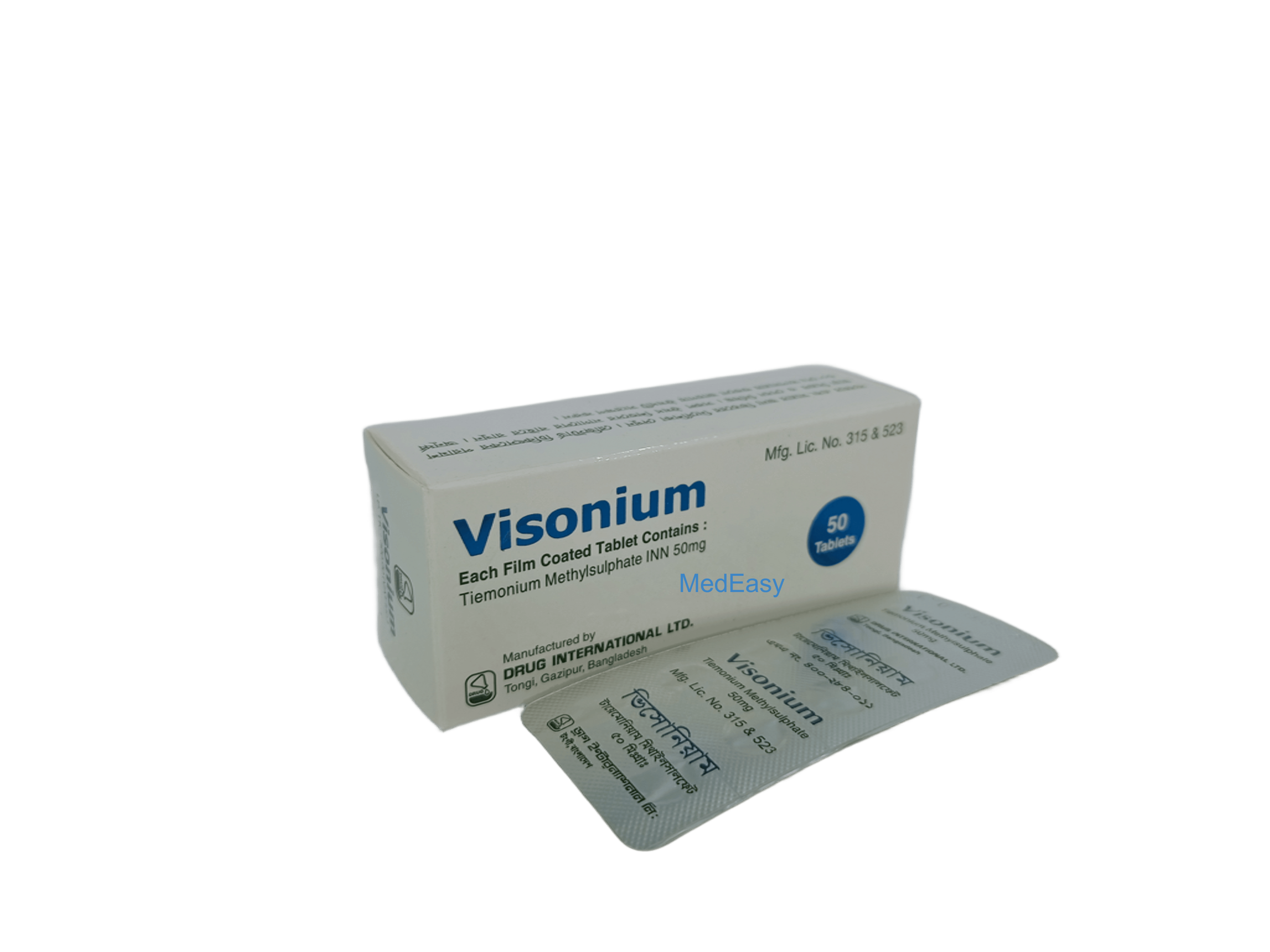
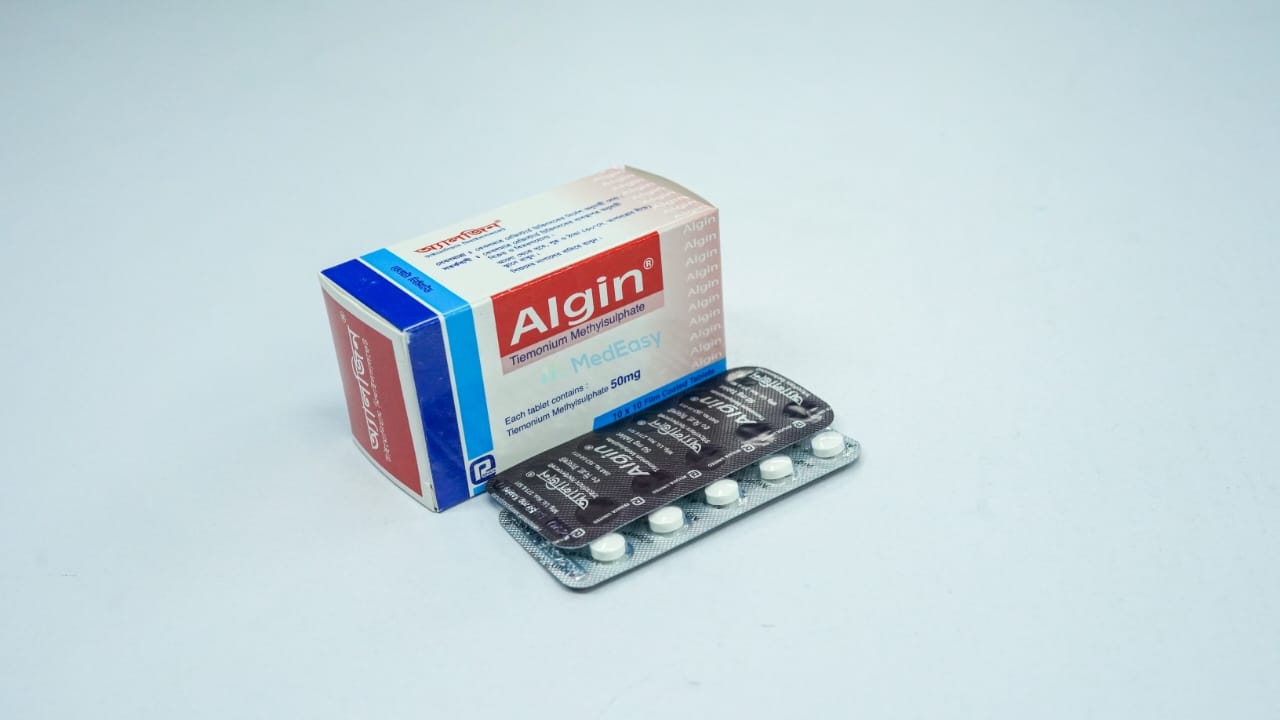
Algin50 mg
Renata Limited
৳76.50
Add to cart

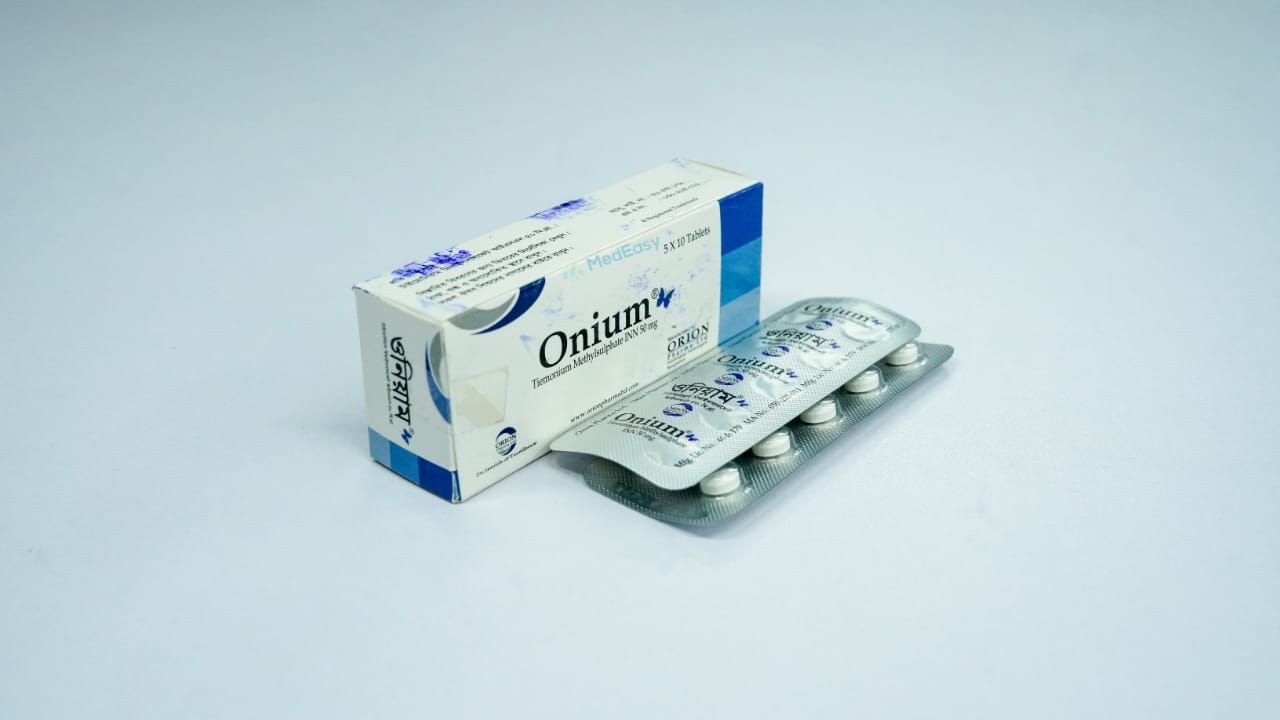
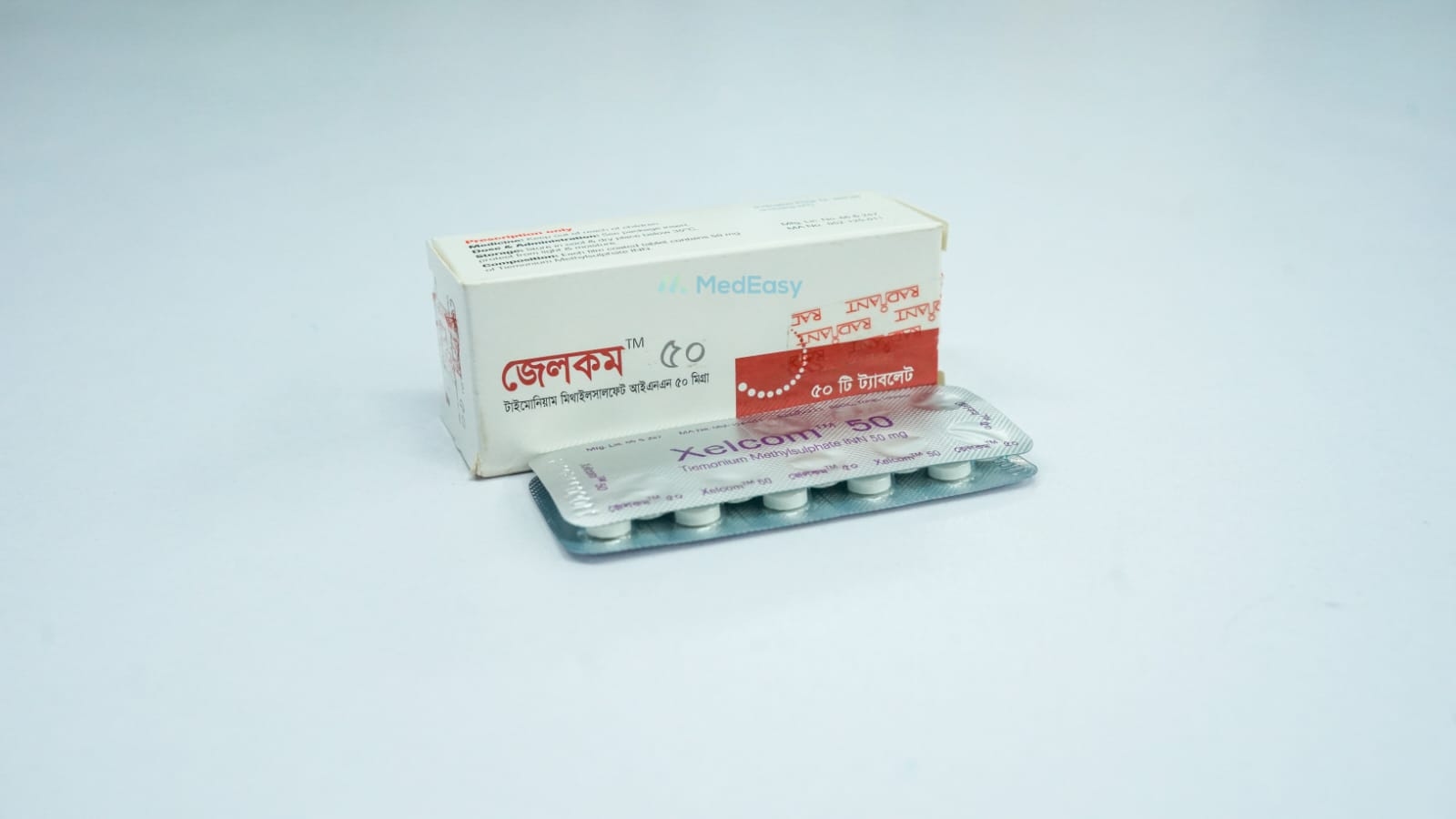
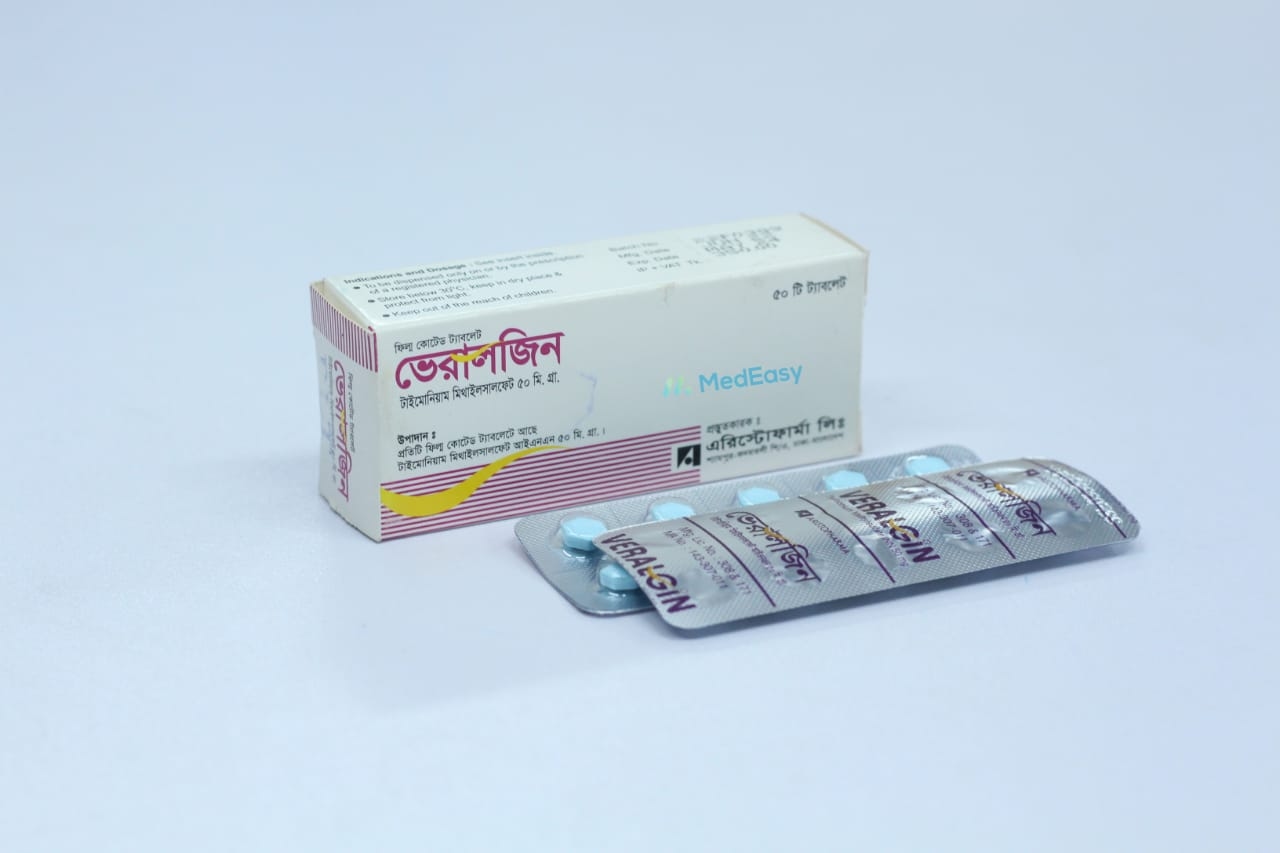
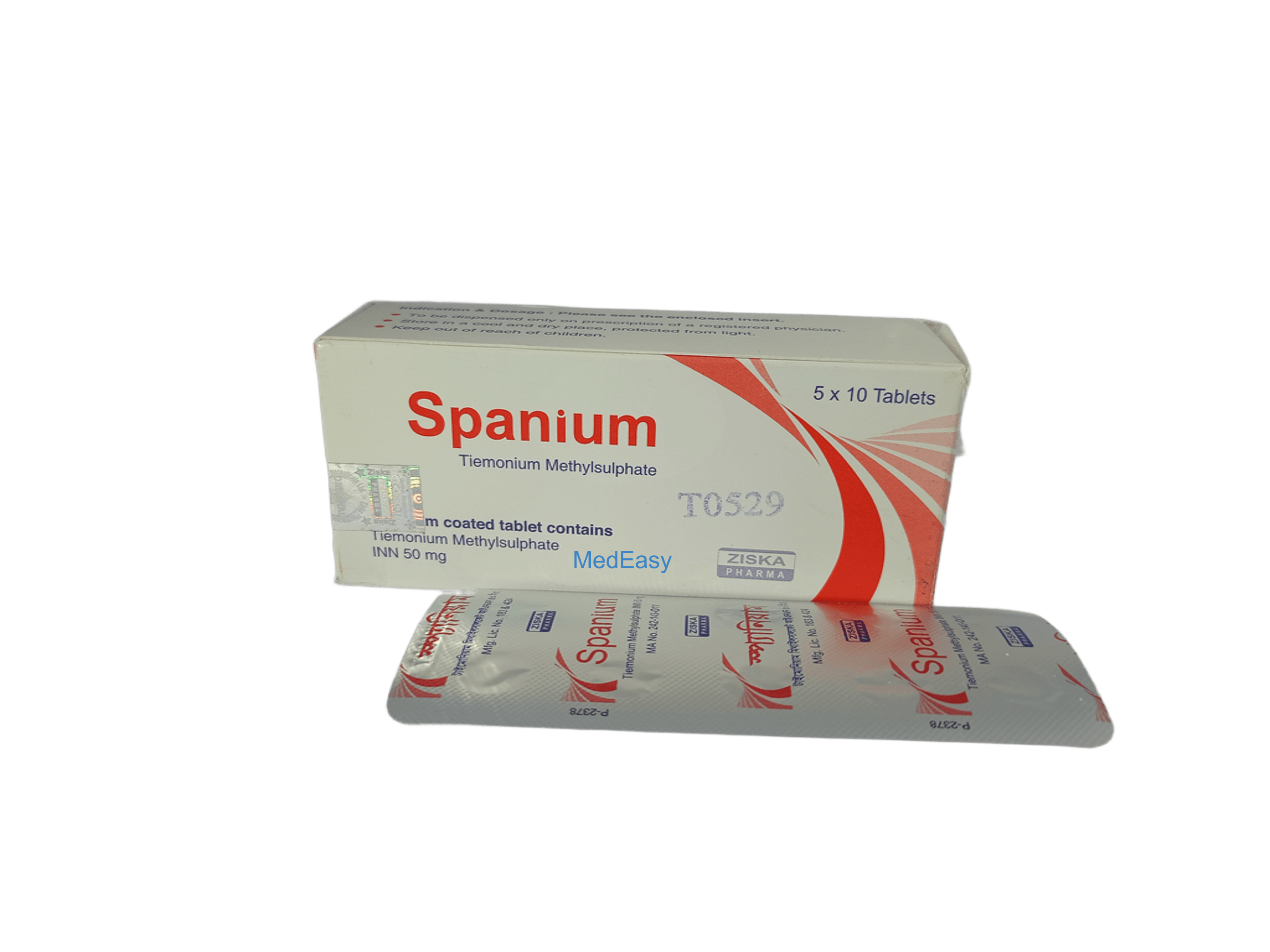
Timonate 50 mg Tablet is available on MedEasy for ৳5.52 per piece, with home delivery anywhere in Bangladesh. It is manufactured by Pacific Pharmaceuticals Ltd. Its generic name is Tiemonium Methylsulphate.

Timonate is an antimuscarinic (anticholinergic) antispasmodic used for the symptomatic relief of pain caused by smooth-muscle spasm of the gastrointestinal, biliary, and genitourinary tracts. Its use is established through decades of clinical marketing experience and local labeling rather than modern placebo-controlled FDA trials, so it is best described as a widely used, guideline-recognized symptomatic agent rather than a disease-modifying treatment.
Timonate treats the symptom of spasm and colicky pain; it is not a substitute for diagnosis and treatment of the underlying cause. Persistent, severe, or worsening abdominal or pelvic pain, fever, vomiting, or rectal bleeding should always be evaluated by a physician.
Tiemonium Methylsulphate is available in Bangladesh in several dosage forms and strengths, including:
Exact composition, inactive ingredients, and available pack sizes may vary by manufacturer; always check the product label of the specific brand dispensed.
Timonate is a quaternary ammonium anticholinergic (antimuscarinic) compound with additional local anaesthetic and antihistaminic properties. It acts primarily on smooth muscle of the gastrointestinal, biliary, and genitourinary tracts, where it reduces excessive contraction and the associated colicky pain, without significantly affecting normal gut motility at therapeutic doses.
Because it is a quaternary ammonium compound, Timonate penetrates the blood-brain barrier poorly, so central anticholinergic effects (such as marked sedation or confusion) are less prominent than with tertiary amine antispasmodics, although they can still occur, particularly in elderly patients.
Timonate belongs to the antispasmodic drug group, specifically the anticholinergic (antimuscarinic) smooth-muscle relaxant class used for gastrointestinal and genitourinary spasm.
Tiemonium Methylsulphate acts as a competitive antagonist at muscarinic acetylcholine receptors on visceral smooth muscle. By blocking the action of acetylcholine, it reduces excessive smooth-muscle tone and relieves spasm-related pain in the gastrointestinal, biliary, and urinary tracts. It also has weak antihistaminic activity and is reported to stabilise calcium binding at the cell membrane, contributing to its muscle-relaxant effect.
Being a quaternary ammonium salt, systemic and central nervous system penetration is limited compared with tertiary amine antimuscarinics, so peripheral (gut, bladder, uterus) effects predominate over central effects at usual doses.
| Formulation | Usual Adult Dose |
|---|---|
| Tablet (50 mg) | 1 tablet, 2–3 times daily (2–6 tablet-doses/day in divided doses) |
| Syrup (10 mg/5 ml) | 15–45 ml/day (3–9 teaspoonfuls) in 3 divided doses, i.e. 30–90 mg/day |
| Injection (5 mg/2 ml) | 1 ampoule, 1–3 times daily by slow IV or IM injection |
| Formulation | Usual Pediatric Dose |
|---|---|
| Syrup | 1.5–3 ml/kg body weight/day (approximately 3–6 mg/kg/day) in 3 divided doses, or as directed by the physician |
Doses should always be individualised by the prescribing physician based on age, weight, severity of symptoms, and response to treatment. Timonate tablets and syrup are usually taken before meals; the injection is given slowly by a healthcare professional.
Do not increase the dose or frequency of Timonate on your own; take it exactly as directed by your physician.
Timonate should not be combined with other medicines without medical advice, as clinically relevant interactions can occur:
Always tell your physician or pharmacist about all other medicines, herbal products, or supplements being taken before starting Timonate.
Tiemonium Methylsulphate is contraindicated in patients with:
Side effects with Timonate are generally uncommon at recommended doses and are largely related to its anticholinergic activity. They include:
Seek medical attention if you notice severe or persistent side effects, an allergic reaction (rash, swelling, difficulty breathing), or eye pain with visual disturbance (possible sign of angle-closure glaucoma — see Contraindications).
Pregnancy: Human data on Timonate in pregnancy are limited. Animal reproduction studies have not shown teratogenic effects, but this does not guarantee safety in humans. Timonate should be used during pregnancy only if clearly needed and if the potential benefit justifies the potential risk to the fetus; consult a physician before use.
Lactation: It is not well established whether Timonate passes into human breast milk. As a precaution, caution is advised when Timonate is used by breastfeeding mothers, and it should be used only under medical supervision.
Use Timonate with caution in the following situations:
Timonate may cause blurred vision or drowsiness; patients should not drive or operate machinery until they know how it affects them.
Timonate relieves the symptom of spasm and pain; it is not a substitute for medical evaluation of persistent, severe, or worsening abdominal or pelvic pain, fever, or bleeding.
Specific data on overdose with Timonate are limited. Overdose would be expected to cause an exaggeration of its anticholinergic effects, such as marked dry mouth, blurred vision, urinary retention, tachycardia, flushing, agitation, or drowsiness.
If overdose is suspected, seek immediate medical attention or contact a poison control center/emergency services right away. Do not attempt unsupervised home treatment; management should be supportive and provided by a healthcare facility.
Store at room temperature (below 30°C), protected from light and moisture. Keep out of reach of children.
Elderly patients are more sensitive to the anticholinergic effects of Timonate, including confusion, drowsiness, blurred vision, and urinary retention. Use the lowest effective dose with caution and monitor closely.
Timonate may be used in children at weight-based doses (see Dosage and Administration) for the same indications, generally as syrup. Use in very young infants should be guided by a pediatrician.
Well-established formal dose-adjustment guidelines for renal or hepatic impairment are not established; use Timonate with caution and physician supervision in these patients, as elimination may be reduced.
Timonate is generally used for short-term, symptomatic relief of spasm-related pain, typically for a few days until the acute episode of spasm/colic resolves or the underlying condition is treated. It should not be used long-term to mask persistent or recurring abdominal, biliary, or urinary symptoms without medical evaluation of the underlying cause. Follow the duration advised by the prescribing physician.
Tiemonium Methylsulphate is classified within the anticholinergic antispasmodic group of drugs used for smooth-muscle spasm.
Tiemonium Methylsulphate works by competitively blocking muscarinic acetylcholine receptors on gastrointestinal, biliary, and genitourinary smooth muscle. This antagonism reduces excessive smooth-muscle contraction (spasm), thereby relieving the associated colicky pain. It also exhibits mild antihistaminic activity and is reported to reduce muscle excitability by influencing calcium binding at the cell membrane. As a quaternary ammonium compound, its penetration into the central nervous system is limited, favoring peripheral over central anticholinergic effects.
Timonate may be used in children for the same indications as adults (spasm-related gastrointestinal, biliary, and urinary tract pain), generally using the syrup formulation at a weight-based dose of approximately 3–6 mg/kg body weight/day (1.5–3 ml/kg/day) in 3 divided doses, or as directed by the physician. Formal safety and efficacy data in neonates and very young infants are limited, so use in this age group should be guided by a pediatrician, with attention to the same precautions and contraindications that apply in adults.
Q: What is Timonate 50 mg Tablet used for?
A: Timonate 50 mg Tablet is used to relieve painful spasms (cramping) of the stomach and intestines, the biliary tract, and the urinary tract, as well as painful menstrual cramps (spasmodic dysmenorrhoea). It works by relaxing smooth muscle that has gone into spasm.
Q: How should I take Timonate 50 mg Tablet?
A: Take Timonate 50 mg Tablet exactly as prescribed by your physician. Tablets are usually swallowed whole with water, generally before meals; syrup should be measured with the provided measuring device. The injection form is given only by a healthcare professional, slowly into a vein or muscle. Do not change your dose without medical advice.
Q: Can Timonate 50 mg Tablet be used during pregnancy or breastfeeding?
A: Timonate 50 mg Tablet should be used during pregnancy only if clearly needed, since human safety data are limited; a physician should weigh the potential benefit against any potential risk to the fetus before it is prescribed. Similarly, caution is advised during breastfeeding, and Timonate 50 mg Tablet should only be used by nursing mothers under medical supervision.
Q: Who should not take Timonate 50 mg Tablet?
A: Timonate 50 mg Tablet should not be used by people with known hypersensitivity to it, narrow-angle glaucoma, urinary retention due to bladder outlet or prostate obstruction, severe ulcerative colitis with risk of toxic megacolon, or myasthenia gravis. Tell your physician about your full medical history before starting Timonate 50 mg Tablet.
Q: What side effects can Timonate 50 mg Tablet cause?
A: Timonate 50 mg Tablet can cause dry mouth, blurred vision, constipation, difficulty starting urination, and drowsiness because of its anticholinergic action. Less commonly it may cause low blood pressure or a fast heartbeat. Contact your physician if side effects are severe or persistent, or if you notice eye pain with vision changes.
Q: What should I do if I miss a dose or take too much Timonate 50 mg Tablet?
A: If you miss a dose of Timonate 50 mg Tablet, take it as soon as you remember unless it is almost time for the next dose — do not double the dose. If you or someone else has taken too much Timonate 50 mg Tablet and shows signs such as severe dry mouth, blurred vision, a fast heartbeat, agitation, or confusion, seek immediate medical attention or contact emergency/poison control services right away.
Disclaimer
The information provided is accurate to the best of our knowledge, but it does not replace professional medical advice. We cannot guarantee its completeness or accuracy, and the absence of specific information about a drug should not be taken as an endorsement. We are not responsible for any consequences arising from this information, so please consult a healthcare professional for any concerns or questions.