Quick answer: Acne happens when hair follicles block with oil and dead skin cells, bacteria multiply and the follicle becomes inflamed. Hormones and genes matter; dirt does not cause it. A gentle cleanser twice a day, an oil-free moisturiser, morning sunscreen and one proven active such as benzoyl peroxide, salicylic acid or azelaic acid usually help, though results take 6 to 8 weeks.
What causes acne?
Four things work together: the skin makes too much oil (sebum), dead skin cells clog the pore, a normal skin bacterium called Cutibacterium acnes grows in the blocked follicle, and the body responds with inflammation, which makes the spot red and sore.
- Hormones: puberty, the days before a period and conditions such as polycystic ovary syndrome (PCOS) raise oil production.
- Genetics: if your parents had acne, you are more likely to have it.
- Diet: some people notice flares with high-sugar, high-glycaemic foods or large amounts of milk, but the evidence is modest, so there is no need for extreme diets.
Acne is not caused by dirt, and washing more often or scrubbing hard makes it worse by irritating the skin.
What types of acne spots are there?
- Blackheads: open clogged pores that look dark on the surface.
- Whiteheads: closed clogged pores, small and flesh-coloured or white.
- Papules: small red, tender bumps.
- Pustules: red bumps with a white or yellow tip of pus.
- Nodules and cysts: large, deep, painful lumps that can leave scars.
What is a simple daily acne routine?
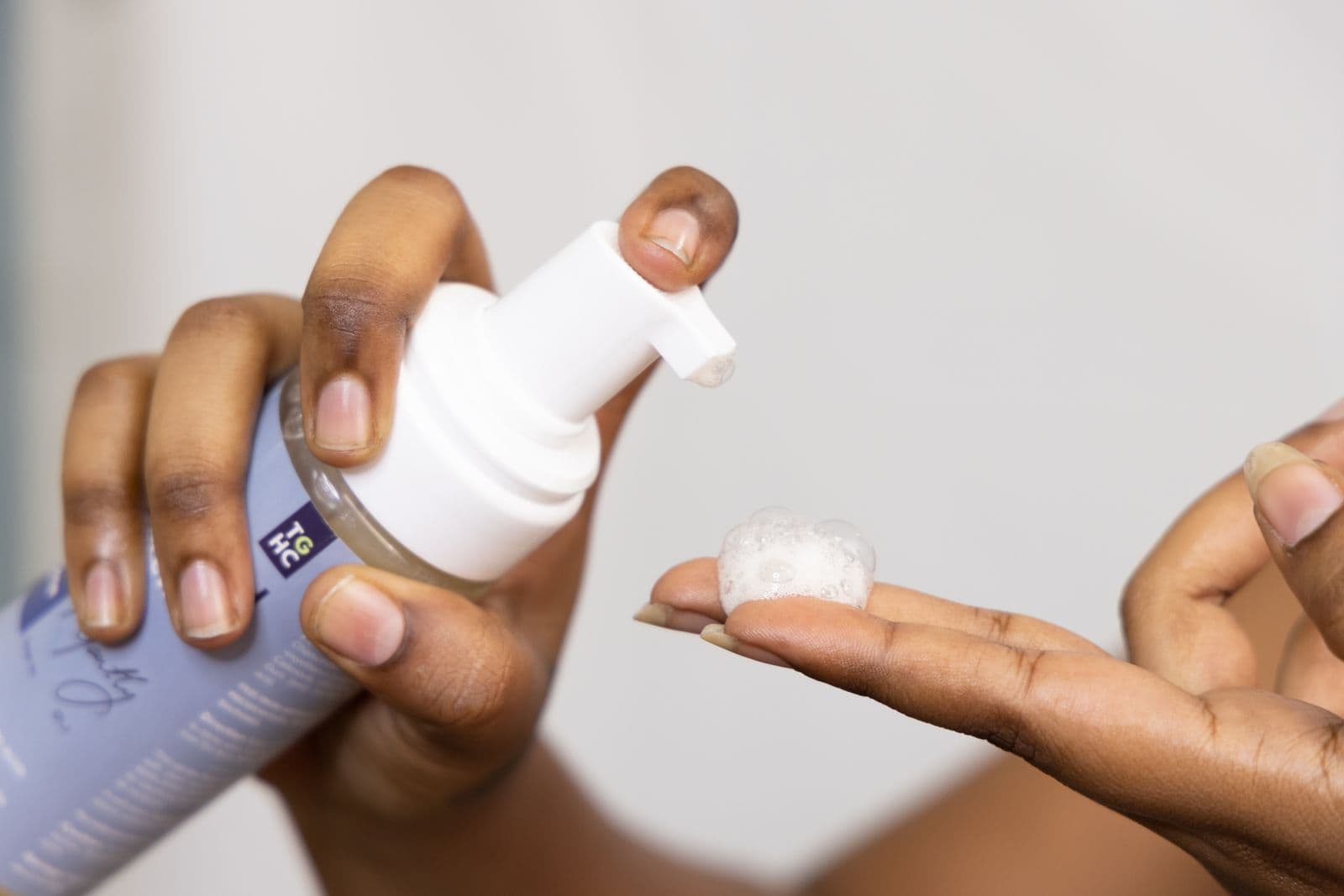
- Morning: wash with a gentle, fragrance-free cleanser, apply an oil-free, non-comedogenic moisturiser, then sunscreen. Sun exposure darkens acne marks, so sunscreen matters. Choose a broad-spectrum SPF 30 or higher product.
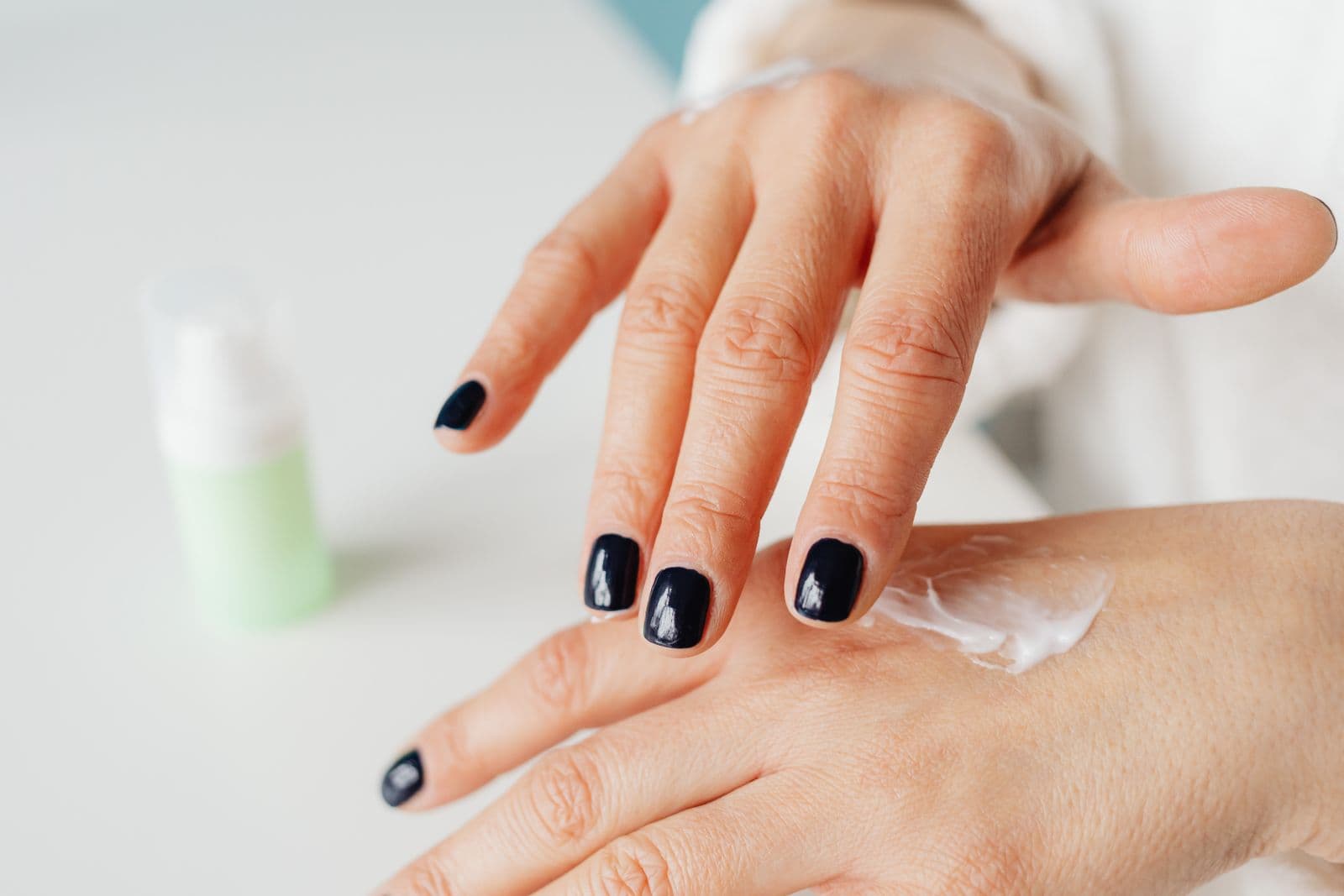
- Night: cleanse gently, apply your acne active, then moisturise.
Use clean fingers, wash pillowcases and towels regularly, and choose products labelled "non-comedogenic" or "oil-free" from the skin care range. Look for the active ingredient on the label rather than the brand name.
Acne treatments such as adapalene and benzoyl peroxide make skin more sensitive to the sun, so a daily non-comedogenic sunscreen matters; see how to choose and use sunscreen in Bangladesh.
Which over-the-counter ingredients help acne?
- Benzoyl peroxide 2.5-5%: kills acne bacteria and reduces inflammation. It bleaches fabric, so use white towels and pillowcases.
- Salicylic acid: helps unblock pores, useful for blackheads and whiteheads.
- Azelaic acid: reduces inflammation and helps fade dark marks, and is often well tolerated.
- Adapalene (a retinoid): unblocks pores and prevents new spots. Ask a pharmacist or dermatologist before using it.
Start with one product at a time, applied every other night at first, to limit dryness and stinging. Some dryness and peeling is expected. Give each treatment 6 to 8 weeks before judging it.
What should you avoid doing?
- Do not pick or squeeze spots. It pushes inflammation deeper and causes scars and dark marks. Post-inflammatory hyperpigmentation, the dark patch left after a spot heals, is especially common in brown skin.
- Do not use toothpaste, lemon juice or harsh homemade scrubs. They burn and irritate the skin.
- Do not scrub with rough cloths or wash many times a day.
Important warning for Bangladesh and South Asia: do not apply fairness or whitening creams, or unlabelled creams from a shop or a friend, on acne. Many contain a strong steroid or mercury. They can clear the skin briefly, but then cause steroid acne, thin skin and permanent damage.
Do acne marks go away?
Flat red or brown marks left after a spot heals are not true scars, and they fade slowly over several months. Daily sunscreen speeds this up, and azelaic acid may help if a pharmacist or doctor agrees. Pitted or raised scars are different and need a dermatologist, which is why deep, painful acne should be treated early rather than waited out.
Be patient in the first weeks: new spots can still appear while the pores clear. Poor sleep and stress can make flares worse for some people, and make-up should be non-comedogenic and removed before bed.
When should you see a doctor about acne?
See a doctor or dermatologist if you have:
- deep nodules or cysts, or any scarring;
- no improvement after 6 to 8 weeks of proper over-the-counter care;
- acne that strongly affects your mood, confidence or sleep;
- new adult acne together with irregular periods or excess facial or body hair, which may point to PCOS;
- pregnancy, or plans to become pregnant, while using any acne treatment.
You can consult a doctor online and show your skin by video or photo.
What can a doctor prescribe?
- Topical antibiotics, always combined with benzoyl peroxide to prevent resistance.
- Oral antibiotics for a limited period in moderate to severe acne.
- Hormonal treatment for some women.
- Isotretinoin, only under dermatologist supervision. It can cause severe birth defects, so pregnancy must be avoided, and it needs monitoring for dryness and mood changes.
In pregnancy, retinoids and tetracycline-class antibiotics should be avoided, so tell your doctor if you may be pregnant.
References
- Acne - NHS
- Acne Resource Center - American Academy of Dermatology
- How to treat different types of acne - American Academy of Dermatology
- Acne: Diagnosis, Treatment, and Steps to Take - NIAMS, National Institutes of Health
This article is for general awareness only and is not a substitute for advice from a qualified doctor. Please consult a doctor about your own condition.