Quick answer: Dandruff is flaking and itch caused by a yeast (Malassezia) on the scalp; it is treated with a medicated shampoo containing ketoconazole 2%, zinc pyrithione, selenium sulfide or coal tar. Shedding 50 to 100 hairs a day is normal. Heavy hair fall often follows fever, illness, childbirth, stress or iron deficiency, and usually recovers in 6 to 9 months.
What causes dandruff?
Dandruff is a mild form of seborrhoeic dermatitis. A yeast called Malassezia lives on every scalp; in some people, together with scalp oil, it irritates the skin and causes flaking and itch. It is not infectious and not caused by "dirty" hair alone. It tends to get worse with stress and in cold, dry or very humid weather.
How is it different from a dry scalp? A dry scalp gives small, dry, white flakes and usually comes with dry skin elsewhere on the body. Dandruff gives larger, oily, yellowish flakes.
Round, scaly, itchy patches with broken hairs are more likely scalp ringworm than dandruff and need a doctor; see ringworm and fungal skin infections.
How do you treat dandruff?
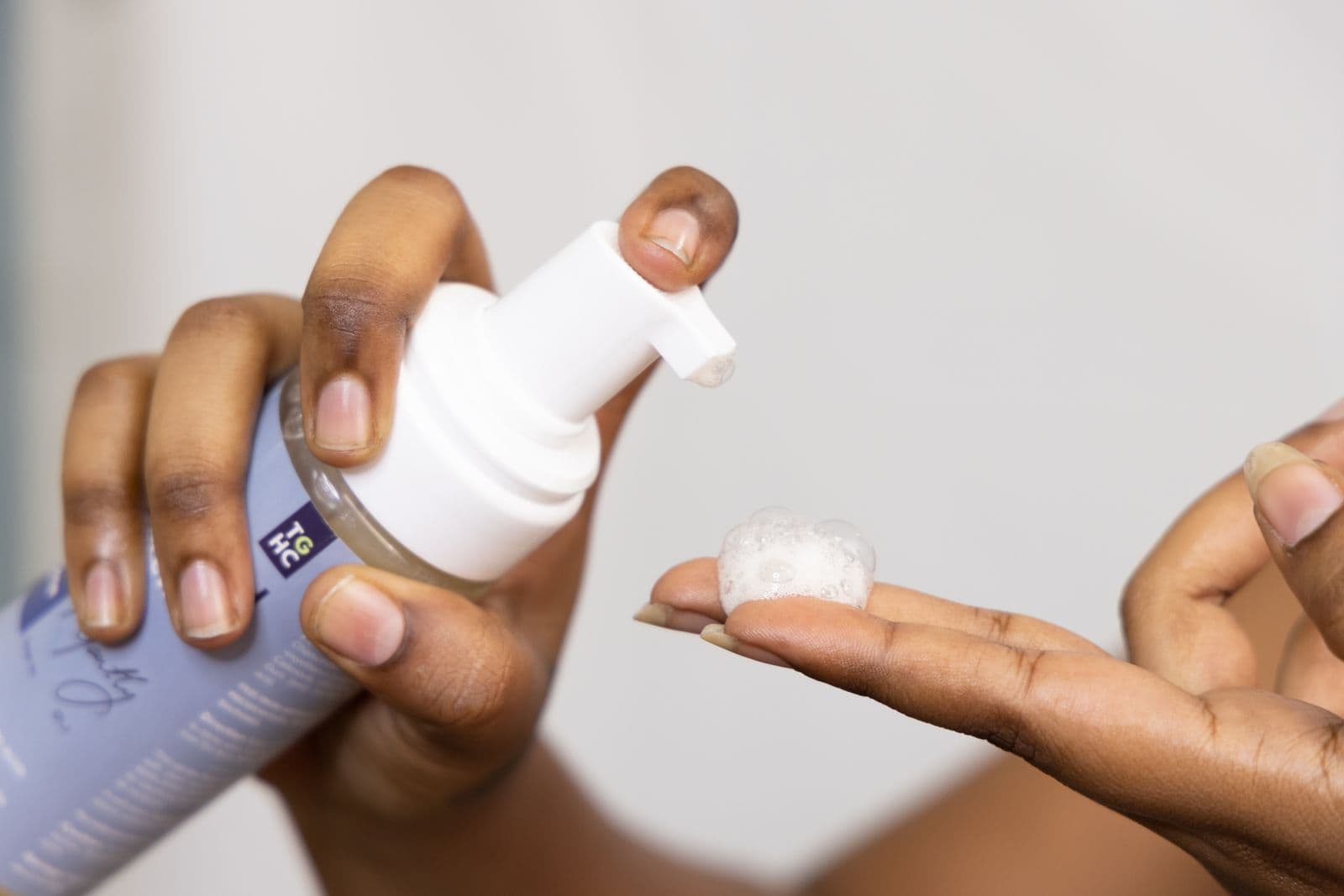
- Use a medicated shampoo with ketoconazole 2%, zinc pyrithione, selenium sulfide or coal tar. Check the active ingredient on the label.
- At first use it 2 to 3 times a week. Massage in and leave it on the scalp for 3 to 5 minutes before rinsing.
- Continue until the scalp is clear, then use it once a week to prevent relapse.
- If it stops working, rotate to a shampoo with a different active ingredient.
- Try not to scratch, as this injures the skin and can cause infection.
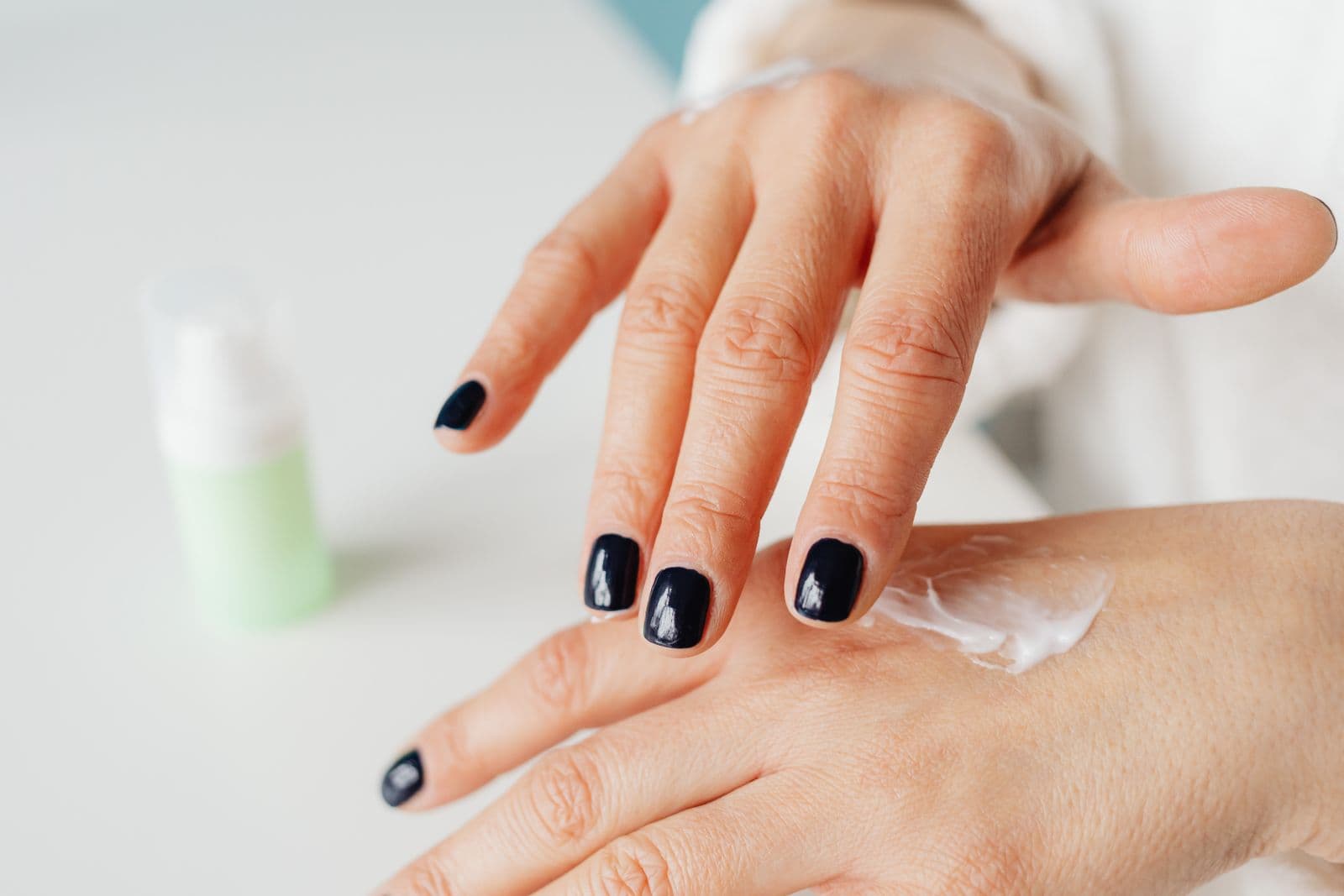
Medicated shampoos and other scalp products are available in the skin care section.
What is normal hair fall, and what causes heavy shedding?
Losing 50 to 100 hairs a day is normal. A common cause of heavy shedding is telogen effluvium: diffuse thinning 2 to 3 months after a trigger such as high fever (for example dengue or COVID), childbirth, major illness, surgery, crash dieting or severe stress. It usually recovers within 6 to 9 months once the trigger passes.
Other causes include:
- iron deficiency and other nutritional gaps;
- thyroid disease;
- PCOS and other hormonal changes;
- pattern hair loss, which is genetic;
- alopecia areata, which causes round bald patches;
- tight hairstyles, harsh chemical treatments or heat;
- scalp infections.
A doctor may order a blood count (CBC), ferritin, thyroid test (TSH) and, if indicated, vitamin D or B12, depending on your history.
Which hair loss treatments actually work?
- Minoxidil (2% or 5% solution or foam) has evidence for pattern hair loss.
- Oral finasteride is for men only and needs a prescription.
Both take 3 to 6 months to show results and must be continued, as the hair is lost again after stopping. Do not buy random hair-growth oils, serums or pills; most have no proof.
Biotin helps only if you are truly deficient, which is rare. High-dose biotin can interfere with blood tests (including thyroid tests and troponin), so tell the lab if you take it.
How can you care for your scalp and hair gently?
- Shampoo as often as you need to. Regular washing does not cause hair fall.
- Avoid tight braids and ponytails.
- Limit heat styling, bleaching and straightening treatments.
- Eat enough protein and iron-rich foods such as lentils, eggs, fish, meat and green leafy vegetables.
- Protect your scalp from strong sun, too; see our sunscreen guide.
Do home remedies work?
Popular remedies such as onion juice, amla, coconut or other oil massage and rosemary oil have limited or weak evidence. Oil left on the scalp may even worsen flaking in some people with dandruff, because the yeast thrives on scalp oil. If you wish to try a remedy, patch test first, stop if the scalp burns, and do not delay a proven treatment.
After dengue or another high fever, heavy hair fall is common and temporary, and it does not mean the illness has returned. Reassurance and patience help, and a balanced diet supports regrowth.
Anti-dandruff shampoos containing ketoconazole are listed on MedEasy. Follow the contact time and frequency on the label.
When should you see a doctor?
For dandruff, see a doctor if you have red, thick, scaly plaques (possible psoriasis), weeping or crusted patches, or no improvement after 4 weeks of proper treatment. In a child, patchy hair loss with scaling may be scalp ringworm, which needs oral antifungal medicine, not shampoo.
For hair loss, see a doctor promptly if you have:
- sudden or patchy hair loss;
- a painful, scarring or pus-filled scalp;
- loss of eyebrows;
- hair loss in a young person with other symptoms such as tiredness, weight change, irregular periods or excess facial hair.
You can consult a doctor online and ask which tests you need. Related skin problems, such as acne, can also be reviewed at the same visit.
References
- Dandruff - NHS
- Hair loss - NHS
- How to treat dandruff - American Academy of Dermatology
- Telogen effluvium - DermNet
This article is for general awareness only and is not a substitute for advice from a qualified doctor. Please consult a doctor about your own condition.