
Quick answer: Ringworm (tinea, "dad" in Bangla) is a fungal skin infection, not a worm. It causes a red, scaly, itchy ring-shaped patch. Treat it with an antifungal cream such as terbinafine 1% or clotrimazole, continued for 1 to 2 weeks after the skin looks normal. Never use steroid or "triple combination" creams, because they make the infection spread and recur.
What is ringworm and how does it look?
Ringworm is caused by fungi that live on the top layer of skin, hair and nails. The classic patch is red, scaly and itchy, with a raised edge and a clearer centre, which gives the ring look. It is named by site:
- Body (tinea corporis);
- Groin (tinea cruris);
- Feet (tinea pedis, athlete's foot), often between the toes;
- Scalp (tinea capitis), mostly in children;
- Nails (thick, yellow or crumbly nails).
How does ringworm spread?
Ringworm is contagious. It spreads by skin contact, shared towels, clothes, combs and bedsheets, damp floors, and from pets and farm animals. Hot, humid weather and sweating, which describe much of the year in Bangladesh, make it very common.
How is ringworm treated?
- Apply an antifungal cream: terbinafine 1% (usually 1 to 2 weeks) or clotrimazole or miconazole (usually 2 to 4 weeks).
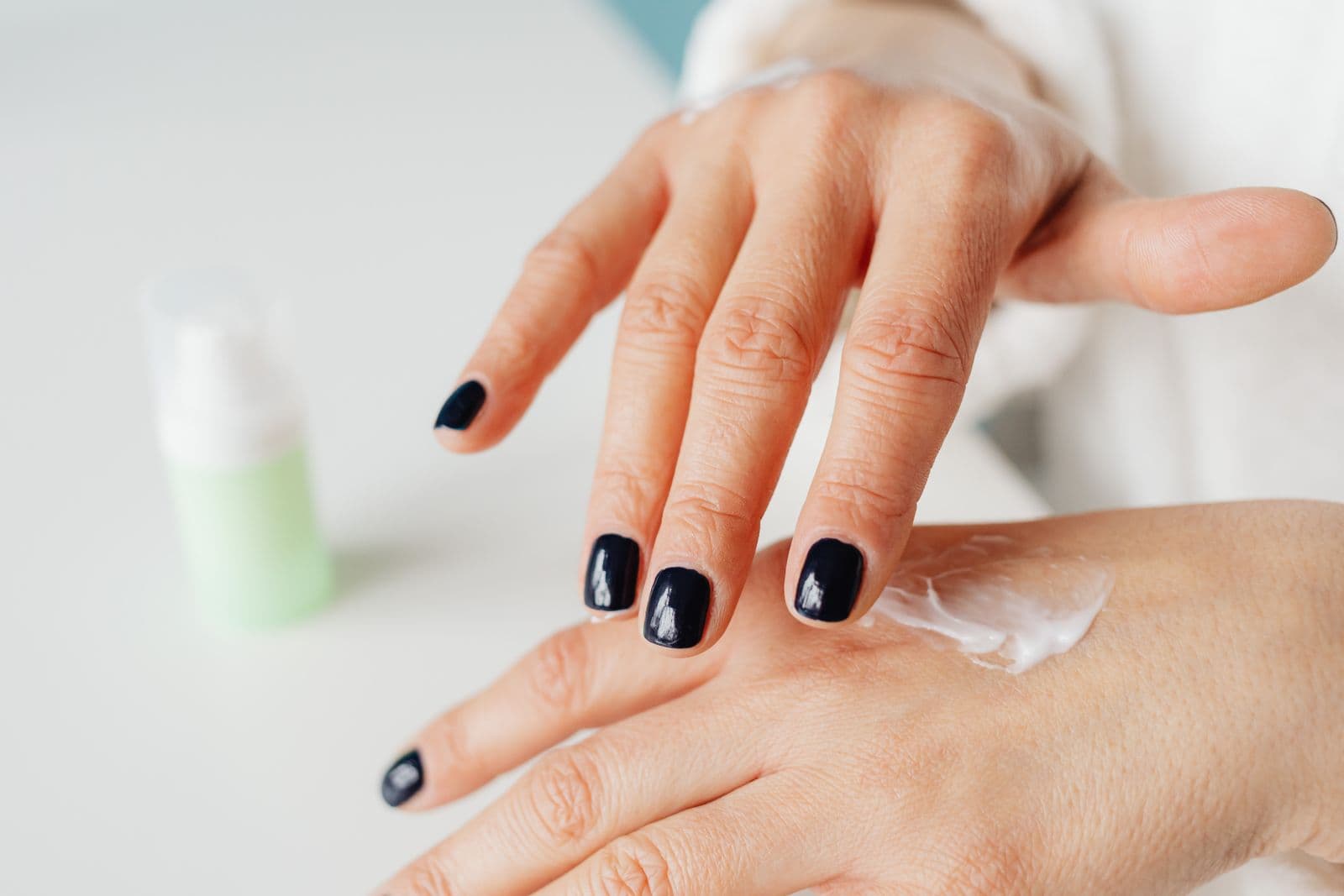
- Spread it on the rash and about 2 cm of normal-looking skin around it, once or twice a day as the label says.
- Keep applying for 1 to 2 weeks after the skin looks normal. Stopping early is the commonest reason for relapse.
- Keep the area dry and wear loose cotton clothes.
- Wash clothes, towels and bedsheets in hot water and dry them in sunlight. Do not share them.
- If you have groin ringworm, treat the feet at the same time if they are affected, because fungus moves between them.
- Take pets with patchy fur to a vet.
Antifungal creams can be found in the skin care section; check that the label lists an antifungal ingredient and no steroid.
Why must you avoid steroid creams for ringworm?
Do not use creams containing steroids (for example clobetasol or betamethasone) or "triple combination" creams (steroid plus antifungal plus antibiotic) for any rash that might be ringworm. They reduce itching quickly, so they feel as if they work, but they let the fungus spread, change how the rash looks, delay diagnosis and cause thin skin and stretch marks. This misuse has contributed to stubborn, recurring ringworm across South Asia. Check the label, and ask a pharmacist if you are unsure.
How can you tell ringworm from other rashes?
Several conditions look similar:
- Eczema: dry, itchy patches without a clear ring or clear centre (see our eczema guide).
- Psoriasis: thick, silvery plaques on elbows, knees or scalp.
- Pityriasis versicolor: a different yeast infection that causes pale or dark patches on the chest and back, not itchy ring edges.
A doctor can usually tell these apart, and may scrape the skin for a quick test.
How can you prevent ringworm?
- Dry skin folds and between the toes well after bathing and after wudu.
- Change out of sweaty clothes and socks.
- Do not share towels, combs, clothes or razors.
- Wear sandals in public wet areas such as shared bathrooms and pool sides.
- Keep nails short and clean.
What about athlete's foot and fungal nails?
Athlete's foot causes itchy, peeling or cracked skin between the toes, and is treated with the same antifungal creams, applied until 1 to 2 weeks after the skin looks normal. Dry between the toes after wudu and bathing, and rotate shoes so they dry fully.
Fungal nail infection is slower to treat because nails grow slowly. It takes months, usually needs a doctor, and creams alone often do not clear it. Pityriasis versicolor, the pale or dark patches mentioned above, is treated with antifungal shampoo or cream on a doctor's advice and often returns in humid weather.
Topical antifungal creams such as clotrimazole are listed on MedEasy. Use them for the full time your doctor or the label advises, even if the rash looks better sooner.
When should you see a doctor?
See a doctor if:
- there is no improvement after 2 weeks of treatment;
- the rash is widespread, very itchy or keeps coming back;
- the scalp, beard or nails are involved, as these usually need oral antifungal tablets such as terbinafine or itraconazole, sometimes with liver monitoring;
- you have diabetes or a weak immune system;
- you are pregnant, or the patient is a child;
- the skin is weeping, very painful or has pus, which suggests bacterial infection.
You can consult a doctor online to confirm the diagnosis before starting treatment, especially if you have already used a steroid cream. Scalp scaling with hair loss in a child should be checked in the same way; for adults see dandruff and hair fall.
References
This article is for general awareness only and is not a substitute for advice from a qualified doctor. Please consult a doctor about your own condition.