Quick answer: Eczema (atopic dermatitis) is a long-term, itchy, dry-skin condition that flares and settles. It cannot be cured but can be controlled. Moisturise with a fragrance-free emollient at least twice a day and after every bath, avoid triggers such as hot showers, soap and sweat, and use steroid creams only as prescribed. Never use steroid combination creams bought without a prescription.
What is eczema?
Atopic dermatitis is a chronic condition that makes skin dry, red, itchy and easily irritated. It is common in children, often on the cheeks, in the creases of the elbows and knees and on the neck, but it can continue into adulthood or start in adults. It often runs in families with asthma or allergic rhinitis. It is not contagious.
What triggers eczema flares?
- dry weather and winter;
- hot showers and baths;
- soap, shampoo and detergents;
- wool and rough synthetic fabrics;
- sweat and heat, important in Bangladesh's humid summer;
- dust mites, pets, smoke and pollen;
- stress.
Occasionally food triggers a flare in some children. Do not cut foods out without a doctor's advice, as this can harm a child's nutrition and often does not help.
What is the best daily eczema care?
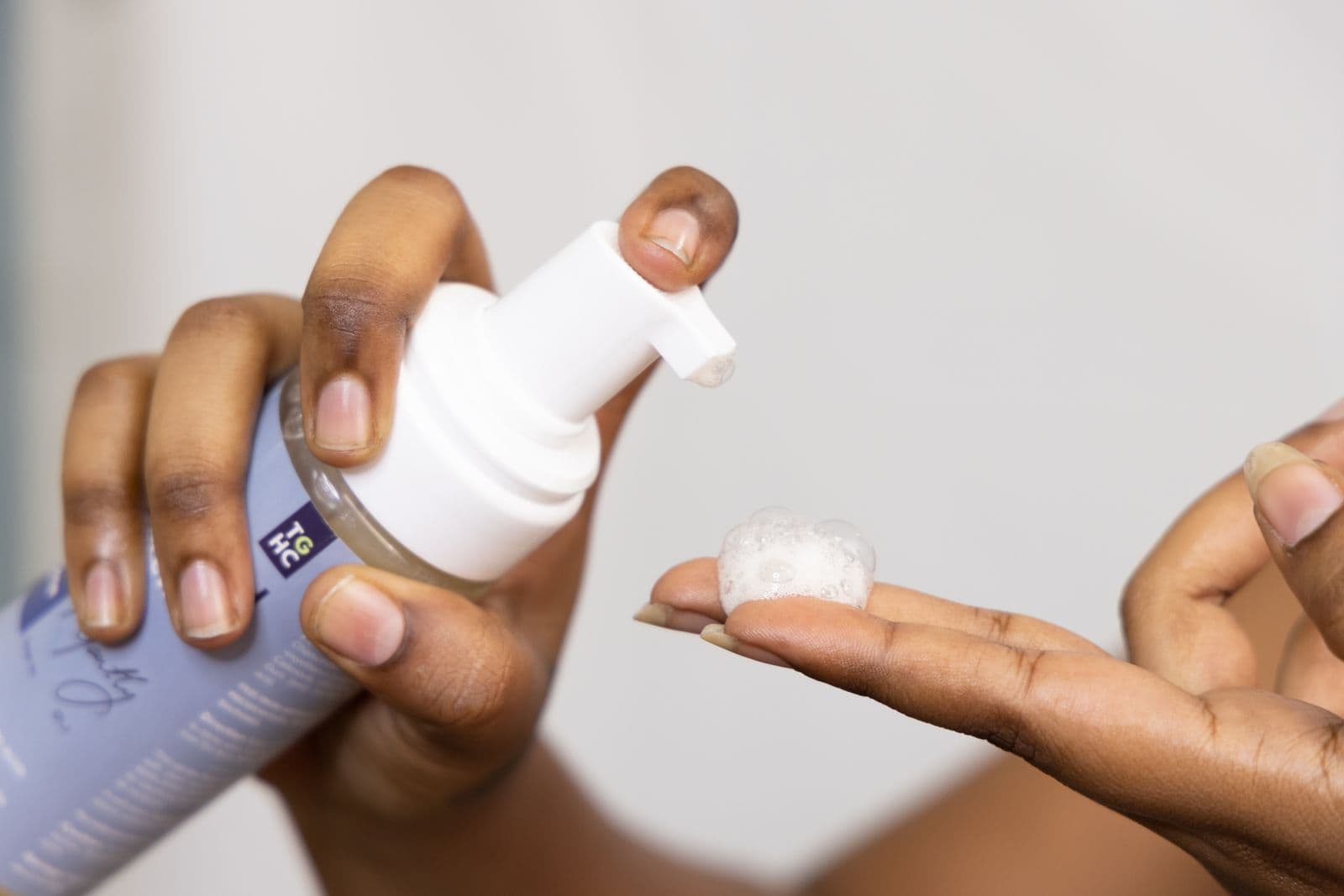
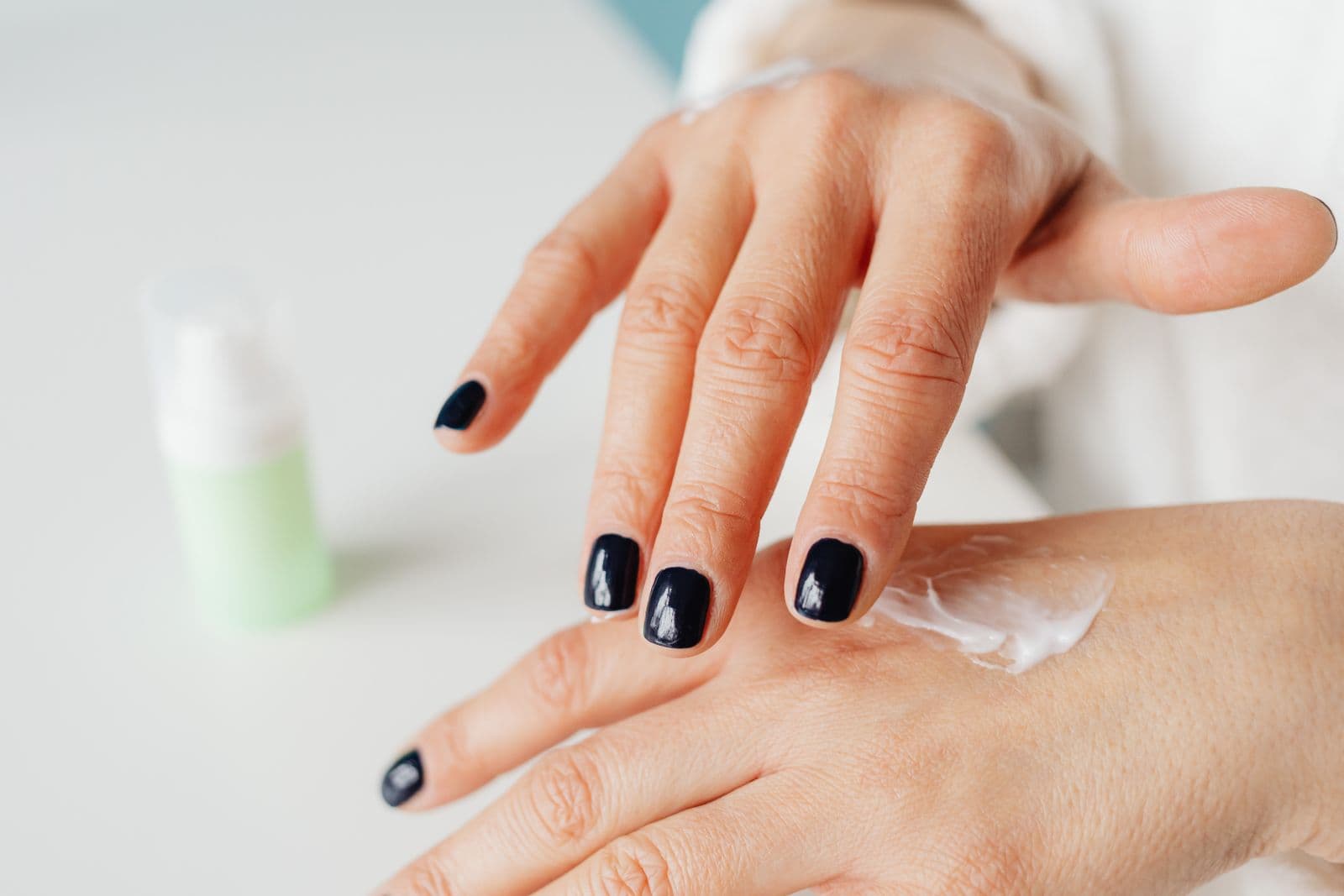
- Moisturise often. Use a fragrance-free emollient (cream or ointment) at least twice a day and after every bath. Tubs of thick cream or ointment work better than thin lotions. Products are available in the skin care range; look for "fragrance-free" and "for dry or sensitive skin" on the label.
- Soak and seal. Bathe for 5 to 10 minutes in lukewarm water with a soap-free or gentle cleanser. Pat dry and apply the emollient within 3 minutes while the skin is still damp.
- Dress for comfort. Choose soft cotton and avoid wool. Keep nails short to limit damage from scratching.
- Keep cool. Heat and sweat make itch worse, so shower after sweating and use a fan.
How are flares treated?
For flares, a doctor prescribes topical corticosteroids. Used as directed (a thin layer, for a short course), they are safe and effective. To measure the amount, use the fingertip unit: a line of cream squeezed from the tip of an adult index finger to the first crease is about 0.5 g and treats an area about the size of two adult palms.
The real danger is not steroids prescribed by a doctor. It is:
- strong steroids used without supervision;
- steroids used on the face or skin folds;
- steroids used for months;
- "combination" tubes (steroid plus antifungal plus antibiotic) bought without a prescription, which are widely sold in South Asia and can thin the skin, cause stretch marks and make some infections worse.
Other options a doctor may use are steroid-sparing creams (tacrolimus or pimecrolimus), wet wraps, phototherapy and newer specialist medicines for severe disease. Sedating antihistamines may help sleep, but they do little for itch itself.
A ring-shaped patch with a clearer centre is usually ringworm, not eczema, and steroid cream makes it worse; see ringworm and fungal skin infections: treatment and prevention.
What about babies with eczema?
Regular moisturising from early life is helpful. Use fragrance-free baby emollients and gentle bathing, and see the baby care range for suitable products. Take a baby to a doctor if a rash persists, spreads, weeps or disturbs sleep and feeding. Do not apply adult steroid creams to a baby unless a doctor advises it.
How can you reduce flares at home?
- Use a fragrance-free detergent, rinse clothes well and wash new clothes before wearing them.
- Wash bedsheets weekly in hot water to reduce dust mites, and dust with a damp cloth.
- Avoid smoke, scented soaps and bubble baths.
- Bathe soon after heavy sweating or swimming, then moisturise.
- Keep a regular sleep routine and find ways to manage stress.
A cool, damp cloth on itchy skin can ease the urge to scratch. Apply any prescribed steroid and your emollient in the order your doctor suggests.
When should you see a doctor, and what is an emergency?
See a doctor if eczema:
- shows signs of infection: weeping, yellow crusts, pus spots, fever or sudden worsening;
- is not controlled with regular moisturising;
- disturbs sleep, school or work;
- keeps returning after steroid courses.
Emergency: painful clustered blisters or punched-out sores on eczema skin, especially with fever, may be eczema herpeticum, a serious viral infection. Get same-day medical care, and call 999 or go to a hospital if the person is very unwell or a baby is lethargic or feeding poorly.
You can consult a doctor online to confirm the diagnosis and get a proper steroid plan. Eczema can look like a fungal infection, so tell your doctor if the rash is ring-shaped or not improving. Flaky scalp problems are covered in our guide to dandruff and hair fall.
References
- Atopic eczema - NHS
- Atopic dermatitis - American Academy of Dermatology
- Topical steroid - DermNet
- Hydrocortisone skin cream - NHS
This article is for general awareness only and is not a substitute for advice from a qualified doctor. Please consult a doctor about your own condition.