
Quick answer: Choose a broad-spectrum sunscreen (UVA and UVB protection) with SPF 30 or higher, and a light gel or fluid texture if your skin is oily or acne-prone. Apply it generously as the last skincare step about 15 minutes before going out, and reapply every 2 hours outdoors. In Bangladesh UV is high most of the year, including cloudy monsoon days.
Why do you need sunscreen in Bangladesh?
Bangladesh lies close to the tropics, so ultraviolet (UV) radiation is strong for much of the year. Most UV passes through clouds, so the monsoon is not a safe season. UV causes sunburn, tanning, premature ageing, dark spots and melasma, and over the years it can cause skin cancer. For melasma, both UV and visible light make the patches darker.
Darker skin has more natural protection, but it is not immune. Daily sunscreen helps prevent dark marks, including those left by pimples (see our acne guide), and helps control melasma.
How do you choose a sunscreen?
- Broad-spectrum: protects against both UVA (ageing, pigment) and UVB (burning).
- SPF 30 or higher: SPF 30 filters about 97% of UVB and SPF 50 about 98%. Higher numbers add little, so the amount you apply matters more.
- Water-resistant if you sweat a lot or swim.
- Texture: gel, fluid or light lotion for oily or acne-prone skin, labelled non-comedogenic.
The filters in sunscreens fall into two groups:
| Type | Examples | Good to know |
|---|---|---|
| Mineral | Zinc oxide, titanium dioxide | Suits sensitive skin; may leave a white cast |
| Chemical | Several organic filters listed on the label | Feels lighter and invisible on the skin |
Both types protect well. The best sunscreen is one you will wear every day. You can browse sunscreens in the skin care range, and check the label for "broad spectrum" and the SPF number rather than choosing by brand.
How much sunscreen should you apply, and when?
- Apply it as the last step of skincare and before makeup.
- Put it on about 15 minutes before going out.
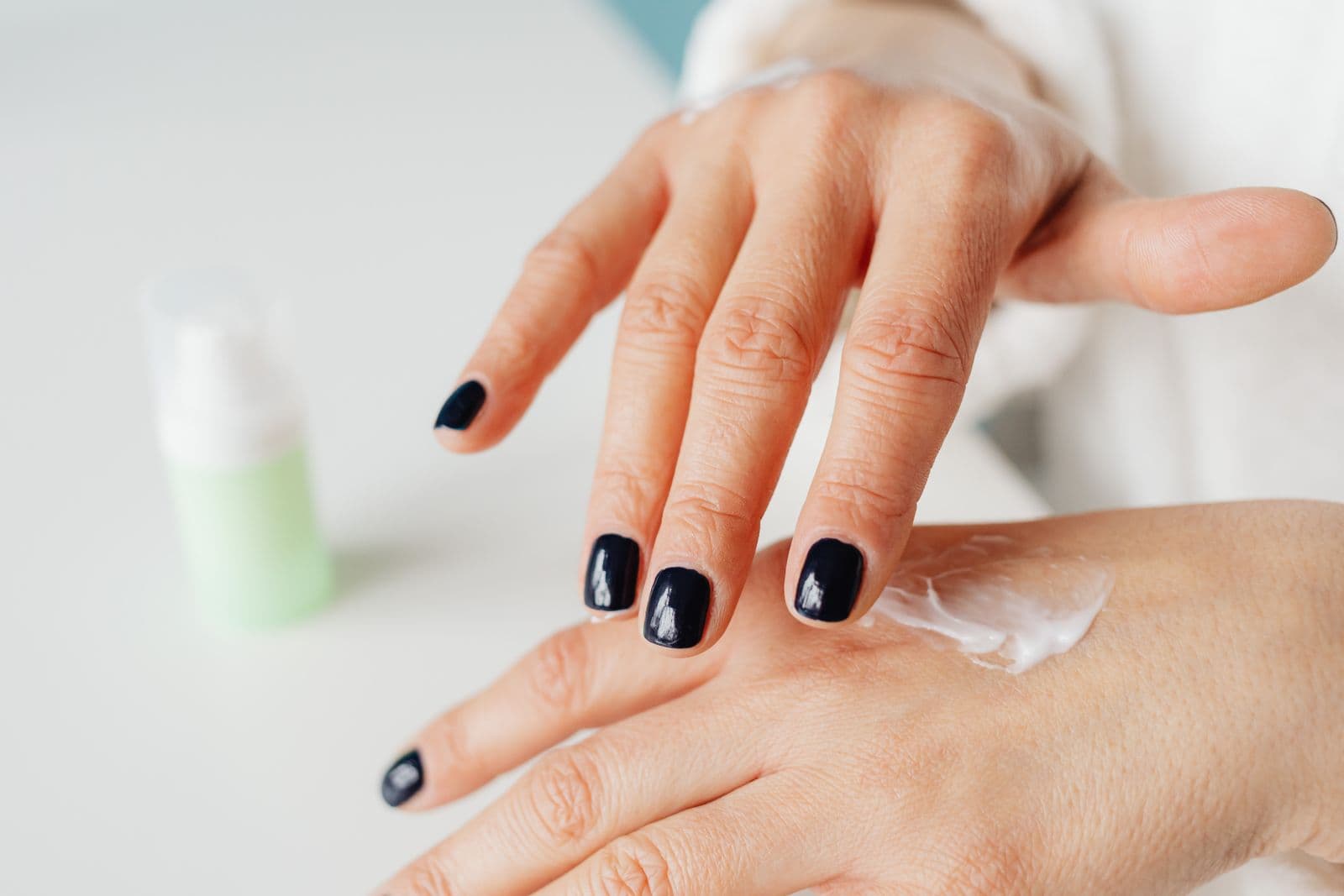
- For the face and neck use about half to one teaspoon (roughly two finger-lengths of sunscreen). Most people apply too little.
- Reapply every 2 hours when outdoors, and after heavy sweating, swimming or towelling.
- Do not rely on the SPF in makeup or moisturiser, because we rarely apply enough of them.
- You do not need it deep inside a building, but sit-by-the-window time still exposes you to UVA.
What other sun protection helps?
- Stay in the shade between 10 am and 4 pm when UV is strongest.
- Use an umbrella, a wide-brim hat and UV-protective sunglasses.
- Wear long, loose cotton sleeves. They are cooler than they look.
Babies under 6 months should be kept out of direct sun and protected with clothing and shade. Ask a doctor before using sunscreen on them.
Does sunscreen cause vitamin D deficiency?
In real-life use, sunscreen does not cause meaningful vitamin D deficiency, because people never apply it perfectly and still get some UV. Do not skip sunscreen for this reason. If you worry about vitamin D, ask a doctor about a blood test.
How should you store sunscreen and avoid reactions?
- Do not leave it in a hot car, a bathroom or direct sun. Heat can spoil it.
- Check the expiry date and the "period after opening" symbol (an open jar with a number of months).
- If your skin is sensitive, patch test on the inner forearm for a day first.
- Stop using it and see a doctor if a rash, swelling or burning develops.
What do SPF and PA ratings mean?
SPF measures protection against UVB, the rays that burn. It does not show UVA protection, so also look for the words "broad spectrum", a UVA logo or a PA rating (PA+ to PA++++, where more plus signs mean stronger UVA protection).
Common mistakes are applying too little, missing the ears, neck, back of the hands and tops of the feet, and forgetting the lips, for which an SPF lip balm helps. Sunscreen should be one part of protection, not a reason to stay in the sun for longer.
You can browse sunscreens, including SPF 30+ and SPF 50+ options, on sunscreens on MedEasy.
When should you see a doctor about your skin?
Book a skin check with a doctor if you notice:
- a mole or spot that changes in size, shape or colour (the ABCDE rule: Asymmetry, irregular Border, uneven Colour, Diameter over 6 mm, Evolving);
- a sore that does not heal within a few weeks;
- a new dark streak under a nail;
- dark patches that keep spreading or do not respond to sunscreen.
In people with darker skin, melanoma often appears on the palms, soles and nails, and is not related to sun exposure. Check these areas too. You can consult a doctor online to decide whether you need a dermatologist.
References
- How to apply sunscreen - American Academy of Dermatology
- Ultraviolet radiation fact sheet - World Health Organization
- Sunscreen FAQs - American Academy of Dermatology
- Sunscreen and sun safety - NHS
This article is for general awareness only and is not a substitute for advice from a qualified doctor. Please consult a doctor about your own condition.