
Quick answer: A prescription lists the patient, date, doctor, medicine name, strength, form, how often, for how long and special instructions. Shorthand such as OD, BD, TDS and 1+0+1 tells you how many doses to take and when. If anything is unclear, ask the doctor or pharmacist before taking the medicine. Never guess, share medicines or change a strength yourself.
What information is on a prescription?
- Patient name, age and, for children, weight
- Date of the prescription
- Doctor's name and registration number
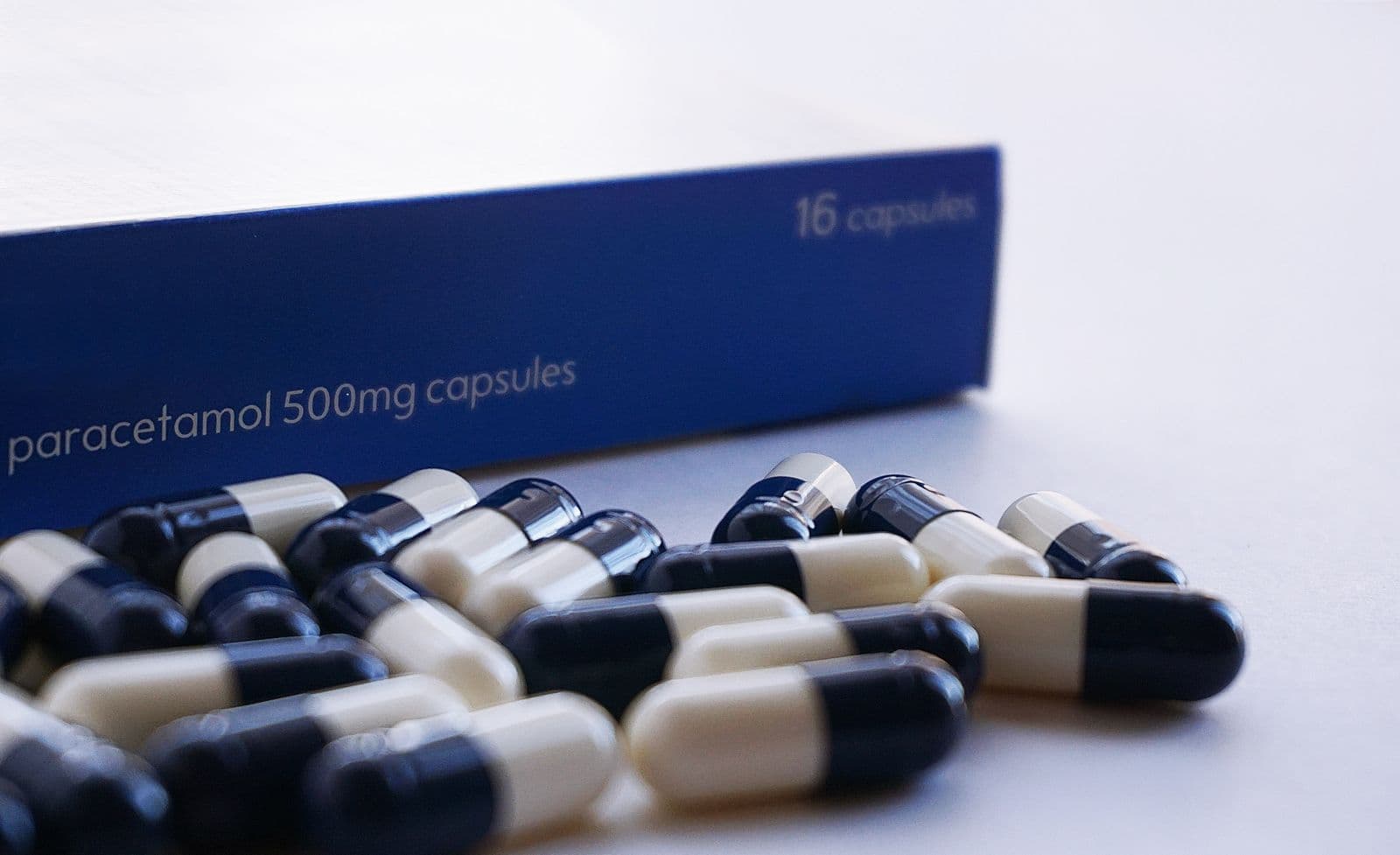
- Medicine name (brand or generic) and strength, such as 500 mg
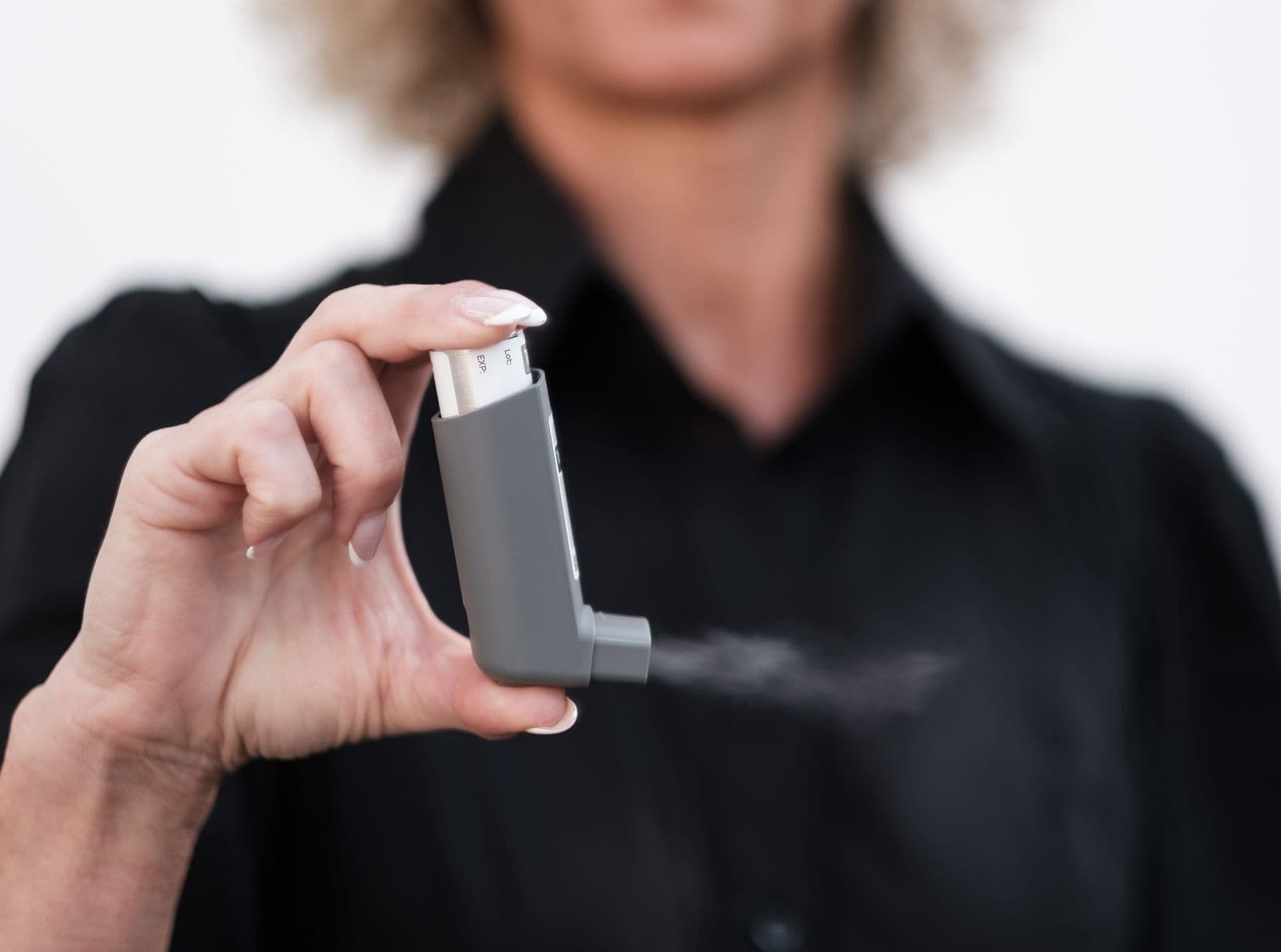
- Form: tablet, capsule, syrup, drops, cream or inhaler
- How often, for how long, and by which route (by mouth, applied to the skin, inhaled)
- Special instructions, such as before or after food
What do Rx, OD, BD and 1+0+1 mean?
| Shorthand | Meaning |
|---|---|
| Rx | Prescription |
| OD | Once a day |
| BD | Twice a day |
| TDS | Three times a day |
| QID | Four times a day |
| HS | At bedtime |
| PRN | Only when needed |
| AC / PC | Before meals / after meals |
In Bangladesh doctors often write three numbers such as 1+0+1. These stand for morning + noon + night, so 1+0+1 means one dose in the morning, none at noon and one at night. If the writing or the numbers are unclear, do not guess; confirm with the doctor or pharmacist. Whether to take it before or after food is usually written separately next to the numbers.
Is a brand or a generic medicine better?
Brand and generic medicines with the same active ingredient and the same strength work the same way. Ask your doctor or pharmacist before switching brands, and never change the strength. Make sure you do not take two products with the same ingredient together by mistake, for example two different paracetamol-containing medicines.
How do I take medicines safely?
- Set fixed times or phone alarms; a weekly pill box can help.
- Missed dose: take it when you remember, unless it is almost time for the next dose. Never double up. Check the leaflet for that medicine.
- Do not crush or split tablets unless the doctor or pharmacist says it is allowed. Extended-release tablets must usually be swallowed whole.
- Follow the prescribed length of an antibiotic as the doctor directs (see antibiotics: when to take them and why resistance matters).
- Measure liquids with the cup or oral syringe supplied, not a kitchen spoon.
- Do not share your medicines or use someone else's.
- Tell every doctor and pharmacist about all medicines, supplements and herbal products you use, your allergies, and if you are pregnant or breastfeeding.
- Do not mix medicines with alcohol unless you have been told it is safe.
- Read the leaflet inside the pack, and keep it with the medicine for later reference.
What should I ask before I leave the clinic or pharmacy?
- What is this medicine for, and what is its name (brand and generic)?
- How much, how often, at what times, and with or without food?
- For how long should I take it, and when is my next review?
- What side effects are common, and which need urgent help?
- Can I take it with my other medicines, food or alcohol?
- What should I do if I miss a dose?
Keep a written medicine list with the name, strength, dose, time and reason for each medicine, or take a photo of the prescription, and show it at every visit.
How should I store medicines?
- Keep them in a cool, dry place away from direct sunlight, usually below 30 degrees Celsius, unless the label says refrigerate.
- Store them in the original pack, out of reach of children.
- Check the expiry date. Discard expired, discoloured or crumbling medicines.
- Liquids and eye drops have a short life once opened; the leaflet or pharmacist will tell you how long.
How do I buy medicines safely?
- Buy from a licensed pharmacy and ask for a sealed pack.
- Check the batch number and expiry date on the pack, and a printed price. Keep the receipt.
- Be wary of unusually cheap medicines, loose strips without a pack, or damaged seals.
- Over-the-counter items are listed under OTC medicine, and prescribed items under prescription medicine. MedEasy states that every prescription order is checked by a MedEasy pharmacist before dispatch.
When should I get help?
- Emergency (call 999 or go to hospital): rash with swelling of the lips, face or tongue, trouble breathing, or fainting after a medicine, which are signs of a serious allergy.
- Overdose or a child swallowing medicine: go to hospital at once or call 999 and take the pack with you. Do not wait for symptoms.
- See a doctor or pharmacist: severe or worrying side effects, a medicine that seems not to work, or directions you do not understand.
If your prescription is unclear, you can ask a qualified doctor through online doctor consultation.
References
- Taking medicines - what to ask your provider - MedlinePlus
- Medication Without Harm - World Health Organization
- Medicines A to Z - NHS
This article is for general awareness only and is not a substitute for advice from a qualified doctor or pharmacist. Always follow the instructions on your own prescription.