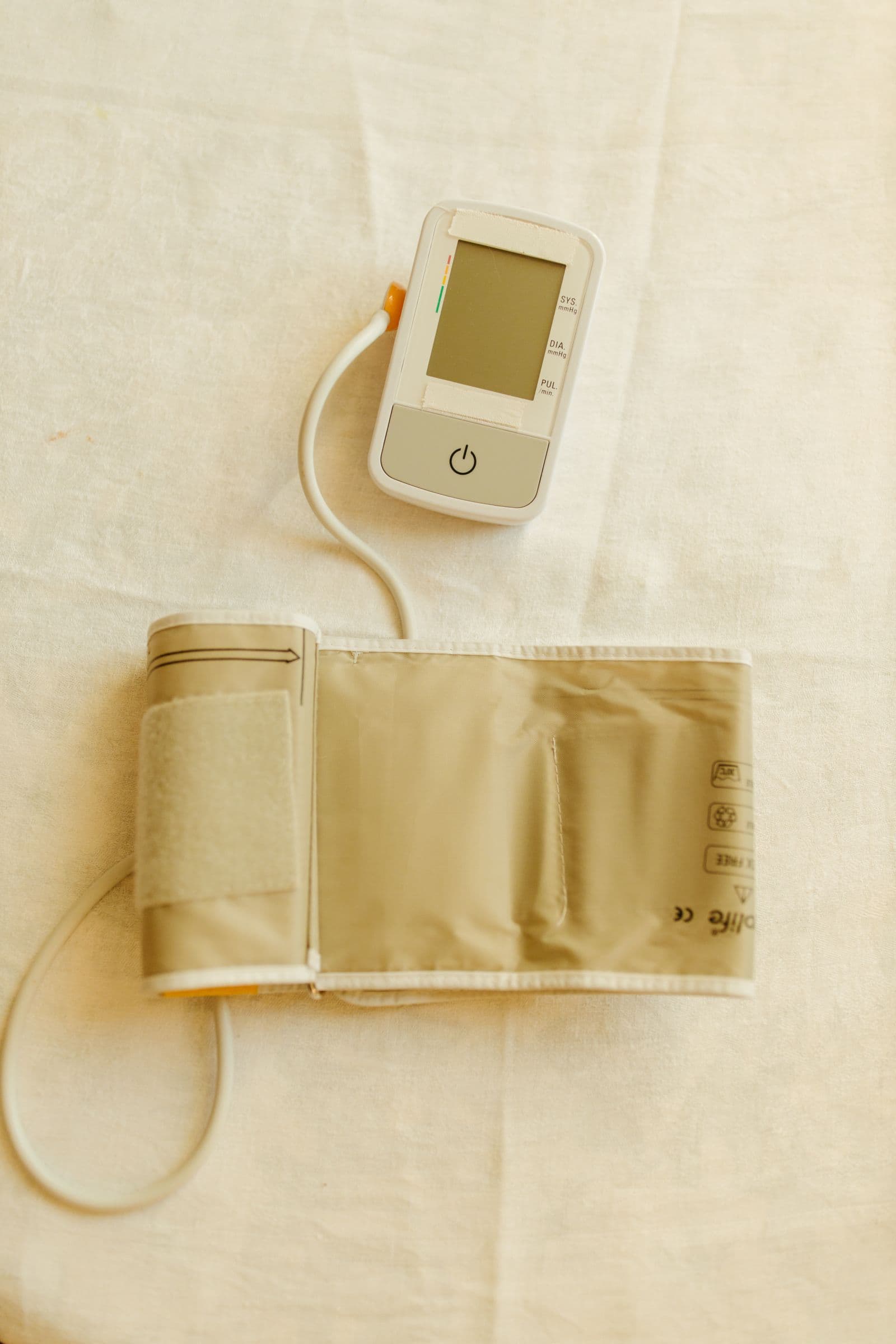
Quick answer: High blood pressure (hypertension) is commonly defined as repeated clinic readings of 140/90 mmHg or higher. It usually causes no symptoms, yet silently damages the heart, brain, kidneys and eyes. Measure it correctly at home, cut salt below 5 g a day, stay active, and take any prescribed medicine daily as your doctor directs.
What is high blood pressure and what numbers count?
Blood pressure is written as two numbers: the top (systolic) is the pressure when the heart beats, the bottom (diastolic) is the pressure between beats. Thresholds differ a little between guidelines and between clinic and home measurements:
| Measurement | Level that suggests high blood pressure |
|---|---|
| Repeated clinic readings (WHO) | 140/90 mmHg or higher |
| Home average over several days | 135/85 mmHg or higher |
| ACC/AHA guideline, stage 1 | 130/80 mmHg or higher |
| Possible emergency, with symptoms (see below) | 180/120 mmHg or higher |
One high reading does not mean you have hypertension; the diagnosis rests on repeated measurements. Your doctor sets your own target, which for many adults, if tolerated, is below 130/80.
Blood pressure stages (clinic readings, European ESH classification)
| Category | Systolic (mmHg) | Diastolic (mmHg) | |
|---|---|---|---|
| Optimal | below 120 | and | below 80 |
| Normal | 120-129 | and/or | 80-84 |
| High-normal | 130-139 | and/or | 85-89 |
| Grade 1 hypertension | 140-159 | and/or | 90-99 |
| Grade 2 hypertension | 160-179 | and/or | 100-109 |
| Grade 3 hypertension | 180 or higher | and/or | 110 or higher |
The simpler ISH 2020 version groups everything from 160/100 upwards as grade 2. The US ACC/AHA guideline differs more: it labels 130-139/80-89 as stage 1 hypertension, so 132/84 is "high-normal" in Europe but "stage 1" in the US.
What are the symptoms and why is it dangerous?
Most people feel completely well, which is why it is called a "silent" condition. Over the years, high pressure damages the arteries and can cause stroke, heart attack, heart failure, kidney failure and eye damage. The only reliable way to know is to measure. All adults should have their pressure checked regularly, and people with diabetes, kidney disease or a family history should check more often (see diabetes symptoms and who should get tested, as the two often go together).
Some people with very high pressure notice headaches, nosebleeds or dizziness, but these are not reliable signs, and many people with dangerous readings feel nothing at all.
Risk factors include a high-salt diet, overweight, inactivity, alcohol, tobacco, stress, older age, family history, kidney disease and diabetes.
How do I measure blood pressure correctly at home?
- Use a validated upper-arm digital monitor with a cuff of the right size. Wrist devices are less reliable.
- Avoid caffeine, smoking and exercise for 30 minutes beforehand, and empty your bladder.
- Sit quietly for 5 minutes with your back supported and feet flat on the floor.
- Rest the bare arm on a table so the cuff is at heart level, and do not talk.
- Take two readings 1 minute apart and record both.
- Repeat in the morning (before medicines) and in the evening, for 7 days; ignore the first day and average the rest.
- Write every result down and bring the record to your doctor.
A home average of 135/85 or higher suggests hypertension; on treatment, the usual home target is below 135/85, or lower if your doctor says so. Do not change your medicines based on single home readings.
How can I lower blood pressure without medicines?
- Salt: keep it under 5 g a day, about one level teaspoon (WHO), counting pickles, chips, instant noodles, dried fish, sauces and salt added to rice or salad.
- Food: more vegetables, fruit and pulses. Potassium-rich foods such as bananas and beans help, unless you have kidney disease or your doctor tells you otherwise. A DASH-style pattern (more vegetables, fruit, pulses and fish, less red meat and sweets) can lower pressure as much as a single medicine.
- Activity: about 150 minutes a week of brisk walking or similar.
- Weight: work towards a healthy weight; every kilogram lost helps.
- Tobacco and alcohol: stop all tobacco, including jorda and gul, and limit alcohol.
How is high blood pressure treated with medicines?
Medicines are prescribed by a doctor after repeated readings and a check of your overall risk. The commonly used classes are ACE inhibitors, angiotensin receptor blockers (ARBs), calcium-channel blockers, diuretics and beta-blockers. Which one suits you depends on your age, other conditions and tests.
- Take the medicine every day, even when you feel well. The goal is to prevent damage you cannot feel.
- Never stop suddenly or double a dose.
- Report side effects instead of quitting. A dry cough can occur with ACE inhibitors and ankle swelling with some calcium-channel blockers; the doctor can change the drug.
- Avoid regular use of NSAID painkillers, and ask a pharmacist before taking decongestant cold remedies, as both can raise pressure.
The main medicine classes in brief
- ACE inhibitors (ramipril, lisinopril) and ARBs (losartan, olmesartan, telmisartan) protect the kidneys, so they are often first choice in diabetes or kidney disease. Not used in pregnancy.
- Calcium-channel blockers such as amlodipine widen the arteries; ankle swelling is the usual side effect.
- Thiazide-type diuretics (hydrochlorothiazide, chlorthalidone, indapamide) remove extra salt and water; potassium is checked while you take them.
- Beta-blockers (bisoprolol) are used mainly when there is also heart disease.
Many people need more than one medicine to reach their target, and it can take weeks to find the right combination, so keep your follow-up appointments. If you feel dizzy or unwell on treatment, report it to your doctor instead of skipping doses. Never stop a blood pressure medicine on your own: the pressure usually climbs back within days.
Ask your doctor about follow-up tests such as kidney function, cholesterol, blood sugar, an eye check and an ECG. Prescriptions can be ordered under prescription medicine.
For home readings, a validated upper-arm digital monitor is the usual choice. You can compare digital blood pressure monitors on MedEasy.
What tests will the doctor order and what do the results mean?
Once hypertension is confirmed, the doctor looks for a cause, existing damage and other risks:
- Urine test: protein or albumin in the urine (albumin-creatinine ratio above 30 mg/g) means the kidneys are already affected.
- Serum creatinine and eGFR: an eGFR below 60 mL/min/1.73 m² for 3 months or more indicates chronic kidney disease.
- Potassium: low potassium can point to a hormonal cause (excess aldosterone).
- Fasting glucose or HbA1c: fasting glucose of 7.0 mmol/L (126 mg/dL) or higher, or HbA1c of 6.5% or higher, means diabetes.
- Lipid profile: LDL cholesterol helps estimate your heart risk.
- ECG: looks for a thickened heart muscle (left ventricular hypertrophy).
- Eye examination: shows damage to the retinal vessels.
People under 40, or with hard-to-control pressure or low potassium, may need extra tests for a treatable cause.
High blood pressure in pregnancy
In pregnancy, 140/90 mmHg or higher is high. Pre-eclampsia is high pressure after 20 weeks with protein in the urine, and it can harm both mother and baby. ACE inhibitors and ARBs must be stopped as soon as pregnancy is confirmed; doctors use medicines known to be safe in pregnancy, such as labetalol, nifedipine or methyldopa. Women at higher risk may be advised to take low-dose aspirin from 12 weeks.
Common myths and questions in Bangladesh
- "I feel fine, so my pressure cannot be a problem." Most strokes and heart attacks from hypertension happen in people who felt fine.
- "Garlic, lemon water or a special drink cures high blood pressure." Such foods may lower pressure by a few mmHg at most, and the evidence is weak. They never replace salt reduction, activity or prescribed medicine.
- "If I start medicine early I will be on it for life, so I should delay." The condition, not the start date, decides how long you need treatment, and delaying lets damage build up. Some people with grade 1 hypertension can reduce medicine later, under supervision, after sustained weight loss and salt reduction.
- "High BP comes only from tension." Stress raises pressure for a while, but persistent hypertension is driven mainly by salt, weight, genes, age and kidney disease.
Blood pressure medicines only work if taken every day as written; if the prescription is hard to follow, see how to read a prescription and take medicines safely.
When should I see a doctor or call 999?
- Call 999 or go to hospital now: a reading of 180/120 or higher with chest pain, breathlessness, a severe headache, weakness or numbness, face drooping, speech or vision changes, or confusion.
- In pregnancy: severe headache, vision changes, sudden swelling of the face or hands, or pain under the ribs together with raised blood pressure needs same-day medical care.
- See a doctor soon: repeated home readings of 135/85 or higher, a reading of 180/120 or higher without symptoms (rest 5 minutes and recheck; if still 180/120 or higher, call your doctor the same day and do not take extra tablets on your own), or new swelling, palpitations or dizziness on treatment.
For advice on your readings, book an online doctor consultation.
References
- Hypertension - World Health Organization
- High blood pressure - NHS
- Understanding Blood Pressure Readings - American Heart Association
- 2020 International Society of Hypertension Global Hypertension Practice Guidelines - Hypertension (AHA Journals)
- Sodium reduction - World Health Organization
- Pre-eclampsia - NHS
This article is for general awareness only and is not a substitute for advice from a qualified doctor. Do not start, stop or change medicines without medical advice.