Quick answer: Common diabetes symptoms are frequent urination (especially at night), thirst, hunger, tiredness, blurred vision and slow-healing wounds, but type 2 diabetes often causes no symptoms for years. The American Diabetes Association (ADA) advises testing all adults from age 35, and earlier if overweight (BMI 23 or more for South Asians) or with other risk factors. A fasting glucose of 126 mg/dL (7.0 mmol/L) or more suggests diabetes.
What are the symptoms of diabetes?
When blood sugar stays high, the body tries to flush out the extra glucose through urine and cannot use it properly for energy. This produces the classic warning signs:
- Passing urine often, especially waking at night to urinate
- Feeling very thirsty and having a dry mouth
- Feeling hungry even after eating
- Unusual tiredness
- Blurred vision
- Cuts, sores or wounds that heal slowly
- Tingling or numbness in the feet or hands
- Repeated infections of the skin, gums, bladder or genital area
- Unexplained weight loss
Weight loss with thirst and frequent urination is more typical of type 1 diabetes or of very high sugar, but it can happen in type 2 too.
Because nerve damage can start before diagnosis, begin a daily diabetic foot-care routine as soon as diabetes is confirmed.
Can you have diabetes without symptoms?
Yes. Type 2 diabetes develops slowly and many people feel completely well for years while high sugar quietly damages the eyes, kidneys, nerves and heart. Some people are first diagnosed when they already have a foot ulcer, vision problem or heart event. This is why testing, not waiting for symptoms, is the way to catch diabetes early.
What are the main types of diabetes?
- Type 1: the immune system destroys the insulin-producing cells. It usually starts in childhood or young adulthood, comes on over days or weeks with marked thirst, urination and weight loss, and needs insulin from the start.
- Type 2: the body does not respond properly to insulin and the pancreas cannot keep up. It accounts for more than 95% of cases worldwide (WHO) and develops gradually.
- Gestational diabetes: high sugar first found in pregnancy, usually without symptoms; all pregnant women are tested at 24 to 28 weeks. It usually settles after delivery, but the mother should be retested about 12 weeks after the birth and then at least every one to three years for life.
Who should get tested for diabetes?
The ADA recommends screening for all adults from age 35. Testing should start earlier in adults who are overweight and have at least one risk factor. For people of Asian descent, including South Asians, the ADA uses a BMI of 23 kg/m2 or more as the "overweight" threshold, lower than for other populations, because diabetes develops at lower body weights in this group.
Risk factors include:
- A parent, brother or sister with diabetes
- High blood pressure or high cholesterol or triglycerides
- Polycystic ovary syndrome (PCOS)
- Diabetes in a previous pregnancy (gestational diabetes)
- Little physical activity
- Waist size of 90 cm or more in men and 80 cm or more in women (South Asian cut-offs)
Why are South Asians at higher risk at a lower weight?
South Asians tend to store fat around the abdomen and internal organs rather than under the skin. This "central obesity" drives insulin resistance even in someone who looks slim, so waist size matters as much as weight. The NHS advises people of South Asian background to be alert to type 2 diabetes from age 25 rather than 40.
How often should you be tested?
If a first test is normal, it is usually repeated at least every three years, or more often if risk factors persist. With prediabetes, the ADA advises testing every year.
Diabetes and high blood pressure often go together and multiply the risk to the heart and kidneys, so get your pressure checked at the same visit; see high blood pressure: symptoms, home monitoring and treatment.
How is diabetes diagnosed?
The ADA recognises four ways to diagnose diabetes:
- Fasting plasma glucose: 126 mg/dL (7.0 mmol/L) or more, after at least 8 hours without food
- 2-hour glucose in a 75 g oral glucose tolerance test (OGTT): 200 mg/dL (11.1 mmol/L) or more
- HbA1c: 6.5% or more
- Random glucose: 200 mg/dL (11.1 mmol/L) or more in a person with classic symptoms of high sugar
Without clear symptoms, one abnormal result needs confirmation with a repeat test, usually on another day. Your doctor will decide which test suits you.
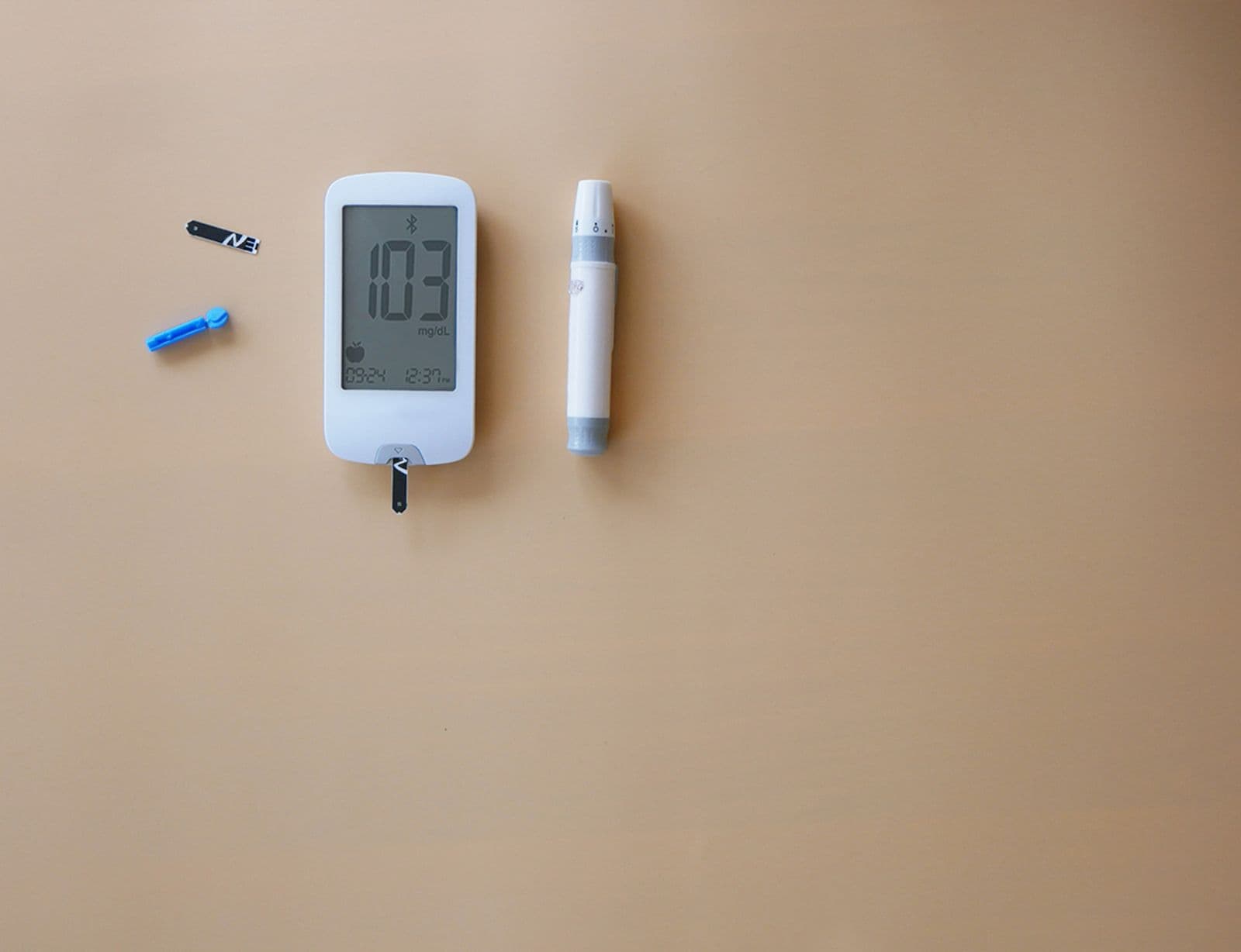
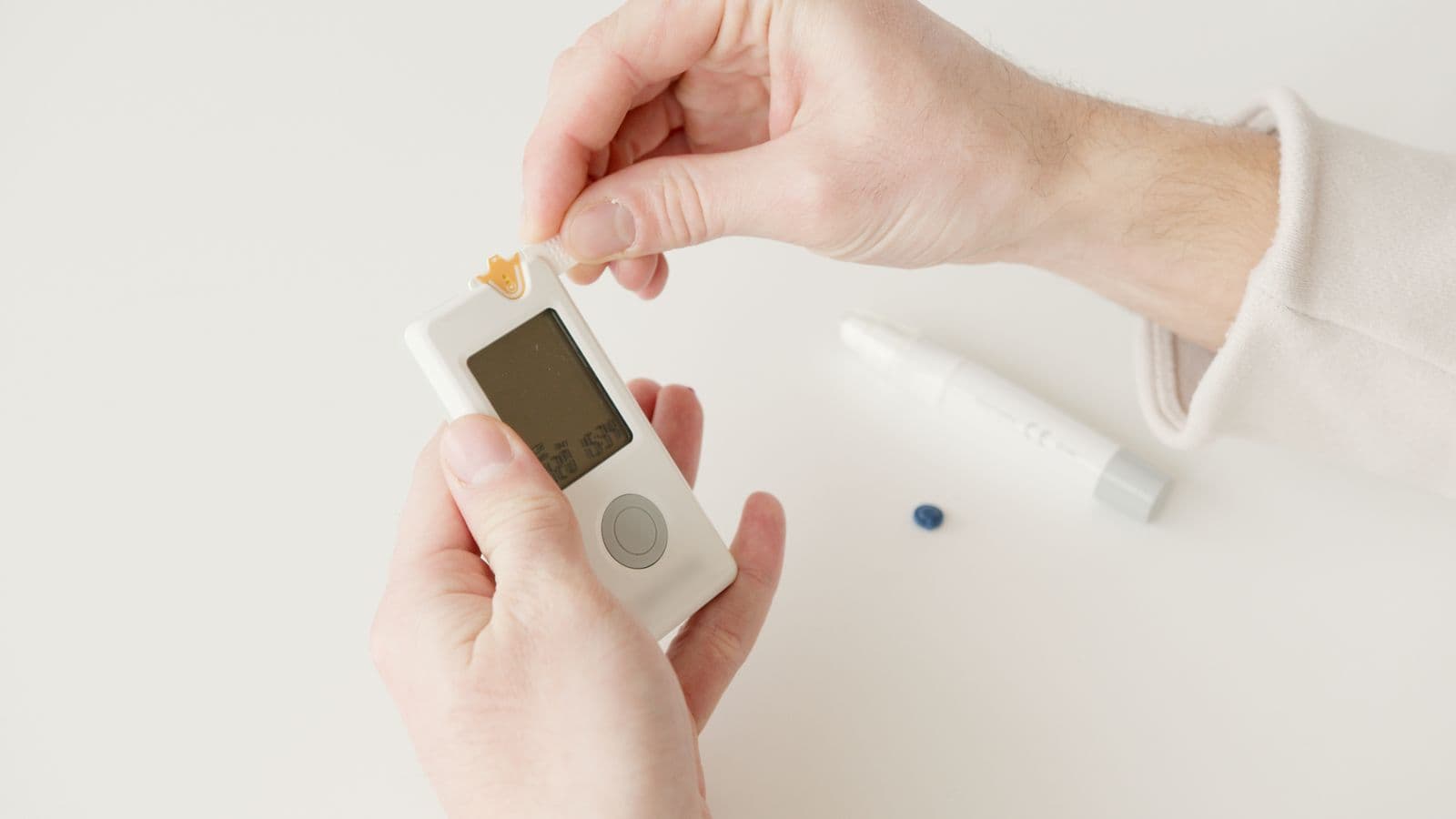
For an OGTT you give a fasting sample, drink 75 g of glucose in water and give a second sample 2 hours later. A finger-prick glucometer reading is a screening clue, not a diagnosis; diabetes is confirmed on laboratory tests.
A note on HbA1c: it can be unreliable in anaemia, thalassaemia or other haemoglobin variants, and after recent blood loss or transfusion. These conditions are common in Bangladesh, so a glucose-based test may be needed instead.
What is prediabetes?
Prediabetes means blood sugar is higher than normal but below the diabetes range. It is a warning stage, not a disease sentence.
| Test | Normal | Prediabetes | Diabetes |
|---|---|---|---|
| Fasting glucose | Below 100 mg/dL (5.6 mmol/L) | 100-125 mg/dL (5.6-6.9 mmol/L) | 126 mg/dL (7.0 mmol/L) or more |
| 2-hour OGTT | Below 140 mg/dL (7.8 mmol/L) | 140-199 mg/dL (7.8-11.0 mmol/L) | 200 mg/dL (11.1 mmol/L) or more |
| HbA1c | Below 5.7% | 5.7-6.4% | 6.5% or more |
| Random glucose | Not used | Not used | 200 mg/dL (11.1 mmol/L) or more with symptoms |
Note that the World Health Organization uses 6.1 mmol/L (110 mg/dL) as the lower limit for impaired fasting glucose, so a report may label the same result differently depending on the guideline used. The diabetes cut-offs themselves are the same in both.
What should you do after a prediabetes result?
- Ask your doctor to confirm it and to check blood pressure, cholesterol and weight, because the same risk factors damage the heart.
- Start the lifestyle changes below now; this is the stage where they work best.
- Repeat the diabetes test every year.
- Your doctor may discuss metformin in some high-risk cases; do not start any medicine on your own.
If you start insulin or sulfonylurea tablets, learn the signs of low blood sugar (hypoglycaemia) and its first aid from the beginning.
Can prediabetes be reversed or diabetes prevented?
Often it can be delayed. In the large US Diabetes Prevention Program trial, structured lifestyle change reduced the progression from prediabetes to type 2 diabetes by 58%. The programme aimed for:
- About 150 minutes a week of brisk activity such as fast walking
- Modest weight loss of 5-7% of body weight
- A healthier diet with less sugar, refined carbohydrate and fried food
Which checks are done when diabetes is first diagnosed?
Because type 2 diabetes may have been present silently for years, doctors check for complications at diagnosis and then regularly:
- Eyes: a dilated retina examination at diagnosis and at least once a year; retinopathy has no early symptoms.
- Kidneys: a urine albumin test and a blood creatinine (eGFR) test at diagnosis and every year.
- Feet: a check of sensation, pulses and skin at diagnosis and at least yearly.
- Heart risk: blood pressure at every visit and a cholesterol (lipid) profile.
- HbA1c: every 3 to 6 months to follow overall control.
Common myths and questions in Bangladesh
"Eating too much sugar causes diabetes"
Not directly. Type 1 is an immune condition unrelated to diet. Type 2 is driven by genes, weight, waist fat and inactivity; sugary drinks and sweets add to the risk through extra calories, but cutting sweets alone does not remove the risk.
"Diabetes medicines damage the kidneys, so it is better to avoid them"
The opposite is true. Uncontrolled high sugar and high blood pressure are what damage the kidneys. Standard medicines such as metformin are safe at normal kidney function; the doctor adjusts the dose if kidney function falls, which is why the yearly kidney test matters. Stopping medicine on your own is far more dangerous.
"Bitter gourd (karela) or neem cures diabetes"
Bitter gourd is a healthy vegetable, but a Cochrane review found the evidence does not support using it as a treatment; most trials showed no meaningful difference in blood sugar. Eat it if you like it, but never replace prescribed medicine or testing with it, and tell your doctor about any herbal product you take.
"Thin people do not get diabetes"
Many South Asians develop type 2 diabetes at a normal weight because of abdominal fat and family tendency, and type 1 often causes weight loss. Being slim is no reason to skip testing.
When should you see a doctor or seek emergency care?
Book a test and a consultation soon if you have several of the symptoms above or any risk factor and have never been tested. You can talk to a doctor through online doctor consultation, and diagnostic blood tests are available at laboratories. See a doctor within a day or two if a child or young person develops thirst, frequent urination and weight loss over a few weeks; type 1 diabetes can become an emergency quickly.
Go to a hospital emergency department or call 999 if a person with high blood sugar develops:
- Repeated vomiting or abdominal pain
- Fruity-smelling breath
- Fast, deep breathing
- Marked drowsiness or confusion
- A glucometer reading above 300 mg/dL (16.7 mmol/L) together with any of these signs
These can be signs of diabetic ketoacidosis, a life-threatening emergency. If you are already diagnosed, glucometers, test strips and other diabetes care products help you monitor at home.
References
- Diabetes Diagnosis - American Diabetes Association
- Diagnosis and Classification of Diabetes: Standards of Care in Diabetes 2025 - American Diabetes Association
- Diabetes Tests and Diagnosis - NIDDK
- Preventing Type 2 Diabetes - NIDDK
- Diabetes Fact Sheet - World Health Organization
- Momordica charantia for type 2 diabetes mellitus - Cochrane
This article is for general awareness only and is not a substitute for advice from a qualified doctor. Please consult a doctor for diagnosis and treatment.