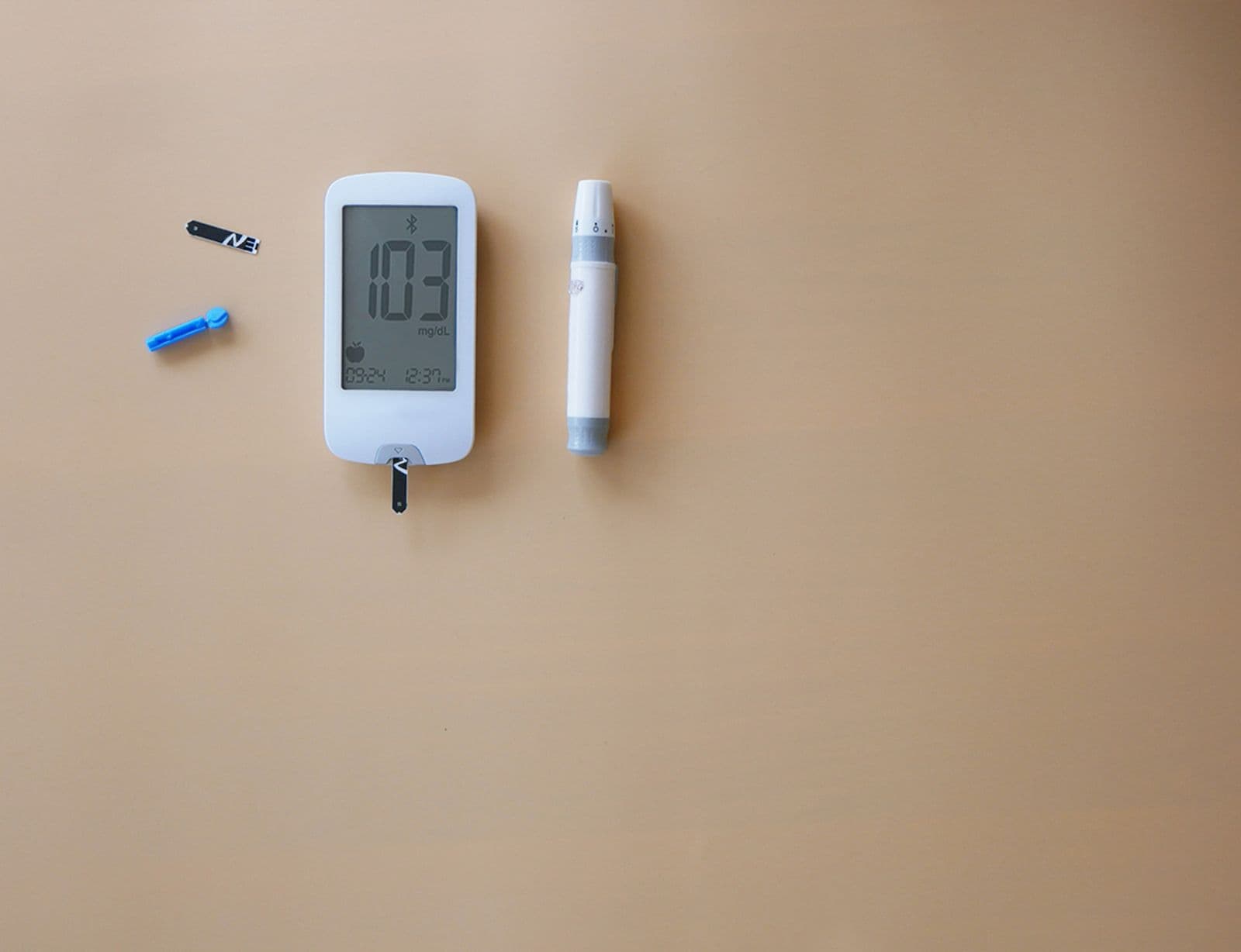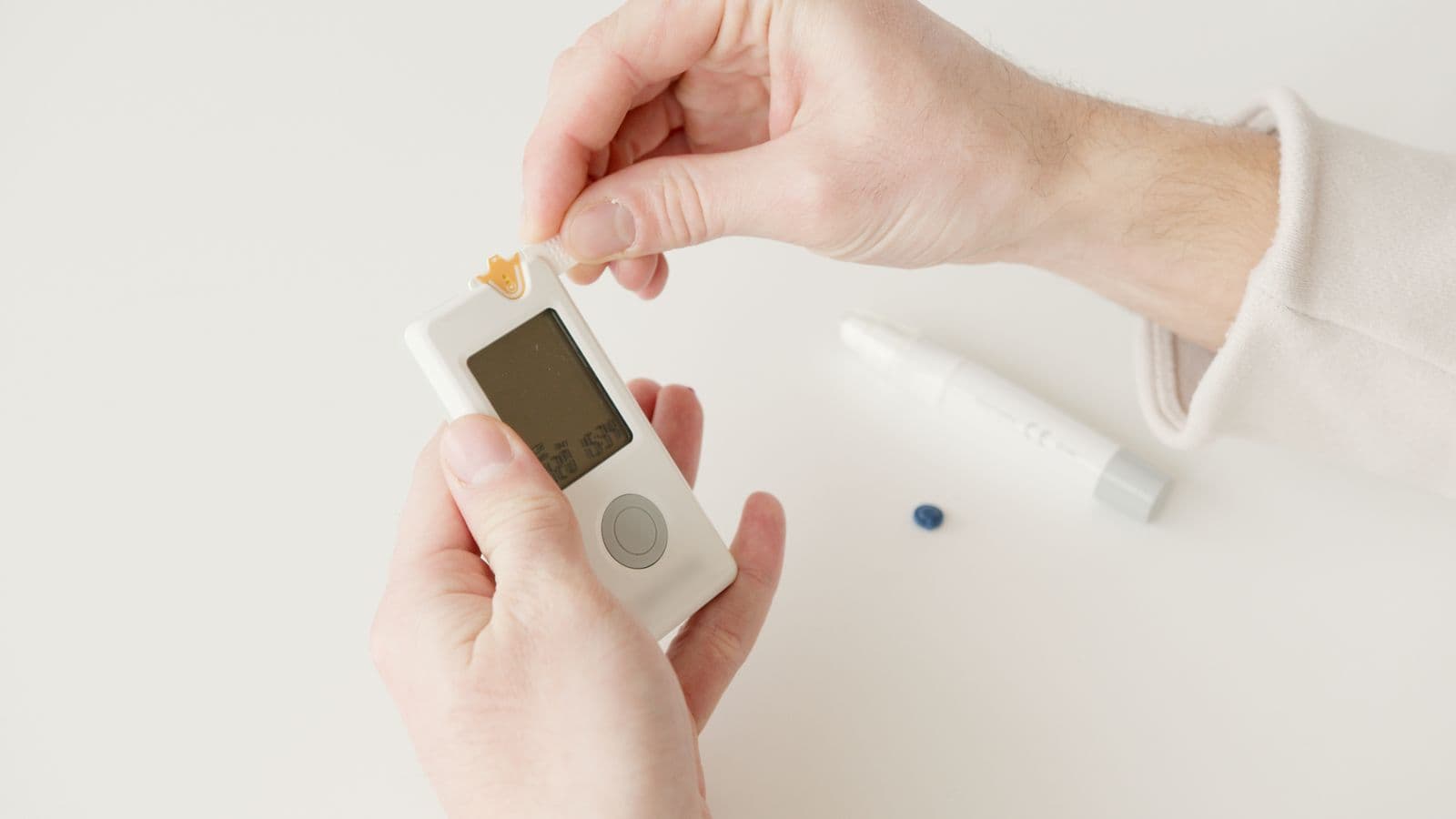
Quick answer: Low blood sugar (hypoglycaemia) means glucose below 70 mg/dL (3.9 mmol/L). Signs include shaking, sweating, hunger, fast heartbeat and confusion. If the person can swallow, give about 15 g of fast sugar, such as 3-4 glucose tablets or half a cup of fruit juice, recheck after 15 minutes and repeat if still low. If they are unconscious or fitting, give nothing by mouth and call 999.
What is low blood sugar?
Hypoglycaemia is blood glucose below 70 mg/dL (3.9 mmol/L). Below 54 mg/dL (3.0 mmol/L) it is considered clinically significant and more dangerous. A severe episode is one where the person needs another person's help to recover, for example because of confusion, unconsciousness or a seizure. It is most common in people with diabetes who take insulin or sulfonylurea tablets.
What are the symptoms of low blood sugar?
Early warning signs often appear first:
- Shaking or trembling
- Sweating and clamminess
- Hunger
- Fast heartbeat
- Anxiety, irritability
- Dizziness, headache
- Blurred vision
As sugar falls further, the brain is affected: confusion, difficulty concentrating, slurred speech, odd behaviour that may look like drunkenness, and then seizure or loss of consciousness. Some people, especially after long-standing diabetes or frequent lows, stop feeling the early warnings. This is called hypoglycaemia unawareness and needs a doctor's review.
What causes low blood sugar in diabetes?
- Too high a dose of insulin or of a sulfonylurea such as glimepiride or gliclazide
- Skipping or delaying a meal, or eating less than usual
- Unplanned or extra exercise
- Alcohol
- Kidney problems, because medicines and insulin stay longer in the body
Metformin on its own rarely causes hypoglycaemia. Fasting for religious or other reasons can raise the risk in people on insulin or sulfonylureas, so speak to a doctor beforehand.
What is the rule of 15 for first aid?
If the person is awake and able to swallow safely:
- Check glucose if you can. If you cannot check, treat anyway; it is safer.
- Give about 15 g of fast-acting carbohydrate: 3-4 glucose tablets, or half a cup (about 120 ml) of fruit juice or regular (not diet) soft drink, or about 3-4 teaspoons of sugar or honey dissolved in water.
- Wait 15 minutes and recheck.
- Repeat if glucose is still below 70 mg/dL (3.9 mmol/L).
- Once back to normal, give a snack or meal if the next meal is more than an hour away.
Do not use chocolate, biscuits or fatty foods as the first treatment, because they are absorbed slowly. Do not give so much that sugar overshoots.
What if the person is unconscious or having a fit?
- Do not put food, drink, sugar or tablets in the mouth, as they may choke
- Place the person on their side
- Give glucagon if it has been prescribed and someone present is trained to use it
- Call 999 or go to hospital immediately
How can you prevent low blood sugar?
- Eat regular meals and do not skip them after taking insulin or sulfonylureas (see our diabetes diet guide for Bangladeshi meals)
- Always carry fast sugar such as glucose tablets or sugar sachets
- Check glucose before driving and before exercise, and snack if it is low (see how to check blood sugar at home)
- Tell family, friends and colleagues what to do
- Limit alcohol and never drink it on an empty stomach
- Wear or carry a card saying you have diabetes
- Have your doses reviewed by your doctor after any episode
Never stop or change prescribed medicine on your own; a doctor can adjust it safely.
How can family and colleagues help?
Hypoglycaemia can make the person confused so that they refuse help or insist they are fine. Family, friends and workmates should know to:
- Recognise the signs, such as sweating, shaking, sudden irritability or odd behaviour
- Give sugar if the person is awake and able to swallow, even if they say they do not need it
- Know where the glucose tablets, sugar and glucagon (if prescribed) are kept
- Never give food or drink to someone who is drowsy or unconscious, and call 999 instead
- Stay with the person until they have recovered and eaten
When should you see a doctor or call for help?
Call 999 or go to the nearest hospital if a person with low sugar cannot swallow safely, is drowsy, confused, unconscious or having a seizure, or does not recover after two rounds of treatment. Also get medical advice the same day if:
- You have had a low reading below 70 mg/dL (3.9 mmol/L) more than once in a week
- You do not feel the warning signs any more
- You have lows during the night, such as waking with sweats or nightmares
You can discuss your medicines through online doctor consultation. Glucometers, strips and glucose products are in the diabetes care section.
References
- Low Blood Glucose (Hypoglycemia) - NIDDK
- Check Your Blood Glucose - American Diabetes Association
- Diabetes Fact Sheet - World Health Organization
This article is for general awareness only and is not a substitute for advice from a qualified doctor. Please consult a doctor for diagnosis and treatment.