
Quick answer: Typhoid is a bacterial infection caused by Salmonella Typhi, spread through food and water contaminated with faeces. Symptoms start 6–30 days after infection: a fever that rises stepwise to 39–40 °C, headache, weakness and abdominal pain. It needs antibiotics chosen by a doctor, never self-medication. Prevent it with safe water, handwashing and the typhoid conjugate vaccine.
What causes typhoid fever and how does it spread?
Typhoid is caused by the bacterium Salmonella Typhi. It lives only in humans and spreads when food or water is contaminated with the faeces of an infected person. Poor sanitation, unsafe drinking water and food handled with unwashed hands are the main routes. The incubation period is about 6–30 days.
What are the symptoms of typhoid?
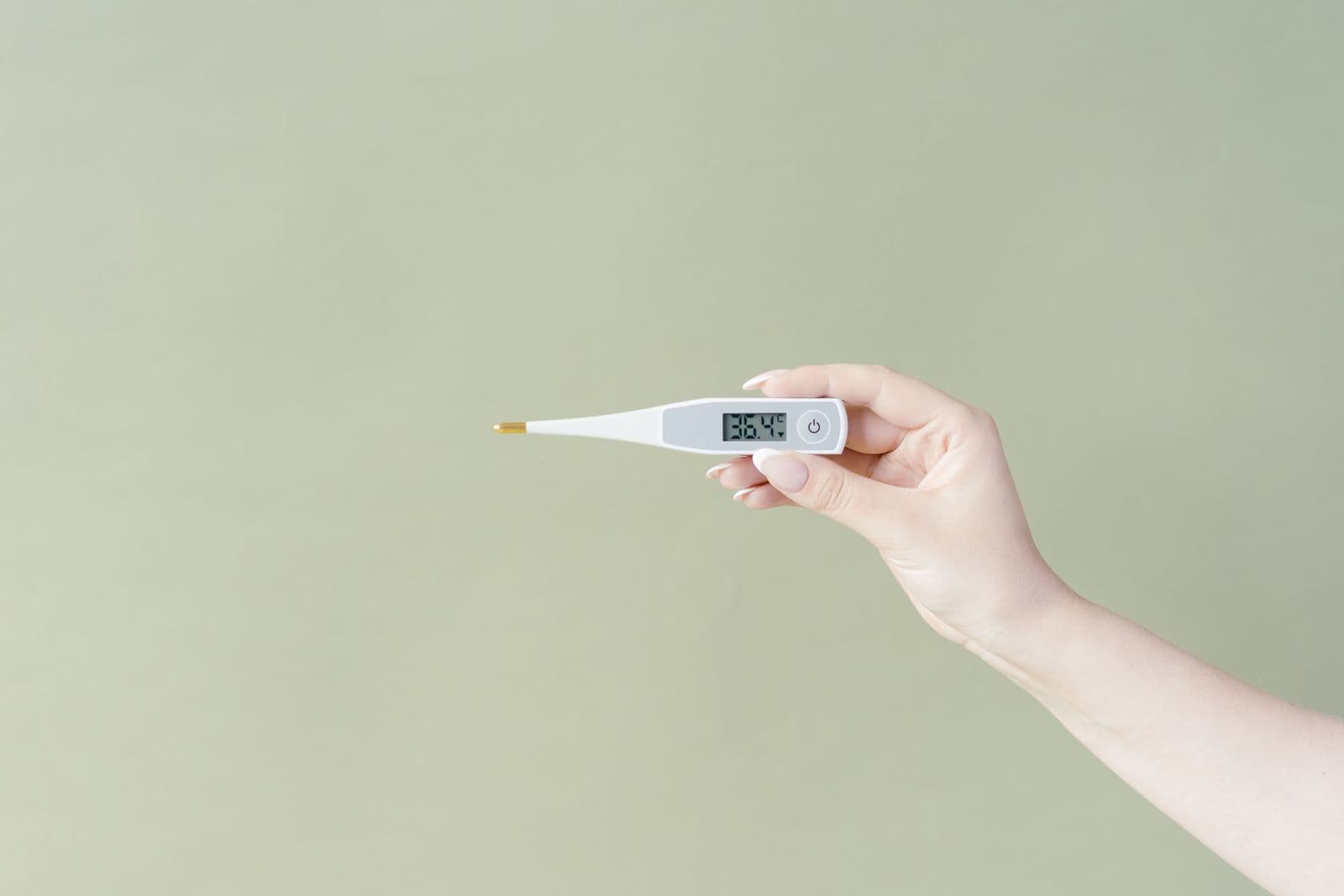
- Fever that rises step by step over several days, reaching 39–40 °C
- Headache
- Weakness and tiredness
- Abdominal pain
- Constipation or diarrhoea
- Poor appetite
Many other illnesses cause fever in Bangladesh, including dengue, so typhoid cannot be diagnosed from symptoms alone. See our guide to fever in adults for first steps.
Typhoid is most common where sanitation and safe water are limited, and it affects children and adults alike. Street food, uncovered food, and drinks with ice of unknown source are common risks, and so is eating from kitchens where staff do not wash their hands. Cases can occur at any time of year, but they often rise in hot, humid months and after floods when water supplies are contaminated.
How is typhoid diagnosed?
Blood culture is the best test, especially in the first week of illness. The Widal test is widely used but is unreliable in areas where typhoid is common, because it can be falsely positive from past infection or other causes. Ask your doctor which test is appropriate for you, and which lab tests to do.
What tests will the doctor order and what do the results mean?
| Test | Best time | What the result means |
|---|---|---|
| Blood culture | Week 1, before any antibiotic | Positive confirms typhoid and, 2–3 days later, shows which antibiotics work. Negative does not rule it out, especially after antibiotics. |
| Widal test | From the end of week 1 | Antibody test. Positive from past infection, vaccination or other fevers; negative early on. A single result cannot diagnose typhoid, and CDC does not recommend it. |
| CBC (complete blood count) | Any time | White cells often normal or low. Helps rule out other causes such as dengue. |
| TyphiDot and other rapid tests | From week 1 | Variable accuracy; a positive result still needs a doctor's judgement. |
| Stool or urine culture | Weeks 2–3, and for carriers | Less often positive; checks whether someone is still shedding bacteria. |
If a lab offers only a Widal test, ask your doctor about a blood culture before starting any antibiotic.
How does untreated typhoid progress week by week?
- Week 1: fever climbs step by step, with headache, body aches, dry cough and poor appetite. Blood culture works best now.
- Week 2: fever stays at 39–40 °C, with abdominal pain and bloating, constipation or diarrhoea, sometimes pink spots on the trunk.
- Week 3: the dangerous week: intestinal bleeding, perforation or confusion can occur.
- Week 4: slow recovery if no complication has occurred.
The right antibiotic cuts this short: fever usually settles in about 3–5 days and recovery follows over 1–2 weeks. Untreated, it can last a month with a far higher risk of death.
How is typhoid treated?
Typhoid is treated with antibiotics chosen by a doctor. Antibiotic resistance is a serious problem in South Asia, so the right antibiotic depends on the local pattern and your test results.
- Never take leftover or self-chosen antibiotics.
- Never stop the course early, even if the fever settles.
Supportive care helps recovery: rest, plenty of fluids, a soft nutritious diet, and paracetamol for fever, such as Napa 500 mg for adults within the daily limit. Most people recover fully with proper treatment. A few become carriers who keep shedding bacteria, so food handlers must be treated and checked before returning to work. Mild diarrhoea during illness can be managed with ORS, as explained in our guide to diarrhoea, ORS and zinc.
Fever may take several days to settle even after the right antibiotic is started, so do not change medicines on your own if you do not feel better on day one. Eat small, soft, nutritious meals such as rice porridge, khichuri, lentil soup, egg, banana and yoghurt, and drink fluids steadily. If the fever returns after you finish the course, tell your doctor, because relapse can happen and needs reassessment.
Antibiotic resistance in South Asia
Salmonella Typhi in this region has resisted the older antibiotics (chloramphenicol, ampicillin, co-trimoxazole) for decades, and ciprofloxacin resistance is now very common. Since 2016 Pakistan has had an outbreak of extensively drug-resistant (XDR) typhoid that also resists ceftriaxone, leaving few options beyond azithromycin or hospital-only injectables. Every unnecessary or incomplete course in Bangladesh pushes our bacteria the same way. Ciprofloxacin or cefixime bought over the counter may not work, delays the right treatment and breeds resistance.
Typhoid carriers
About 1–4 in 100 people keep carrying the bacteria, often in the gallbladder, for over a year after recovery and shed them in stool without feeling ill. Carriers who cook or serve food start new infections, so food handlers may need stool cultures after treatment; a carrier needs a longer antibiotic course.
Typhoid is one of the clearest examples of why antibiotics must be used properly; read antibiotics: when to take them and why resistance matters.
What are the complications of typhoid and when should I see a doctor?
Complications usually appear in the second or third week and include intestinal bleeding and perforation (a hole in the bowel). Never delay care. Go to hospital or call 999 immediately for:
- Severe or worsening abdominal pain
- Blood in the stool, or black stools
- Confusion or extreme drowsiness
- Persistent vomiting or signs of dehydration
- Fever that is not improving after a few days of treatment
- Cold hands and feet, or fainting
- A swollen, rigid abdomen that hurts to touch
Anyone with a fever lasting more than 3 days should be examined. You can consult a doctor online to decide on tests, but severe symptoms need hospital care.
If someone in the house has typhoid, they should use their own towel, wash hands carefully after the toilet, and not prepare food for others until the doctor says it is safe. Clean toilets and bathrooms with a disinfectant, and wash soiled clothes and bedding separately in hot water. Wash hands before preparing food for the family.
Which typhoid vaccines are available?
The typhoid conjugate vaccine (TCV) is WHO's preferred vaccine: a single injection from 6 months of age, WHO-prequalified since 2017, with longer protection than the older Vi polysaccharide injection (from 2 years) or oral capsule (from 6 years), which need boosters. Bangladesh ran a nationwide TCV campaign for children aged 9 months to under 15 years in late 2025 and is adding TCV to the routine EPI schedule for infants; ask your EPI centre or doctor what is available now. Adults can get TCV at private clinics. No vaccine covers paratyphoid.
Food and water safety checklist for Dhaka
- Boil drinking water for at least 1 minute or use a proper filter; do not trust jar water from an unknown supplier.
- Skip ice in drinks outside the home, and sugarcane juice and sharbat from street stalls.
- Avoid fuchka, chotpoti, cut fruit and salads from street carts; the water, hands and tamarind sauce carry the germs.
- Eat cooked food hot; food left uncovered for hours is the risk.
- Wash and peel fruit yourself; soak leafy greens in clean water.
- Wash hands with soap before eating or cooking and after the toilet.
Common myths and questions in Bangladesh
Only poor or unhygienic people get typhoid
No. Anyone who eats or drinks something contaminated can be infected, from a street cart or an expensive restaurant whose staff did not wash their hands. Food handling matters, not social class.
A positive Widal test means I have typhoid
Not on its own. Many healthy people in Bangladesh have a positive Widal from past exposure, and other fevers raise it too. Blood culture and a doctor's examination decide.
The fever is gone, so I can stop the antibiotics
No. The bacteria survive inside cells for days after the fever settles. Stopping early is the main cause of relapse and resistant typhoid, so finish every dose.
How can I prevent typhoid?
- Drink safe water: boiled or properly treated.
- Wash hands with soap after using the toilet and before eating or cooking.
- Avoid raw salads, pre-cut fruit and ice from uncertain sources.
- Cook food thoroughly, eat it hot, and keep kitchens and utensils clean.
- Consider the typhoid conjugate vaccine. WHO recommends it in areas where typhoid is common. Ask a doctor whether it suits you or your child.
Typhoid, dengue, malaria and ordinary viral fever can all look alike in the first days, which is why a blood test matters. Do not assume a long fever is typhoid just because a neighbour had it, and do not stop looking for another cause if treatment does not help.
References
- Typhoid - WHO
- About Typhoid Fever and Paratyphoid Fever - CDC
- Typhoid fever - NHS
- Clinical Guidance for Typhoid Fever and Paratyphoid Fever - CDC
- Typhoid vaccines - WHO Immunization, Vaccines and Biologicals
- Bangladesh launches nationwide typhoid conjugate vaccine campaign - UNICEF Bangladesh
This article is for general awareness only and is not a substitute for a doctor's advice, diagnosis or treatment.