
Quick answer: A cold comes on gradually with a runny nose and sore throat, and lasts 7–10 days. Flu starts suddenly with high fever, body aches and tiredness, and lasts 1–2 weeks. An allergy causes repeated sneezing, clear watery nose and itchy eyes with no fever, and continues as long as you are exposed to the trigger. Antibiotics do not work on colds or flu.
How can I tell a cold, flu and allergy apart?
| Feature | Common cold | Flu (influenza) | Allergic rhinitis |
|---|---|---|---|
| Onset | Gradual, over 1–2 days | Sudden, within hours | Sudden, on contact with a trigger |
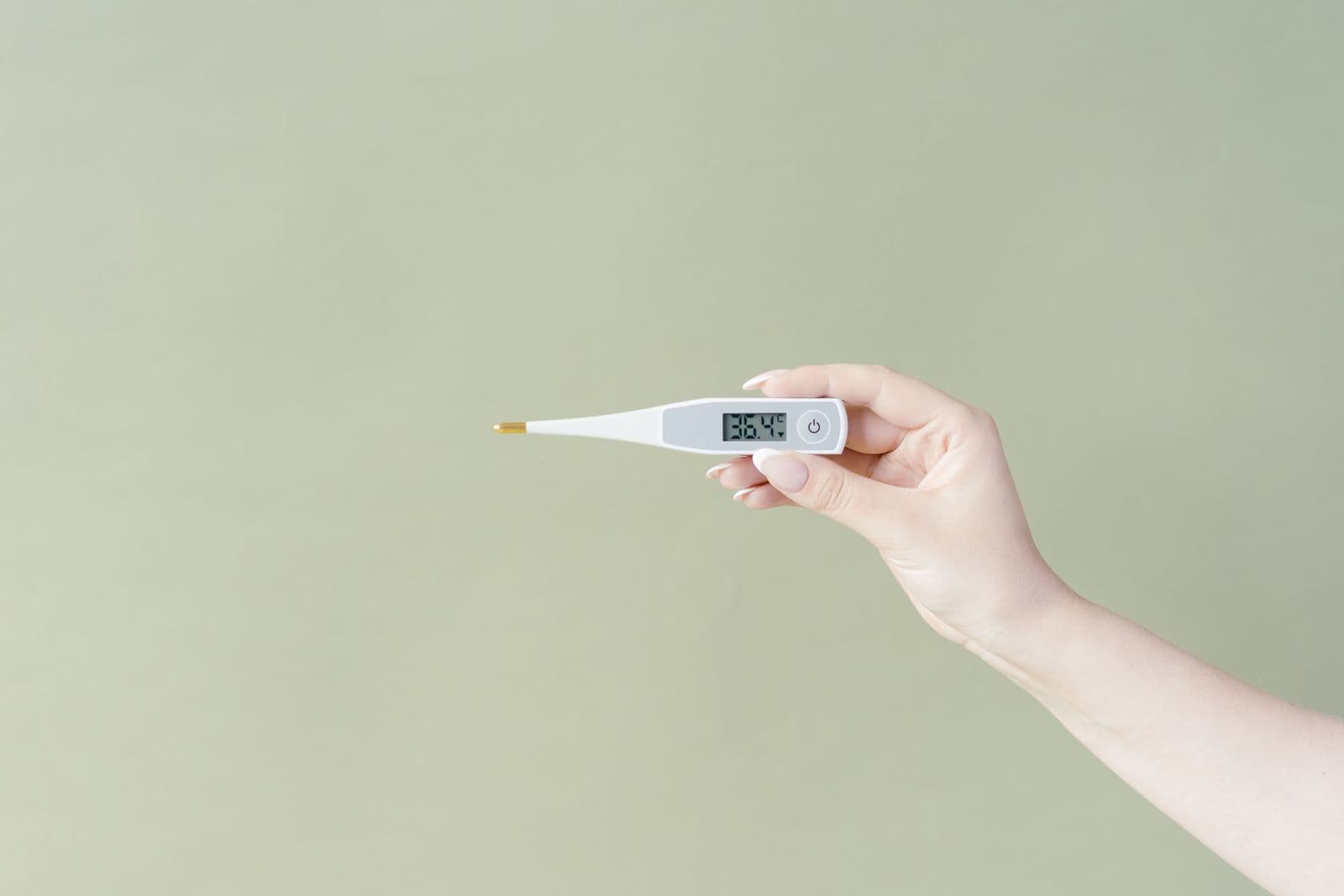
| Fever | Rare or mild | Common and high | None |
| Aches and tiredness | Mild | Marked body aches, chills, exhaustion | None |
| Sneezing and itchy eyes | Sneezing is common; itchy eyes are unusual | Less common | Repeated sneezing, itchy nose and eyes, clear watery discharge |
| Duration | 7–10 days | 1–2 weeks | As long as exposure continues |
Typical allergy triggers are dust mites, pollen, mould, pets and smoke.
How should I treat a cold or flu at home?
Colds and flu are caused by viruses, so antibiotics do not help. Care is aimed at comfort while your body recovers:
- Rest and drink plenty of fluids and warm drinks.
- Use saline nasal drops or a saline rinse, and breathe steam from a bowl of hot water carefully.
- Use paracetamol for fever and aches. Adults can use Napa 500 mg; see our guide to paracetamol dose and fever for limits.
- Honey in warm water may ease a cough, but only for children over 12 months. Evidence is modest.
- Children under 6 should not be given over-the-counter cough and cold medicines unless a doctor says so.
Doctors sometimes cannot tell a cold from flu by symptoms alone, and tests are not always needed for healthy adults. Sore throat, cough and blocked nose can also come with other infections, and in dengue season a high fever with body aches should not simply be labelled as flu. If symptoms are severe or unusual for you, get checked.
Colds and flu are viral, so antibiotics will not shorten them; see when antibiotics are actually needed.
Who should see a doctor early with flu?
People at higher risk of complications should contact a doctor early, because prescription antiviral treatment works best when started within 48 hours of symptoms. This applies to:
- Pregnant women
- People aged 65 and over
- Young children
- People with diabetes, asthma, or heart, kidney or lung disease
An annual flu vaccine is the best prevention. Dengue can look like flu at the start, so if fever is high and your area has dengue, read about dengue symptoms and warning signs.
Cold and flu spread by droplets and contaminated hands. To protect others, wash hands often with soap, cough or sneeze into your elbow or a tissue, stay home while you have a fever, and avoid sharing towels and cups. A mask helps when you must be near vulnerable people such as newborns, pregnant women or older relatives.
How do I manage an allergy?
- Avoid triggers: wash bedding in hot water weekly, damp-dust rather than sweep, wear a mask in dusty areas, and keep windows closed when dust or pollen is high.
- Use a saline nasal rinse to clear allergens.
- Take a second-generation, non-sedating antihistamine such as fexofenadine, cetirizine or loratadine. Fexo 120 mg (fexofenadine) is available over the counter; follow the pack or your doctor's advice for the dose. Take fexofenadine with water, not fruit juice, which reduces its absorption.
- A doctor can prescribe a nasal steroid spray if symptoms are persistent.
The same antihistamines can also help hives (urticaria).
If allergy symptoms keep returning or disturb sleep, work or school, a doctor can confirm the diagnosis, suggest allergy testing to identify triggers and advise longer-term treatment. Children with a constantly blocked nose, snoring or repeated ear problems should also be assessed rather than treated with medicines from the shop.
Wheezing, chest tightness or a cough that lingers for weeks after every cold can be asthma; read asthma symptoms, inhaler technique and when to get help.
When should I see a doctor?
Call 999 or go to emergency care at once for swelling of the lips, face or tongue, difficulty breathing or throat tightness. This may be anaphylaxis. See a doctor promptly for:
- Wheeze, breathlessness or chest pain, or if you have asthma and symptoms worsen
- Fever beyond 3–5 days, or fever that goes away and returns
- Ear pain
- Sinus symptoms lasting more than 10 days
- Symptoms in a high-risk person, as listed above
If you are unsure what is causing your symptoms, talk to a doctor online.
Smoking and indoor smoke from cooking fires or incense can worsen both colds and allergies, so keep the home well ventilated and smoke-free. If you are unsure whether to take a medicine, ask a pharmacist, especially if you are pregnant, breastfeeding or already taking other tablets.
References
This article is for general awareness only and is not a substitute for a doctor's advice, diagnosis or treatment.