8% Off
Cleocin150 mg
Healthcare Pharmaceuticals Ltd.
৳9.20
Add to cart
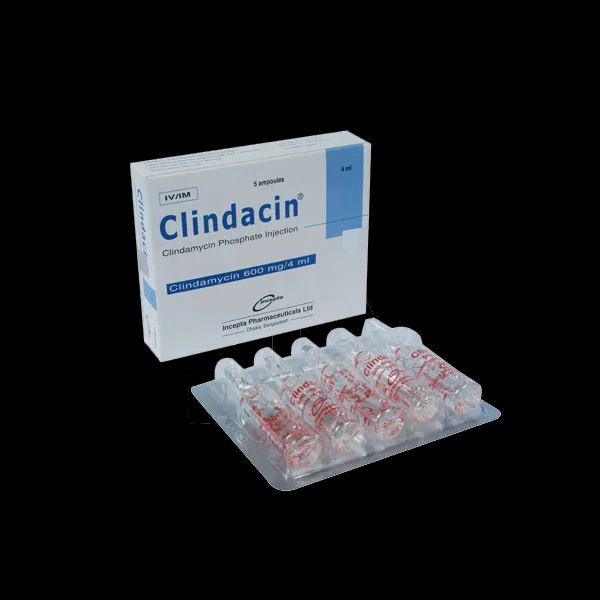
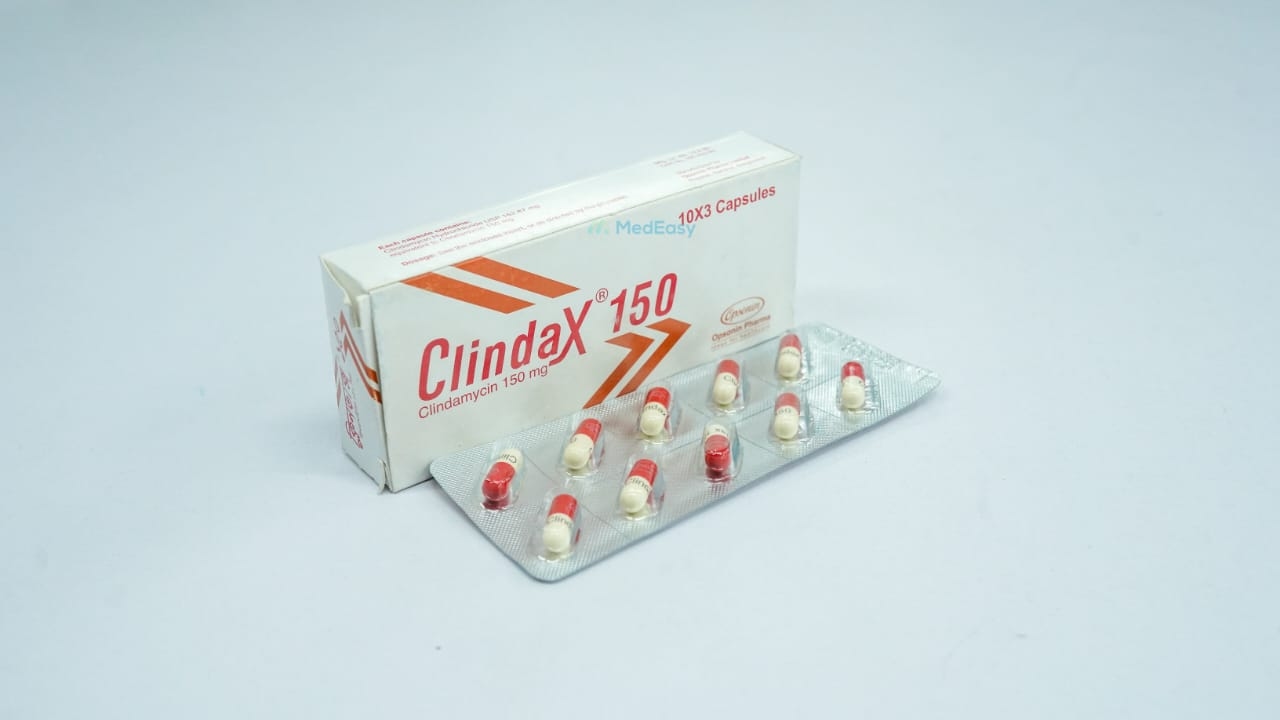
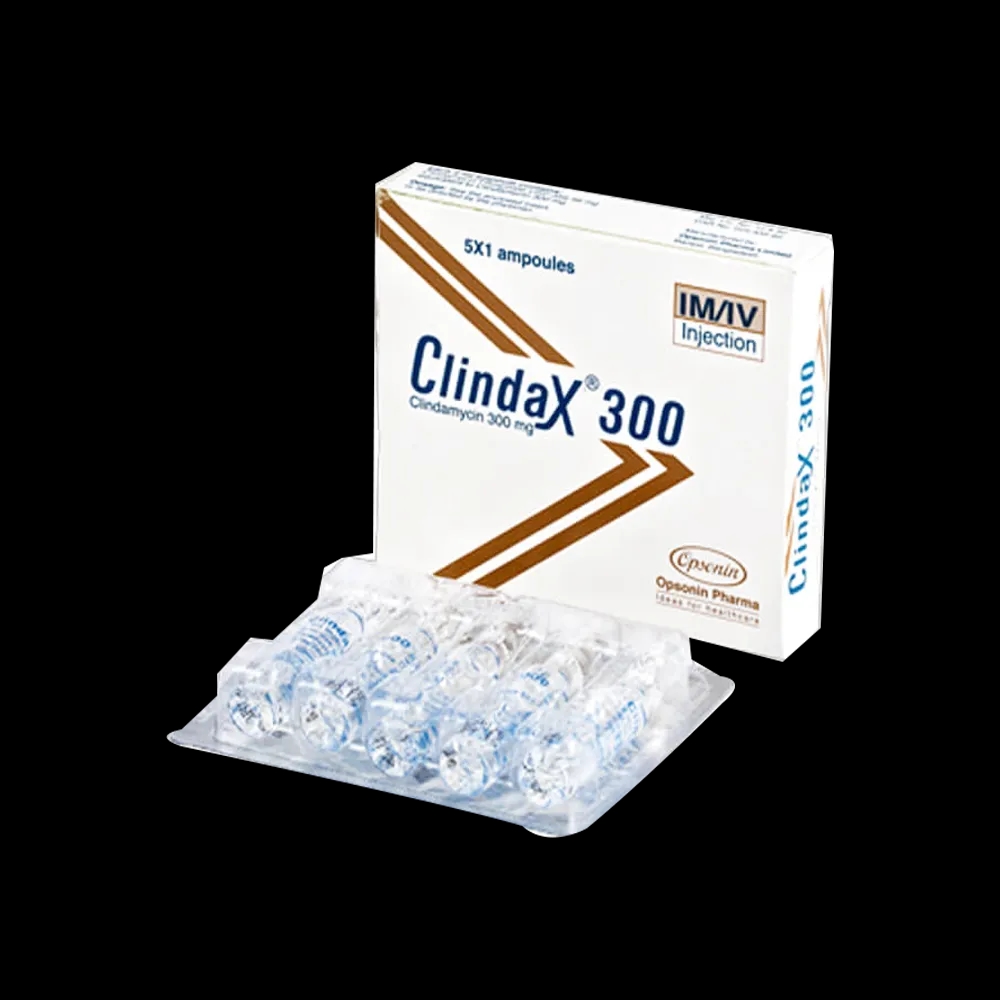
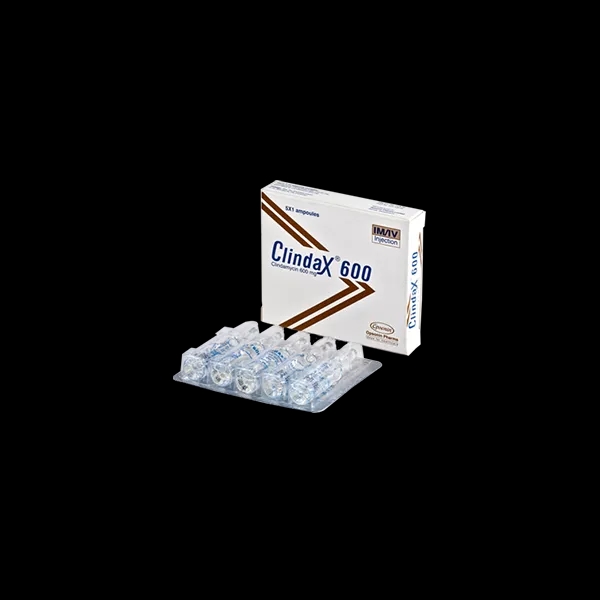
Clindamycin [Oral/Injection] is a lincosamide antibiotic used to treat infections caused by susceptible anaerobic bacteria and certain gram-positive aerobic bacteria.
Clindamycin [Oral/Injection] is a lincosamide antibiotic used to treat infections caused by susceptible anaerobic bacteria and certain gram-positive aerobic bacteria. Indications are classified below by strength of evidence.
Clindamycin [Oral/Injection] is not effective for meningitis because it does not adequately cross the blood-brain barrier, and it should not be used for non-bacterial infections such as the common cold.
Dosage of Clindamycin [Oral/Injection] should be individualized according to the severity of infection, the causative organism, and patient factors such as age, weight, and renal/hepatic function.
| Severity | Dose |
|---|---|
| Moderate/serious infections | 150–300 mg every 6 hours |
| More severe infections | 300–450 mg every 6 hours |
| Severity | Dose |
|---|---|
| Serious infections | 600–1200 mg/day in 2–4 equally divided doses |
| More severe infections | 1200–2700 mg/day in 2–4 equally divided doses, under close monitoring |
| Age group | Dose |
|---|---|
| Neonates (<1 month) | 15–20 mg/kg/day IV/IM in 3–4 equally divided doses |
| 1 month–16 years (IV/IM, serious infections) | 20–40 mg/kg/day in 3–4 equally divided doses |
| Oral (weighing >10 kg) | Approximately 8–25 mg/kg/day in 3–4 divided doses, depending on severity |
Oral capsules should be swallowed whole with a full glass of water to reduce the risk of esophageal irritation. Injectable Clindamycin [Oral/Injection] must be diluted and given by slow intravenous infusion (not exceeding 30 mg/minute) or by deep intramuscular injection (no more than 600 mg per injection site); it must never be given as a rapid IV bolus.
Clindamycin [Oral/Injection] should be taken exactly as prescribed by your physician; do not stop, extend, skip doses, or share this medicine with others without medical advice, as inappropriate use can promote antibiotic resistance and increases the risk of C. difficile-associated diarrhea (see Precautions and Warnings).
Common side effects of Clindamycin [Oral/Injection] include:
Less common but serious effects include severe hypersensitivity reactions (including anaphylaxis, Stevens-Johnson syndrome, toxic epidermal necrolysis), hepatotoxicity, and Clostridioides difficile-associated diarrhea/colitis — see Precautions and Warnings for full details and warning signs that require urgent medical attention.
Clindamycin [Oral/Injection] is contraindicated in patients with known hypersensitivity to clindamycin, lincomycin, or any component of the formulation.
Disclaimer
The information provided is accurate to the best of our knowledge, but it does not replace professional medical advice. We cannot guarantee its completeness or accuracy, and the absence of specific information about a drug should not be taken as an endorsement. We are not responsible for any consequences arising from this information, so please consult a healthcare professional for any concerns or questions.