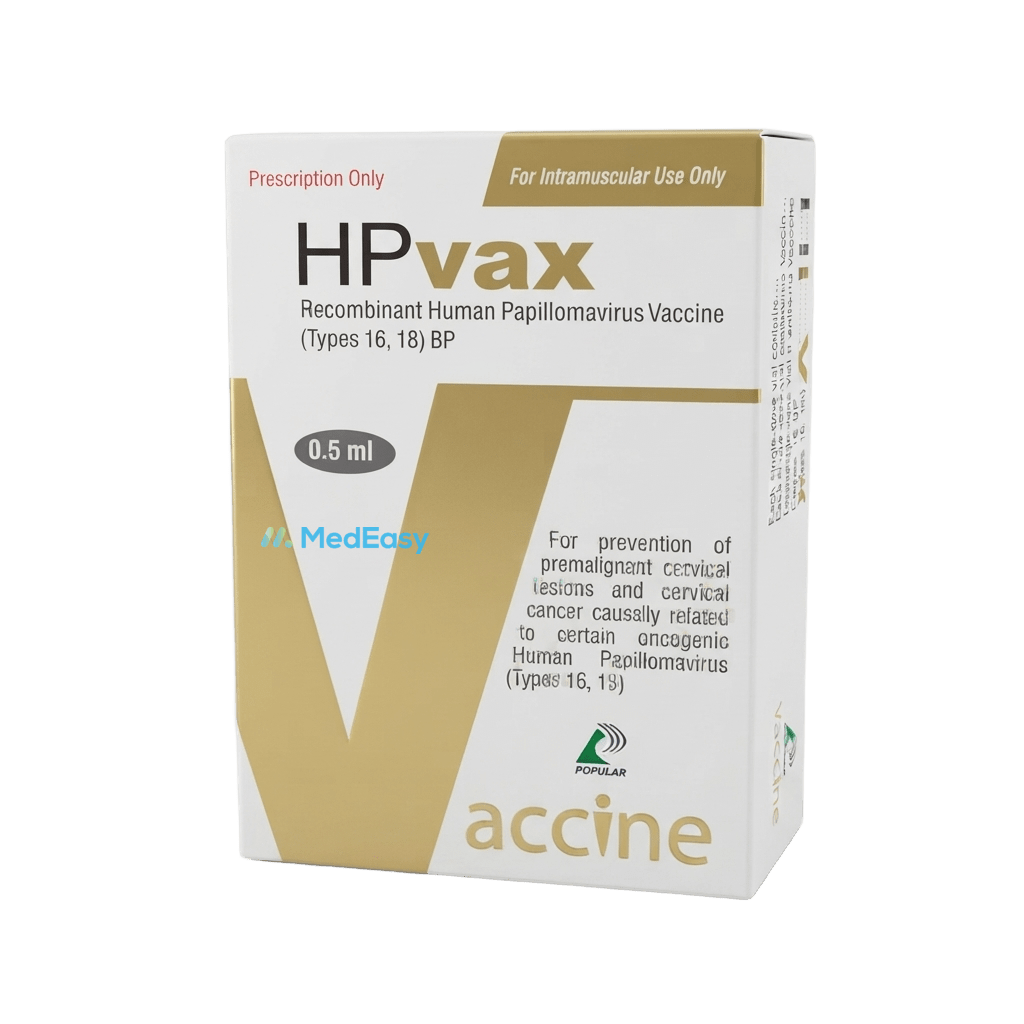
Generic medicine

Human Papillomavirus Bivalent: Brands, Price & Uses in Bangladesh

The Human Papillomavirus Bivalent vaccine is indicated for active immunization to prevent the following diseases caused by Human Papillomavirus (HPV) types 16 and 18: Established/FDA-approved use:…

Forms:IM Injection

About Human Papillomavirus Bivalent

Indications of Human Papillomavirus Bivalent

The Human Papillomavirus Bivalent vaccine is indicated for active immunization to prevent the following diseases caused by Human Papillomavirus (HPV) types 16 and 18:

  • Established/FDA-approved use: Cervical cancer caused by HPV types 16 and 18.
  • Established/FDA-approved use: Cervical intraepithelial neoplasia (CIN) grade 2 or worse and adenocarcinoma in situ caused by HPV types 16 and 18.
  • Established/FDA-approved use: Cervical intraepithelial neoplasia (CIN) grade 1 caused by HPV types 16 and 18.
  • Guideline-supported use: Routine immunization of adolescent girls per WHO and national immunization program recommendations, typically administered before the onset of sexual activity.

Human Papillomavirus Bivalent is a prophylactic (preventive) vaccine only. It is not indicated, and has no demonstrated benefit, for treatment of existing HPV infection, existing cervical lesions, or cervical cancer. It also does not protect against HPV types other than 16 and 18, so routine cervical cancer screening should continue as recommended by local guidelines even after vaccination.

Dosage & Administration of Human Papillomavirus Bivalent

Human Papillomavirus Bivalent is administered only by intramuscular injection, preferably into the deltoid region of the upper arm, by a trained healthcare professional. It must never be given intravenously, subcutaneously, or intradermally.

PopulationRecommended Schedule
Adolescents and adults aged 15-25 years3 doses of 0.5 mL each, given at 0, 1, and 6 months
Girls aged 9-14 years (per WHO and many national immunization programs)2 doses of 0.5 mL each, given at 0 and 6 months; a single-dose schedule is also endorsed by WHO in eligible national programs

If flexibility in the schedule is required, the second dose may be given between 1 and 2.5 months after the first, and the third dose between 5 and 12 months after the first. The same vaccine product should be used to complete the full series whenever possible. The vaccine (prefilled syringe or vial) should be shaken well before use to ensure a uniform, slightly opalescent white suspension, and inspected visually for particulate matter or discoloration before administration.

Side Effects of Human Papillomavirus Bivalent

The most commonly reported side effects of Human Papillomavirus Bivalent are generally mild to moderate and self-limiting.

  • Very common: Pain, redness, and swelling at the injection site; headache; myalgia (muscle pain); fatigue.
  • Common: Gastrointestinal symptoms (nausea, vomiting, diarrhea, abdominal pain); fever; dizziness; itching or rash at the injection site.
  • Uncommon: Upper respiratory tract infection; urticaria (hives).
  • Rare but serious: Syncope (fainting), sometimes accompanied by jerking movements, can occur after any injection, particularly in adolescents - see Precautions and Warnings. Severe allergic reactions, including anaphylaxis, have also been reported rarely.

Contraindications of Human Papillomavirus Bivalent

Human Papillomavirus Bivalent is contraindicated in individuals with:

  • A history of severe allergic reaction (e.g., anaphylaxis) to any component of the vaccine.
  • A history of a severe allergic reaction after a previous dose of Human Papillomavirus Bivalent.

Vaccination should be deferred (not permanently withheld) in individuals with moderate or severe acute illness, with or without fever, until the condition has resolved.

Frequently Asked Questions about Human Papillomavirus Bivalent

What is Human Papillomavirus Bivalent used for?

Human Papillomavirus Bivalent is a vaccine used to prevent cervical cancer and precancerous cervical lesions caused by HPV types 16 and 18. It is a preventive vaccine and does not treat existing HPV infection or cervical cancer.

At what age should Human Papillomavirus Bivalent be given?

Human Papillomavirus Bivalent is approved from 9 years of age, and it works best when given before the start of sexual activity. Girls aged 9-14 years typically receive 2 doses (0 and 6 months), while those aged 15-25 years receive 3 doses (0, 1, and 6 months).

Is Human Papillomavirus Bivalent safe during pregnancy?

Human Papillomavirus Bivalent is not recommended during pregnancy. If pregnancy occurs during the vaccination series, remaining doses should be postponed until after delivery; accidental vaccination during early pregnancy is not considered a reason for concern or termination, but a physician should always be consulted.

What are the common side effects of Human Papillomavirus Bivalent?

The most common side effects of Human Papillomavirus Bivalent are pain, redness, and swelling at the injection site, along with headache, muscle pain, and fatigue. Fainting can occasionally occur after injection, so patients are usually observed for about 15 minutes afterward.

Does Human Papillomavirus Bivalent replace cervical cancer screening?

No. Human Papillomavirus Bivalent only protects against HPV types 16 and 18, not all cancer-causing HPV types, so routine cervical cancer screening (such as Pap smear or HPV testing) should continue as recommended by a physician even after vaccination.

Who should not receive Human Papillomavirus Bivalent?

Human Papillomavirus Bivalent should not be given to anyone with a history of a severe allergic reaction (anaphylaxis) to any component of the vaccine or after a previous dose. Vaccination should be postponed in anyone with moderate or severe acute illness until they have recovered.

Disclaimer

The information provided is accurate to the best of our knowledge, but it does not replace professional medical advice. We cannot guarantee its completeness or accuracy, and the absence of specific information about a drug should not be taken as an endorsement. We are not responsible for any consequences arising from this information, so please consult a healthcare professional for any concerns or questions.

DoctorBlogArticles