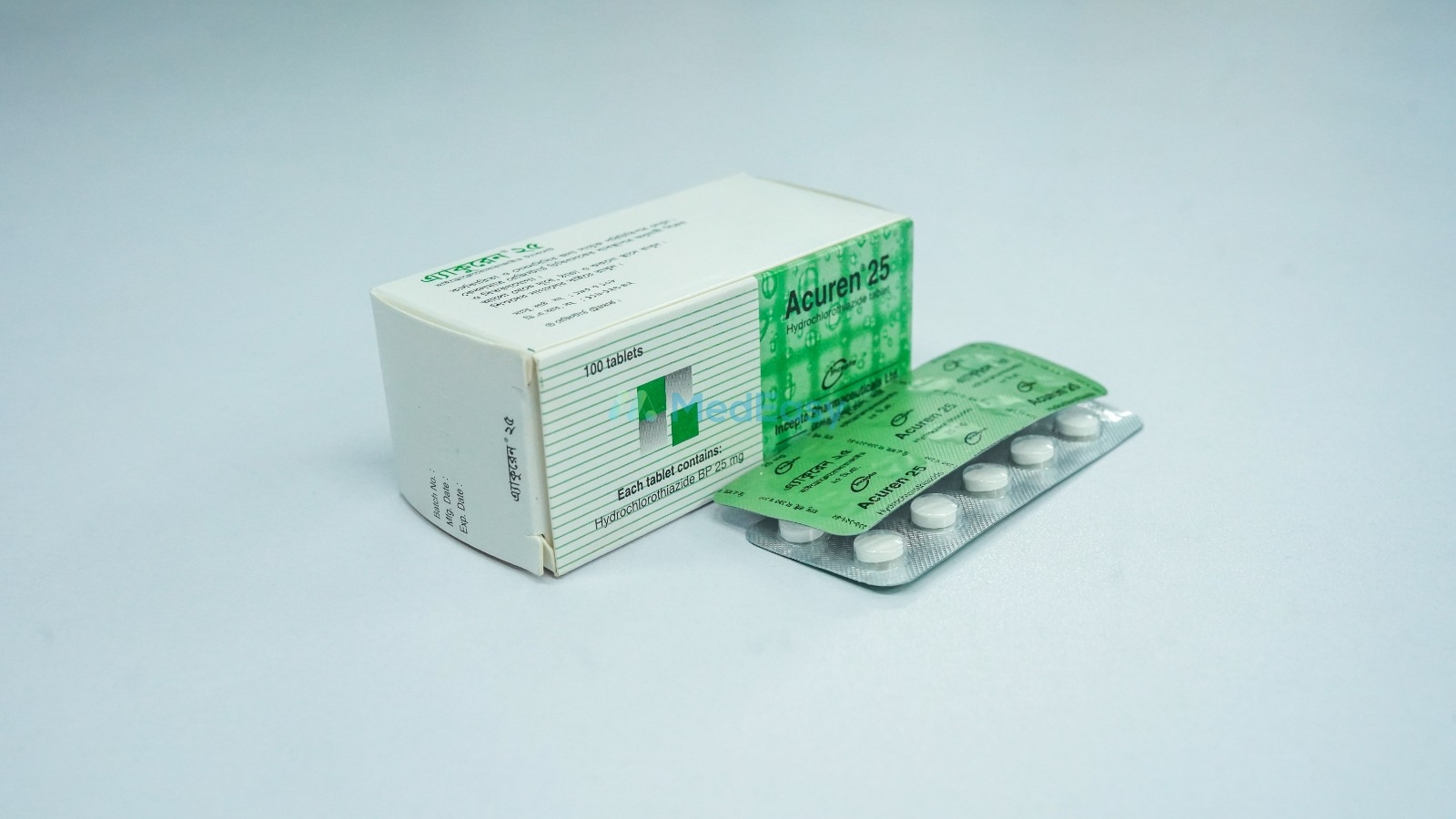
Generic medicine

Hydrochlorothiazide: Brands, Price & Uses in Bangladesh

Hydrochlorothiazide is a thiazide diuretic indicated for: Hypertension (established/approved use): Management of high blood pressure and more.

Forms:Tablet

About Hydrochlorothiazide

Indications of Hydrochlorothiazide

Hydrochlorothiazide is a thiazide diuretic indicated for:

  • Hypertension (established/approved use): Management of high blood pressure, either as sole therapy or in combination with other antihypertensive agents. It is widely recommended as a first-line or add-on option in current hypertension guidelines.
  • Edema (established/approved use): Treatment of fluid retention (edema) associated with congestive heart failure, hepatic cirrhosis, corticosteroid and estrogen therapy, and renal dysfunction, including nephrotic syndrome, acute glomerulonephritis, and chronic renal failure.

Off-label uses (supported by clinical practice/guidelines in select cases, not a primary FDA-approved indication):

  • Prevention of recurrent calcium-containing kidney stones in patients with idiopathic hypercalciuria.
  • Management of nephrogenic diabetes insipidus, where Hydrochlorothiazide paradoxically reduces urine volume.
  • Adjunct reduction of urinary calcium loss in selected patients with osteoporosis.

Dosage & Administration of Hydrochlorothiazide

Adult Dosage

IndicationRecommended Dose
HypertensionInitial 12.5-25 mg orally once daily. May be increased up to 50 mg once daily if blood pressure is not adequately controlled; higher doses increase the risk of electrolyte disturbances without much added benefit.
Edema (heart failure, hepatic cirrhosis, renal disease, corticosteroid/estrogen therapy)25-100 mg daily, given as a single dose or in two divided doses. Some patients may require up to 200 mg/day for a short period to initiate diuresis.

Pediatric Dosage

AgeRecommended Dose
Infants under 6 monthsUp to 3.3 mg/kg/day in two divided doses.
Infants and children up to 2 years1-2 mg/kg/day in two divided doses (maximum 37.5 mg/day).
Children 2 to 12 years1-2 mg/kg/day in two divided doses (maximum 100 mg/day).

Dose Adjustment

  • Renal impairment: Hydrochlorothiazide becomes less effective as kidney function declines and is generally not recommended when creatinine clearance is below 30 mL/min, except when used together with a loop diuretic.
  • Hepatic impairment: Use with caution; electrolyte or fluid shifts caused by Hydrochlorothiazide can precipitate hepatic coma in patients with cirrhosis (see Precautions and Warnings).
  • Elderly: Start at the lower end of the dosing range due to increased sensitivity to blood pressure and electrolyte effects.

Side Effects of Hydrochlorothiazide

Common Side Effects

  • Increased frequency of urination (an expected effect of Hydrochlorothiazide)
  • Dizziness or lightheadedness, especially when starting treatment or standing up quickly
  • Headache
  • Low blood potassium (hypokalemia)
  • Upset stomach, loss of appetite
  • Muscle cramps

Less Common but Serious Side Effects

  • Significant electrolyte imbalances (low sodium, low magnesium, high calcium)
  • Gout flare (due to raised uric acid)
  • Allergic skin reactions, photosensitivity (increased sunburn risk)
  • Sudden decrease in vision or eye pain (acute myopia or angle-closure glaucoma) - requires immediate medical attention and discontinuation of Hydrochlorothiazide
  • Non-melanoma skin cancer with long-term, high cumulative dose use (see Precautions and Warnings)

Contraindications of Hydrochlorothiazide

Hydrochlorothiazide is contraindicated in:

  • Patients with anuria (inability to produce urine).
  • Patients with known hypersensitivity to Hydrochlorothiazide or to other sulfonamide-derived drugs.

Frequently Asked Questions about Hydrochlorothiazide

What is Hydrochlorothiazide used for?

Hydrochlorothiazide is mainly used to treat high blood pressure (hypertension) and to reduce fluid retention (edema) caused by conditions such as heart failure, liver disease, kidney disease, or long-term steroid use.

How should I take Hydrochlorothiazide?

Hydrochlorothiazide is taken by mouth, usually once daily in the morning, with or without food. Take Hydrochlorothiazide exactly as prescribed by your physician and do not stop suddenly without medical advice, even if you feel well.

Can Hydrochlorothiazide be used during pregnancy or breastfeeding?

Hydrochlorothiazide should only be used during pregnancy if clearly needed, since it may affect the newborn if used close to delivery; consult your physician before use. Hydrochlorothiazide passes into breast milk, so breastfeeding mothers should also seek medical advice before taking Hydrochlorothiazide.

What are the common side effects of Hydrochlorothiazide?

Common side effects of Hydrochlorothiazide include increased urination, dizziness (especially when starting treatment), headache, and low blood potassium levels. Report severe dizziness, muscle cramps, or irregular heartbeat to your doctor.

Who should not take Hydrochlorothiazide?

Hydrochlorothiazide should not be used by people who are unable to produce urine (anuria) or who are allergic to Hydrochlorothiazide or other sulfonamide-derived medicines.

What should I do if I miss a dose or take too much Hydrochlorothiazide?

If you miss a dose of Hydrochlorothiazide, take it as soon as you remember unless it is close to your next dose. If you suspect you have taken too much Hydrochlorothiazide, seek immediate medical attention or contact a poison control center, as Hydrochlorothiazide overdose can cause dangerous electrolyte imbalances and low blood pressure.

Disclaimer

The information provided is accurate to the best of our knowledge, but it does not replace professional medical advice. We cannot guarantee its completeness or accuracy, and the absence of specific information about a drug should not be taken as an endorsement. We are not responsible for any consequences arising from this information, so please consult a healthcare professional for any concerns or questions.

DoctorBlogArticles