
10% Off
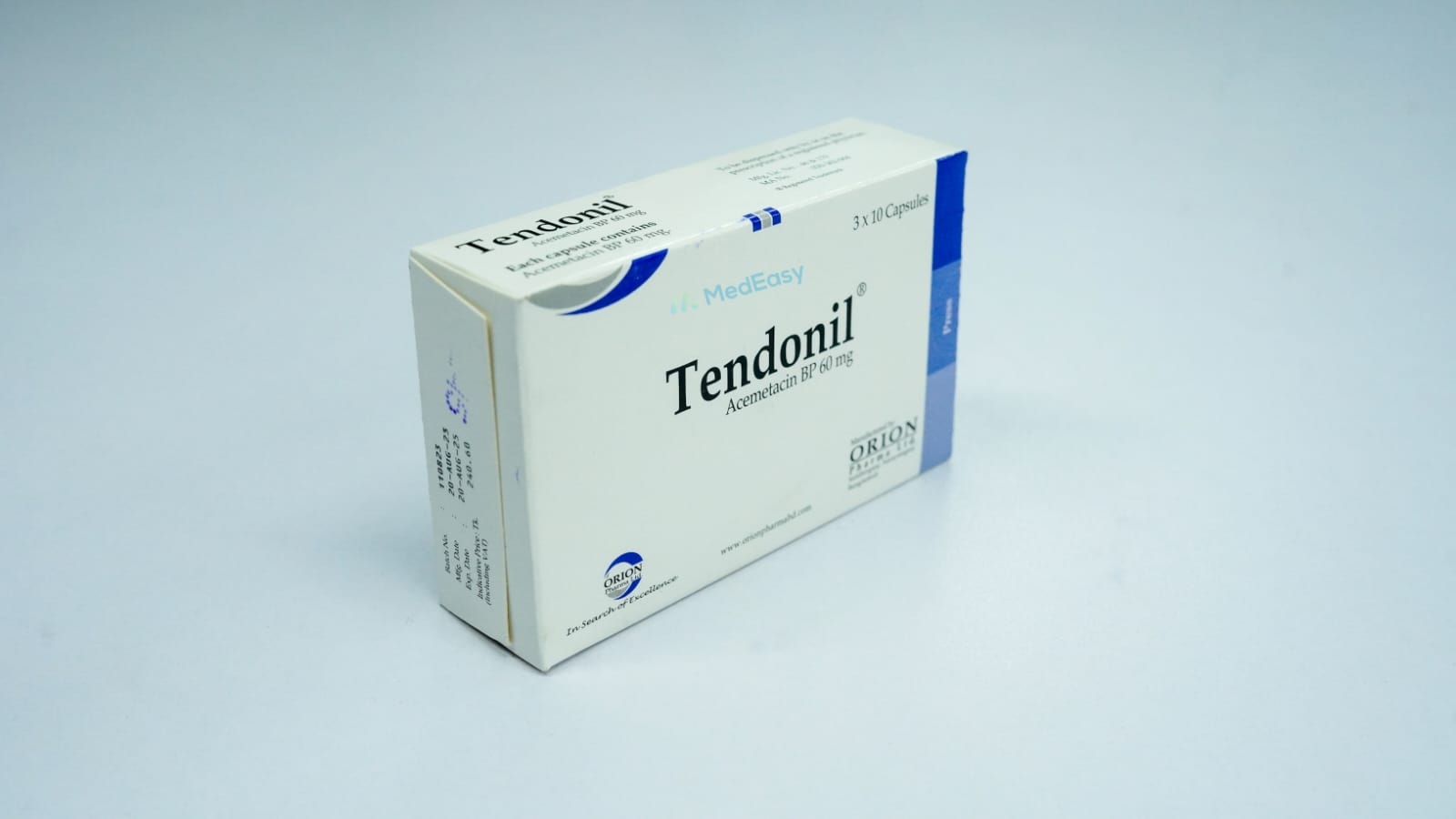
Tendonil60 mg
Orion Pharma Ltd.
৳72.18
Add to cart
Established Uses Acemetacin is a non-steroidal anti-inflammatory drug (NSAID) indicated for the relief of pain and inflammation in the following conditions: Rheumatoid arthritis Osteoarthritis…
Acemetacin is a non-steroidal anti-inflammatory drug (NSAID) indicated for the relief of pain and inflammation in the following conditions:
Acemetacin is not established for chronic use beyond the shortest effective duration, and it is not recommended as a first-line agent for minor, self-limiting pain where paracetamol or topical agents would suffice. Any use outside the indications above should be at the physician's discretion.
| Indication | Usual Adult Dose |
|---|---|
| Rheumatoid arthritis, osteoarthritis, ankylosing spondylitis | 60 mg two or three times daily (120–180 mg/day in divided doses), adjusted to the lowest effective dose based on response |
| Acute low back pain / acute musculoskeletal pain | 60 mg two to three times daily for the shortest period needed to control symptoms, usually not exceeding 1–2 weeks |
| Post-operative pain and inflammation | 60 mg two to three times daily, short course as directed by the physician |
Maximum recommended dose: 180 mg/day. Acemetacin should always be taken exactly as prescribed by a physician; the lowest effective dose should be used for the shortest duration consistent with treatment goals.
Acemetacin capsules should be taken with or immediately after food or milk, swallowed whole with a full glass of water, to reduce the risk of gastrointestinal irritation. Doses should be evenly spaced through the day.
See Use in Special Populations for elderly, renal, hepatic, and pediatric dosing considerations.
Adverse effects of Acemetacin are generally dose- and duration-related and are consistent with the NSAID class.
| Frequency | Effects |
|---|---|
| Very common | Nausea, vomiting, abdominal pain, diarrhea, minor gastrointestinal bleeding |
| Common | Dyspepsia, flatulence, appetite loss, peptic ulcer (occasionally with bleeding or perforation), headache, dizziness, drowsiness, fatigue, elevated liver enzymes |
| Uncommon | Urticaria, fluid retention/edema, alopecia |
| Rare | Hyperkalaemia, confusion, tinnitus, transient hearing impairment |
| Very rare / serious | Gastrointestinal ulceration/perforation, severe hypersensitivity (anaphylaxis, Stevens-Johnson syndrome, toxic epidermal necrolysis), blood dyscrasias (agranulocytosis, aplastic anemia), acute renal failure, hepatic failure, aseptic meningitis, cardiovascular thrombotic events (myocardial infarction, stroke) |
Patients should seek prompt medical attention for signs of gastrointestinal bleeding (black stools, vomiting blood), unexplained bruising, chest pain, sudden weakness, or severe skin reactions.
Acemetacin is contraindicated in patients with:
Disclaimer
The information provided is accurate to the best of our knowledge, but it does not replace professional medical advice. We cannot guarantee its completeness or accuracy, and the absence of specific information about a drug should not be taken as an endorsement. We are not responsible for any consequences arising from this information, so please consult a healthcare professional for any concerns or questions.