Generic medicine

Acetylcysteine: Brands, Price & Uses in Bangladesh

Established / FDA-Approved Uses Mucolytic therapy: Acetylcysteine is indicated as adjuvant therapy for patients with abnormal, viscid and more.

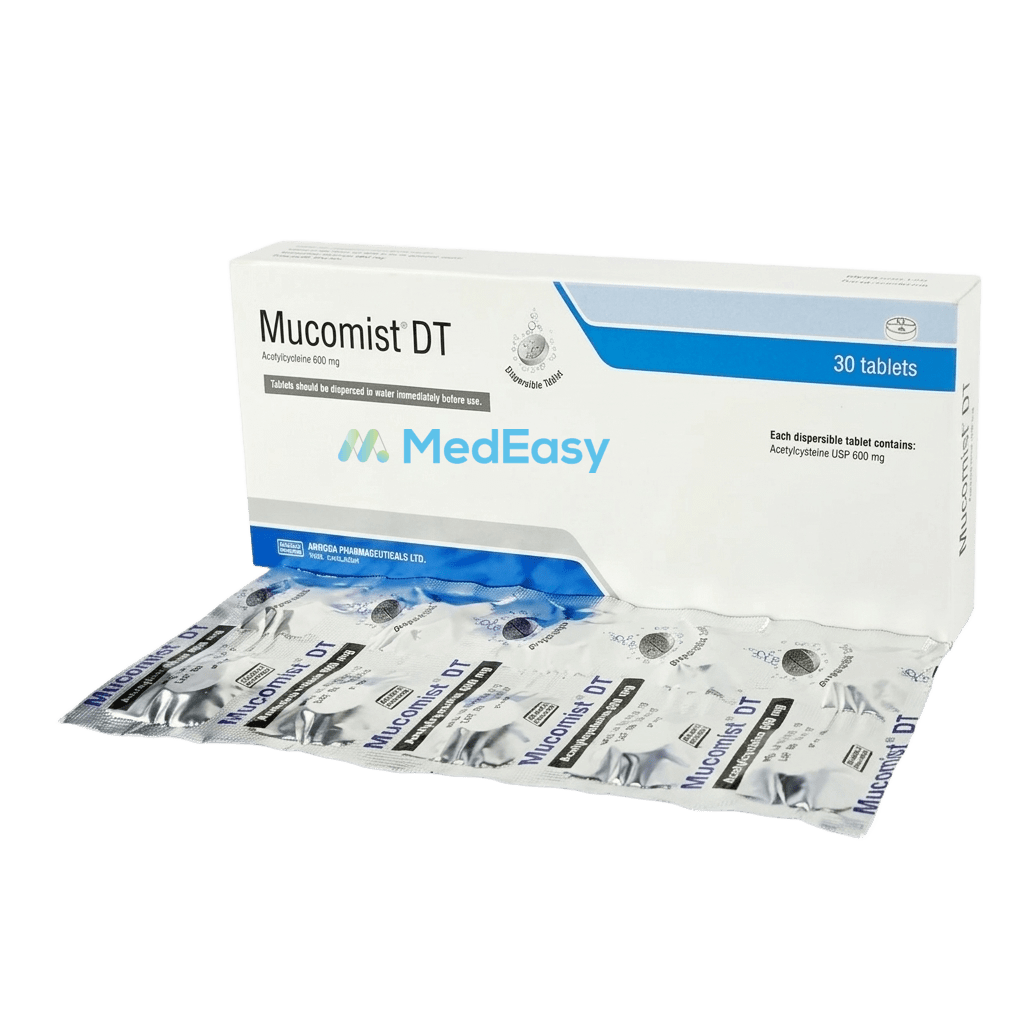
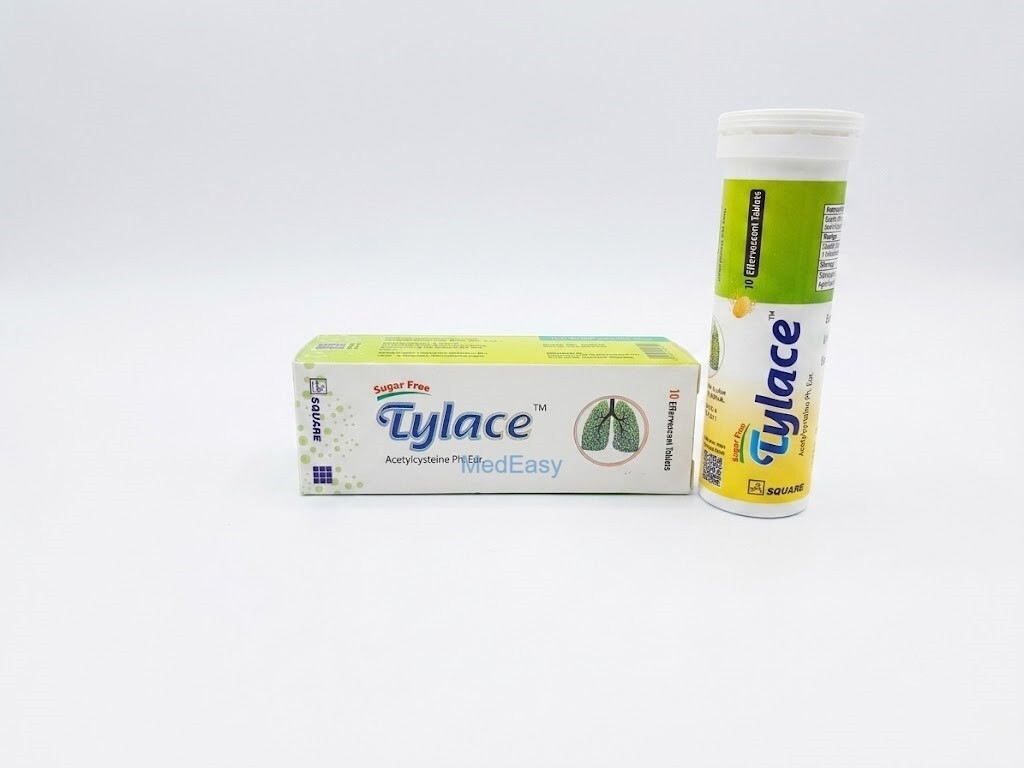
Forms:TabletNebuliser SolutionEffervescent Granules

About Acetylcysteine

Indications of Acetylcysteine

Established / FDA-Approved Uses

  • Mucolytic therapy: Acetylcysteine is indicated as adjuvant therapy for patients with abnormal, viscid, or inspissated mucous secretions in acute and chronic bronchopulmonary diseases, including chronic bronchitis, emphysema, bronchiectasis, cystic fibrosis, and pneumonia, as well as in atelectasis due to mucus obstruction, pulmonary complications following thoracic or cardiovascular surgery, tracheostomy care, and during anesthesia.
  • Antidote for acetaminophen (paracetamol) overdose: Acetylcysteine (oral and intravenous formulations) is indicated to prevent or lessen hepatic injury after ingestion of a potentially hepatotoxic quantity of acetaminophen, based on a plasma level plotted on the Rumack-Matthew nomogram or a history of significant ingestion.

Adjunct / Diagnostic Uses

  • Used as an adjunct in diagnostic bronchial studies (e.g., bronchograms) to help clear mucus obstructing the field of view.

Acetylcysteine mucolytic use requires appropriate airway clearance technique and, where applicable, concomitant bronchodilator therapy; treatment decisions should always be individualized by a physician.

Dosage & Administration of Acetylcysteine

Mucolytic Use (Nebulization / Direct Instillation)

RouteAdult DoseFrequency
Nebulization3-5 mL of 20% solution or 6-10 mL of 10% solution3-4 times daily
Direct instillation (e.g., tracheostomy)1-2 mL of 10-20% solutionEvery 1-4 hours as needed

Dose and frequency should be individualized by the treating physician based on the severity of the condition and clinical response.

Antidote for Acetaminophen (Paracetamol) Overdose

RouteRegimen
Oral (72-hour protocol)Loading dose 140 mg/kg, then 70 mg/kg every 4 hours for 17 additional doses
Intravenous (21-hour protocol)150 mg/kg over 60 minutes, then 50 mg/kg over 4 hours, then 100 mg/kg over 16 hours, diluted in a compatible IV fluid per product labeling and local hospital protocol

Treatment for acetaminophen overdose is time-critical and should be initiated as soon as possible, ideally within 8-10 hours of ingestion, based on a serum acetaminophen level plotted on the Rumack-Matthew nomogram (when time of ingestion is known) or based on history/clinical suspicion of a potentially toxic ingestion. This must only be undertaken under direct medical supervision, typically in an emergency or poison-control setting.

No well-established dose adjustment for renal or hepatic impairment exists for the mucolytic indication; for the antidote indication, Acetylcysteine is used specifically because of hepatotoxicity risk, and dosing follows the standard weight-based protocol with close monitoring of hepatic function.

Side Effects of Acetylcysteine

Common

  • Nausea and vomiting (particularly with oral antidote use, related to the unpleasant taste and sulfurous odor)
  • Rhinorrhea, drowsiness, and stomatitis (with inhaled use)

Less Common / Serious

  • Bronchospasm/bronchoconstriction, especially in patients with asthma or hyperreactive airways receiving inhaled/nebulized Acetylcysteine
  • Rash, urticaria, flushing, pruritus, and anaphylactoid (non-IgE-mediated) reactions, notably with intravenous antidote use; these are usually mild-to-moderate, dose- and rate-related, and typically managed by slowing or briefly pausing the infusion rather than representing true drug allergy
  • Fever, chills, and hypotension (rare, with IV use)

Contraindications of Acetylcysteine

Acetylcysteine is contraindicated in patients with known hypersensitivity to Acetylcysteine or any component of the formulation.

Frequently Asked Questions about Acetylcysteine

What is Acetylcysteine used for?

Acetylcysteine is used as a mucolytic to thin thick mucus in certain lung conditions, and as the specific antidote for acetaminophen (paracetamol) overdose to help prevent liver damage.

How quickly must Acetylcysteine be given after an acetaminophen overdose?

Acetylcysteine is most effective when started as early as possible, ideally within 8-10 hours of acetaminophen ingestion, based on a doctor's assessment using blood levels and a standard nomogram; treatment should never be delayed while awaiting test results if a significant overdose is suspected.

Can Acetylcysteine cause an allergic-type reaction?

Yes. Intravenous Acetylcysteine can cause flushing, rash, or anaphylactoid reactions that resemble an allergic reaction, even though they are usually not a true drug allergy. These reactions are generally managed by slowing the infusion; tell your medical team immediately if you notice a rash, flushing, or difficulty breathing.

Is Acetylcysteine safe during pregnancy?

For routine mucolytic use, Acetylcysteine should only be used during pregnancy if clearly needed, after discussing potential risks and benefits with a physician. If used as the antidote for acetaminophen overdose during pregnancy, the benefit of preventing severe liver damage is considered to outweigh the risk, since untreated overdose is a serious threat to both mother and baby.

Can inhaled Acetylcysteine cause breathing problems?

Inhaled/nebulized Acetylcysteine can occasionally trigger bronchospasm (tightening of the airways), especially in people with asthma. A bronchodilator is usually kept available during treatment, and your doctor may stop the inhaled therapy if breathing difficulty occurs.

What should I do if I think someone has taken too much Acetylcysteine?

Seek immediate medical attention or contact a poison control center or emergency services. Overdose of Acetylcysteine itself is uncommon since it is generally well tolerated, but any suspected overdose situation - especially in the context of acetaminophen poisoning - needs urgent medical evaluation.

Disclaimer

The information provided is accurate to the best of our knowledge, but it does not replace professional medical advice. We cannot guarantee its completeness or accuracy, and the absence of specific information about a drug should not be taken as an endorsement. We are not responsible for any consequences arising from this information, so please consult a healthcare professional for any concerns or questions.
DoctorBlogArticles
