Generic medicine

Albendazole: Brands, Price & Uses in Bangladesh

Albendazole is used to treat a range of parasitic infections, classified below by strength of evidence: Established / FDA-approved uses Parenchymal neurocysticercosis due to active lesions caused by…

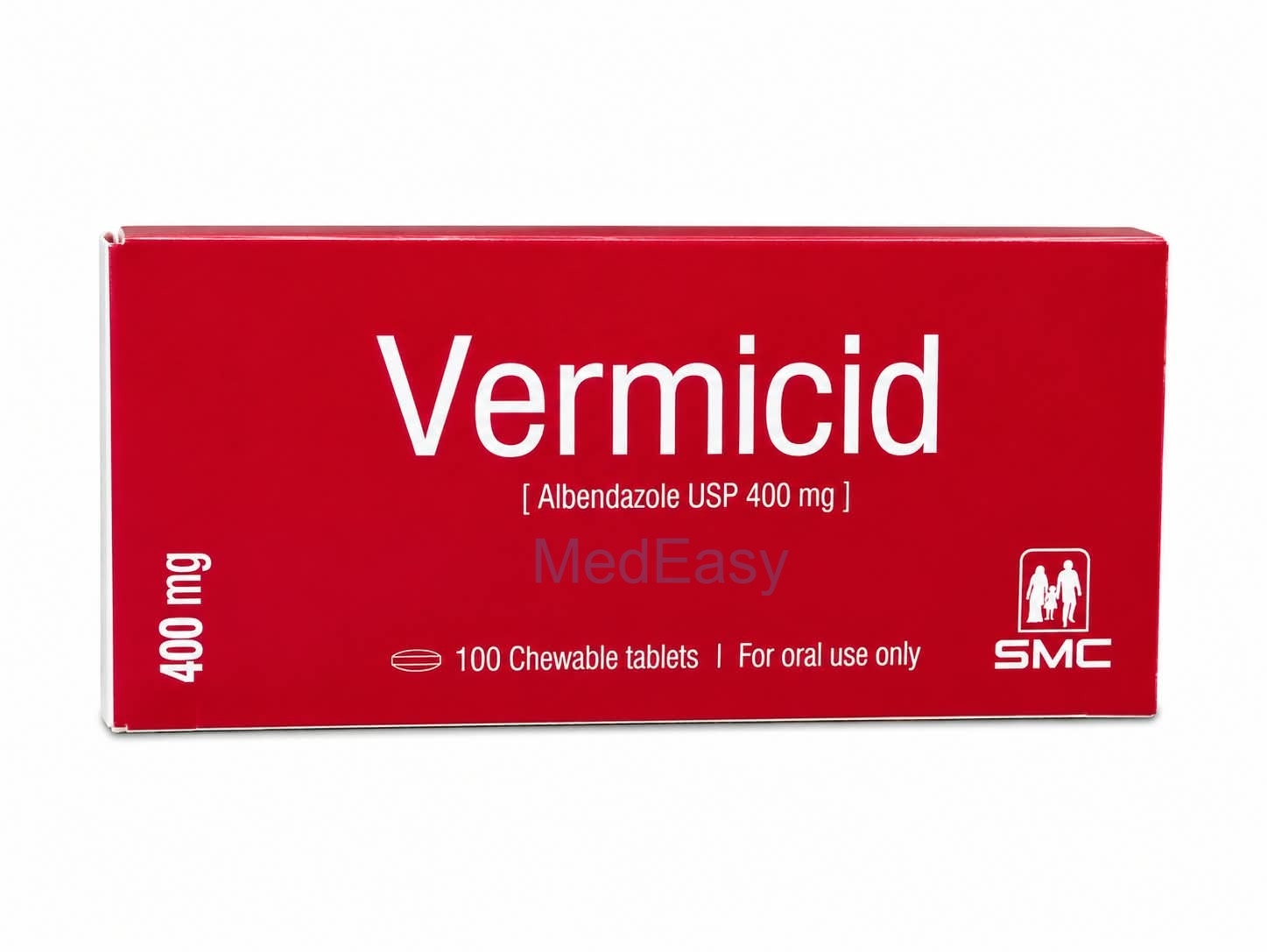
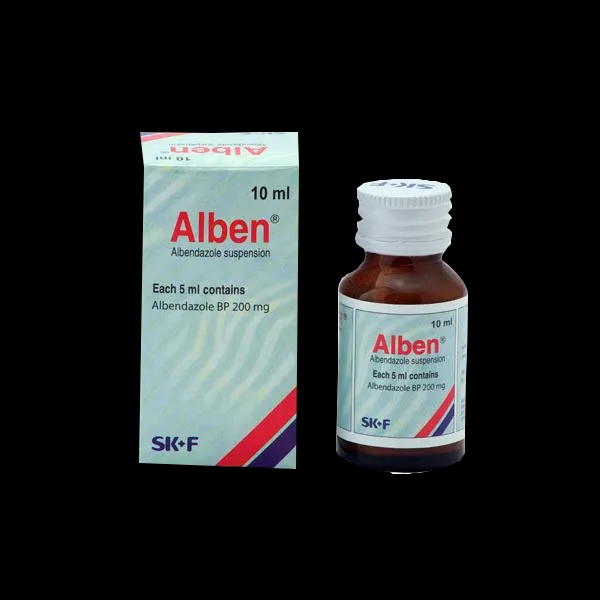
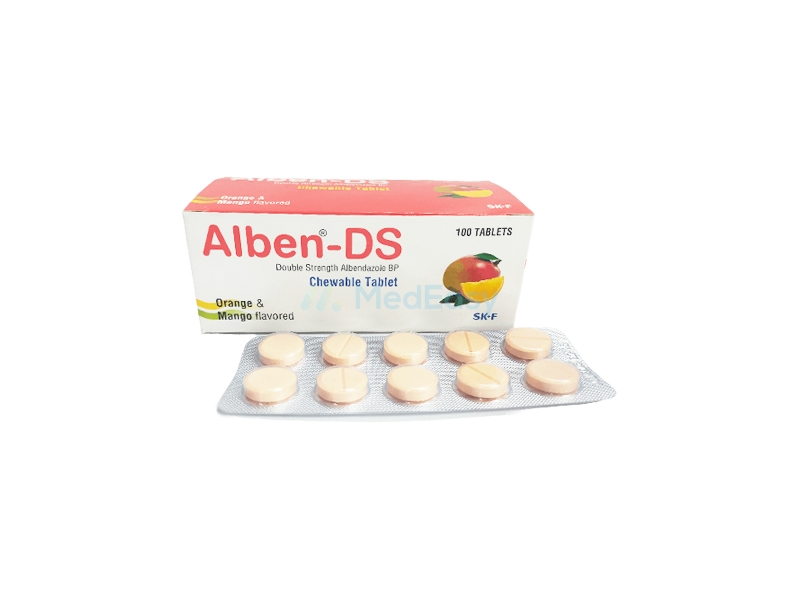
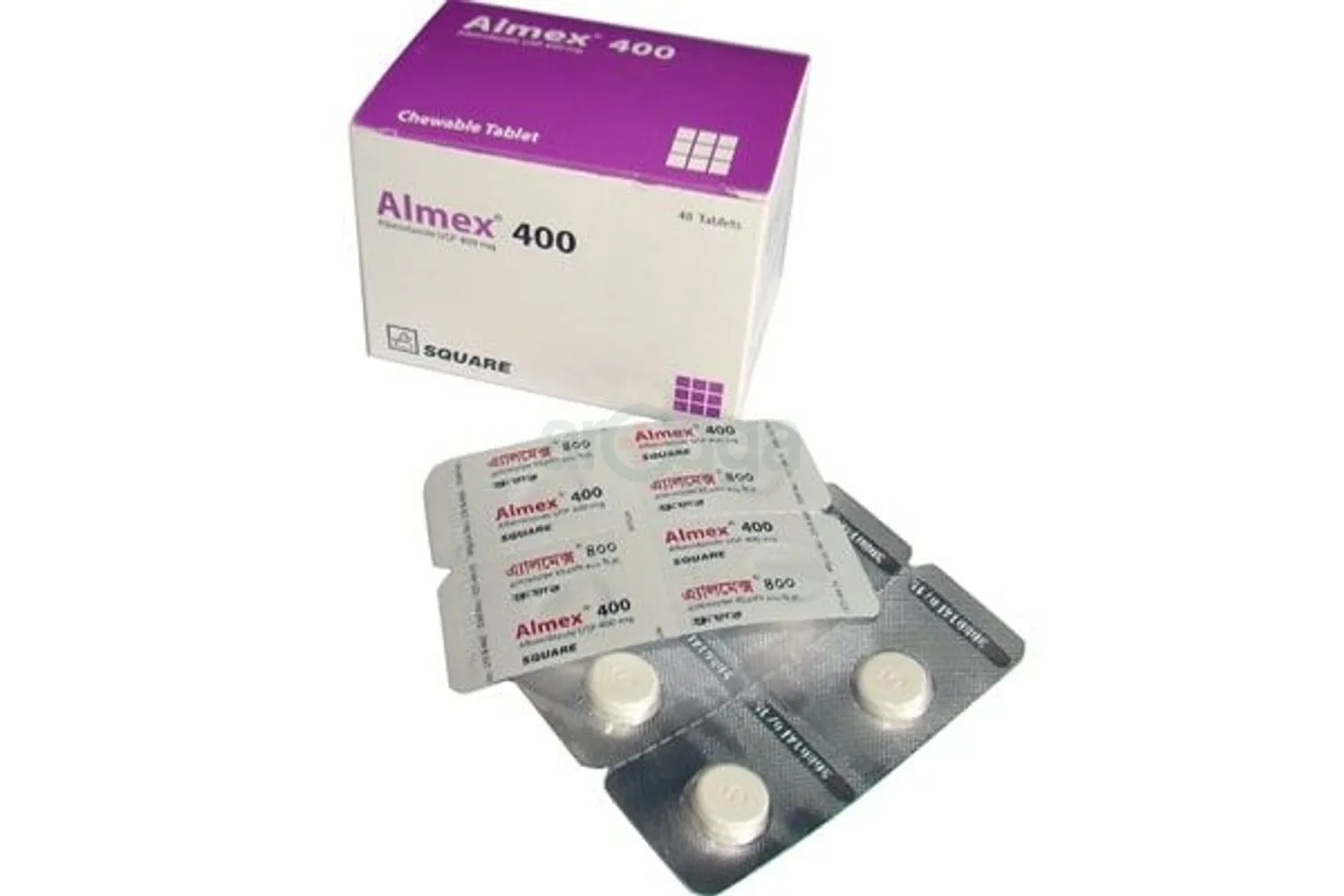
Forms:Oral SuspensionChewable Tablet

About Albendazole

Indications of Albendazole

Albendazole is used to treat a range of parasitic infections, classified below by strength of evidence:

Established / FDA-approved uses

  • Parenchymal neurocysticercosis due to active lesions caused by larval forms of the pork tapeworm (Taenia solium)
  • Cystic hydatid disease of the liver, lung, and peritoneum caused by the larval form of Echinococcus granulosus

Guideline-supported / widely used indications (WHO / national deworming programs)

  • Ascariasis (roundworm)
  • Hookworm infection (Ancylostoma duodenale, Necator americanus)
  • Trichuriasis (whipworm)
  • Enterobiasis (pinworm/threadworm)
  • Strongyloidiasis and taeniasis (tapeworm)

Off-label / adjunct use

  • Giardiasis, as an alternative or adjunct agent in some treatment protocols (not an FDA-approved indication)

Dosage & Administration of Albendazole

Intestinal Worm Infections (Ascariasis, Hookworm, Whipworm, Pinworm/Threadworm)

PopulationDose
Adults and children > 2 yearsAlbendazole 400 mg as a single oral dose
Children 1–2 yearsAlbendazole 200 mg as a single oral dose
Pinworm (Enterobius)Single 400 mg dose, repeated after 2 weeks to prevent reinfection

Strongyloidiasis and Taeniasis (Tapeworm)

Albendazole 400 mg once daily for 3 consecutive days.

Neurocysticercosis (FDA-approved)

WeightDose
≥ 60 kgAlbendazole 400 mg twice daily for 8–30 days
< 60 kgAlbendazole 15 mg/kg/day in 2 divided doses (maximum 800 mg/day) for 8–30 days

Concomitant corticosteroids and anticonvulsants are typically used under specialist supervision; see Precautions.

Cystic Hydatid Disease (FDA-approved)

WeightDose
≥ 60 kgAlbendazole 400 mg twice daily
< 60 kgAlbendazole 15 mg/kg/day in 2 divided doses (maximum 800 mg/day)

Given in 28-day treatment cycles separated by 14-day drug-free intervals, usually for 3 cycles, under specialist supervision.

Giardiasis (commonly used off-label)

Albendazole 400 mg once daily for 5 days; not an established FDA-approved indication but supported by clinical studies and guideline use in some settings.

Administration: Albendazole chewable tablets should be chewed, crushed, or swallowed whole with water. For treatment of systemic/tissue infections (neurocysticercosis, hydatid disease), Albendazole should be taken with a fatty meal, which substantially increases absorption; for routine single-dose treatment of intestinal worms, it may be taken with or without food.

Side Effects of Albendazole

When used as a short, single-dose treatment for intestinal worms, Albendazole is generally well tolerated, with mild and transient effects such as headache, dizziness, nausea, vomiting, abdominal pain, and diarrhea.

With the higher, longer-duration doses used for tissue parasitic infections (neurocysticercosis, hydatid disease), more frequent and more serious adverse effects can occur, including:

  • Elevated liver enzymes (usually reversible on stopping Albendazole)
  • Bone marrow suppression, including leukopenia, agranulocytosis, thrombocytopenia, and rarely aplastic anemia (more common with prolonged/repeated cycles)
  • Reversible hair loss (alopecia)
  • Rash, fever, and hypersensitivity reactions
  • In neurocysticercosis: headache, seizures, and signs of raised intracranial pressure, caused by the inflammatory response to dying larvae rather than Albendazole itself (see Precautions)
  • In hydatid disease: fever and allergic-type reactions, including rare anaphylaxis, if cyst fluid leaks during treatment
  • Rare cases of acute liver failure have been reported

Contraindications of Albendazole

Albendazole is contraindicated in patients with known hypersensitivity to Albendazole, other benzimidazole anthelmintics (e.g. mebendazole), or any component of the formulation.

Frequently Asked Questions about Albendazole

What is Albendazole used for?

Albendazole is used to treat intestinal worm infections such as roundworm, hookworm, whipworm, and pinworm, and, at higher medically supervised doses, tissue parasitic infections such as neurocysticercosis and hydatid disease.

How should I take Albendazole?

Take Albendazole exactly as prescribed. For routine single-dose deworming it can be taken with or without food; for neurocysticercosis or hydatid disease, take Albendazole with a fatty meal to improve absorption, and complete the full course length and number of cycles your doctor prescribes.

Can Albendazole be used during pregnancy?

Albendazole should be avoided during pregnancy, especially the first trimester, because animal studies have shown a risk of harm to the developing fetus. It should be used in pregnancy only if clearly needed for a serious infection and only under a physician's guidance, after weighing the potential benefit against the potential risk to the fetus.

What are the common side effects of Albendazole?

Short single-dose use of Albendazole for intestinal worms commonly causes only mild, temporary effects such as headache, dizziness, nausea, or abdominal discomfort. Longer, higher-dose courses of Albendazole used for tissue infections carry a higher risk of liver enzyme elevation and bone marrow suppression, which is why blood tests are monitored during such treatment.

Who should not take Albendazole?

Anyone with a known allergy (hypersensitivity) to Albendazole or other benzimidazole anthelmintics should not take Albendazole. Pregnant women, and children under 1 year, should use Albendazole only under direct medical supervision after the risks and benefits have been discussed with a physician.

What should I do if I take too much Albendazole?

If an overdose of Albendazole is suspected, seek immediate medical attention or contact a poison control center. Treatment is supportive, and a doctor may monitor liver function and blood counts depending on the amount taken.

Disclaimer

The information provided is accurate to the best of our knowledge, but it does not replace professional medical advice. We cannot guarantee its completeness or accuracy, and the absence of specific information about a drug should not be taken as an endorsement. We are not responsible for any consequences arising from this information, so please consult a healthcare professional for any concerns or questions.
DoctorBlogArticles