Generic medicine

Almitrine Bismesylate + Raubasine: Brands, Price & Uses in Bangladesh

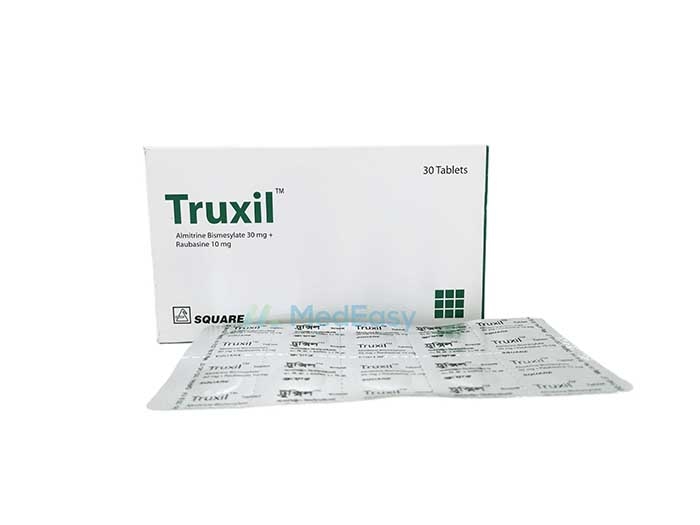
Almitrine Bismesylate + Raubasine is a combination product that has historically been marketed (mainly in parts of Europe, Asia, and other regions and more.

Forms:Tablet

About Almitrine Bismesylate + Raubasine

Indications of Almitrine Bismesylate + Raubasine

Almitrine Bismesylate + Raubasine is a combination product that has historically been marketed (mainly in parts of Europe, Asia, and other regions, including Bangladesh) for a limited set of circulatory and neurosensory complaints, mostly in older adults. Evidence for meaningful clinical benefit from modern controlled trials is limited, and the product has been withdrawn in some countries on safety grounds; it should be regarded as an adjunctive or symptomatic therapy rather than a disease-modifying treatment.

Guideline/label-supported uses

  • Adjunct in recovery after ischaemic cerebral stroke: used as a supportive measure alongside standard stroke rehabilitation to help reduce neurological deficit and support functional recovery.
  • Age-related neurosensory and cognitive-behavioural complaints: symptoms such as reduced concentration, memory difficulty, dizziness, and mood/behavioural changes associated with cerebral circulatory insufficiency in elderly patients.
  • Chorioretinal circulatory disorders: visual disturbances attributed to impaired choroidal/retinal blood flow.
  • Cochleo-vestibular disorders: hearing loss, tinnitus, and vertigo attributed to impaired inner-ear microcirculation.

Evidence caveat

Modern systematic reviews have found the quality and quantity of trial evidence for Almitrine Bismesylate + Raubasine in these indications to be limited, and regulatory agencies in some countries have restricted or withdrawn oral almitrine-containing products due to safety concerns (see Precautions and Warnings). Almitrine Bismesylate + Raubasine should only be used under a physician's guidance, with the treatment goal and duration reassessed periodically.

Dosage & Administration of Almitrine Bismesylate + Raubasine

Adult dose

IndicationTypical dose
Post-stroke recovery / age-related neurosensory complaints / chorioretinal or cochleo-vestibular circulatory disorders1 tablet once daily, or 1 tablet twice daily (morning and midday/afternoon, spaced several hours apart), taken with meals. Maximum 2 tablets per day.

Treatment should be initiated and supervised by a physician, and the response reassessed periodically (typically every few months) to confirm continued benefit, since evidence for long-term benefit of Almitrine Bismesylate + Raubasine is limited.

Pediatric dose

Not established; Almitrine Bismesylate + Raubasine is not indicated for use in children (see Pediatric Uses).

Renal/hepatic adjustment

Almitrine Bismesylate + Raubasine is contraindicated in severe hepatic impairment (see Contraindications). No well-established dose adjustment for renal impairment has been defined; use with caution and close monitoring in patients with significant renal impairment.

Side Effects of Almitrine Bismesylate + Raubasine

Reported adverse effects of Almitrine Bismesylate + Raubasine include:

  • Common: unintended weight loss, nausea, epigastric/stomach discomfort, and other gastrointestinal complaints; insomnia, drowsiness, anxiety, dizziness, and palpitations.
  • Neurological (important): peripheral neuropathy — numbness, tingling, or weakness in the hands and feet — has been specifically and repeatedly associated with almitrine, particularly with prolonged use or in patients with pre-existing neuropathy risk factors (e.g., diabetes, chronic alcohol use). This can be serious and, in some reported cases, only partially reversible. Patients should be advised to report any numbness, tingling, or weakness promptly, and Almitrine Bismesylate + Raubasine should be discontinued if these occur (see Precautions and Warnings).

Contraindications of Almitrine Bismesylate + Raubasine

Almitrine Bismesylate + Raubasine is contraindicated in patients with:

  • Known hypersensitivity to almitrine bismesylate, raubasine, or any excipient of the product.
  • Severe hepatic impairment.
  • Pre-existing significant peripheral neuropathy, given almitrine's well-documented association with peripheral neuropathy.
  • Severe respiratory failure, given the complexity of almitrine's respiratory chemoreceptor effects in this setting; such patients should only receive Almitrine Bismesylate + Raubasine, if at all, under close specialist supervision.

Frequently Asked Questions about Almitrine Bismesylate + Raubasine

What is Almitrine Bismesylate + Raubasine used for?

Almitrine Bismesylate + Raubasine is used mainly in adults for supportive recovery after ischaemic stroke, and for age-related neurosensory complaints (memory/concentration difficulty, dizziness) as well as circulatory-related visual and hearing/balance disturbances. It is an adjunctive therapy, and modern evidence for its benefit is limited, so it should be used under a physician's guidance.

How should I take Almitrine Bismesylate + Raubasine?

The usual dose is 1 tablet once or twice daily (doses spaced several hours apart), not exceeding 2 tablets per day, taken with meals. Follow your physician's specific instructions and do not increase the dose on your own.

What are the most important side effects to watch for?

Along with common effects like nausea, dizziness, insomnia, and weight loss, the most important concern with Almitrine Bismesylate + Raubasine is peripheral neuropathy — numbness, tingling, or weakness in the hands or feet — which has been specifically linked to almitrine, one of its components, especially with prolonged use. Tell your doctor immediately if you notice these symptoms, since Almitrine Bismesylate + Raubasine may need to be stopped.

Can Almitrine Bismesylate + Raubasine be used during pregnancy or breastfeeding?

Almitrine Bismesylate + Raubasine is not recommended during pregnancy or breastfeeding because safety has not been well established. It should only be used if a physician determines the potential benefit clearly outweighs the potential risk to the baby.

Who should not take Almitrine Bismesylate + Raubasine?

Almitrine Bismesylate + Raubasine should not be used by people who are hypersensitive to either component, those with severe liver impairment, those with significant existing peripheral neuropathy, or those with severe respiratory failure without close specialist supervision.

What should I do if I take too much Almitrine Bismesylate + Raubasine?

An overdose of Almitrine Bismesylate + Raubasine can cause a fast heartbeat, low blood pressure, fast breathing, and respiratory alkalosis. If you suspect an overdose, seek immediate medical attention or contact emergency services/poison control right away rather than trying to manage it at home.

Disclaimer

The information provided is accurate to the best of our knowledge, but it does not replace professional medical advice. We cannot guarantee its completeness or accuracy, and the absence of specific information about a drug should not be taken as an endorsement. We are not responsible for any consequences arising from this information, so please consult a healthcare professional for any concerns or questions.

DoctorBlogArticles