Generic medicine

Aloe Vera and Vitamin E Acetate: Brands, Price & Uses in Bangladesh

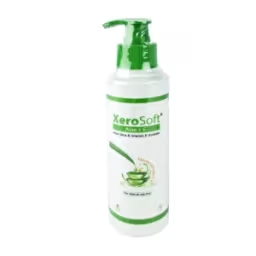
Aloe Vera and Vitamin E Acetate is a topical skin-protectant and moisturizing combination used for: Minor skin irritation and dryness - soothing and moisturizing chapped, dry and more.

Forms:Lotion

About Aloe Vera and Vitamin E Acetate

Indications of Aloe Vera and Vitamin E Acetate

Aloe Vera and Vitamin E Acetate is a topical skin-protectant and moisturizing combination used for:

  • Minor skin irritation and dryness - soothing and moisturizing chapped, dry, or irritated skin (well-established, traditional over-the-counter use).
  • Minor burns and sunburn - symptomatic relief of discomfort associated with minor thermal burns and sunburn (established topical skin-protectant use).
  • Minor cuts, scrapes, and abrasions - as a soothing barrier to support the skin's natural healing environment (adjunct/supportive use only; not a substitute for proper wound care).
  • Appearance of minor scars - sometimes marketed to help soften and moisturize healing scar tissue; the specific benefit of topical vitamin E on scar appearance is not well supported by high-quality clinical evidence and results are inconsistent, so this should be considered a cosmetic/adjunct use rather than a proven medical benefit.

Aloe Vera and Vitamin E Acetate is intended for external, topical use only on intact or minor superficial skin and is not intended to treat deep wounds, significant burns, or infected skin.

Dosage & Administration of Aloe Vera and Vitamin E Acetate

Adults and Children (as directed on product labeling)

UseApplication
Minor skin irritation, dryness, minor burns/sunburnApply a thin layer of Aloe Vera and Vitamin E Acetate to the affected area 2-4 times daily, or as needed, after cleaning and gently drying the skin.
Minor scars (cosmetic use)Apply a small amount to the healed (closed) scar area once or twice daily; consistent long-term use is typically needed to judge any cosmetic effect, and results vary between individuals.

See Use in Special Populations for guidance on infants and young children, and Precautions and Warnings for situations requiring medical advice before use.

Side Effects of Aloe Vera and Vitamin E Acetate

Side effects of Aloe Vera and Vitamin E Acetate are generally mild and limited to the application site:

  • Common: Mild, transient stinging, tingling, or cooling sensation on application; temporary redness.
  • Less common: Allergic contact dermatitis (itching, rash, redness, swelling, or blistering at the application site) - discontinue use if this occurs (see Precautions and Warnings).
  • Rare: Generalized allergic reaction (hives, facial or throat swelling, difficulty breathing) - seek immediate medical attention if this occurs.

Contraindications of Aloe Vera and Vitamin E Acetate

Aloe Vera and Vitamin E Acetate is contraindicated in individuals with known hypersensitivity (allergy) to aloe vera, vitamin E/tocopherol compounds, or any other ingredient in the specific product formulation.

Frequently Asked Questions about Aloe Vera and Vitamin E Acetate

What is Aloe Vera and Vitamin E Acetate used for?

Aloe Vera and Vitamin E Acetate is a topical over-the-counter product used to soothe and moisturize minor skin irritation, dryness, and minor burns or sunburn. It is sometimes also used on healed minor scars for cosmetic softening, although evidence for a specific scar-improvement benefit is limited.

Can I use Aloe Vera and Vitamin E Acetate on an open wound or deep burn?

No. Aloe Vera and Vitamin E Acetate is intended for minor superficial skin issues only. It should not be used on deep wounds, significant burns, puncture wounds, animal bites, or skin that looks infected (increasing redness, swelling, pus, or fever) - these situations need medical evaluation instead of self-treatment.

Is Aloe Vera and Vitamin E Acetate safe during pregnancy or breastfeeding?

Topical use of Aloe Vera and Vitamin E Acetate on small areas of intact skin is generally considered low-risk during pregnancy and breastfeeding because very little is absorbed into the body, but it should be used only if clearly needed and in the smallest amount necessary. Pregnant or breastfeeding women should check with a physician or pharmacist before regular use, especially over large areas of skin.

What side effects can Aloe Vera and Vitamin E Acetate cause?

Most people tolerate Aloe Vera and Vitamin E Acetate well. Possible side effects include mild, temporary stinging or redness at the application site, and less commonly, allergic contact dermatitis with itching, rash, or swelling. If irritation or an allergic reaction develops, stop using the product and consult a physician; seek immediate care for signs of a severe allergic reaction such as facial swelling or difficulty breathing.

Can I use Aloe Vera and Vitamin E Acetate on children?

It can generally be used cautiously in children for minor skin dryness, irritation, or sunburn, but formal safety and efficacy data in children are not established, as with most over-the-counter topical skin-care products. Use only a small amount, watch for irritation, avoid use in infants under 6 months without a pediatrician's advice, and keep the product out of children's reach to prevent accidental swallowing.

Does Aloe Vera and Vitamin E Acetate really improve the appearance of scars?

Evidence for a specific benefit of the vitamin E component of Aloe Vera and Vitamin E Acetate on scar appearance is limited and mixed in clinical research, and some people may develop contact irritation from it. It may be tried on healed (closed) scars as a moisturizing, cosmetic measure, but it should not be relied upon as a medically proven scar treatment, and a physician should be consulted for concerning or cosmetically significant scars.

Disclaimer

The information provided is accurate to the best of our knowledge, but it does not replace professional medical advice. We cannot guarantee its completeness or accuracy, and the absence of specific information about a drug should not be taken as an endorsement. We are not responsible for any consequences arising from this information, so please consult a healthcare professional for any concerns or questions.

DoctorBlogArticles