
Generic medicine

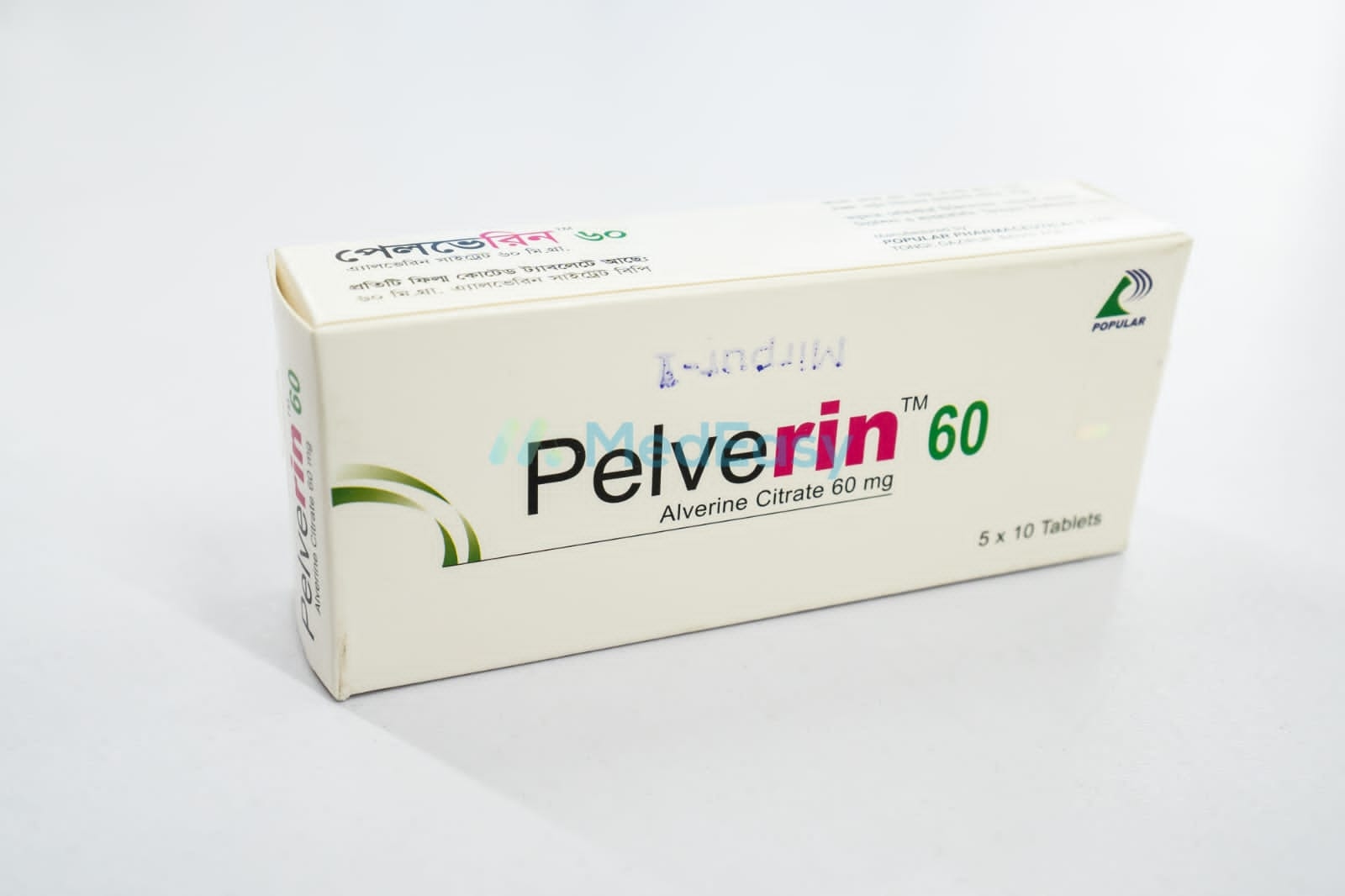
Alverine Citrate: Brands, Price & Uses in Bangladesh

Alverine Citrate is an antispasmodic used for the symptomatic relief of pain and spasm associated with the following conditions: Irritable bowel syndrome (IBS): Relief of abdominal pain, cramping and more.

Forms:Tablet

About Alverine Citrate

Indications of Alverine Citrate

Alverine Citrate is an antispasmodic used for the symptomatic relief of pain and spasm associated with the following conditions:

  • Irritable bowel syndrome (IBS): Relief of abdominal pain, cramping, and bloating associated with IBS (established/guideline-supported use).
  • Painful diverticular disease of the colon: Relief of colonic smooth muscle spasm and associated pain (established use).
  • Primary dysmenorrhoea: Symptomatic relief of painful uterine cramping during menstruation (established use).

Alverine Citrate provides symptomatic relief of smooth muscle spasm only; it does not treat the underlying cause of abdominal or pelvic pain. Persistent, severe, or atypical symptoms (especially new-onset symptoms in patients over 40 years, or symptoms accompanied by rectal bleeding, unexplained weight loss, anaemia, fever, or a change in bowel habit) require prompt medical evaluation to exclude more serious underlying pathology before or during use of Alverine Citrate.

Dosage & Administration of Alverine Citrate

Dosage by Indication

IndicationAdult DoseNotes
Irritable bowel syndrome60-120 mg, 1 to 3 times dailyPreferably taken before meals
Painful diverticular disease of the colon60-120 mg, 1 to 3 times dailyPreferably taken before meals
Primary dysmenorrhoea60-120 mg, 1 to 3 times daily as needed during painful episodesUse only after exclusion of other gynaecological causes of pain

Pediatric Dose

Use of Alverine Citrate is not recommended in children under 12 years, as safety and efficacy have not been established in this age group.

Elderly

No specific dose adjustment is established for elderly patients; the standard adult dose is generally used.

Renal/Hepatic Impairment

No well-established dose adjustment data are available for renal or hepatic impairment; Alverine Citrate should be used with caution in patients with significant hepatic impairment, as rare cases of hepatitis have been reported (see Side Effects).

Side Effects of Alverine Citrate

Alverine Citrate is generally well tolerated. Reported adverse effects include:

  • Common: Nausea, headache, dizziness, pruritus (itching), and skin rash.
  • Rare: Hypersensitivity reactions including anaphylaxis and dyspnoea (shortness of breath).
  • Very rare: Hepatitis with jaundice has been reported; discontinue Alverine Citrate and seek medical advice promptly if yellowing of the skin/eyes, dark urine, or unexplained abdominal pain occurs.

Patients should seek immediate medical attention if signs of a severe allergic reaction (facial/throat swelling, severe rash, difficulty breathing) occur after taking Alverine Citrate.

Contraindications of Alverine Citrate

Alverine Citrate is contraindicated in:

  • Patients with paralytic ileus or intestinal obstruction.
  • Patients with known hypersensitivity to Alverine Citrate or to any excipient of the product.

Frequently Asked Questions about Alverine Citrate

What is Alverine Citrate used for?

Alverine Citrate is used for the symptomatic relief of pain and cramping caused by smooth muscle spasm, such as in irritable bowel syndrome (IBS), painful diverticular disease of the colon, and primary dysmenorrhoea (menstrual cramps). It relieves symptoms but does not cure the underlying condition.

How should I take Alverine Citrate?

Take Alverine Citrate exactly as prescribed by your physician, usually 60-120 mg, 1 to 3 times daily, swallowed whole with water, preferably before meals. Do not exceed the recommended dose.

Can I take Alverine Citrate during pregnancy or while breastfeeding?

Safety data for Alverine Citrate in pregnancy and breastfeeding are limited, so it is generally not recommended. It should be used only if clearly needed and your physician judges that the potential benefit outweighs the potential risk to the baby. Always consult your doctor before taking Alverine Citrate if you are pregnant or breastfeeding.

What are the common side effects of Alverine Citrate?

Alverine Citrate is generally well tolerated. The most commonly reported side effects include nausea, headache, dizziness, itching, and skin rash. Rarely, allergic reactions, breathing difficulty, or liver problems (jaundice) have been reported; seek medical attention promptly if these occur.

Who should not take Alverine Citrate?

Alverine Citrate should not be taken by patients with paralytic ileus or intestinal obstruction, or by anyone with a known hypersensitivity (allergy) to Alverine Citrate or any ingredient in the product.

What should I do if I miss a dose or think I overdosed on Alverine Citrate?

If you miss a dose of Alverine Citrate, take it as soon as you remember, but skip it if it is nearly time for the next dose - do not double up. If you suspect an overdose of Alverine Citrate (symptoms may include low blood pressure or atropine-like effects), seek immediate medical attention or contact emergency/poison control services right away.

Disclaimer

The information provided is accurate to the best of our knowledge, but it does not replace professional medical advice. We cannot guarantee its completeness or accuracy, and the absence of specific information about a drug should not be taken as an endorsement. We are not responsible for any consequences arising from this information, so please consult a healthcare professional for any concerns or questions.

DoctorBlogArticles
