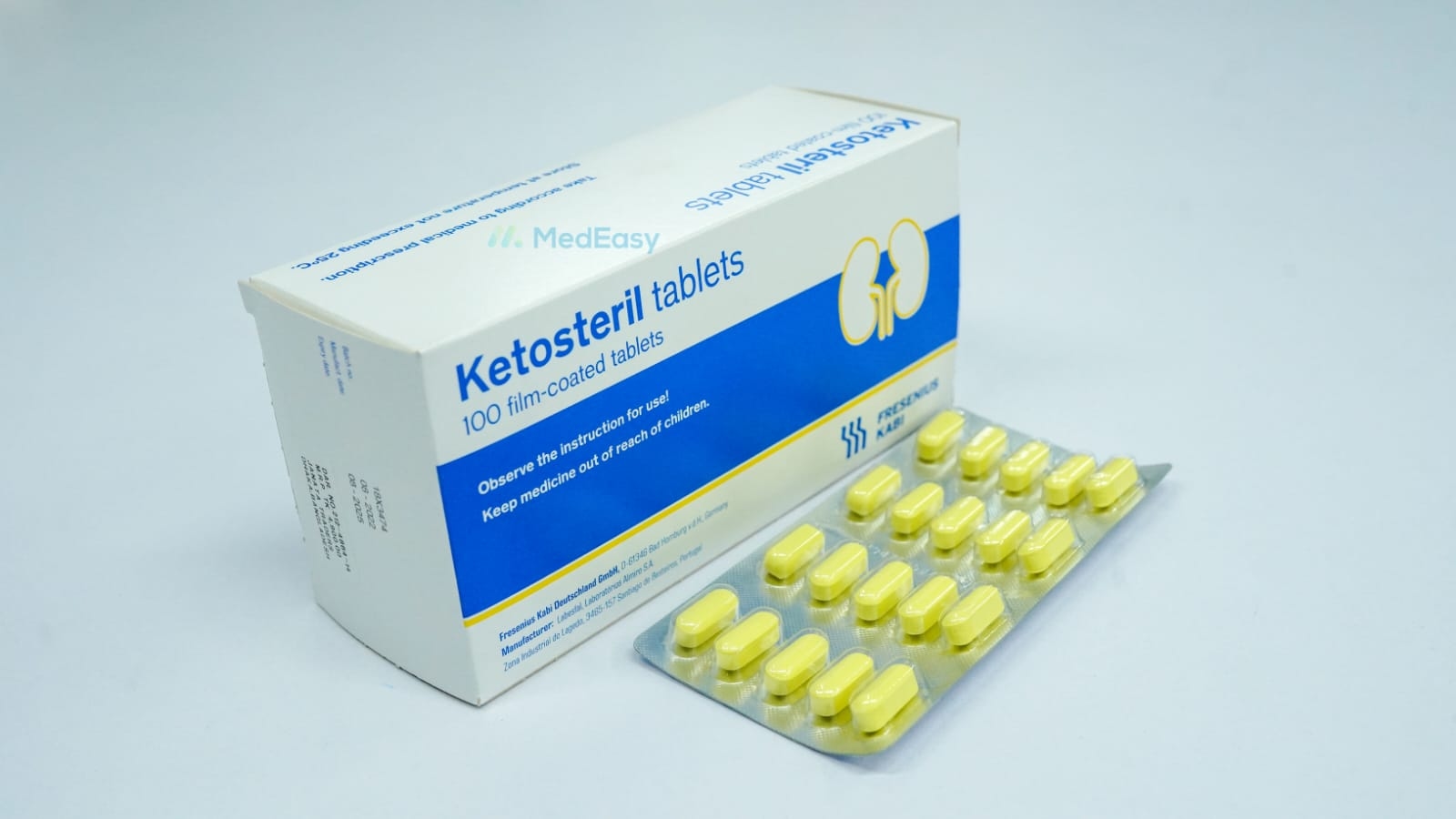
Generic medicine

Amino Acid + Calcium: Brands, Price & Uses in Bangladesh

Amino acid + Calcium is a combination nutritional supplement (a mixture of essential and non-essential amino acids together with elemental calcium) used to support nutritional status and calcium…

Forms:Tablet

About Amino Acid + Calcium

Indications of Amino Acid + Calcium

Amino acid + Calcium is a combination nutritional supplement (a mixture of essential and non-essential amino acids together with elemental calcium) used to support nutritional status and calcium intake. It is not a substitute for a prescription medicine used to treat a specific disease.

  • General nutritional support: for individuals with increased protein/amino acid and calcium requirements (e.g., convalescence after illness or surgery, poor dietary intake, general debility).
  • Calcium intake support: as an adjunct to support daily calcium intake when dietary calcium is insufficient, often marketed for bone health support.
  • Recovery/convalescence support: as an adjunct nutritional aid during recovery from illness, surgery, or periods of catabolic stress, alongside adequate diet.
  • Growth and maintenance support: in growing children, pregnant/lactating women, and elderly individuals with increased nutritional demand, used under medical or nutritional guidance.

Amino acid + Calcium does not replace a balanced diet or specific medical treatment for a diagnosed nutritional deficiency, osteoporosis, or metabolic bone disease; such conditions require individualized medical management.

Dosage & Administration of Amino Acid + Calcium

Population/UseTypical Dosing
AdultsAs directed on the product label or by a physician/nutritionist, typically 1 tablet/capsule or one measured dose of liquid, once or twice daily, preferably with or after meals.
ElderlySimilar to adult dosing; consider individual calcium requirements and renal function; use under medical guidance.
ChildrenOnly under medical or pediatric-nutritionist guidance; dose is individualized by age, weight, and nutritional need. Safety and dosing of Amino acid + Calcium in infants and young children have not been formally established for self-directed use.
Pregnancy/LactationUse only on the advice of a physician, taking into account total dietary calcium intake (see Pregnancy and Lactation section).

Amino acid + Calcium should be taken with adequate fluids. If a dose is combined with certain medicines that interact with calcium (see Interactions), dosing should be separated by at least 2 hours. Do not exceed the dose recommended on the product label or by a healthcare professional; total calcium intake from Amino acid + Calcium plus diet and any other supplements should stay within recommended daily limits.

Side Effects of Amino Acid + Calcium

Amino acid + Calcium is generally well tolerated when used as directed. Reported side effects are usually mild and related to the calcium component:

  • Mild gastrointestinal upset – nausea, bloating, flatulence, or constipation.
  • Rarely, with excessive/prolonged intake beyond recommended limits – symptoms of hypercalcemia (see Overdose section).

Report persistent or severe side effects to a physician or pharmacist.

Contraindications of Amino Acid + Calcium

Amino acid + Calcium is contraindicated in individuals with:

  • Known hypersensitivity/allergy to any amino acid component, calcium, or any excipient in the specific product formulation.
  • Hypercalcemia (elevated blood calcium) or conditions predisposing to hypercalcemia (e.g., hyperparathyroidism, certain malignancies), where additional calcium intake could worsen the condition.
  • Severe renal impairment, in which both amino acid/protein load and calcium excretion are significantly compromised, unless specifically directed and monitored by a physician.

Frequently Asked Questions about Amino Acid + Calcium

What is Amino acid + Calcium used for?

Amino acid + Calcium is a nutritional supplement combining amino acids and calcium, used to support general nutrition, calcium intake, bone health, and recovery/convalescence when dietary intake is insufficient. It is not a treatment for a specific disease.

Can I take Amino acid + Calcium with other medicines?

The calcium in Amino acid + Calcium can reduce the absorption of certain medicines, including tetracycline/fluoroquinolone antibiotics, bisphosphonates, and thyroid hormone (levothyroxine). If you take any of these, separate your dose of Amino acid + Calcium by at least 2–4 hours and inform your physician or pharmacist about all medicines and supplements you use.

Is Amino acid + Calcium safe during pregnancy and breastfeeding?

Amino acid + Calcium should be used during pregnancy or breastfeeding only if clearly needed and advised by a physician, who will consider your total dietary calcium intake and nutritional status; the potential benefit should outweigh any potential risk.

Who should not take Amino acid + Calcium?

Amino acid + Calcium should not be used by people with known hypersensitivity to any of its components, hypercalcemia (high blood calcium), or severe renal impairment, unless specifically directed and monitored by a physician.

What happens if I take too much Amino acid + Calcium?

Taking more Amino acid + Calcium than recommended, especially over time, can lead to hypercalcemia with symptoms such as nausea, vomiting, constipation, excessive thirst, or confusion. If you suspect an overdose or notice these symptoms, stop the product and seek immediate medical attention.

Can children take Amino acid + Calcium?

Amino acid + Calcium can be used in children only under the guidance of a physician or pediatric nutritionist, with the dose individualized by age and weight; it should not be given to infants or young children without medical advice.

Disclaimer

The information provided is accurate to the best of our knowledge, but it does not replace professional medical advice. We cannot guarantee its completeness or accuracy, and the absence of specific information about a drug should not be taken as an endorsement. We are not responsible for any consequences arising from this information, so please consult a healthcare professional for any concerns or questions.

DoctorBlogArticles