Generic medicine

Amitriptyline Hydrochloride + Chlordiazepoxide: Brands, Price & Uses in Bangladesh

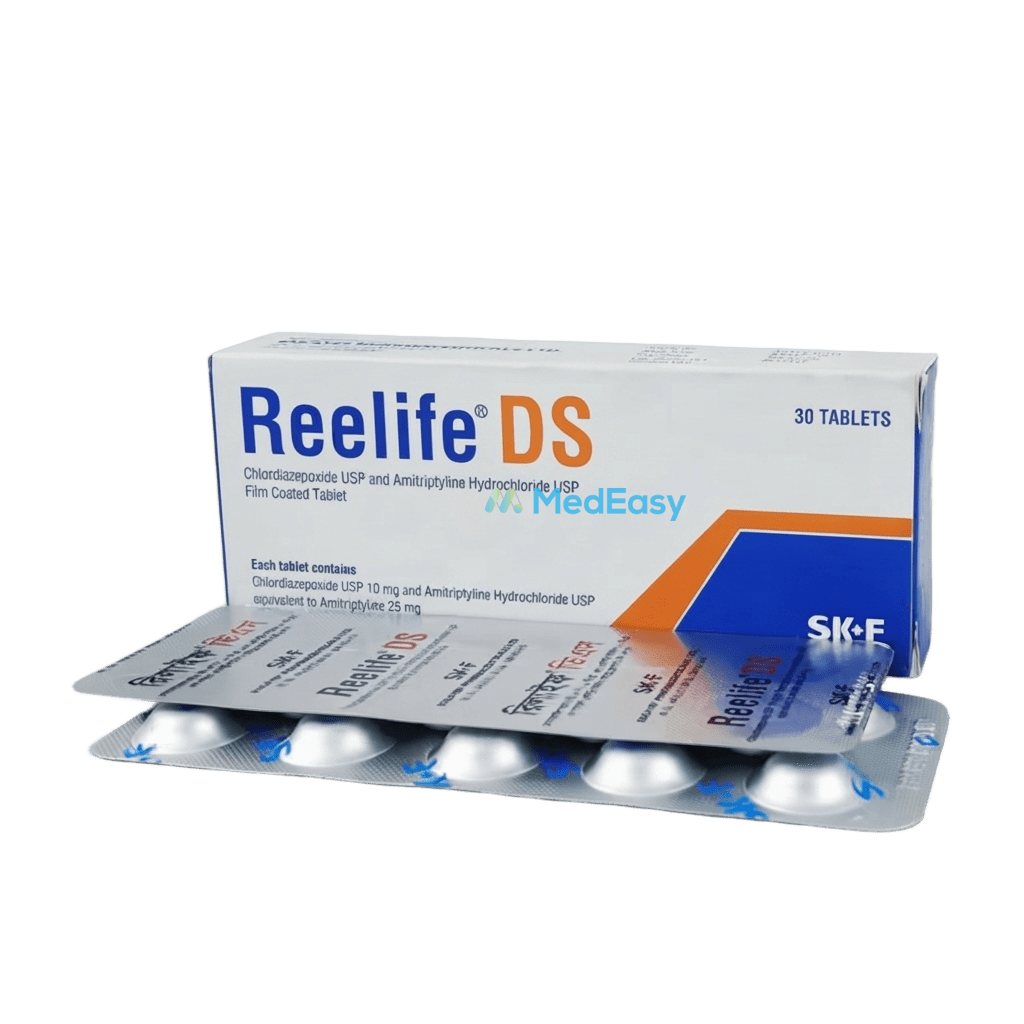
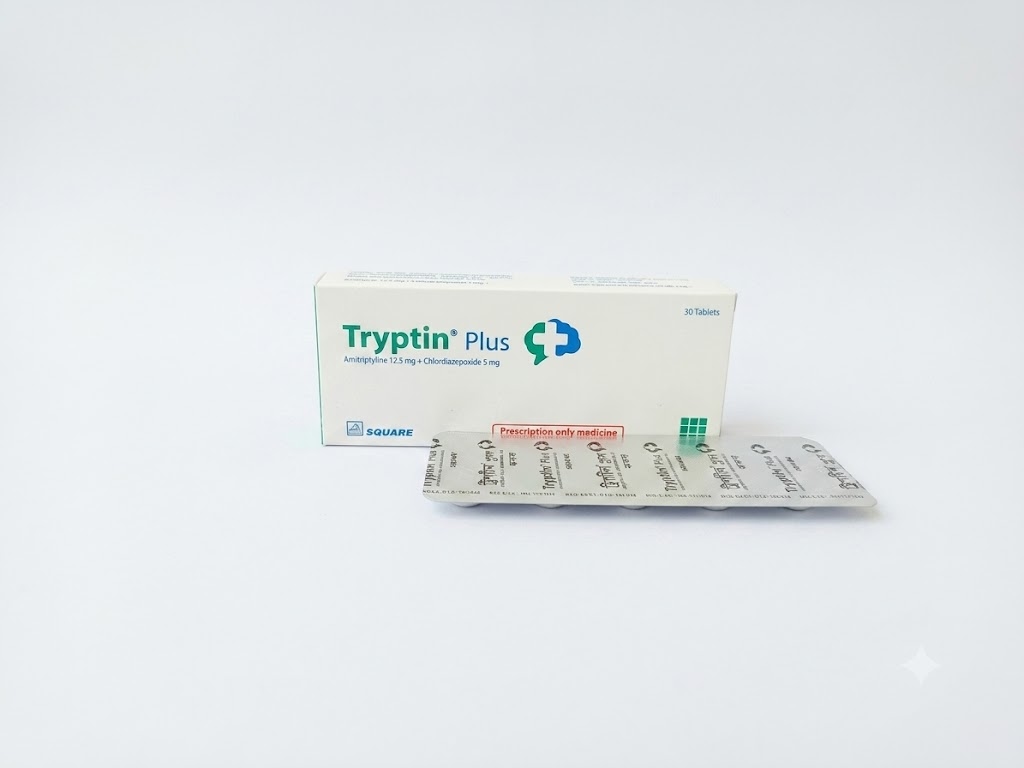
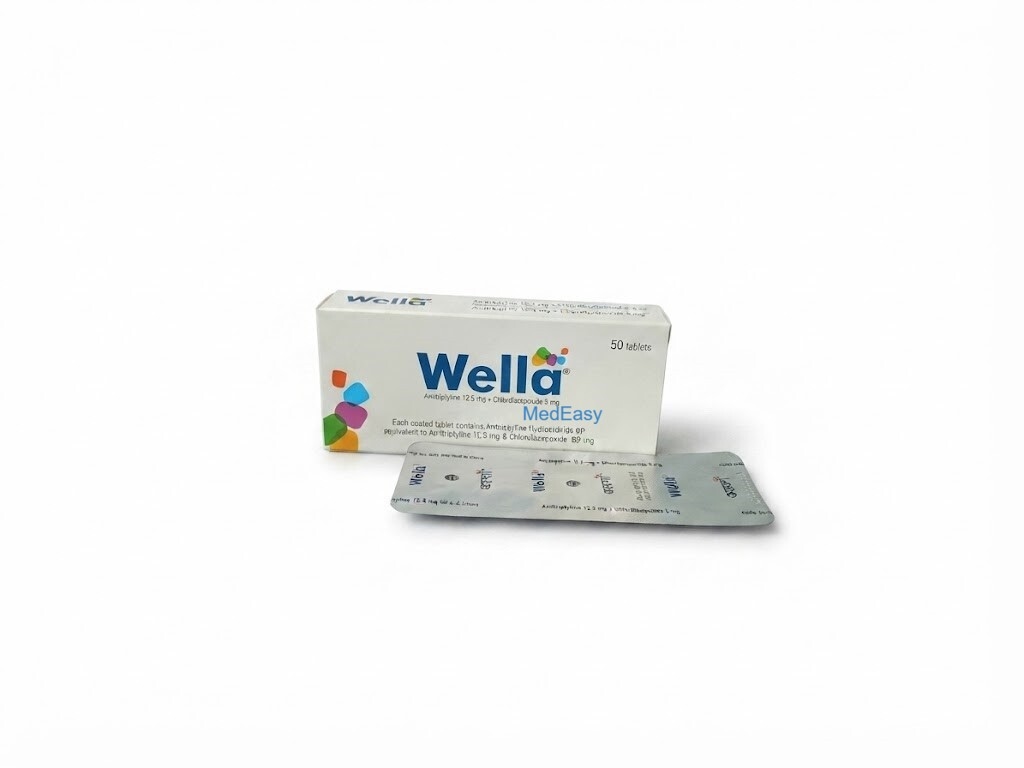
Amitriptyline Hydrochloride + Chlordiazepoxide is a fixed-dose combination of a tricyclic antidepressant (amitriptyline) and a benzodiazepine anxiolytic (chlordiazepoxide).

Forms:Tablet

About Amitriptyline Hydrochloride + Chlordiazepoxide

Indications of Amitriptyline Hydrochloride + Chlordiazepoxide

Amitriptyline Hydrochloride + Chlordiazepoxide is a fixed-dose combination of a tricyclic antidepressant (amitriptyline) and a benzodiazepine anxiolytic (chlordiazepoxide). It is indicated for:

  • Established/approved use: Management of moderate-to-severe depression associated with significant anxiety symptoms, where both components together provide relief of depressive symptoms and coexisting anxiety/agitation.
  • Adjunct/short-term use: The anxiolytic component is intended primarily for short-term relief of anxiety symptoms accompanying depression while the antidepressant effect of amitriptyline develops over 2-4 weeks; it is not intended as a standalone long-term anxiolytic.

Amitriptyline Hydrochloride + Chlordiazepoxide is not indicated for mild depression, uncomplicated anxiety without depression, or as a first-line agent given the availability of antidepressants with more favorable safety profiles; it should be reserved for patients who specifically require combined treatment of depression with prominent anxiety.

Dosage & Administration of Amitriptyline Hydrochloride + Chlordiazepoxide

IndicationPopulationTypical Dosing
Depression with moderate-to-severe anxietyAdultsUsually 1 tablet 3-4 times daily; may be increased gradually as needed and tolerated, up to a maximum guided by the physician. A larger proportion of the daily dose may be given at bedtime because of the sedative effect.
Maintenance therapyAdultsOnce symptoms are controlled, the dose is reduced gradually to the lowest effective maintenance dose, often taken predominantly at night.
Elderly patientsAdults >65 yearsLower starting doses are used because of increased sensitivity to anticholinergic, sedative, and cardiac effects; dose titration should be slower and more cautious.

Amitriptyline Hydrochloride + Chlordiazepoxide should be taken orally, with or without food, exactly as prescribed. Treatment should not be stopped abruptly after prolonged use because of the risk of withdrawal symptoms from the benzodiazepine component (see Precautions and Warnings); the dose should be tapered gradually under medical supervision when discontinuing.

Side Effects of Amitriptyline Hydrochloride + Chlordiazepoxide

Side effects of Amitriptyline Hydrochloride + Chlordiazepoxide arise from both components and are generally dose-related:

  • Very common/common: Drowsiness, dizziness, dry mouth, blurred vision, constipation, weight gain, orthostatic hypotension, headache.
  • Anticholinergic effects: Urinary retention/hesitancy, tachycardia, confusion (especially in the elderly).
  • Cardiovascular: Palpitations, ECG changes (e.g., prolonged QT interval), arrhythmias (more likely at higher doses or with pre-existing cardiac disease).
  • CNS: Sedation, ataxia, tremor, impaired concentration; paradoxical agitation or excitement in some patients, particularly the elderly.
  • Dependence-related: With prolonged use of the chlordiazepoxide component, tolerance, dependence, and withdrawal symptoms on abrupt discontinuation can occur.
  • Less common: Skin rash, jaundice, blood dyscrasias, sexual dysfunction, hyponatremia (SIADH).

Patients should seek prompt medical attention for chest pain, fainting, severe confusion, or signs of an allergic reaction.

Contraindications of Amitriptyline Hydrochloride + Chlordiazepoxide

Amitriptyline Hydrochloride + Chlordiazepoxide is contraindicated in:

  • Known hypersensitivity to amitriptyline, chlordiazepoxide, other tricyclic antidepressants, other benzodiazepines, or any excipient of the product.
  • Concurrent use of, or use within 14 days of discontinuing, a monoamine oxidase inhibitor (MAOI).
  • The acute recovery phase immediately following myocardial infarction.
  • Narrow-angle (angle-closure) glaucoma, due to the anticholinergic effect of amitriptyline.
  • Severe hepatic impairment, due to risk of chlordiazepoxide accumulation and toxicity.

Frequently Asked Questions about Amitriptyline Hydrochloride + Chlordiazepoxide

What is Amitriptyline Hydrochloride + Chlordiazepoxide used for?

Amitriptyline Hydrochloride + Chlordiazepoxide is used to treat moderate-to-severe depression that is accompanied by significant anxiety, combining an antidepressant with an anti-anxiety medicine in one tablet.

How long does it take for Amitriptyline Hydrochloride + Chlordiazepoxide to work?

The anxiolytic (chlordiazepoxide) component can relieve anxiety and improve sleep within hours to days, but the antidepressant (amitriptyline) effect of Amitriptyline Hydrochloride + Chlordiazepoxide usually takes 2 to 4 weeks of regular use to become apparent. Do not stop the medicine early just because you do not feel better right away; discuss with your physician.

Can I stop taking Amitriptyline Hydrochloride + Chlordiazepoxide suddenly?

No. Stopping Amitriptyline Hydrochloride + Chlordiazepoxide abruptly after prolonged use can cause withdrawal symptoms such as anxiety, insomnia, tremor, or, rarely, seizures, because of the benzodiazepine component. Always taper the dose gradually under your physician's guidance.

Can I drive or drink alcohol while taking Amitriptyline Hydrochloride + Chlordiazepoxide?

Amitriptyline Hydrochloride + Chlordiazepoxide commonly causes drowsiness and can impair alertness and coordination. You should avoid driving or operating machinery until you know how it affects you, and you should avoid alcohol, as it can dangerously increase sedation.

Is Amitriptyline Hydrochloride + Chlordiazepoxide safe during pregnancy?

Amitriptyline Hydrochloride + Chlordiazepoxide should be used in pregnancy only if clearly needed and if your physician determines the benefit outweighs the potential risk to the baby, since use late in pregnancy has been linked to withdrawal-type symptoms in newborns. Always consult your physician before use if you are pregnant, planning pregnancy, or breastfeeding.

What should I do if someone takes too much Amitriptyline Hydrochloride + Chlordiazepoxide?

An overdose of Amitriptyline Hydrochloride + Chlordiazepoxide can be life-threatening due to effects on the heart and severe sedation. Seek immediate medical attention or contact emergency services/poison control right away; do not wait for symptoms to appear or attempt to treat it at home.

Disclaimer

The information provided is accurate to the best of our knowledge, but it does not replace professional medical advice. We cannot guarantee its completeness or accuracy, and the absence of specific information about a drug should not be taken as an endorsement. We are not responsible for any consequences arising from this information, so please consult a healthcare professional for any concerns or questions.
DoctorBlogArticles